

We may earn a commission when you buy through links on this page, at no extra cost to you. Learn more.
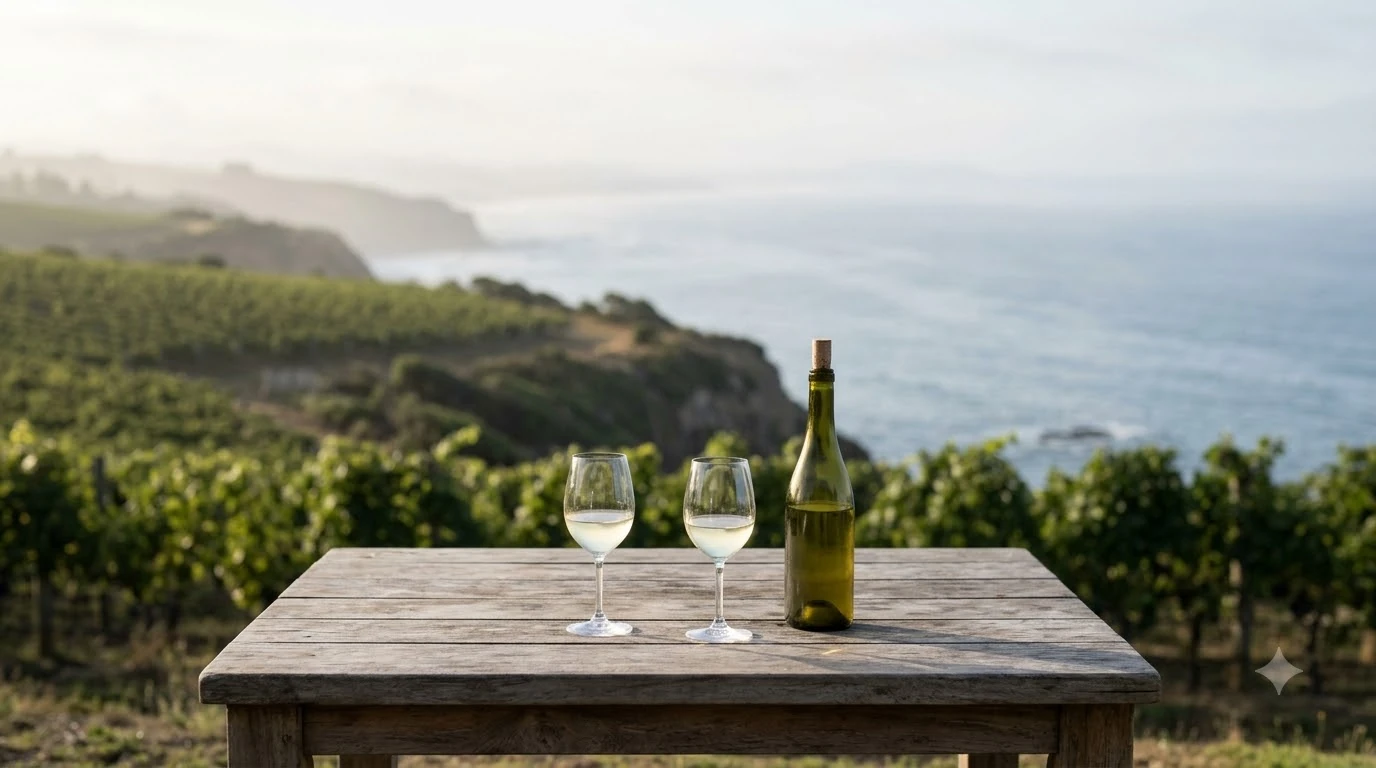
If you are wondering where is tawny port from, every authentic bottle originates exclusively from Portugal’s Douro Valley, a steep, terraced wine region in the northern part of the country. While the grapes are grown, harvested, and fortified along the Douro River, much of the wine historically travels downriver to coastal cellars in Vila Nova de Gaia for decades of slow oxidative aging in small oak casks. Under European Union protected designation of origin rules enforced by the Instituto dos Vinhos do Douro e Porto (IVDP), only fortified wine produced within this demarcated Portuguese zone may legally carry the name Port.
Walking down a wine shop aisle, it is easy to assume “tawny” refers to a specific grape variety or a distinct country of origin. In reality, tawny port shares the exact same geographic birthplace and indigenous red grape blends as deep, purple ruby port, diverging only after fermentation stops and the wine enters small wooden barrels. Understanding how Portugal’s rugged inland river valley and cool Atlantic coast work together explains why this amber-hued wine tastes of toasted walnuts, dried figs, and burnt caramel rather than fresh blackberries.
What Tawny Port Is
Tawny port is a sweet, fortified red wine from northern Portugal that gets its signature amber-brown color and nutty profile from extended aging in small wooden casks rather than glass bottles. Unlike ruby or vintage styles that preserve dark berry fruit in large vats or sealed glass, tawny port undergoes controlled exposure to oxygen through porous oak staves over many years.
All port production begins the same way during the autumn harvest. Winemakers ferment indigenous Portuguese red grapes until roughly half of the natural grape sugars have converted into alcohol, then add a neutral grape spirit known locally as aguardente. As Wine Folly’s tasting guide explains, adding this clear spirit arrests fermentation immediately, leaving behind rich natural residual sugar while raising the finished tawny port alcohol content to between 18 percent and 22 percent ABV.
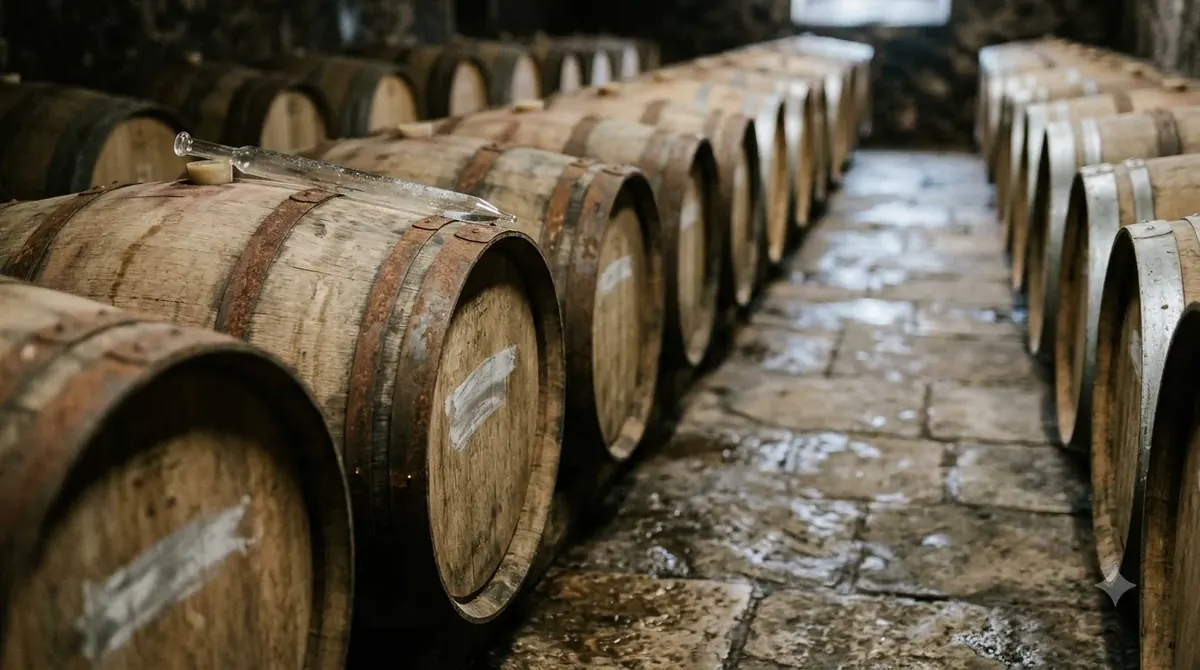
Once fortified, the young wine is transferred into seasoned oak barrels—traditionally 550-liter casks called pipes—where oxygen slowly transforms both its appearance and its chemistry. Over years and decades, deep purple anthocyanin pigments precipitate out, shifting the liquid from brick red to translucent amber and gold. Simultaneously, slow evaporation concentrates the wine’s acidity, sugars, and savory compounds, trading fresh jammy fruit for complex layers of dried apricot, orange peel, toffee, and roasted hazelnuts.
Where Tawny Port Grows and Ages
The geographic story of tawny port involves two distinct places in northern Portugal: the inland Douro Valley where the vines grow, and the coastal city of Vila Nova de Gaia where many historic lodges age the casks. Together, these two locations form the backbone of where is port from and govern how quickly or slowly a tawny matures.
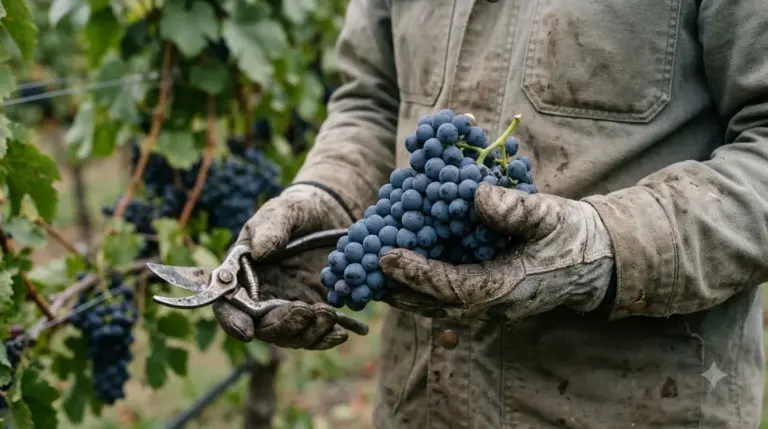
Demarcated in 1756, the Douro Valley is one of the oldest legally protected wine regions in the world. Located roughly 60 miles east of the Atlantic coast, the valley follows the winding Douro River through steep, sun-baked canyons lined with ancient stone terraces. The topsoil consists largely of fractured schist—a slate-like metamorphic rock that absorbs daytime heat and forces vine roots to dig deep underground for moisture during scorching, arid summers. More than 50 grape varieties are authorized here, though top tawnies rely heavily on five core native red grapes: Touriga Nacional, Touriga Franca, Tinta Roriz (known in Spain as Tempranillo), Tinta Barroca, and Tinto Cão.
After fortification in the Douro, barrels have historically been shipped downriver to Vila Nova de Gaia, directly across the water from the city of Porto. Because Gaia sits right on the Atlantic Ocean, its cellars remain cool, humid, and remarkably consistent in temperature year-round. According to Decanter’s guide to tawny port, casks aged in the cool, damp lodges of Vila Nova de Gaia evolve slowly and retain delicate floral and citrus lift, whereas tawnies aged upriver in the hot Douro Valley mature faster and develop richer, more caramelized concentration.
Flavor Profiles and Aging Categories
Tawny port spans an official hierarchy of styles regulated by the IVDP, ranging from youthful, fruit-forward entry bottles to multi-decade blends of extraordinary concentration. Because winemakers blend wines from multiple harvests to maintain a consistent house style, the number on an aged tawny label represents the average age of the wines in the bottle rather than a single vintage year.
At the entry level, basic Tawny and Tawny Reserve spend roughly five to seven years in wood, showing a medium golden-brown hue alongside lively notes of stewed cherries, plum, and light vanilla. Moving up the ladder into 10-Year and 20-Year Old Tawnies introduces much deeper oxidative character. Reviewers at Wine Folly and Decanter note that 10-Year bottles balance lingering red berry brightness with toasted walnuts and cinnamon, while 20-Year Old bottlings—often considered the sweet spot of the category—achieve an intricate harmony of candied orange zest, dried fig, honey, and savory nuttiness.
At the pinnacle sit 30-Year, 40-Year, and the recently introduced 50-Year Old categories, alongside single-harvest Colheita bottlings. Bottled in tiny quantities from treasured family reserves, 30- and 40-Year tawnies turn pale amber-gold with a faint olive-green rim and deliver viscous, concentrated flavors of espresso, burnt caramel, marmalade, and dried apricot. Meanwhile, a Colheita comes from a single harvest year and must age in oak casks for at least seven years—often far longer—before bottling, offering a snapshot of one specific Douro growing season.
| Tawny Port Style | Aging Requirement | Color in the Glass | Primary Tasting Notes |
|---|---|---|---|
| Tawny Reserve | Wood-aged, typically 5–7 years | Medium golden-brown | Stewed cherries, plum, light oak, subtle walnut |
| 10-Year Old Tawny | Blended average of 10 years in cask | Amber with brick-red highlights | Dried cherry, milk chocolate, roasted walnut, baking spice |
| 20-Year Old Tawny | Blended average of 20 years in cask | Deep amber-orange with olive rim | Candied orange peel, dried fig, honey, toasted vanilla |
| 30- & 40-Year Old Tawny | Blended average of 30 or 40 years in cask | Pale gold-amber | Burnt caramel, coffee, marmalade, dried apricot |
| Colheita | Single harvest, minimum 7 years in cask | Varies from brick-amber to pale gold | Vintage-specific blend of dried fruit, toasted nuts, and spice |
How to Serve Tawny Port
Serving tawny port slightly chilled rather than at warm room temperature keeps its natural sweetness crisp and prevents the alcohol from feeling heavy on the palate. Unlike bottle-aged vintage ports that throw heavy sediment and require hours in a decanter, cask-aged tawnies are filtered before bottling and are ready to pour immediately.
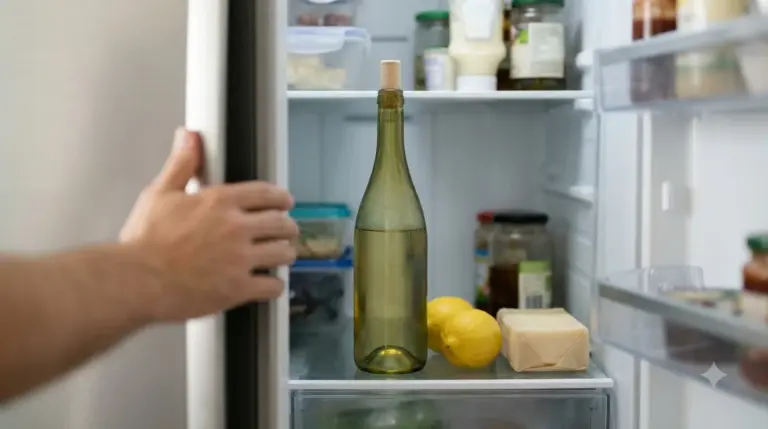
According to Wine Enthusiast and producer guidelines from houses like Cálem and Fonseca, the ideal serving temperature for tawny port is between 54°F and 60°F (12°C to 16°C), with older 30- and 40-year expressions shining slightly cooler around 50°F to 54°F (10°C to 12°C). Placing the bottle in a standard kitchen refrigerator for 30 to 45 minutes—or resting it in an ice bucket for 20 minutes—brings it right into that refreshing zone. A standard pour is modest, typically 2 to 3 ounces, served in a tulip-shaped port glass or a small white wine glass that narrows toward the rim to concentrate its nutty aromas.
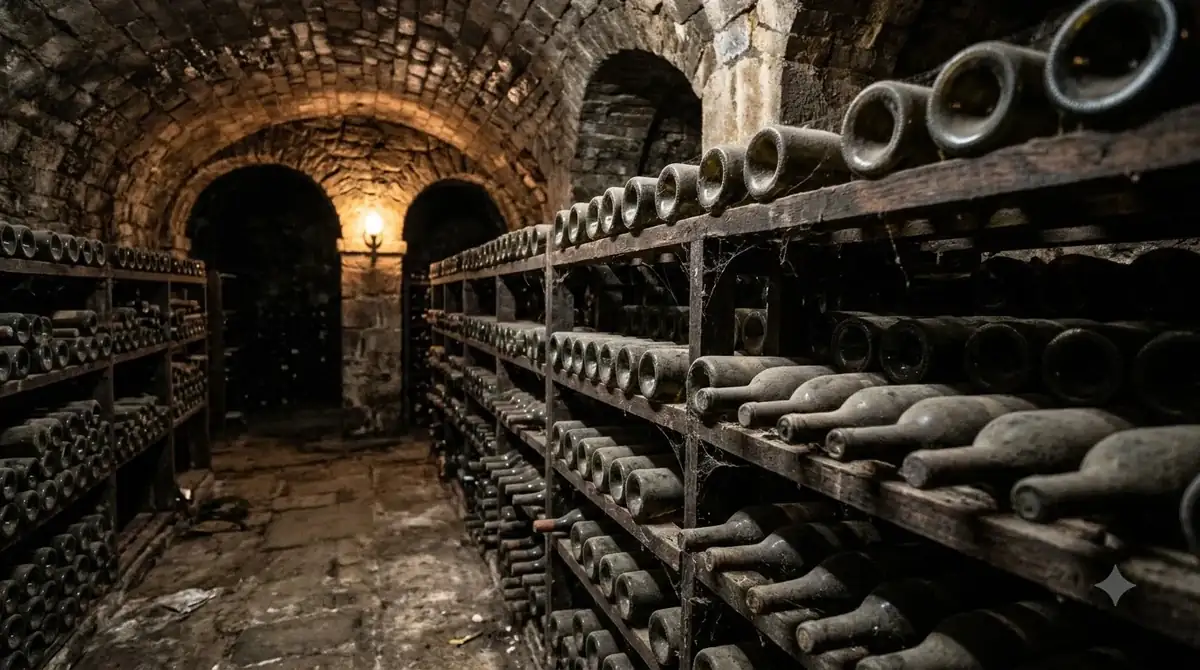
Because tawny port has already spent years interacting with oxygen inside porous oak barrels, an opened bottle stays fresh far longer than dry table wine or ruby port. According to the IVDP’s storage guidelines, a re-corked bottle of basic tawny or Tawny Reserve holds its character for three to four weeks, while age-indicated 10- to 40-year tawnies and Colheitas remain vibrant for one to four months when stored upright away from direct heat and light.
Tip: Keep an opened bottle of 10- or 20-year-old tawny port in your refrigerator door—just as winemakers in Porto do—so you can pour a chilled, ready-to-drink after-dinner glass anytime over the next month without worrying about spoilage.
Food Pairings and Cocktails
Tawny port’s combination of bright acidity, nutty oxidation, and silky sweetness makes it one of the most versatile dessert and cheese wines in the cellar. Rather than clashing with rich dairy or roasted nuts, its caramelized flavors echo and amplify savory and sweet ingredients alike.
For classic pairings, match the intensity of the dish to the age of the wine. Younger 10-year tawnies pair effortlessly with milk chocolate, apple tart, pecan pie, and hard aged cheeses such as Manchego, Pecorino, or sharp aged cheddar. Stepping up to a 20-year tawny unlocks classic combinations like French crème brûlée, salted caramel desserts, toasted almond cakes, and salty blue cheeses such as Stilton or Roquefort. Meanwhile, 30- and 40-year bottles are so dense and layered that many sommeliers recommend serving them on their own as dessert.
Beyond neat pours after dinner, younger Tawny Reserves and 10-year bottles also work wonderfully behind the bar. Mixing a chilled tawny port cocktail—such as swapping sweet vermouth for 10-year tawny in a Manhattan or shaking it with bourbon and lemon juice—adds dried-fruit depth and subtle spice without overwhelming a drink. If you are exploring how fortified wines compare to traditional table styles across Wine by Type, tawny port offers an approachable bridge between spirits and classic reds.
How to Choose a Bottle
Selecting the right tawny port comes down to matching the age designation on the label to your occasion and checking the bottling date on the back. Every authentic bottle from Portugal carries an official paper guarantee seal issued by the IVDP across the neck capsule, confirming that the wine was grown, fortified, and approved inside the demarcated Douro region.
If you are new to the style or mixing drinks, start with a Tawny Reserve or a 10-Year Old Tawny from historic Douro houses such as Taylor’s, Graham’s, Sandeman, Ferreira, Kopke, or Quinta do Noval. These bottles deliver classic walnut and dried-cherry warmth while keeping enough youthful fruit to stay lively. When buying any age-indicated tawny or Colheita, inspect the back label for the year the wine was bottled; because tawny port does not improve further once sealed in glass, fresher bottling dates preserve brighter aromatics and fresher acidity.
Frequently Asked Questions
Is tawny port always from Portugal?
Yes, authentic tawny port comes exclusively from Portugal’s Douro Valley. Under European Union protected designation of origin laws enforced by the IVDP, only fortified wine produced from authorized grapes in northern Portugal’s demarcated Douro region can legally be labeled as Port.
Why is tawny port brown instead of red?
Tawny port starts as a deep red wine made from indigenous Portuguese red grapes, but it ages for years or decades in small porous oak casks. Slow exposure to oxygen through the wood gradually fades the red pigments into amber, gold, and tawny brown while creating nutty, caramel aromas.
What is the difference between Douro Valley and Vila Nova de Gaia for tawny port?
All tawny port grapes are grown, harvested, and fortified upriver in the hot, terraced Douro Valley. Many producers then transport the barrels downriver to cool, humid coastal lodges in Vila Nova de Gaia near Porto, where lower temperatures slow evaporation and create a fresher, more delicate maturation style.
Does tawny port need to be decanted before serving?
No, tawny port does not need decanting. Because it spends years maturing in wooden barrels before being fined and filtered prior to bottling, it contains no heavy bottle sediment and is ready to pour straight from the bottle slightly chilled.
From the sun-drenched schist terraces of the Douro River to the cool Atlantic cellars of Vila Nova de Gaia, Portugal’s geography shapes every drop of tawny port. Whether you pour a lightly chilled 10-year blend alongside aged cheddar or savor a 20-year bottling after dinner, knowing where the wine comes from makes each nutty, caramelized sip even more rewarding.
More in Wine Types & Grapes
 White Wine Aging Potential: How Long Bottles Last and EvolveUpdated Nov 21, 2026
 White Port Serving Temperature: How Cold to Chill Every StyleUpdated Nov 21, 2026
 White Port Food Pairing: How to Match Every Style From Dry to SweetUpdated Nov 21, 2026
 Where Is Sparkling Wine From? Top Regions, Styles & OriginsUpdated Nov 21, 2026
 Where Is Vin Santo From? Origins, Grapes, and Styles ExplainedUpdated Nov 21, 2026
 Where Is White Zinfandel From? Its California Roots and HistoryUpdated Nov 21, 2026