


We may earn a commission when you buy through links on this page, at no extra cost to you. Learn more.
The best white port food pairing depends on the sweetness and age of the bottle: crisp, dry white Ports match salty aperitif snacks like Marcona almonds, green olives, and fresh seafood, while richer sweet and wood-aged styles partner with blue cheese, foie gras, and nut-based pastries. Produced in Portugal’s Douro Valley from native white grape varieties, white Port typically sits between 19% and 22% alcohol by volume (ABV) and is served well chilled at 43°F to 50°F (6°C to 10°C). Because winemakers halt fermentation with neutral grape spirit at different points, bottles span from extra dry to lusciously sweet, giving the wine remarkable versatility from pre-dinner appetizers through dessert.
While red styles dominate global Port sales, white Port accounts for roughly 10% of total Douro production and offers a brighter, more flexible table companion than many wine drinkers realize. Instead of heavy dark-berry fruit and gripping tannins, white Port delivers orchard fruit, citrus peel, toasted nuts, and honeyed spice that cut through salt and fat without overwhelming delicate dishes.
What White Port Is
White Port (Porto Branco) is a fortified wine made exclusively from white grapes grown in northern Portugal’s Douro Valley, crafted by adding clear grape brandy during fermentation to preserve natural grape sweetness and raise alcohol levels. Like all authentic Wine by Type categories from the Douro, it is regulated by the Instituto dos Vinhos do Douro e Porto (IVDP) and spans multiple sweetness tiers and aging regimens.
According to Wine Enthusiast, white Port relies on traditional Portuguese white cultivars planted on cooler, higher-elevation slopes above the Douro River. Key grapes in the blend include Malvasia Fina for body and nutmeg notes, Gouveio and Rabigato for crisp apple aromas and lively acidity, Viosinho for structure, Códega do Larinho for weight, and Moscatel Galego Branco for lifted orange blossom and apricot aromatics.
The timing of fortification determines the final sweetness of the wine. When the winemaker adds grape brandy early in fermentation, more natural grape sugar remains unfermented, creating sweet styles. When fermentation runs longer before fortification, yeasts consume most of the sugar, yielding dry or extra-dry expressions that still retain a rounded, textural mid-palate from the spirit.
Flavor Profile and Styles
White Port divides into two primary structural families: young, fruit-driven bottles aged briefly in stainless steel or neutral vats, and oxidative, wood-aged expressions matured in oak casks for years or decades. Across both categories, the IVDP classifies sweetness from Extra Dry and Dry through Semi-Dry, Sweet, and Lágrima (“tears”), the richest dessert tier.
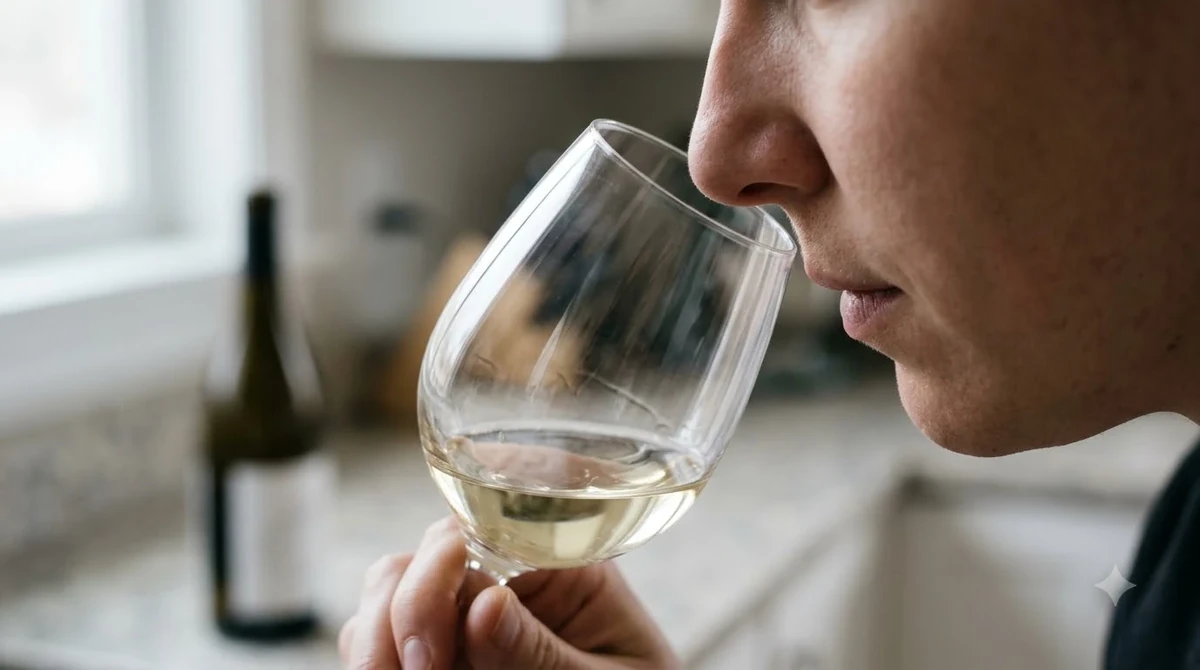
Young white Ports showcase bright, primary aromas of lemon curd, green apple, white peach, and floral honey, backed by brisk acidity that keeps the fortified palate clean. Drier young bottlings—such as Fonseca Siroco or Taylor’s Chip Dry—emphasize zesty citrus peel, almond skin, and a crisp, refreshing finish built for pre-dinner service.
Wood-aged white Ports, which include Reserve bottlings (aged around seven years in wood), age-indicated blends (10, 20, 30, and 40 Years Old), and single-harvest White Colheitas, transform completely in barrel. Slow oxygen exposure turns the wine deep gold to amber and layers in flavors of roasted hazelnuts, burnt toffee, dried apricot, orange marmalade, vanilla, and savory dried herbs. These mature bottles share nutty, caramelized DNA with tawny port food pairing favorites while retaining a distinct citrus-peel lift.
Where White Port Grows
Every bottle of genuine white Port originates in the demarcated Douro Valley of northern Portugal, one of the oldest regulated wine regions in the world. Unlike red Port grapes, which thrive in the baking heat of the lower valley floor, white Port varieties perform best at higher altitudes where cooler summer nights preserve natural malic acidity.
These high-elevation vineyards sit along steep, terraced hillsides carved into schist and granite soils across the Baixo Corgo and Cima Corgo sub-regions. The altitude slows sugar accumulation just enough for grapes like Rabigato and Viosinho to develop complex aromatics without losing the tart backbone required to balance fortification.
After harvest and fermentation in the Douro, many houses transport the young wines downriver to lodges in Vila Nova de Gaia, across the water from Porto. The cooler, humid Atlantic air of the coastal cellars moderates evaporation and allows cask-aged white Ports to mature slowly over decades without becoming overly fiery or flat.
How to Serve White Port
Serve young dry and off-dry white Ports well chilled between 43°F and 50°F (6°C to 10°C) in a standard white wine glass or a tulip-shaped Port glass, pouring a 2- to 3-ounce serving. Chilling tightens the alcohol perception and highlights the wine’s crisp citrus and orchard-fruit acidity, whereas serving it at room temperature makes the spirit taste hot and heavy.
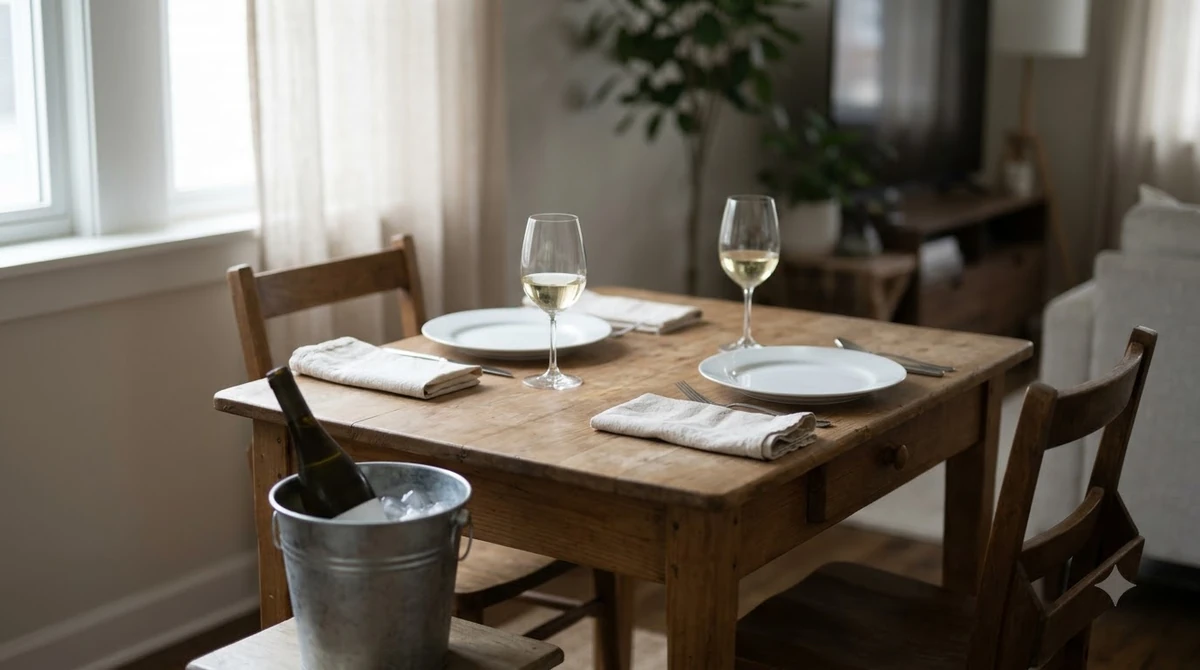
Aged white Ports—such as 10- or 20-Year-Old bottlings and White Colheitas—benefit from a slightly warmer serving window around 50°F to 54°F (10°C to 12°C). That extra few degrees allows complex aromatics of toffee, toasted walnut, and orange marmalade to open up in the glass without dulling the wine’s refreshing finish. None of these styles require decanting, as white Port is filtered or racked clean before bottling and throws little to no sediment.
In Porto and across Portugal, dry white Port is also the foundation of the Portonic—a tall highball combining one part dry white Port with two parts chilled tonic water over ice, garnished with a lemon twist, orange slice, or fresh mint sprig. Once opened, a bottle of young white Port stays fresh in the refrigerator for 8 to 20 days, while wood-aged white Ports hold their vibrant character for one to four months when tightly recorked and kept cool.
White Port Food Pairing by Style
Matching white Port to food comes down to aligning the wine’s sweetness and oxidative richness with the salt, fat, or sugar level on the plate. Dry styles act like an aromatic vermouth or crisp sherry alongside savory small plates, while sweet and aged styles function as rich dessert or cheese-course partners.
| White Port Style | Sweetness and Aging | Key Flavor Notes | Best Food Pairings |
|---|---|---|---|
| Extra Dry / Dry White | Dry; 2 to 3 years in vat or neutral oak | Lemon zest, green apple, blanched almond, white flowers | Salted Marcona almonds, green olives, oysters, grilled sardines, goat cheese |
| Semi-Dry / Standard White | Off-dry; young, unaged or lightly oaked | Ripe pear, honey, apricot, Meyer lemon | Prosciutto and melon, smoked salmon, crab cakes, mild sheep’s milk cheese |
| Sweet / Lágrima White | Very sweet; young or lightly wood-aged | Acacia honey, candied orange peel, white peach syrup | Foie gras, chicken liver pâté, Roquefort or Stilton, almond tarts |
| Aged White (10–40 Year & Colheita) | Off-dry to sweet; extended oak cask aging | Toasted hazelnut, burnt toffee, orange marmalade, vanilla | Aged Gouda, Comté, crème brûlée, pecan pie, dark chocolate tart |
For pre-dinner grazing, reviewers at Wine Folly highlight the classic Douro pairing of chilled dry white Port alongside large, blanched, lightly salted almonds. The nuttiness in the glass echoes the toasted almonds, while the wine’s bright acidity and brisk chill cleanse the palate between bites of briny green olives, cured anchovies, or crisp fried calamari.
At the table, off-dry and young white Ports shine with rich seafood and cured meats. Grilled oily fish such as sardines or mackerel, butter-poached lobster, and smoked salmon crostini all benefit from a wine with enough body to stand up to fat and enough citrus lift to cut through oiliness. Fresh cheeses—including tangy chèvre, ricotta, and burrata—also pair effortlessly with drier expressions.
When moving into richer courses, sweet Lágrima and wood-aged white Ports step into territory normally reserved for red Ports. Pungent blue cheeses like Stilton and Roquefort rely on the wine’s residual sugar to tame their salty bite, a dynamic similar to classic ruby port food pairing combinations, but with honeyed citrus and toasted nut flavors in place of dark berries. For dessert, pair 10- or 20-Year-Old white Port with egg-yolk custards like Portuguese pastéis de nata, crème brûlée, or almond cakes, leaving the heaviest dark-chocolate and blackberry desserts to vintage port food pairing.
Tip: When serving white Port alongside a multi-course cheese board, chill the bottle in an ice bucket for 20 minutes before pouring so the 19% to 22% ABV stays crisp and never tastes syrupy.
How to Choose a Bottle
Reading the front label carefully is the easiest way to avoid buying a sweet dessert bottle when you want a crisp aperitif, or vice versa. Because the Portuguese term Branco simply indicates white grapes rather than sweetness level, look for secondary descriptors such as Extra Seco (Extra Dry), Seco (Dry), Meio-Seco (Semi-Dry), Doce (Sweet), or Lágrima.
If your goal is mixing Portonics or serving light seafood appetizers, choose a young bottling labeled Dry or Extra Dry from established Douro houses like Fonseca, Taylor’s, Graham’s, or Niepoort. These bottles rely on stainless steel or large neutral vats to preserve fresh citrus and floral notes rather than heavy oak spice.
For sipping after dinner with aged cheeses, nuts, or caramel desserts, seek out an age-indicated bottle (10, 20, 30, or 40 Years Old) or a single-year White Colheita from producers such as Kopke, Dalva, or Poças. Check the back label for the bottling date on aged styles, since wood-aged white Ports are bottled ready to drink and taste freshest within a few years of leaving the cellar.
Frequently Asked Questions
Is white Port dry or sweet?
White Port is made across a full spectrum of sweetness levels, from Extra Dry to intensely sweet Lágrima. Even Extra Dry white Ports retain a small amount of natural grape sugar, giving them a smooth, rounded mouthfeel balanced by crisp Douro acidity.
What cheese pairs best with white Port?
Dry white Port pairs best with fresh, tangy cheeses such as goat cheese, ricotta, and young sheep’s milk cheese. Sweet Lágrima and wood-aged white Ports match salty blue cheeses like Stilton and Roquefort, as well as nutty aged hard cheeses like Comté and aged Gouda.
Should white Port be served chilled or at room temperature?
White Port should always be served chilled, never at warm room temperature. Serve young dry and sweet white Ports at 43°F to 50°F (6°C to 10°C), and serve older wood-aged white Ports slightly warmer at 50°F to 54°F (10°C to 12°C) so their nutty aromatics shine.
How long does white Port last after opening?
Because it is fortified to 19%–22% ABV, white Port lasts much longer after opening than standard table wine. Stored tightly sealed in the refrigerator, young white Port stays fresh for 8 to 20 days, while oak-aged white Ports keep well for one to four months.
From a chilled glass of dry white Port with salted almonds before dinner to a 20-Year-Old bottling poured beside crème brûlée, white Port bridges courses that few other fortified wines can touch. Matching the bottle’s sweetness and barrel age to the salt, richness, or sweetness on your plate ensures every pour tastes balanced and refreshing.
More in Wine Types & Grapes
 Zinfandel Sugar Content: Dry Red vs. White Zinfandel GramsUpdated Nov 21, 2026
 Best Zinfandel Substitute Options for Sipping and CookingUpdated Nov 21, 2026
 Zweigelt Food Pairing: Best Dishes, Cheeses, and Serving TipsUpdated Nov 21, 2026
 Zinfandel Tannins Explained: How Structure Shapes Every BottleUpdated Nov 21, 2026
 Zinfandel Sweetness Level: Dry Red vs. Sweet White Zin ExplainedUpdated Nov 21, 2026
 Xinomavro Food Pairing: Best Dishes, Styles, and Serving TipsUpdated Nov 21, 2026