

We may earn a commission when you buy through links on this page, at no extra cost to you. Learn more.
The best ruby port food pairing combinations rely on matching the wine’s sweet, jammy red-fruit intensity and high alcohol against salty, creamy cheeses, bittersweet dark chocolate, and berry-based desserts. Because ruby port is aged briefly in large vats or stainless steel to preserve vibrant flavors of blackberry, plum, and cherry rather than nutty oxidation, it cuts through pungent blue cheeses like Stilton and Roquefort while amplifying rich cocoa desserts. Serve ruby port slightly chilled between 54°F and 63°F (12°C–17°C) in a small tulip-shaped glass for the cleanest aromatic balance at the table.
Port wine often gets pigeonholed as an after-dinner nightcap reserved for holiday cigars and dusty cellars, yet standard ruby port is built for immediate, lively enjoyment. Understanding how its residual sugar, brisk berry acidity, and roughly 19% to 20% ABV interact with fat, salt, and bitterness turns a simple bottle from Portugal’s Douro Valley into one of the most reliable table companions in your kitchen.
What Makes Ruby Port Different at the Table
Ruby port is the youngest, brightest, and most fruit-driven expression of red Port, made by halting fermentation with neutral grape spirit (aguardente) so natural grape sugars remain in the wine. Unlike aged styles that spend decades developing caramel and walnut notes in small barrels, ruby port is bottled young to lock in fresh, primary red and black fruit flavors.
To understand why certain foods click with ruby port, it helps to look at how the wine is raised before bottling. According to Wine Enthusiast’s essential guide to Port, standard ruby port is stored in stainless steel, concrete tanks, or very large oak vats for roughly two years, minimizing oxygen contact so the wine keeps its deep crimson color and punchy berry profile. Reserve ruby ports receive extra selection for deeper concentration, while Late-Bottled Vintage (LBV) ports—also part of the ruby family—spend four to six years in wood and offer firmer tannins and denser black-currant structure.
That structural profile dictates everything on your plate. Because ruby port carries significant residual sugar—often around 100 grams per liter—alongside warming alcohol around 19% to 20% ABV, delicate dishes get overwhelmed immediately. Instead, ruby port thrives next to foods with strong structural counterweights: sharp salinity, rich dairy fat, dense cocoa bitterness, or tangy fruit acidity. If you are exploring Wine by Type, think of ruby port less like a dry red table wine and more like a concentrated, velvety berry reduction in a glass.
Classic Cheese Pairings for Ruby Port
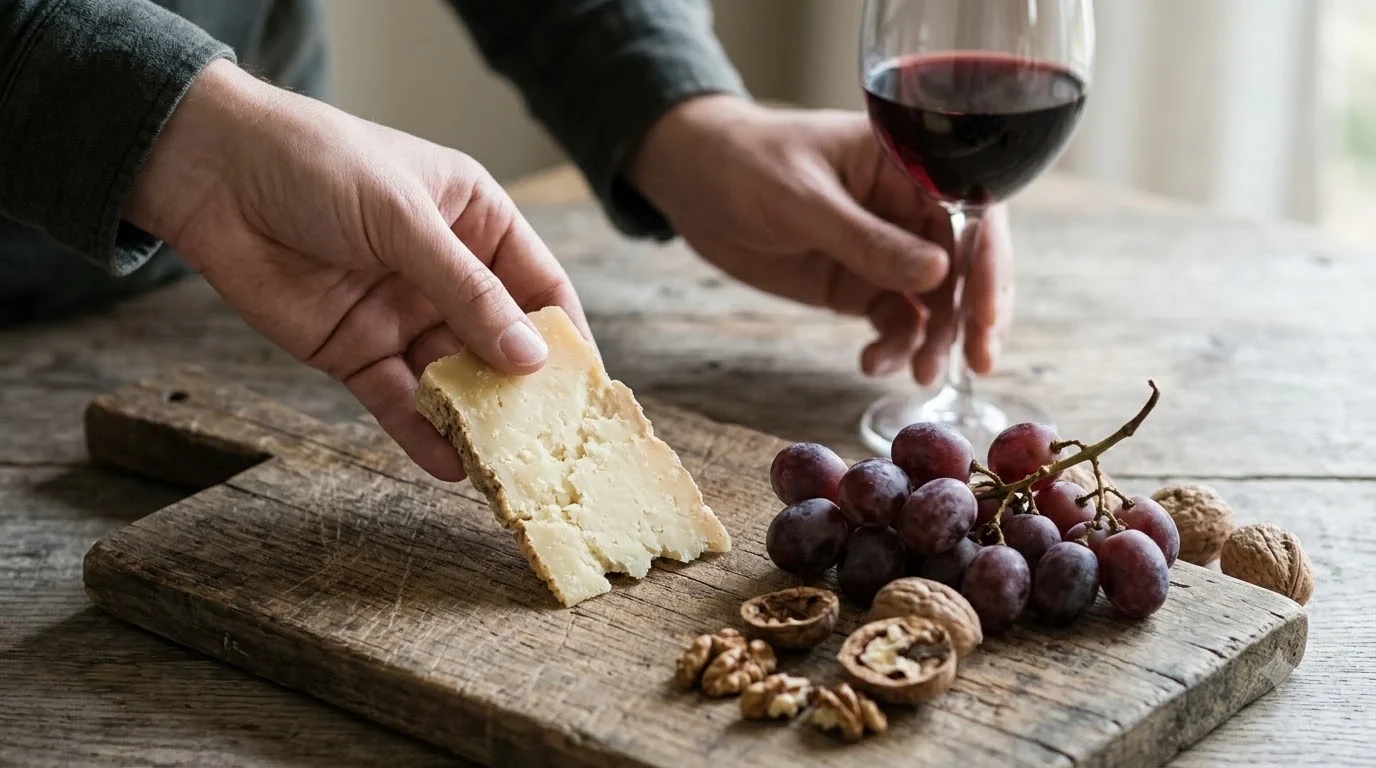
Salty, pungent, and creamy cheeses form the single most dependable category for ruby port because sodium and butterfat tame the wine’s sweetness while the wine’s fruit softens sharp, funky cheese edges. Blue cheeses lead the pack, though soft-ripened bloomy-rind styles and select aged firm cheeses work remarkably well too.
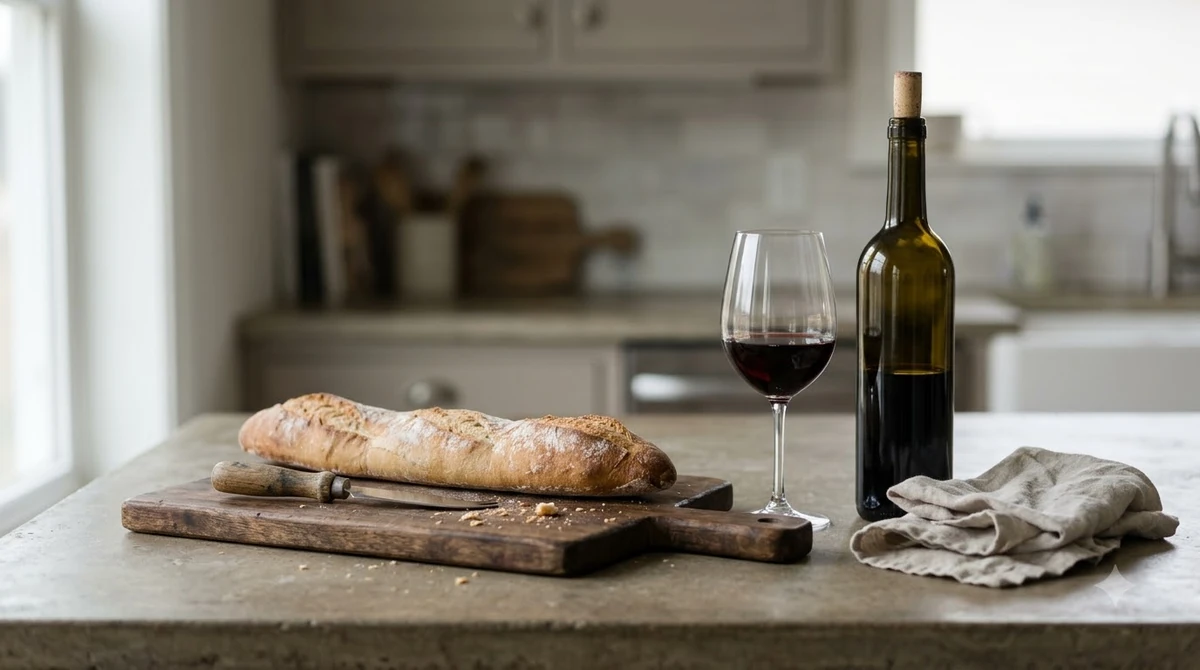
Stilton and ruby port are a textbook culinary partnership for a clear chemical reason. As noted in Wine Folly’s guide to Port styles and pairings, pairing a stinky blue cheese with ruby port creates a sweet-and-savory equilibrium where the wine feels less cloying and the cheese loses its harsh edge, blending on the palate into flavors reminiscent of cherries, cinnamon, and cream. Roquefort, Gorgonzola Dolce, and American blue cheeses like Point Reyes Original Blue deliver that same electric contrast, especially when served with crusty walnut bread or fresh figs.
If blue cheese feels too intense for your guests, pivot toward soft-ripened or tangy cheeses. Triple-cream Brie, Camembert, and fresh chèvre (goat cheese) bring lactic richness and gentle tang that mirror the bright raspberry and plum notes in young ruby port. Aged sheep’s-milk cheeses such as Manchego or Portuguese Serra da Estrela also hold their own against the wine’s 20% ABV, offering a savory, nutty backdrop that bridges the gap between dessert and a traditional cheese course.
Chocolate and Dessert Pairings That Shine
When pairing ruby port with sweets, the golden rule of dessert wine applies: the wine must taste at least as sweet as the dish on the plate, or the Port will turn thin and sharp. Dark chocolate, berry tarts, and spiced baked goods naturally align with ruby port’s jammy core without pushing sugar levels past the wine’s threshold.
Bittersweet and dark chocolate (70% cacao or higher) are natural allies for ruby port, particularly Reserve Ruby or Late-Bottled Vintage styles. The cocoa’s natural bitterness absorbs the wine’s residual sugar, while dark-cherry and blackberry notes in the glass echo the fruity undertones of single-origin chocolate. Flourless chocolate torte, dark chocolate truffles, and chocolate ganache tartlets are effortless matches. Avoid overly sweet milk chocolate or white chocolate frosting, which can make ruby port taste astringent—those lighter sweets usually pair better when you explore white port food pairing ideas instead.
Fruit-forward and spiced desserts offer an equally rewarding route. Blackberry cobbler, cherry galette, raspberry cheesecake, and warm spiced plum cake mirror the primary fruit aromas built into young Port grapes like Touriga Nacional, Touriga Franca, and Tinta Roriz. Even a simple bowl of fresh macerated berries with lightly sweetened mascarpone turns a casual pour of ruby port into a cohesive finish.
Savory Dishes and Cooking With Ruby Port
Although ruby port usually appears after dinner, its bright berry acidity and savory backbone allow it to cross into savory territory when paired with cured meats, rich pâtés, or reduced into a pan sauce. Treating ruby port as both a beverage and a culinary ingredient unlocks weeknight and dinner-party options well beyond the dessert cart.
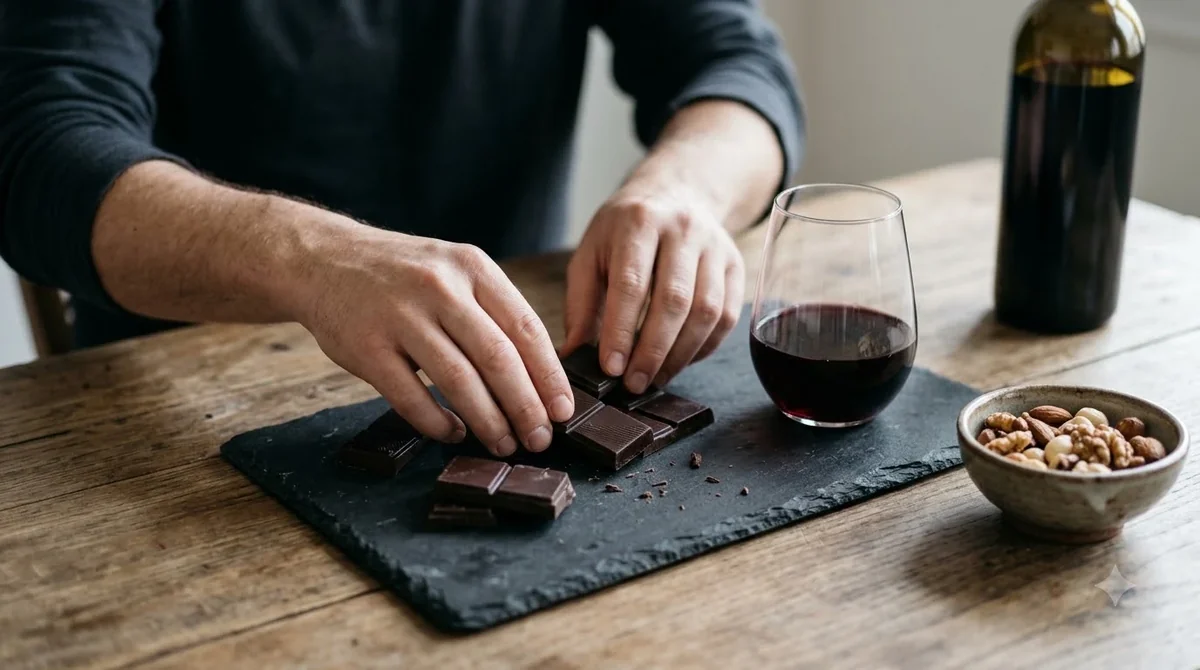
On a charcuterie board, thinly sliced prosciutto, dry-cured salami, and duck rillettes play off ruby port’s fruit sweetness much like cherry preserves or fig jam on a meat platter. Smoked or salted nuts—especially Marcona almonds and toasted walnuts—add crunch and subtle bitterness that keep the palate refreshed between sips. For main courses, a splash of ruby port simmered with shallots, beef stock, and fresh thyme creates a glossy reduction sauce that pairs beautifully with seared duck breast, grilled flank steak, or roasted pork tenderloin, with a small glass of the same bottle poured alongside.
Ruby Port Food Pairing Reference Chart
Use this quick reference table to match specific dishes, flavors, and textures with the right style of ruby port and ideal serving temperature.
| Food Category | Best Specific Dishes | Recommended Ruby Style | Why the Pairing Works |
|---|---|---|---|
| Blue Cheeses | Stilton, Roquefort, Gorgonzola Dolce | Standard Ruby or Reserve Ruby | Sharp salt and tangy blue veins neutralize residual sugar and highlight cherry-spice notes. |
| Soft & Aged Cheeses | Triple-cream Brie, Camembert, Chèvre, Manchego | Standard Ruby | Creamy butterfat and gentle acidity complement fresh raspberry and plum flavors. |
| Dark Chocolate | 70%+ dark chocolate truffles, flourless chocolate torte, brownies | Reserve Ruby or Late-Bottled Vintage (LBV) | Cocoa bitterness balances sweetness while dark berry aromas echo fruity cacao notes. |
| Fruit & Berry Desserts | Blackberry tart, cherry pie, raspberry cheesecake | Standard Ruby or Reserve Ruby | Baked red and black fruit mirrors the wine’s youthful, primary fruit character. |
| Savory Charcuterie & Meats | Prosciutto, duck pâté, steak with Port reduction sauce | Reserve Ruby or LBV | Cured salt and seared umami meat protein tame 19%–20% ABV warmth. |
How to Serve and Store Ruby Port for Best Flavor
Serving temperature, glass shape, and post-opening storage make a noticeable difference in how ruby port tastes alongside food. Serving it too warm exaggerates the 20% alcohol heat, while pouring it into a giant Bordeaux goblet disperses its concentrated fruit aromas too quickly.
Chill your bottle in the refrigerator for about 30 to 45 minutes before serving so it lands between 54°F and 63°F (12°C–17°C)—cool to the touch, never ice-cold. Pour a standard 2- to 3-ounce serving into a small tulip-shaped Port glass or a compact white wine glass, which narrows slightly at the rim to focus berry aromas while keeping alcohol vapors in check. Unlike unfiltered Vintage Port, standard ruby port is fined and filtered before bottling, so you do not need to decant it for sediment.
Tip: Keep opened ruby port sealed tightly in the refrigerator rather than on a warm kitchen counter; cool temperatures preserve its fresh berry snap for two to three weeks after uncorking.
If your meal leans toward toasted nuts, aged cheddar, or caramel desserts rather than fresh berries and dark chocolate, switching styles can make all the difference—see our guide to tawny port food pairing for oxidized, nutty matches, or explore vintage port food pairing when opening an age-worthy single-harvest bottle.
Frequently Asked Questions
What is the single best food pairing with ruby port?
Stilton or Roquefort blue cheese is widely considered the gold-standard pairing for ruby port. The sharp saltiness and creamy texture of blue cheese balance the wine’s sweet berry richness, creating a layered flavor combination of cherries, cream, and warm spice.
Should ruby port be served chilled or at room temperature?
Ruby port should be served slightly chilled at 54°F to 63°F (12°C–17°C) rather than at warm room temperature. Chilling the bottle briefly keeps the 19% to 20% alcohol feeling crisp and refreshing instead of hot or syrupy alongside rich foods.
Can you pair ruby port with savory main dishes?
Yes, especially when the dish features cured meats, duck, pork, or a wine reduction sauce. Simmering ruby port into a pan glaze for seared duck breast or steak bridges the wine’s sweetness with savory umami flavors on the plate.
How long does ruby port stay fresh after opening?
Because ruby port is fortified to roughly 19% to 20% ABV, it lasts much longer than dry table wine once opened. Re-corked and stored in the refrigerator, a bottle maintains vibrant fruit character for two to three weeks.
Great ruby port pairings come down to balancing weight with weight—pairing bold fruit sweetness against sharp salt, rich fat, or dark cocoa bitterness. Keep a slightly chilled bottle on hand for an effortless post-dinner board of blue cheese, toasted walnuts, and dark chocolate, and let the contrast do the work.
More in Wine Types & Grapes
 What Does Mourvèdre Taste Like? Flavor Profile, Regions, and PairingsUpdated Nov 20, 2026
 What Does Marsanne Taste Like? Flavors, Styles, and Food PairingsUpdated Nov 20, 2026
 What Does Malvasia Taste Like? Styles, Flavors, and Food PairingsUpdated Nov 20, 2026
 What Does Grenache Blanc Taste Like? Flavor Profile, Styles, and PairingsUpdated Nov 20, 2026
 What Does Garnacha Taste Like? Key Flavors, Styles, and Pairing TipsUpdated Nov 20, 2026
 What Does Fruit Wine Taste Like? A Complete Flavor and Style BreakdownUpdated Nov 20, 2026