

We may earn a commission when you buy through links on this page, at no extra cost to you. Learn more.
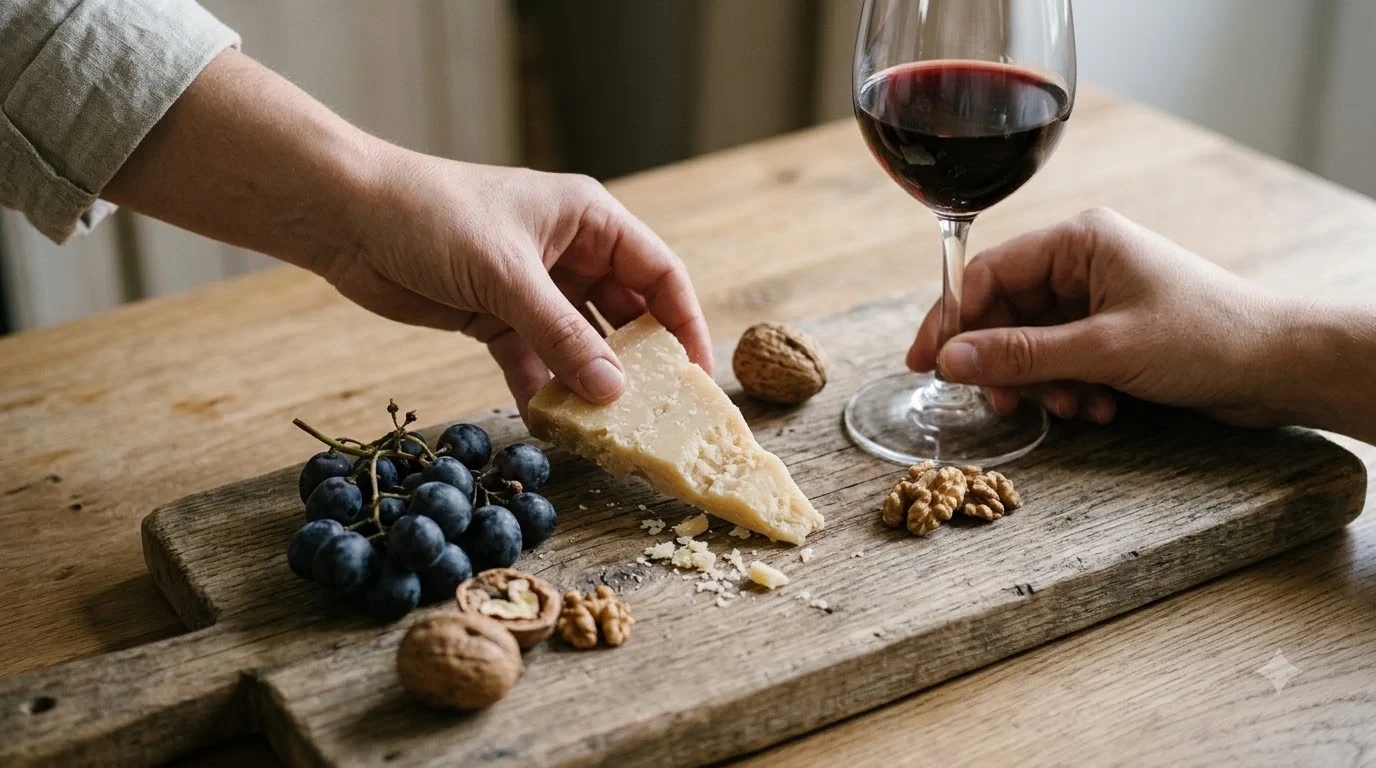
The best port food pairing matches the wine’s sweetness and weight against salty, pungent cheeses, roasted nuts, rich meats, or dark chocolate desserts. Fruity red styles like Ruby, Late-Bottled Vintage (LBV), and Vintage Port stand up to sharp blue cheeses and bittersweet cocoa. Nutty, barrel-aged Tawny Ports complement caramel, toasted almonds, and aged hard cheeses, while crisp White and Rosé Ports work best as chilled aperitifs alongside salted snacks.
Port is often treated strictly as an after-dinner drink, yet its range of sweetness levels, barrel-aging profiles, and colors makes it adaptable across several courses. Understanding how to match each specific style with complementary textures and contrasting flavors turns a single bottle into a versatile centerpiece at the table.
What Is Port Wine?
Port is a fortified wine produced exclusively in Portugal’s Douro Valley by adding neutral grape spirit during fermentation to preserve natural grape sugars. This fortification halts yeast activity early, yielding a rich wine with roughly 18 to 22 percent alcohol by volume (ABV) and noticeable residual sweetness.
Winemakers craft traditional red Port from a blend of indigenous Portuguese grape varieties, primarily Touriga Nacional, Touriga Franca, Tinta Roriz (known elsewhere as Tempranillo), Tinta Barroca, and Tinto Cão. White Ports rely on native white grapes such as Códega, Malvasia Fina, Gouveio, Rabigato, and Verdelho. Because the spirit is added before all sugar ferments out, the resulting wine retains dense fruit concentration, structural grip, and natural sweetness.
That combination of alcohol, sugar, and acidity explains why Port behaves so differently from dry table wines at dinner. While dry red wines rely on tannin and acid to cut through fat, Port uses sweetness and intensity to balance high salt, pungency, and richness on the palate.
Flavor Profiles and Major Port Styles
Port falls into two main aging families—bottle-aged red styles and wood-aged tawny styles—alongside lighter white and rosé expressions. Each category develops distinct aromas and textures that dictate what belongs on the plate beside it.
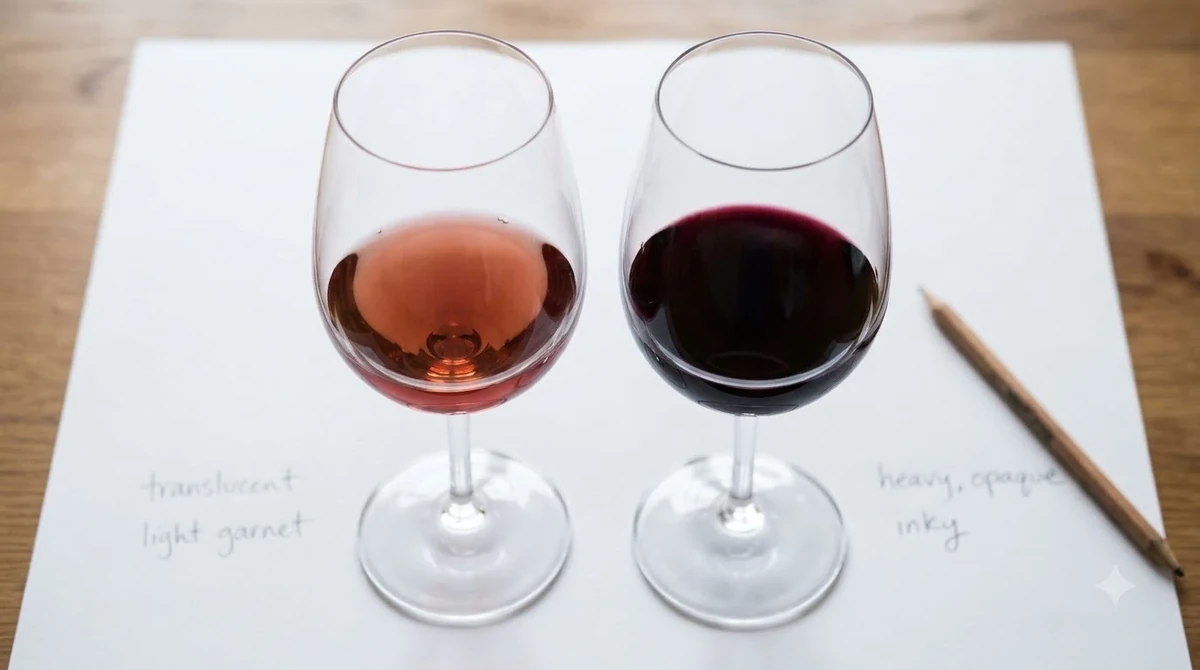
Ruby, Late-Bottled Vintage (LBV), and Vintage Ports are aged primarily in large vats or bottles to limit oxygen exposure and preserve deep purple-ruby color. According to Wine Folly, Ruby and LBV bottlings highlight primary flavors of blackberry, black currant, plum, and dark chocolate with firm tannins. Vintage Port, made only in standout harvest years and aged for decades in glass, gains layered notes of dried fig, leather, and spice while keeping tremendous structural power.
Tawny Ports spend years maturing in smaller oak casks, where gradual oxidation shifts their color to amber-gold and transforms fresh berry fruit into dried apricot, roasted walnut, caramel, and baking spice. Age-indicated Tawnies (10, 20, 30, and 40 Years Old) and single-harvest Colheitas become progressively silkier and more concentrated. White and Rosé Ports offer brighter, lighter profiles—ranging from dry white styles with citrus, almond, and honeyed notes to young rosé styles bursting with strawberry and raspberry.
How to Serve Port for the Best Pairing Experience
Serving temperature, glassware, and decanting directly influence whether Port tastes balanced or overly alcoholic alongside food. Serving red Port too warm accentuates heat, whereas chilling lighter styles sharpens their refreshing acidity.
According to guidance from the Instituto dos Vinhos do Douro e Porto (IVDP) and traditional Port houses, each style has an ideal temperature range. Rosé Port performs best well-chilled at around 39°F (4°C), and White Port shines between 43°F and 50°F (6°C to 10°C). Tawny Port opens up nicely with a light chill at 50°F to 60°F (10°C to 15°C), while Ruby, LBV, and Vintage Ports show their best structure between 55°F and 65°F (12°C to 18°C).
Unfiltered Vintage Ports and traditional LBVs throw heavy natural sediment as they age, so standing the bottle upright for a day and decanting carefully before service keeps the pour clear. Filtered LBVs, Ruby Ports, Tawnies, and White Ports require no decanting. Use a tulip-shaped glass that tapers slightly toward the rim to focus aromatics without trapping alcohol vapors, and stick to modest 2- to 3-ounce pours.
Tip: Once opened, Tawny Port resists oxidation thanks to its barrel aging and stays fresh in the refrigerator for one to four months, whereas Vintage Port should be finished within two to three days.
Classic Port Food Pairings by Style
Successful pairings rely on two core principles: matching sweetness levels so the food never makes the wine taste sour, or pairing sweetness directly against intense salt and umami. If you are exploring broader wine pairing fundamentals, Port offers one of the clearest demonstrations of flavor contrast in the cellar.
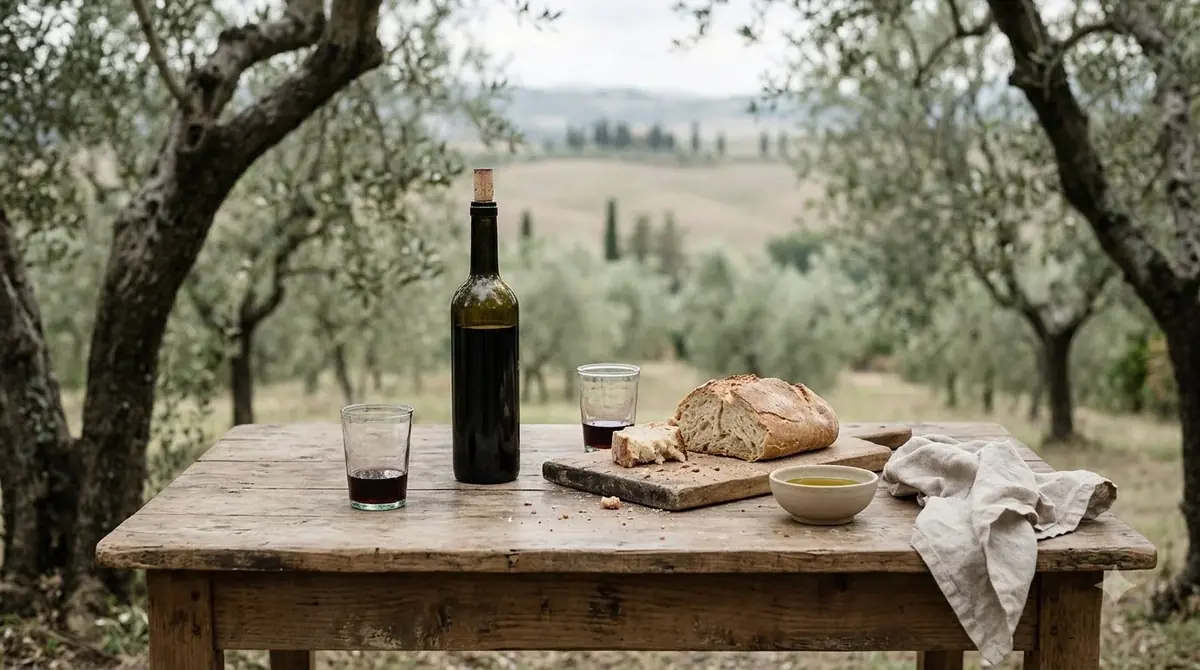
Blue Cheese and Salty Artisanal Cheeses: Stilton, Roquefort, and Gorgonzola are the gold standard for Ruby, LBV, and Vintage Ports. The creamy, pungent saltiness of blue-veined cheese tames the wine’s sweet dark fruit, creating a savory-sweet equilibrium. For aged hard cheeses like Parmigiano-Reggiano, aged Manchego, sharp cheddar, or Gouda, reach for a 10- or 20-Year-Old Tawny whose nutty, caramelized profile mirrors the crystalline amino acids in the cheese.
Chocolate, Caramel, and Fruit Desserts: Dark chocolate desserts—such as flourless chocolate cake, bittersweet truffles, or chocolate tarts—need the bold fruit density and firm tannins of an LBV or Ruby Port. Milk chocolate, pecan pie, crème brûlée, apple tarte Tatin, and Portuguese custard tarts (pastéis de nata) harmonize effortlessly with aged Tawny Port. Avoid pairing red Port with tart citrus desserts, which can clash with heavy tannins; sweeter White Port suits fresh stone fruit or berries instead.
Savory Dishes, Charcuterie, and Starters: As noted by Taylor’s Port, chilled dry White Port served with salted almonds, green olives, or smoked salmon crostini makes a crisp aperitif. Rich duck liver pâté or foie gras on toasted brioche pairs remarkably well with a chilled 20-Year-Old Tawny or White Port, whose acidity cuts through dense fat. While hearty braises or duck breast often call for dry reds in a grenache food pairing or chilled sparkling reds in a lambrusco food pairing, a splash of Ruby Port reduced into a pan sauce bridges the gap between savory roast meats and a glass of LBV.
| Port Style | Key Flavor Notes | Ideal Serving Temp | Top Food Pairings |
|---|---|---|---|
| Ruby Port | Blackberry, plum, sweet cherry, cocoa | 55°F–65°F (12°C–18°C) | Sharp cheddar, Stilton, dark chocolate brownies, berry tarts |
| Late-Bottled Vintage (LBV) | Black currant, dark chocolate, jammy berries, firm tannin | 55°F–65°F (12°C–18°C) | Flourless chocolate cake, Roquefort, aged Parmesan, roasted walnuts |
| Vintage Port | Concentrated dark fruit, dried fig, spice, structured grip | 60°F–65°F (15°C–18°C) | Stilton, Gorgonzola, toasted walnuts, bittersweet chocolate (70%+) |
| Tawny Port (10–20 Yr) | Roasted hazelnut, caramel, dried fig, orange peel, spice | 50°F–60°F (10°C–15°C) | Crème brûlée, pecan pie, aged Manchego, foie gras, apple tart |
| White Port (Dry / Off-Dry) | Citrus zest, almond, honey, baked pear | 43°F–50°F (6°C–10°C) | Salted almonds, smoked salmon crostini, green olives, paté |
| Rosé Port | Fresh strawberry, raspberry, cherry | 39°F–45°F (4°C–7°C) | Prosciutto-wrapped melon, goat cheese, fresh berry desserts |
Port Pairing Mistakes to Avoid
Even high-quality Port can fall flat when paired with ingredients that amplify its sweetness or alcohol in unpleasant ways. Knowing which combinations create friction helps prevent palate fatigue.
Pairing Dry or Bitter Foods Without Salt or Fat: Unsalted, overly bitter dishes or plain dry crackers can make Port taste cloyingly sweet and heavy. Always anchor the pairing with sufficient salt, creamy fat, or matching sweetness—for example, pairing blue cheese with walnuts and honey alongside Vintage Port rather than serving plain crackers alone.
Matching Heavy Red Port With Light, Acidic Desserts: Lemon tarts, passionfruit curd, and crisp green apple desserts have sharp acidity that makes rich Ruby or Vintage Port taste flat and overly alcoholic. When serving citrus-forward or delicate orchard-fruit desserts, switch to a chilled off-dry White Port or explore a chenin blanc food pairing instead.
Serving Full-Sized Pours at Room Temperature: Pouring six ounces of Port into a warm room-temperature glass quickly overwhelms the palate with heat and sugar. Keeping pours small and slightly chilled preserves the wine’s fresh acidity so each bite of food stays lively.
How to Choose the Right Bottle for Your Menu
Selecting a bottle starts with deciding whether your menu leans toward rich cocoa and pungent blue cheese or caramelized nuts and hard aged cheeses. Checking the label for aging cues makes choosing straightforward.
If your meal features dark chocolate desserts, berries, or creamy blue cheese, look for a Ruby Reserve or a Late-Bottled Vintage (LBV). LBVs come from a single harvest year and spend four to six years in wood before bottling, offering much of Vintage Port’s depth while remaining ready to drink immediately upon release.
If your menu centers on caramel, custard, roasted nuts, aged Gouda, or savory starters like pâté, pick a 10-Year-Old or 20-Year-Old Tawny Port. Always verify that the label states an actual age indication (such as “10 Years Old”) rather than a basic entry-level Tawny, as true aged Tawnies deliver genuine barrel-aged complexity rather than simple blended sweetness. For warm-weather aperitifs, choose a bottle labeled Dry White Port or Chip Dry to serve chilled over ice with tonic and a twist of citrus.
Frequently Asked Questions
Can you serve Port wine with a main course instead of dessert?
Yes, though Port works best with rich, savory main courses rather than delicate dishes. A chilled 20-Year-Old Tawny or Dry White Port pairs well with foie gras, duck liver pâté, or roasted duck, while a splash of Ruby Port reduced into a pan sauce complements braised beef or venison.
What is the best cheese for a classic port food pairing?
Blue cheeses—especially English Stilton, Roquefort, and creamy Gorgonzola—are the classic match for Ruby, LBV, and Vintage Ports because their high salt and pungency balance the wine’s sweet dark fruit. For Tawny Port, aged hard cheeses like Parmigiano-Reggiano, aged Manchego, and sharp farmhouse cheddar are ideal.
Does Port need to be chilled before serving with food?
Yes, every style of Port benefits from being served cooler than warm room temperature. White and Rosé Ports should be chilled to 39°F–50°F (4°C–10°C), Tawny Ports taste best lightly chilled at 50°F–60°F (10°C–15°C), and Ruby or Vintage Ports shine at cellar temperature around 55°F–65°F (12°C–18°C).
How long does an opened bottle of Port stay fresh?
Shelf life depends on how the wine was aged before bottling. Vintage Port oxidizes quickly and should be consumed within two to three days, whereas Ruby and LBV bottles stay fresh for one to two weeks in the fridge, and barrel-aged Tawny Ports remain vibrant for one to four months.
Matching Port with food comes down to balancing the wine’s sweetness and alcohol against salt, roasted nuttiness, or deep cocoa. Whether you pour a chilled Dry White Port before dinner or pass a decanter of LBV beside Stilton and dark chocolate afterward, choosing the right style transforms the final course of any meal.
More in Food & Wine Pairing
 Risotto With White Wine Recipe: Make a Creamy Dinner at HomeUpdated Nov 20, 2026
 Wassail With Wine Recipe for a Festive Spiced Holiday DrinkUpdated Nov 20, 2026
 Spritz Veneziano Recipe: Make a Classic Venetian Aperitivo at HomeUpdated Nov 20, 2026
 Summer Wine Punch Recipe for Easy Homemade EntertainingUpdated Nov 20, 2026
 Bishop Recipe: How to Make a Bright, Citrus-Forward Red Wine CocktailUpdated Nov 20, 2026
 Wine Cupcakes Recipe: Bake Rich Chocolate Cupcakes at HomeUpdated Nov 20, 2026