

We may earn a commission when you buy through links on this page, at no extra cost to you. Learn more.
The best grenache food pairing brings together the wine’s ripe red berry fruit, warm baking spices, and soft tannins with slow-roasted meats, herb-crusted lamb, charred vegetables, and warmly spiced dishes. Because Grenache (known as Garnacha in Spain) offers generous body and moderate acidity without heavy astringency, it handles rich glazes, smoky grill char, and aromatic seasonings like cumin, rosemary, and five-spice powder with ease. Lighter versions and dry Grenache rosés also adapt smoothly to tomato-based soups, charcuterie boards, and grilled seafood.
Few red grapes bridge the gap between weeknight comfort food and special-occasion roasts quite as effortlessly as Grenache. Understanding how its natural fruit weight, alcohol warmth, and gentle tannic grip interact with salt, fat, and spice lets you match nearly any style—from pale Provençal rosé to concentrated old-vine Spanish Garnacha—to the right plate.
What It Is
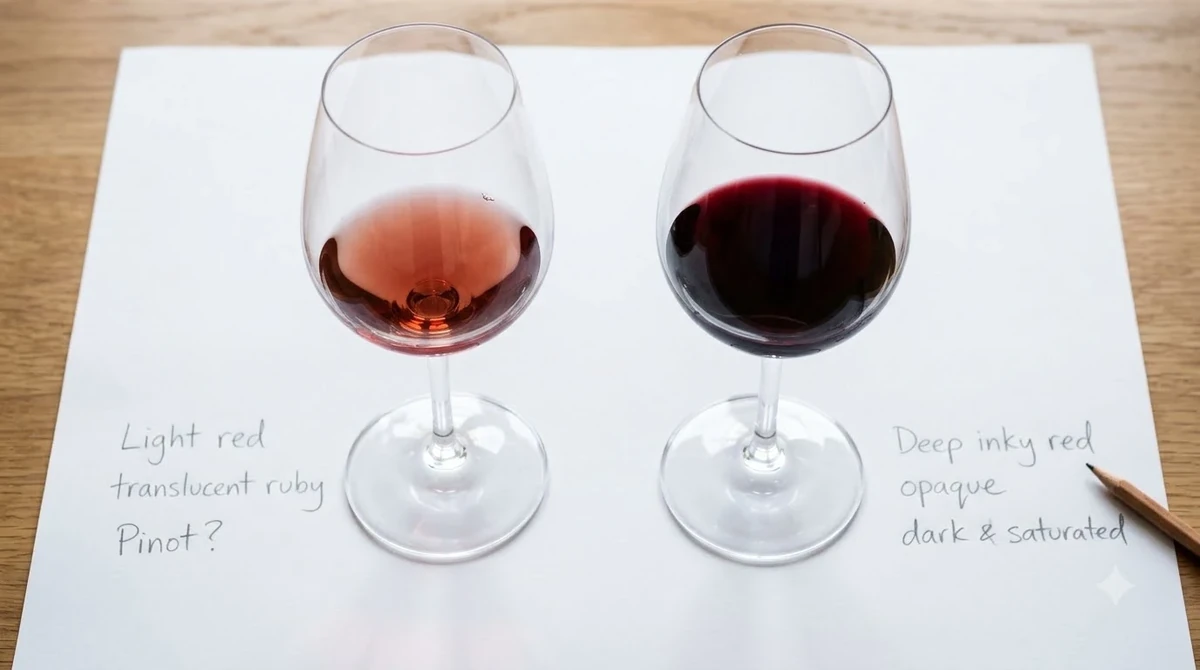
Grenache is a thin-skinned red wine grape believed to have originated in northeastern Spain, where winemakers call it Garnacha, before spreading across southern France and warm wine regions worldwide. Because the skins carry relatively little pigment and tannin compared to varieties like Cabernet Sauvignon, single-varietal bottles often show a translucent ruby hue and a plush, approachable mouthfeel.
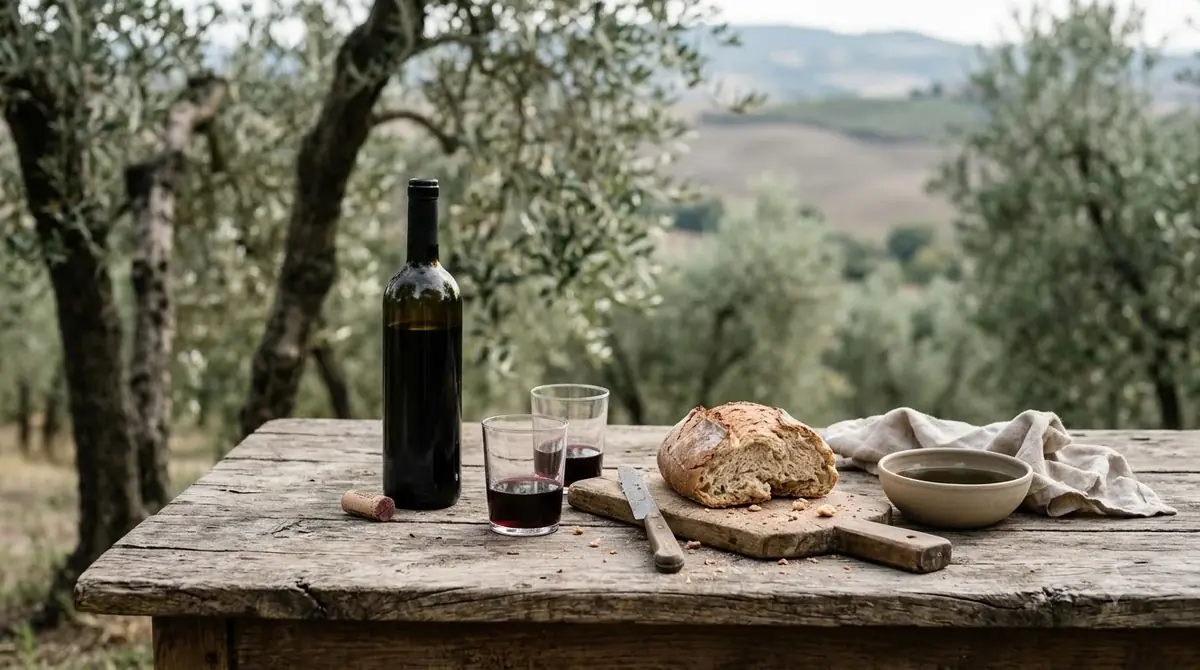
In the vineyard, Grenache thrives in hot, arid, wind-swept climates with long growing seasons that allow the fruit to accumulate high levels of natural sugar. According to Wine Folly’s comprehensive guide to Grenache, this sugar ripeness translates into dry wines with prominent red fruit character, dried herb nuances, and warming alcohol levels that frequently sit between 13.5% and 15.5% ABV.
Beyond single-varietal red wines, Grenache serves as the generous, fruit-driven backbone of famous Mediterranean blends. In France’s Southern Rhône Valley, winemakers routinely blend it with Syrah and Mourvèdre—a combination widely known as a GSM blend—so that Grenache provides plush berry volume while its partners contribute darker color, savory pepper, and firmer structure. Its juicy acidity and aromatic lift also make it one of the world’s premier grapes for dry rosé and fortified sweet wines like Banyuls.
Flavor and Styles
Classic red Grenache leads with vibrant aromas of stewed strawberry, ripe raspberry, red cherry, and grilled plum, layered over savory notes of dried herbs, white pepper, leather, and blood orange peel. Depending on where the vines grow and how the winemaker handles oak aging, a bottle can lean either bright and floral or dense, spicy, and chocolate-toned.
Cooler, higher-elevation sites and minimal new oak produce lighter, nimble expressions bursting with crunchy cranberry, wild mint, and crushed rock minerality. Warmer vineyards and older, low-yielding bush vines yield fuller-bodied, velvety reds packed with black raspberry compote, anise, and sweet baking spices. Meanwhile, Grenache rosé—ranging from pale, crisp Provençal styles to deeper, fuller-bodied Tavel—highlights watermelon, tart strawberry, citrus zest, and wet stone.
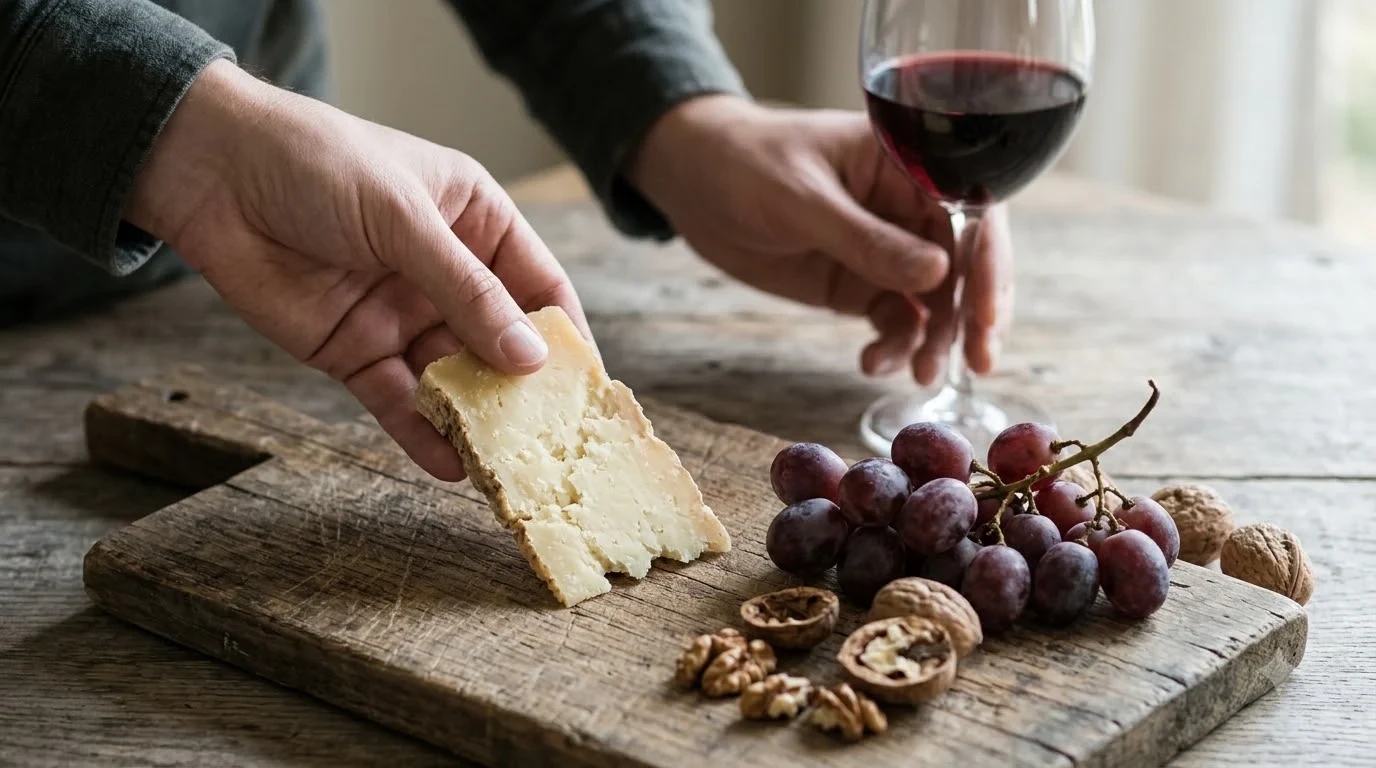
For dessert or cheese courses, fortified Grenache styles such as France’s Banyuls or Spain’s Garnacha Dulce halt fermentation with neutral grape spirit. The resulting wines retain natural grape sweetness alongside concentrated flavors of fig, dark cocoa, walnut, and candied orange, offering a lighter-bodied alternative to traditional port food pairing.
Where It Grows
Spain and France remain the twin heartlands of Grenache, together accounting for the vast majority of global plantings and setting the stylistic benchmarks for the grape. In Spain, Garnacha anchors serious, mineral-driven reds in Priorat and Montsant—where ancient vines rooted in slate soils yield intense, structured wines—as well as vibrant, fruit-forward bottlings in Campo de Borja, Calatayud, and Rioja.
Across the border in France, Grenache dominates the vineyards of the Southern Rhône, including Châteauneuf-du-Pape, Gigondas, Vacqueyras, and everyday Côtes du Rhône. Here, sun-baked galets (rounded river stones) and limestone soils impart signature herbal notes of garrigue—wild thyme, rosemary, and lavender—that make Southern Rhône reds natural companions for Mediterranean cooking. Further south in Languedoc-Roussillon, old-vine Grenache shapes both dry red blends and classic fortified sweet wines.
Outside Europe, warm-climate regions in the New World have embraced the grape with standout results. In California’s Central Coast—particularly Paso Robles, Santa Barbara County, and Monterey—and Washington’s Columbia and Walla Walla Valleys, producers craft expressive single-varietal reds and GSM blends that balance ripe berry fruit with bright natural acidity. Australia’s Barossa Valley and McLaren Vale are equally celebrated for old-vine Grenache, some planted in the nineteenth century, delivering silky texture and vivid red-fruit purity.
How to Serve
Serving red Grenache slightly below traditional room temperature keeps its natural alcohol warmth in check and sharpens its bright red fruit and herbal aromatics. Aim for 55°F to 65°F (13°C to 18°C); putting a room-temperature bottle in the refrigerator for 20 to 30 minutes before pouring brings it right into the sweet spot.
Young, fruit-forward bottles and structured Southern Rhône blends benefit from roughly 30 minutes in a decanter or a wide-bowled universal wine glass to let tight herbal and spicy aromas open up. If you are pouring a dry Grenache rosé, chill it thoroughly to 45°F to 50°F (7°C to 10°C) so its citrus and berry notes stay crisp and refreshing alongside lighter fare.
Tip: Because Grenache naturally carries higher alcohol, avoid pairing high-ABV red bottlings with intensely fiery chili heat—capsaicin amplifies the sensation of alcohol warmth on your palate, whereas aromatic, mild-to-medium spices bring out the wine’s sweet berry fruit.
Food Pairing
A successful grenache food pairing relies on matching the wine’s plush red fruit and gentle tannins against savory, caramelized, or warmly spiced flavors rather than overwhelming it with heavy bitterness or searing heat. When you follow fundamental wine pairing principles, Grenache’s moderate acidity cuts cleanly through rich fats while its peppery, herbal undertones mirror roasted aromatics on the plate.
Roasted and grilled meats sit right at the center of Grenache’s wheelhouse. Herb-crusted rack of lamb with rosemary and garlic echoes the wine’s Mediterranean garrigue notes, while slow-roasted pork shoulder, crispy pork belly, and cherry-glazed pork tenderloin play directly into its ripe strawberry and plum profile. Smoky barbecue ribs, grilled sausages, and duck breast with orange-soy glaze also thrive alongside Grenache’s sweet-savory balance.
Warm, aromatic spices from North African, Middle Eastern, and Asian kitchens open up another dimension of the grape. Dishes seasoned with cumin, allspice, cinnamon, star anise, or Chinese five-spice powder—such as Moroccan lamb tagine with dried apricots, Lebanese seven-spice chicken, or grilled pork skewers—harmonize with Grenache’s natural spice notes without clashing against harsh tannins. Even mildly spiced curries and Mexican mole benefit from the wine’s fruit-driven cushion.
Vegetarian, tomato-based, and cheese-focused plates work equally well when you match the weight of the dish to the style of the bottle. As highlighted in Wine Enthusiast’s guide to pairing wine with soup, full-bodied yet supple reds like Grenache complement the savory sweetness of roasted tomato and red pepper soup while bringing out fresh thyme and basil. Mushroom risotto, eggplant parmigiana, ratatouille, and aged nutty cheeses like Manchego or Comté also make effortless partners, while lighter chilled Grenache or dry rosé steps in smoothly for grilled salmon and tuna.
| Grenache Style | Body & Structure | Best Food Pairings | Why It Works |
|---|---|---|---|
| Light / Cool-Climate Red Grenache | Light-to-medium body, bright acidity, low tannins | Grilled salmon, roasted chicken, mushroom risotto, tomato soup, pizza | High fruit purity and crisp acidity refresh the palate without overpowering delicate proteins or creamy textures. |
| Classic GSM / Côtes du Rhône Blend | Medium-to-full body, moderate tannins, savory spice | Herb-crusted lamb, ratatouille, beef stew, grilled sausages, aged Gouda | Syrah and Mourvèdre add peppery grip for red meat, while Grenache’s berry fruit bridges roasted herbs and garlic. |
| Old-Vine / Full-Bodied Garnacha | Full body, velvety texture, higher alcohol warmth | Crispy pork belly, braised short ribs, Moroccan tagine, five-spice duck, Manchego | Concentrated dark-red fruit and baking spice stand up to rich marbling, caramelized glazes, and warm spices. |
| Dry Grenache Rosé (Provence / Tavel) | Light-to-medium body, crisp acidity, dry finish | Charcuterie, fried fish, paella, grilled shrimp, goat cheese crostini | Zesty citrus and tart berry flavors cut through fried or oily foods while handling garlic and saffron. |
| Fortified Grenache (Banyuls) | Full body, sweet, soft tannins, oxidative depth | Dark chocolate tart, blue cheese, walnut cake, roasted figs | Rich cocoa, dried fruit, and nutty notes match bittersweet chocolate without clashing like dry table reds. |
How to Choose a Bottle
Start by matching the bottle’s regional origin and grape blend to the richness of your menu. If you are serving grilled poultry, tomato-based pasta, or mixed vegetarian dishes, reach for a village-level Côtes du Rhône, a vibrant Spanish Garnacha from Navarra or Campo de Borja, or a cool-climate California Central Coast bottling labeled 100% Grenache.
When the meal centers on marbled beef, slow-braised meats, or richly spiced roasts, look toward regions known for older vines and greater concentration. Châteauneuf-du-Pape, Gigondas, Priorat, and Barossa Valley old-vine bottlings offer deeper color, firmer mineral or tannic backbone, and complex layers of dried fruit, leather, and spice that hold their own beside intense sauces.
Finally, check the label’s alcohol percentage and vintage as quick stylistic clues. Bottles listed around 13.5% to 14% ABV generally emphasize freshness, red berries, and floral lift, whereas bottles at 14.5% to 15.5% ABV deliver riper, more opulent fruit and a plush, warming finish. Most everyday Grenache shines within two to five years of vintage, while top Châteauneuf-du-Pape, Priorat, and old-vine cuvées can evolve gracefully for ten years or more.
Frequently Asked Questions
Is Grenache a good wine to pair with spicy food?
Grenache pairs wonderfully with warm, aromatic spices like cumin, cinnamon, cloves, and five-spice powder, because its ripe red berry fruit echoes those sweet-savory flavors. However, you should avoid serving high-alcohol red Grenache with fiery chili-pepper heat, as alcohol intensifies the burn of capsaicin; for hot dishes, choose a chilled dry Grenache rosé or explore a crisp chenin blanc food pairing instead.
Can you pair red Grenache with fish or seafood?
Yes, lighter-bodied and cool-climate red Grenache bottlings work well with meaty, richer fish such as grilled salmon, seared tuna, or roasted cod topped with tomato or olive sauces. Because Grenache has thin skins and low-to-moderate tannins, serving it with a slight chill prevents the metallic clash that heavy, oak-aged reds often create with seafood.
How does Grenache compare to Pinot Noir at the dinner table?
Both grapes emphasize bright red fruit, translucent color, and moderate tannins, making them versatile food wines, but Grenache comes from warmer climates and carries riper berry sweetness, bolder spice, and higher alcohol. While Pinot Noir excels with delicate dishes like poached salmon or earthy truffle poultry, Grenache handles smoky barbecue, charred lamb, and bold Mediterranean herbs with greater weight.
What cheeses go best with Grenache?
Hard and semi-hard nutty sheep’s and cow’s milk cheeses—especially Spanish Manchego, aged Comté, Gruyère, and aged Gouda—are classic matches for red Grenache. Their salty, caramelized richness softens the wine’s alcohol warmth and highlights its strawberry and dried-herb notes, while a bright lambrusco food pairing or dry Grenache rosé works best for ultra-creamy fresh cheeses.
Whether you uncork a bright, chillable bottle for weeknight roasted vegetables and tomato soup or pour an old-vine blend alongside herb-crusted lamb, Grenache rewards simple, flavor-forward cooking. Keep a slight chill on the glass, lean into herbs and warm spices, and let the grape’s generous red fruit tie the entire table together.
More in Food & Wine Pairing
 Risotto With White Wine Recipe: Make a Creamy Dinner at HomeUpdated Nov 20, 2026
 Wassail With Wine Recipe for a Festive Spiced Holiday DrinkUpdated Nov 20, 2026
 Spritz Veneziano Recipe: Make a Classic Venetian Aperitivo at HomeUpdated Nov 20, 2026
 Summer Wine Punch Recipe for Easy Homemade EntertainingUpdated Nov 20, 2026
 Bishop Recipe: How to Make a Bright, Citrus-Forward Red Wine CocktailUpdated Nov 20, 2026
 Wine Cupcakes Recipe: Bake Rich Chocolate Cupcakes at HomeUpdated Nov 20, 2026