
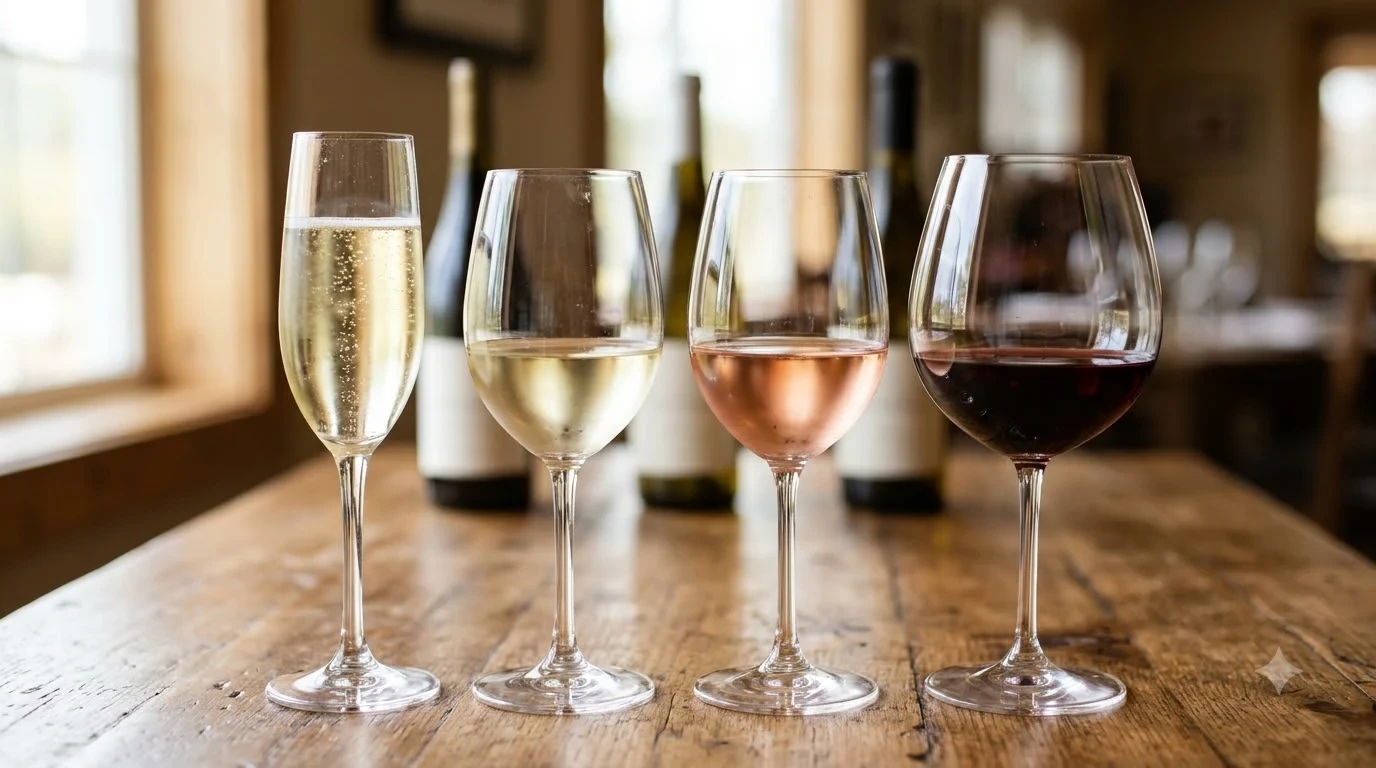

We may earn a commission when you buy through links on this page, at no extra cost to you. Learn more.
If you are wondering where is sparkling wine from, it is produced in cool-to-moderate wine regions around the globe, with iconic origins in France, Italy, Spain, England, South Africa, and the United States. While France’s Champagne region is the most famous benchmark, winemakers on nearly every continent craft bubbly using distinct local grapes and fermentation techniques. Historically, the earliest documented French sparkling wine dates back to 1531 in Limoux, while 17th-century English glassmakers pioneered the thick bottles strong enough to hold pressurized bubbles.
Because sparkling wine is defined by dissolved carbon dioxide rather than a single geographic boundary, a bottle of bubbly can come from chalky hillsides in northern France, sunny Mediterranean vineyards in Catalonia, or coastal valleys in California. Understanding how climate, regional laws, and winemaking methods intersect makes it much easier to read labels and find a bottle that fits your palate.
What Is Sparkling Wine?
Sparkling wine is any wine containing significant levels of carbon dioxide that create effervescence when poured, achieved either through a second fermentation or direct carbonation. Unlike still wine by type, bubbly requires specialized pressure-resistant glass bottles and reinforced closures to safely contain the dissolved gas.
The character of any sparkling wine depends heavily on how those bubbles are captured. In the Traditional Method—known in France as Méthode Traditionnelle or Méthode Champenoise—a dry still base wine undergoes a second fermentation inside the individual bottle you eventually buy. Yeast consumes added sugar and produces both alcohol and trapped carbon dioxide, then rests against the wine as dead yeast cells (lees), creating fine, persistent bubbles and rich notes of brioche, toasted almond, and biscuit.
By contrast, the Tank Method (or Charmat Method) conducts that second fermentation inside a large, pressurized stainless-steel tank before bottling under pressure. Because the wine has minimal contact with lees and never ages in individual bottles before release, Tank Method sparklers preserve bright, fresh primary fruit and floral aromas with larger, livelier bubbles. A third, ancient approach called Méthode Ancestrale (often labeled Pétillant Naturel or Pét-Nat) bottles still-fermenting wine before all natural grape sugars finish converting, yielding a rustic, lightly fizzy style sealed under a crown cap.
Where Sparkling Wine Comes From: Top Regions
Sparkling wine originates primarily in cool climates where grapes retain crisp natural acidity, spanning historic European appellations and acclaimed New World regions. Cool growing conditions prevent grapes from becoming overly sugary, ensuring the finished wine tastes refreshing rather than heavy.
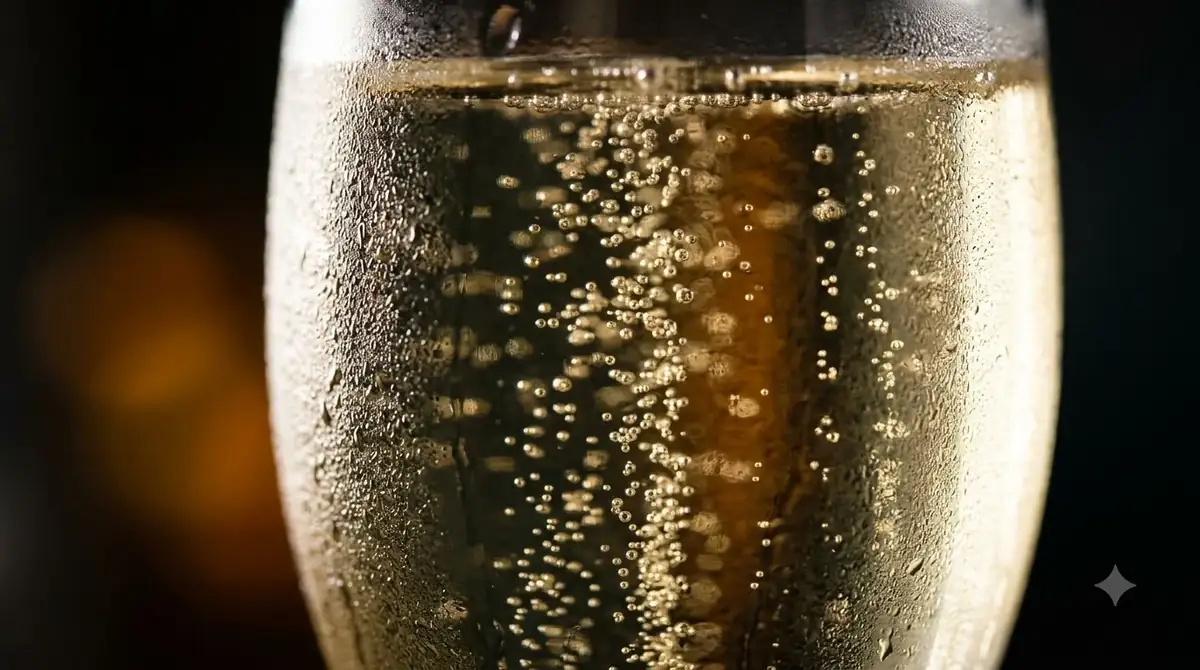
France remains the global epicenter of sparkling wine, led by Champagne—located roughly 80 miles northeast of Paris—where strict appellation laws govern blends of Chardonnay, Pinot Noir, and Pinot Meunier. Beyond Champagne, France encompasses 23 other sparkling wine regions, including Limoux in Languedoc-Roussillon, where Benedictine monks recorded sparkling Blanquette de Limoux production in 1531, as well as Crémant appellations in Alsace, Burgundy, and the Loire Valley.
Italy and Spain offer vastly different regional expressions. In northeastern Italy’s Veneto region—particularly around Conegliano and Valdobbiadene north of Venice—winemakers use the Glera grape and the Tank Method to produce fruity, aromatic Prosecco, while northern Italian regions like Franciacorta and Trentodoc use the Traditional Method. In Spain, Cava is a protected designation centered overwhelmingly in Catalonia’s Penedès region, where native Macabeo, Xarel·lo, and Parellada grapes undergo Traditional Method bottle fermentation for a crisp, earthy, and savory profile.
Outside these classic European trio powerhouses, cool-climate regions worldwide have earned international acclaim. Southern England—especially Kent, Surrey, and Sussex—shares chalky soils with Champagne and crafts crisp, apple-scented Traditional Method sparklers. Germany and Austria produce Sekt (often from aromatic Riesling), South Africa makes Traditional Method Cap Classique, and California’s cool coastal appellations such as Sonoma and Anderson Valley craft vibrant sparkling wines from Chardonnay and Pinot Noir.
| Region / Style | Country | Primary Grapes | Production Method | Signature Flavor Profile |
|---|---|---|---|---|
| Champagne | France | Chardonnay, Pinot Noir, Pinot Meunier | Traditional Method | Green apple, citrus zest, brioche, toasted almond |
| Crémant (Loire, Alsace, Burgundy) | France | Chenin Blanc, Pinot Blanc, Chardonnay, Pinot Noir | Traditional Method | Orchard fruit, honeysuckle, subtle pastry |
| Prosecco (Veneto) | Italy | Glera | Tank (Charmat) Method | Pear, white peach, honeydew melon, white flowers |
| Franciacorta & Trentodoc | Italy | Chardonnay, Pinot Nero | Traditional Method | Lemon curd, hazelnut, crisp mineral notes |
| Cava (Catalonia) | Spain | Macabeo, Xarel·lo, Parellada | Traditional Method | Meyer lemon, green almond, earthy herb, toast |
| Cap Classique | South Africa | Chardonnay, Pinot Noir, Chenin Blanc | Traditional Method | Ripe citrus, white peach, light biscuit |
| California Coastal Sparkling | United States | Chardonnay, Pinot Noir | Traditional Method | Crisp apple, Meyer lemon, strawberry, cream |
Flavor Profiles and Sweetness Levels
Sparkling wine flavors span from razor-sharp, mineral-driven, and bone-dry to lush, floral, and dessert-sweet, depending on grape varieties, lees aging, and added dosage. Before corking a Traditional Method bottle, winemakers add a small mixture of wine and sugar called dosage to balance bracing acidity.
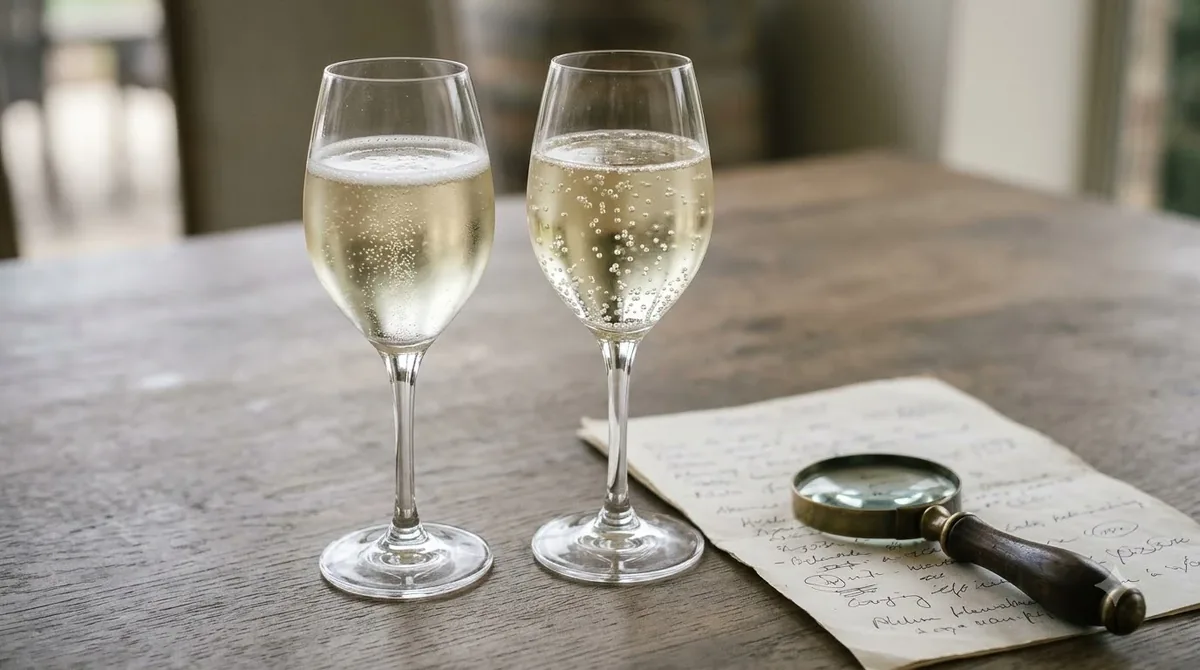
Because sparkling wine carries high natural acidity, even dry bottles contain trace amounts of sugar to round out sharp edges on the palate. Label terms communicate exact residual sugar thresholds measured in grams per liter, though one historical quirk often trips up shoppers: a bottle labeled Extra Dry is actually noticeably sweeter than one labeled Brut.
- Brut Nature (0–3 g/L residual sugar): Bone-dry with no added dosage, highlighting pure fruit, chalky minerality, and taut acidity.
- Extra Brut (0–6 g/L residual sugar): Very dry and crisp, offering clean citrus and green apple notes with minimal softening.
- Brut (0–12 g/L residual sugar): The classic dry benchmark for Champagne, Cava, and Crémant, balancing lively freshness with subtle richness.
- Extra Dry (12–17 g/L residual sugar): Off-dry with a soft, rounded hint of sweetness, common in everyday Prosecco.
- Dry / Sec (17–32 g/L residual sugar): Lightly sweet, pairing fruit-forward flavors with refreshing bubbles.
- Demi-Sec (32–50 g/L residual sugar) and Doux (50+ g/L residual sugar): Richly sweet styles suited for fruit tarts, pastries, and spiced dishes.
Grape choice also shapes what you smell and taste. White-fleshed grapes like Chardonnay and Glera bring citrus, pear, and floral lift, while red grapes pressed gently without skin contact—such as Pinot Noir—add body, red berry nuances, and structure. If winemakers allow brief skin contact or blend in still red wine, the result is sparkling rosé, offering vibrant notes of wild strawberry and raspberry alongside refreshing acidity, much like lighter red varieties explored in guides to where is Merlot from and where is Syrah from.
How to Serve Sparkling Wine Properly
Sparkling wine tastes best well chilled between 38°F and 50°F (3°C to 10°C) in a tulip-shaped glass that preserves bubbles while letting complex aromas open up. Serving bubbly too warm causes carbon dioxide to escape rapidly and emphasizes alcohol, whereas freezing temperatures mute delicate fruit and pastry nuances.
According to wine educators at Wine Folly, crisp everyday sparklers shine at the cooler end of the spectrum (38°F to 45°F), while complex, lees-aged Traditional Method bottles reveal richer toasted and nutty aromatics closer to white wine temperatures (46°F to 50°F). Chilling a bottle in the refrigerator takes at least two hours, though submerging the bottle in a bucket filled with equal parts ice and cold water chills it evenly in roughly 20 to 30 minutes.
When opening the bottle, keep one hand firmly over the cork after removing the wire cage, tilt the bottle at a 45-degree angle, and twist the base of the bottle—not the cork—so the pressure releases with a quiet sigh rather than a loud pop. While tall, narrow flutes showcase rising streams of bubbles, a tulip glass or standard white wine glass gives aromatic wines room to breathe so you can actually smell the citrus, orchard fruit, and brioche notes.
Tip: Never chill sparkling wine in the freezer and forget it—rapid freezing can push out the cork or shatter the glass bottle, while ruining the delicate mousse.
Food Pairing with Sparkling Wine
Sparkling wine is one of the most versatile food companions at the table because its high acidity and scrubbing carbonation cut cleanly through rich, salty, and fried foods. Rather than overwhelming delicate ingredients, effervescence refreshes the palate between every bite.
Dry Traditional Method wines like Brut Champagne, Cava, and Crémant pair effortlessly with salty snacks, triple-cream cheeses, oysters, sushi, and crispy fried chicken or tempura vegetables. The toasted, nutty notes developed during lees aging mirror golden crusts and roasted flavors, while bright acidity slices straight through butter, oil, and creamy sauces.
Fruit-forward, slightly off-dry styles such as Extra Dry Prosecco or Riesling Sekt excel alongside cured meats like prosciutto-wrapped melon, mild soft cheeses, and spicy Southeast Asian dishes such as Pad Thai, where a touch of residual sugar tames chili heat. For sweeter Demi-Sec sparklers or aromatic Italian Moscato d’Asti, lean toward fruit-driven desserts like berry pavlova, almond biscotti, or lemon tarts rather than heavy dark chocolate—which pairs better with fortified styles discussed in our guide on where is Port from.
How to Choose a Bottle of Sparkling Wine
Choosing the right sparkling wine comes down to matching the production method, origin, and sweetness term on the label to your occasion and flavor preference. A quick scan of three details on the front label tells you nearly everything you need to know before pulling the cork.
First, look for the production method or regional designation to decide between crisp pastry complexity and fresh orchard fruit. As editors at Wine Enthusiast highlight, bottles labeled Champagne, Crémant, Cava, Franciacorta, Trentodoc, or Cap Classique are fermented inside the bottle and offer fine bubbles with subtle brioche or almond character. If you prefer vibrant pear, peach, and floral notes for casual aperitifs or spritzes, reach for Prosecco or Tank Method sparklers.
Second, check the sweetness designation and vintage clues. Choose Brut Nature, Extra Brut, or Brut for dinner pairings and crisp, dry refreshment, or pick Extra Dry and Demi-Sec when serving brunch pastries, spicy takeout, or dessert. Finally, notice whether the label says NV (Non-Vintage)—meaning the winemaker blended multiple harvest years for a consistent house style—or displays a specific harvest year, which signals a single-vintage bottling aged longer on the lees for deeper richness.
Frequently Asked Questions
Is all sparkling wine Champagne?
No, Champagne is a specific type of sparkling wine that can legally only come from the Champagne region of northern France and follow strict regional production rules. Sparkling wines made elsewhere using the exact same grapes and bottle-fermentation method are called Crémant in other French regions, Cava in Spain, Franciacorta in Italy, or simply sparkling wine in the United States.
Which country makes the best sparkling wine?
France sets the classic benchmark with Champagne and its 23 other sparkling wine regions, while Italy and Spain lead global production with Prosecco, Franciacorta, and Cava. Today, cool-climate regions in England, California, South Africa, Germany, and Australia also produce world-class Traditional Method sparkling wines prized by sommeliers.
What is the difference between Brut and Extra Dry sparkling wine?
Brut is drier than Extra Dry, containing between 0 and 12 grams of residual sugar per liter compared to 12 to 17 grams per liter in Extra Dry bottlings. If you want a crisp, dry sparkling wine without noticeable sweetness, look for Brut, Extra Brut, or Brut Nature on the label.
How long does an opened bottle of sparkling wine last?
When sealed tightly with a hinged sparkling wine stopper and stored upright in the refrigerator, an opened bottle stays fizzy and fresh for two to three days. Traditional Method wines with higher bottle pressure typically retain their bubbles slightly longer than Tank Method sparklers like Prosecco.
Whether poured from a chalk cellar in northern France, a sunny hillside in Catalonia, or a cool coastal vineyard in California, sparkling wine reflects the climate and craft of its home region. Once you know how origin, fermentation method, and sweetness terms shape what is inside the glass, exploring bubbles from around the world becomes effortless.
More in Wine Types & Grapes
 Zinfandel Sugar Content: Dry Red vs. White Zinfandel GramsUpdated Nov 21, 2026
 Best Zinfandel Substitute Options for Sipping and CookingUpdated Nov 21, 2026
 Zweigelt Food Pairing: Best Dishes, Cheeses, and Serving TipsUpdated Nov 21, 2026
 Zinfandel Tannins Explained: How Structure Shapes Every BottleUpdated Nov 21, 2026
 Zinfandel Sweetness Level: Dry Red vs. Sweet White Zin ExplainedUpdated Nov 21, 2026
 Xinomavro Food Pairing: Best Dishes, Styles, and Serving TipsUpdated Nov 21, 2026