


We may earn a commission when you buy through links on this page, at no extra cost to you. Learn more.
The ideal white port serving temperature is between 43°F and 54°F (6°C to 12°C), depending on the style and age of the wine. Younger, drier white ports taste brightest when well chilled at 43°F to 50°F (6°C to 10°C), while richer, oak-aged white ports show greater aromatic depth slightly warmer at 50°F to 54°F (10°C to 12°C). Because white port carries 18% to 20% ABV, serving it chilled keeps the spirit integrated and preserves its crisp citrus and stone fruit notes.
Unlike red fortified styles that rely on cool cellar temperatures to soften tannins, white port is built around freshness, bright acidity, and golden orchard fruit. Getting the chill right transforms a bottle that might otherwise feel heavy or fiery into a crisp, aromatic aperitif or an expressive after-dinner pour. Whether you are pouring a young dry bottle straight from the refrigerator or uncorking a barrel-aged reserve, small shifts in temperature change how the wine smells, feels, and tastes on the palate.
What White Port Is
White port is a fortified wine made in Portugal’s Douro Valley from indigenous white grape varieties rather than the red grapes used in ruby and tawny styles. Winemakers halt fermentation early by adding neutral grape spirit, leaving behind varying levels of natural grape sugar and raising the final alcohol to roughly 18% to 20% ABV.
According to Wine Folly, white port is frequently crafted from a field blend of local Douro white grapes including Códega, Malvasia Fina, Esgana Cão, Gouveio, Rabigato, and Verdelho. After fortification, the wine typically spends two to three years aging in oak or stainless steel before bottling, though specialty reserves can age in wood for a decade or longer. That combination of elevated alcohol, residual sugar, and white-grape acidity is the exact reason temperature control matters so much before you pour.
Because white port contains no red-wine tannins, it does not need warmth to feel smooth in the mouth. Instead, a proper chill tightens its structure, emphasizes zesty citrus and floral notes, and prevents the added grape spirit from dominating the nose. In the glass, colors range from pale straw in youth to deep golden amber—and occasionally a faint pinkish tint—in older barrel-aged expressions.
Serving Temperature by White Port Style
Not every bottle of white port belongs at the exact same temperature, because sweetness level and barrel age shift how the wine responds to cold. Younger, drier bottlings thrive straight out of a standard refrigerator, while older, sweeter, or oxidative styles benefit from warming up for ten to fifteen minutes on the counter.

The Instituto dos Vinhos do Douro e Porto (IVDP) recommends serving standard white port—both modern crisp styles and traditional bottlings—between 43°F and 50°F (6°C to 10°C). At this brisk temperature, extra-dry and dry white ports feel snappy and refreshing, making them ideal pre-dinner pours. Meanwhile, producers like Cálem Porto note that 50°F to 54°F (10°C to 12°C) hits the sweet spot for allowing complex aromas to open without letting the alcohol stand out.
Sweeter white ports labeled Lágrima—Portuguese for “tears,” referencing the slow legs that form inside the glass—carry higher residual sugar and richer honeyed weight. Serving Lágrima near 46°F to 50°F (8°C to 10°C) keeps the sweetness lively rather than syrupy. Conversely, 10-year, 20-year, or Colheita white ports gain roasted nut, dried apricot, and caramel flavors from prolonged wood aging; pouring them at the warmer end of the range, around 50°F to 54°F (10°C to 12°C), lets those secondary aromas shine.
| Port Style | Serving Temperature (°F) | Serving Temperature (°C) | Chilling Approach |
|---|---|---|---|
| Young Dry & Off-Dry White Port | 43°F–50°F | 6°C–10°C | Well chilled in the fridge for 2 to 3 hours |
| Sweet (Lágrima) White Port | 46°F–50°F | 8°C–10°C | Well chilled to balance higher residual sugar |
| Aged White Port (10+ Years) | 50°F–54°F | 10°C–12°C | Chilled, then rested 10 minutes before pouring |
| Tawny Port | 50°F–57°F | 10°C–14°C | Lightly chilled in the fridge for 30 to 45 minutes |
| Ruby & LBV Port | 55°F–64°F | 13°C–18°C | Cool cellar temperature, slightly below room temp |
| Vintage Port | 63°F–65°F | 17°C–18°C | Cool room temperature after decanting |
Why Temperature Changes White Port Flavor
Serving temperature governs the balance between aroma volatility, perceived sweetness, and alcohol heat in every fortified wine. When white port gets too warm, ethanol evaporates rapidly from the surface of the glass, creating a sharp, spirit-forward aroma that masks delicate orchard fruit.
On the other end of the spectrum, serving white port ice-cold—below 40°F (4°C)—numbs your taste buds and suppresses aromatic compounds. If a bottle sits in the back of a very cold refrigerator or rests in an ice bucket for too long, the wine can taste muted and one-dimensional, hiding the honey, toasted almond, and orange peel nuances that separate quality Douro white port from simple table wine.
When you land in the 43°F to 54°F (6°C to 12°C) window, acidity feels crisp, residual sugar tastes balanced, and the 18% to 20% alcohol stays tucked neatly into the wine’s body. If you are exploring other wine styles by type, white port behaves much closer to an aromatic dry white or a medium-sweet Riesling at the table than to a heavy red dessert wine.
How to Chill, Pour, and Serve White Port
Preparing a bottle of white port requires zero decanting and minimal fuss, making it one of the easiest fortified wines to serve at home. Because white port does not throw heavy sediment like older red bottles, you can twist off the stopper or pull the cork and pour straight from the bottle.
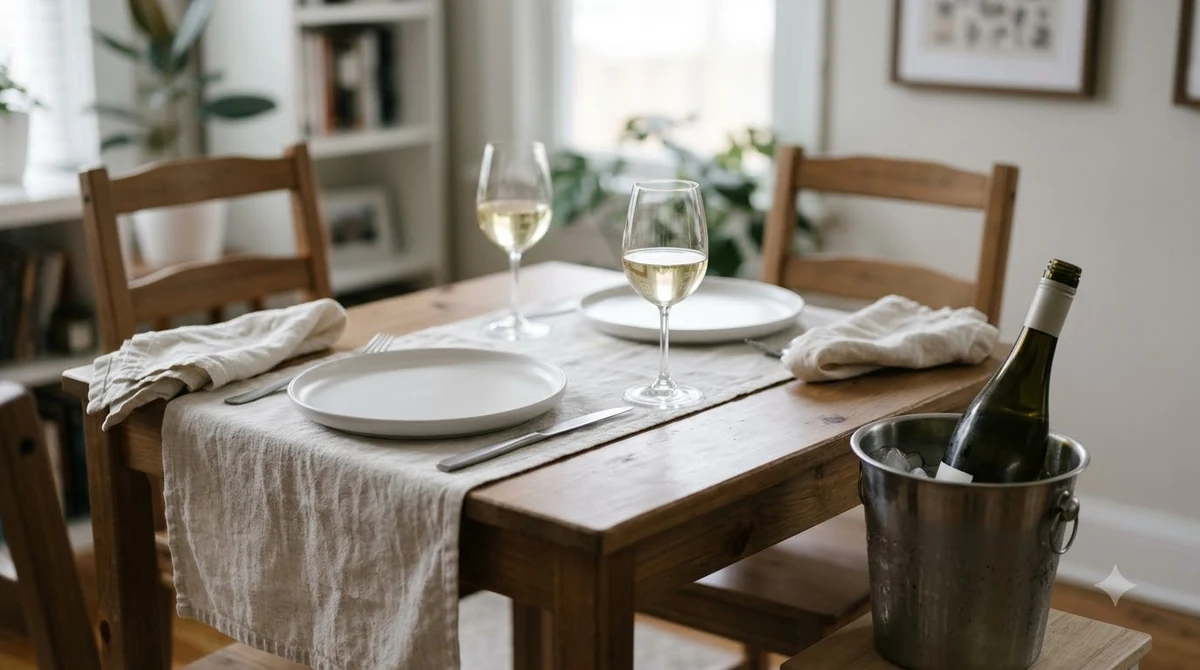
To hit the ideal range from room temperature, place an unopened bottle in a standard household refrigerator (typically set around 38°F to 40°F) for two to three hours. If you are short on time, submerge the bottle in an ice-and-water bath for 20 to 25 minutes until the glass feels brisk to the touch. Avoid putting ice cubes directly into a glass of neat white port, as melting ice dilutes the wine’s texture and dulls its aromatics.
Glassware also shapes the experience. While tiny cordial glasses were once common, Sandeman recommends using a larger tulip-shaped wine glass with a capacity of at least 35 centiliters (about 12 ounces). A standard white wine glass or tulip copita gives the wine room to swirl while narrowing toward the rim to concentrate citrus, white flower, and nutty aromas. Pour a modest 2.5- to 3-ounce serving so the wine stays cool in your glass before you finish it.
Tip: For a classic Porto aperitif, pour chilled dry white port over ice in a tall highball glass, top with crisp tonic water, and garnish with a fresh mint sprig or lemon twist—the one time ice belongs in your glass.
Comparing White Port to Other Port Temperatures
Every style of port occupies its own serving temperature tier based on grape color, oak aging, and tannin structure. White port sits at the coolest end of the spectrum alongside rosé port, whereas red styles step progressively warmer as body and tannin increase.
A lightly chilled tawny port serving temperature typically falls between 50°F and 57°F (10°C to 14°C), just a few degrees warmer than aged white port. Both styles gain nutty, caramelized complexity from oxidative barrel aging, so neither benefits from being served at warm room temperature. Moving into red fruit-driven styles, the ideal ruby port serving temperature climbs to a cool cellar range of 55°F to 64°F (13°C to 18°C), which keeps vibrant berry flavors lively without making tannins feel astringent.
At the top of the temperature scale sits bottle-aged vintage port. Because these unfiltered wines pack dense dark fruit and firm tannins, the proper vintage port serving temperature is a cool room temperature of 63°F to 65°F (17°C to 18°C) following careful decanting. Knowing where white port sits relative to its red counterparts makes it simple to organize a multi-course tasting from coldest and lightest to warmest and richest.
Food Pairings and Storage After Opening
Serving white port at the right chill unlocks versatile food pairings that span from pre-dinner snacks to fruit-driven desserts. Dry and off-dry white ports served at 43°F to 50°F (6°C to 10°C) pair naturally with salty, savory appetizers—think roasted Marcona almonds, green olives, salted potato chips, cured ham, or fresh oysters.
Richer, sweeter, or 10-year-old white ports served around 50°F to 54°F (10°C to 12°C) bridge effortlessly into cheese and dessert courses. Try an aged white port alongside aged sheep’s milk cheese, blue cheese, almond tarts, crème brûlée, or fresh peaches and figs. The cool serving temperature cuts through creamy textures while the wine’s honeyed, nutty notes echo roasted and caramelized flavors on the plate.
Once opened, store your white port upright in the refrigerator with its T-top cork tightly sealed. According to IVDP storage guidelines, modern crisp white ports stay fresh for 8 to 10 days after opening (and up to a month per Sandeman when kept refrigerated), while traditional and wood-aged white ports hold their flavor for 15 days to several months in the fridge. Keeping the bottle chilled between pours ensures your next glass is already at the right temperature.
Frequently Asked Questions
Should you put white port in the fridge?
Yes, you should chill white port in the refrigerator before serving and store opened bottles upright in the fridge afterward. Two to three hours in a standard fridge brings the wine down to the ideal 43°F to 50°F (6°C to 10°C) range, taming the 18% to 20% alcohol and keeping the citrus and stone fruit aromas crisp.
Do you serve white port over ice?
If you are drinking white port neat, skip the ice because melting cubes dilute the wine and mute its delicate aromas. The main exception is a Porto Tonico cocktail, where dry white port is intentionally poured over ice in a tall glass and topped with tonic water and fresh citrus or mint.
Does white port need to be decanted?
No, white port does not need to be decanted. Unlike Vintage Port, white port is fined and filtered before bottling and does not throw heavy sediment during aging, so you can open the bottle and pour it immediately once chilled.
How long does white port last once opened?
When resealed and stored upright in the refrigerator, a modern young white port lasts roughly 8 to 10 days—and up to a month according to producers like Sandeman. Older, wood-aged white ports are already oxidatively stable and can remain enjoyable in the fridge for one to four months.
Dialing in the right white port serving temperature takes only a short stint in the refrigerator, yet it completely changes how this fortified Portuguese classic shows up in your glass. Aim for 43°F to 50°F (6°C to 10°C) for crisp, youthful bottles and 50°F to 54°F (10°C to 12°C) for barrel-aged reserves to keep the alcohol balanced and the orchard fruit vibrant. Keep an opened bottle upright in the fridge, pour into a tulip-shaped white wine glass, and enjoy a refreshing alternative to standard aperitifs and dessert wines.
More in Wine Types & Grapes
 Zinfandel Sugar Content: Dry Red vs. White Zinfandel GramsUpdated Nov 21, 2026
 Best Zinfandel Substitute Options for Sipping and CookingUpdated Nov 21, 2026
 Zweigelt Food Pairing: Best Dishes, Cheeses, and Serving TipsUpdated Nov 21, 2026
 Zinfandel Tannins Explained: How Structure Shapes Every BottleUpdated Nov 21, 2026
 Zinfandel Sweetness Level: Dry Red vs. Sweet White Zin ExplainedUpdated Nov 21, 2026
 Xinomavro Food Pairing: Best Dishes, Styles, and Serving TipsUpdated Nov 21, 2026