

We may earn a commission when you buy through links on this page, at no extra cost to you. Learn more.
The ideal vintage port serving temperature is 61°F to 64°F (16°C to 18°C), which sits noticeably below modern American room temperature. Serving vintage port in this slightly cool cellar window keeps its 19% to 20% alcohol integrated while letting dense blackberry, fig, spice, and leather aromatics open cleanly in the glass. If a bottle has been sitting in a 70°F dining room, placing it in a standard kitchen refrigerator for 15 to 20 minutes brings it right into the sweet spot.
Because vintage port spends only about two years in large oak vats before aging unfiltered in glass for decades, how you chill, decant, and pour it matters just as much as the bottle you open. Getting the temperature right prevents alcohol heat from overwhelming delicate mature fruit, ensuring every ounce of a declared vintage shows its true structure.
Why Cellar Temperature Matters for Vintage Port
Vintage port performs best between 61°F and 64°F (16°C and 18°C) because that narrow thermal band balances volatile aromatics against high fortification strength. Major Douro houses such as Taylor Fladgate specify 16°C to 18°C on their classic vintage technical sheets for exactly this reason.
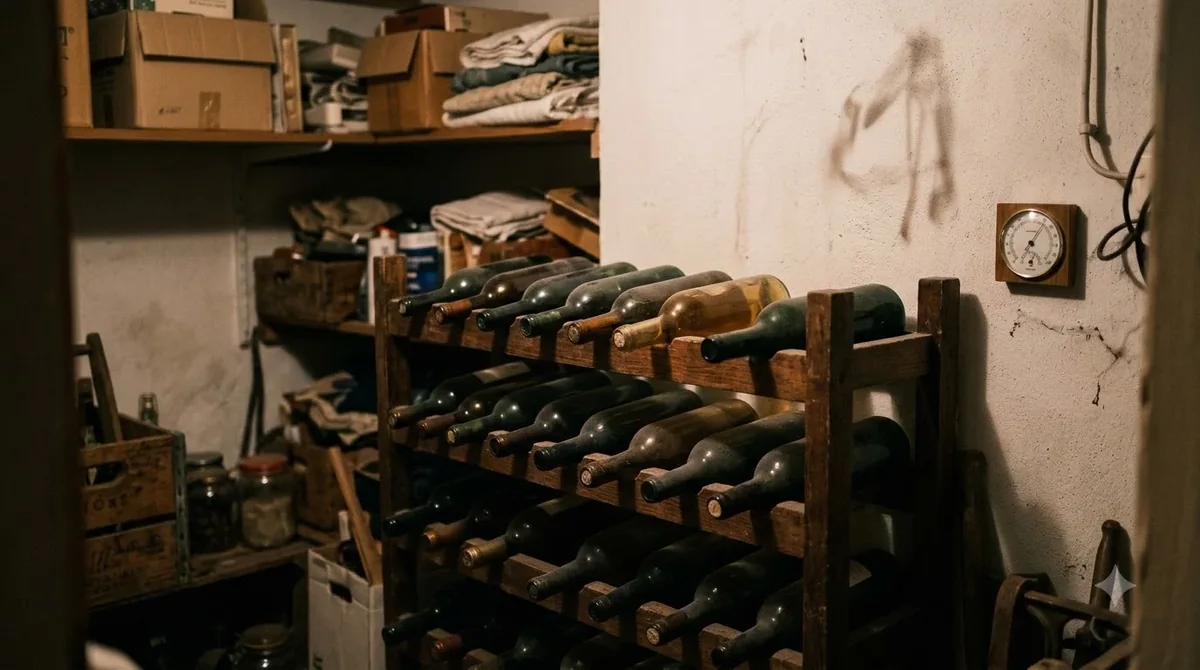
At typical American living-room temperatures of 68°F to 74°F, ethanol evaporates far faster from the surface of the wine. Instead of smelling crushed blackberry, dark chocolate, dried fig, or cedar, your nose hits a sharp wave of spirit that masks the layered complexity built up over decades in bottle. Even a five-degree climb above 65°F can make a youthful vintage port feel hot and heavy on the finish.
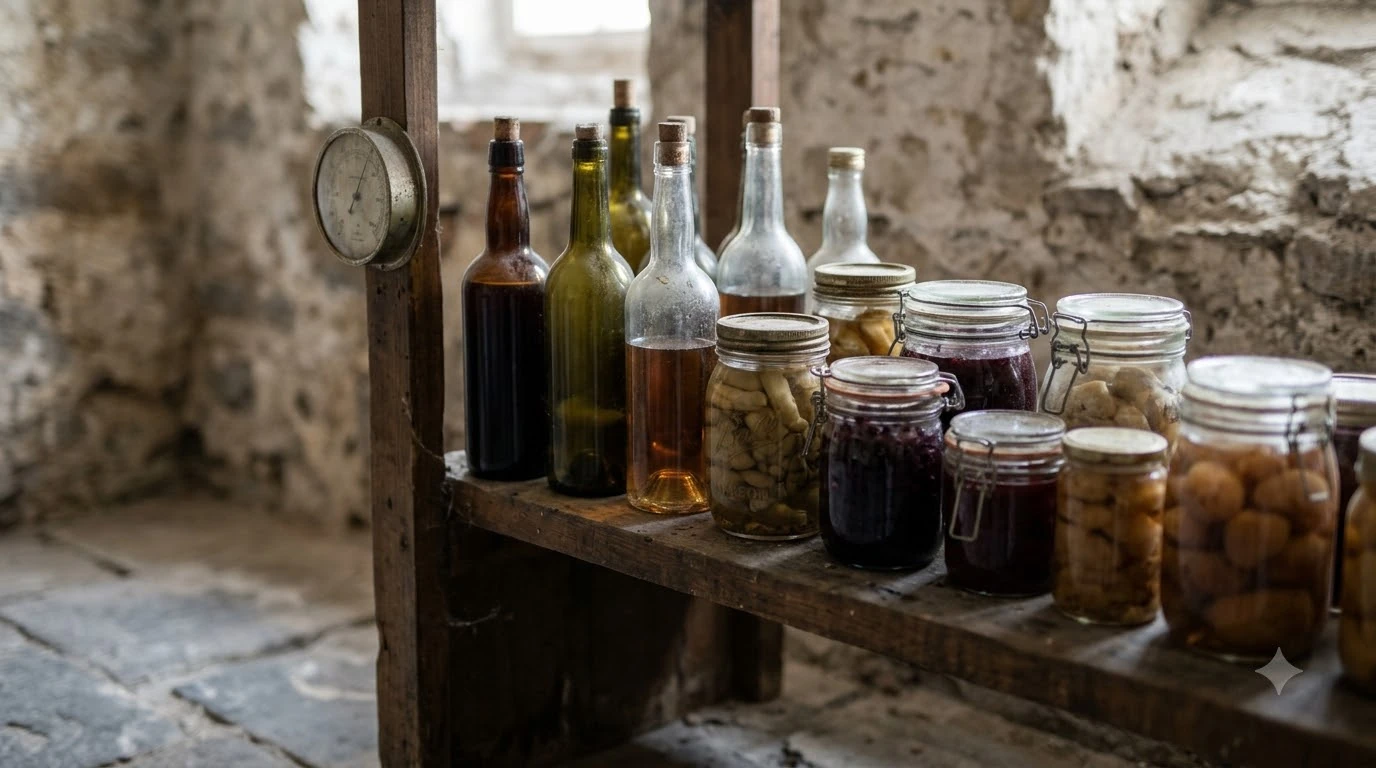
Serving the bottle too cold creates the opposite problem. Straight out of a 38°F kitchen refrigerator—or even directly from a 53°F passive cellar—a mature vintage port feels tightly wound and muted. Cold temperatures suppress aromatic release and exaggerate firm grape tannins, making the wine taste astringent and flat until warmth from your hand and the room coaxes the bouquet open.
Historical habits often confuse modern hosts on this point. Classic British literature frequently mentions warming port near a hearth, yet pre-central-heating stone dining rooms in the nineteenth century regularly hovered in the mid-50s Fahrenheit. Bringing a bottle into the dining room back then simply raised it from cold cellar storage to roughly 60°F, matching the exact range sommeliers recommend today.
How Vintage Port Temperature Compares to Other Port Styles
Not every bottle from Portugal’s Douro Valley belongs at 61°F to 64°F, because oxidative barrel aging and fortification styles respond differently to chill. Comparing styles side by side helps you set the right temperature before guests arrive, whether you are pouring a bottle-aged vintage or a wood-matured tawny.
| Port Style | Ideal Serving Temp (°F) | Ideal Serving Temp (°C) | Decanting Needed? | Open Bottle Life |
|---|---|---|---|---|
| Vintage Port | 61°F–64°F | 16°C–18°C | Yes (1–3 hours; 30–60 min if 40+ yrs) | 1–2 days |
| Late Bottled Vintage (LBV) | 59°F–64°F | 15°C–18°C | Unfiltered only | 4–5 days |
| Ruby Port | 54°F–61°F | 12°C–16°C | No | 8–10 days |
| Tawny Port (10–40 Year) | 50°F–57°F | 10°C–14°C | No | 1–4 months |
| White Port | 43°F–50°F | 6°C–10°C | No | 8–20 days |
| Rosé Port | 39°F–43°F | 4°C–6°C | No | 8–10 days |
As the table shows, vintage port sits at the warm end of the fortified spectrum. Its dense phenolic structure and fine-grained tannins need gentle warmth to feel supple across the palate, whereas oxidative styles like aged tawny benefit from a cooler chill that sharpens their acidity and highlights walnut, caramel, and dried orange peel notes. If you are planning a multi-bottle tasting, check our guide to tawny port serving temperature so your wood-aged bottles do not feel overly sweet next to a vintage pour.
Everyday fruit-forward bottles follow slightly cooler rules as well. Reviewing ruby port serving temperature guidelines or dialing in white port serving temperature before an aperitif course keeps the lighter styles crisp while saving the 61°F to 64°F window for your centerpiece vintage bottle. For broader context across still and fortified categories, you can also explore Wine by Type to see how alcohol and tannin levels govern temperature across all styles.
Chilling and Warming Methods Before You Pour
Reaching 61°F to 64°F takes only a few minutes of planning once you know where your bottle starts. Standard home refrigerators run around 37°F to 40°F, while most American kitchens and dining rooms sit near 70°F, so quick adjustments beat leaving a bottle on the counter all afternoon.
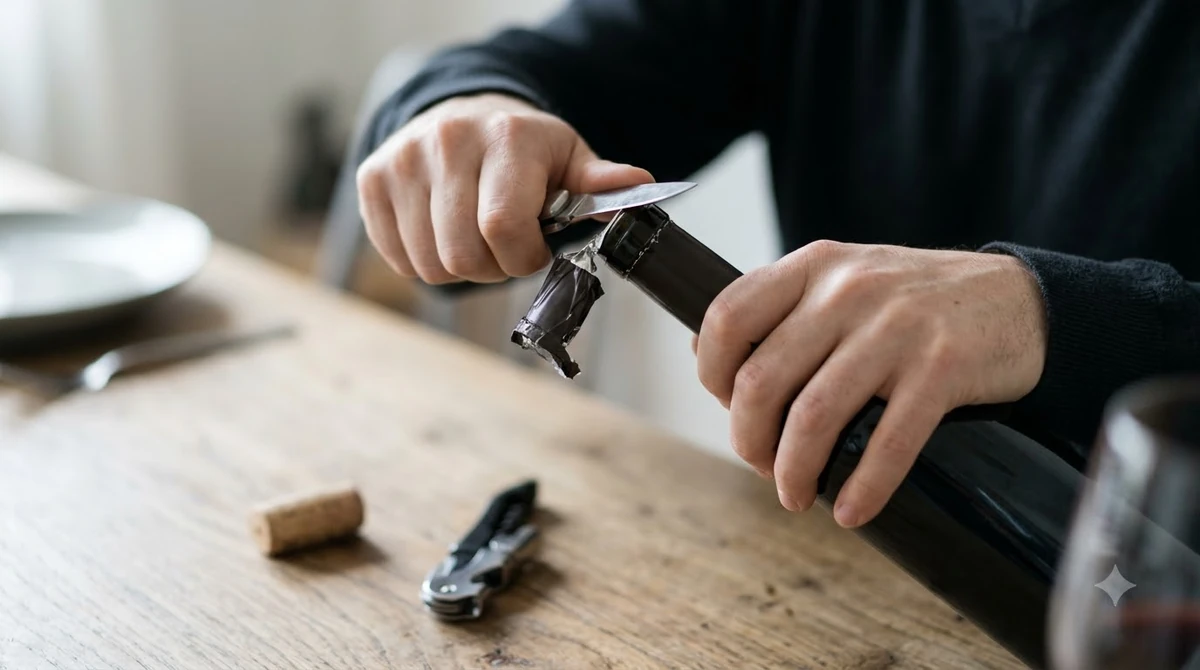
If your vintage port has been stored in a room-temperature cabinet or wine rack at 68°F to 72°F, place the bottle—or the filled decanter—in the refrigerator for 15 to 20 minutes before serving. That brief chill drops the liquid roughly six to eight degrees without shocking the aromatics. Avoid an ice bucket filled with ice and water, which cools glass too aggressively and can numb the bouquet in under ten minutes.
When pulling a bottle from a 53°F to 55°F wine cellar or basement rack, do the reverse. Stand the bottle upright in a 68°F room roughly 45 to 60 minutes ahead of service so it warms gradually while allowing heavy sediment to settle toward the punt. Never warm vintage port near a stove, radiator, or fireplace, as rapid heat spikes can flatten delicate tertiary notes in older vintages.
Tip: Chill the decanter alongside the wine if your dining room is warm—pouring 62°F port into a 72°F glass vessel immediately raises the serving temperature by two to three degrees.
Decanting, Glassware, and Pour Size
Temperature control works hand in hand with decanting because vintage port is bottled unfiltered and throws a thick crust of tannin and pigment as it matures. Standing the bottle upright for 24 hours before opening lets that sediment collect cleanly at the base, making it easy to pour clear wine off the deposit in one steady motion over a bright light source.
Aeration time depends directly on bottle age. Younger vintage ports under 20 to 40 years old benefit from two to three hours in a decanter at cool room temperature so tight tannins soften and primary dark fruit opens up. Mature bottles over 40 years old are far more fragile; decant them just 30 to 60 minutes before pouring so their dried-fig, leather, and spice nuances do not fade before guests finish their glasses.
Skip tiny two-ounce cordial thimbles filled to the brim, which trap alcohol vapors right under your nose and leave no room to swirl. Instead, use a tulip-shaped port glass or a standard white wine glass holding at least 11 to 12 ounces (35 centiliters), and pour a measured three- to four-ounce serving. Holding the glass by the stem rather than the bowl prevents body heat from pushing the wine past 64°F while you sip.
Food Pairings That Match 61°F to 64°F Vintage Port
Serving vintage port at cellar temperature preserves enough natural acidity and tannic grip to stand up to rich, salty, and bittersweet after-dinner foods. As Wine Folly notes in its guide to port pairings, classic Stilton blue cheese works brilliantly because sharp, salty umami balances the wine’s sweetness while cool cellar temperatures keep the pairing from feeling cloying.
Aged hard cheeses offer another reliable match at 61°F to 64°F. Sharp English cheddar, aged Gouda, and nutty Manchego mirror the savory, leathery depth of mature vintage port without competing with its dark berry core. Serving the cheese board at cool room temperature rather than fridge-cold ensures both the fat in the cheese and the tannins in the port melt together smoothly.
For dessert pairings, stick to dark chocolate with at least 70 percent cacao, roasted walnuts, or fig tarts rather than overly sugary frostings or light fruit sorbets. Ice-cold desserts numb the palate and make a 62°F vintage port taste aggressively alcoholic, whereas room-temperature bittersweet chocolate echoes the wine’s natural cocoa and espresso undertones.
Storing an Opened Bottle of Vintage Port
Unlike wood-aged tawnies that have already spent decades exposed to oxygen in small casks, vintage port oxidizes quickly once decanted. Most bottles taste best on the evening they are opened and hold their fruit vibrancy for only one to two days afterward, while very old vintages past 40 years should ideally be finished the same night.
If you have wine left in the decanter at the end of dinner, funnel it back into a clean half-bottle or smaller glass container to minimize headspace, seal it tightly, and place it in the refrigerator. Cold storage at 38°F to 40°F slows oxidation significantly overnight. Before pouring the remainder the next evening, let the bottle sit on the kitchen counter for 30 to 40 minutes until it climbs back into the 61°F to 64°F target range.
Frequently Asked Questions
Should you put vintage port in the fridge before serving?
Yes, if your bottle has been stored at modern room temperature around 70°F, putting it in the refrigerator for 15 to 20 minutes brings it down to the ideal 61°F to 64°F range. Do not leave it in the fridge for hours, as serving vintage port ice-cold mutes its dark fruit aromatics and makes the tannins taste harsh.
Is vintage port served warmer than tawny port?
Yes, vintage port is served slightly warmer than tawny port. Vintage port shines at 61°F to 64°F (16°C to 18°C) so its full-bodied tannins and blackberry aromatics open up, while tawny port is best chilled to 50°F to 57°F (10°C to 14°C) to keep its nutty, caramel sweetness crisp and refreshing.
What happens if vintage port is served too warm?
When vintage port warms past 65°F to 68°F, its 19% to 20% alcohol becomes much more volatile and dominates the nose with a hot, spirity burn. Excess warmth also makes the wine taste syrupy and flat, obscuring the nuanced spice, cocoa, and dried-fruit notes that distinguish a great declared vintage.
Do you need to decant vintage port even if it is at the right temperature?
Yes, decanting is essential for vintage port regardless of temperature because the wine is bottled unfiltered and develops heavy natural sediment over time. Pouring it slowly off its sediment into a clean decanter prevents bitter, gritty particles from reaching your glass while giving the wine 30 minutes to three hours of air depending on its age.
Dialing in a vintage port serving temperature between 61°F and 64°F is one of the simplest ways to honor a wine built to age for generations. With a quick 15-minute chill before decanting, a proper tulip-shaped glass, and a few wedges of sharp blue cheese or dark chocolate, every pour delivers the balance and depth the Douro Valley is famous for.
More in Wine Types & Grapes
 What Does Mourvèdre Taste Like? Flavor Profile, Regions, and PairingsUpdated Nov 20, 2026
 What Does Marsanne Taste Like? Flavors, Styles, and Food PairingsUpdated Nov 20, 2026
 What Does Malvasia Taste Like? Styles, Flavors, and Food PairingsUpdated Nov 20, 2026
 What Does Grenache Blanc Taste Like? Flavor Profile, Styles, and PairingsUpdated Nov 20, 2026
 What Does Garnacha Taste Like? Key Flavors, Styles, and Pairing TipsUpdated Nov 20, 2026
 What Does Fruit Wine Taste Like? A Complete Flavor and Style BreakdownUpdated Nov 20, 2026