


We may earn a commission when you buy through links on this page, at no extra cost to you. Learn more.
Where is madeira from? Madeira wine comes from the Portuguese island of Madeira, an Atlantic island located off the northwest coast of Africa. This historic fortified wine takes its name from the island where its grapes are grown, harvested, and transformed into wine. Its distinctive character comes from volcanic soils, naturally high grape acidity, fortification, and unusual heat-assisted aging methods that produce complex flavors ranging from dry and nutty to rich and sweet.
Madeira occupies a special place in Portuguese wine history. Although Portugal is better known internationally for Port and Vinho Verde, Madeira has a separate identity built around its Atlantic island origins and centuries-old winemaking traditions. Understanding its geography helps explain why the wine tastes different from other fortified wines, why certain grape varieties are so important, and how a small island developed an international reputation that reached European royal courts and colonial America.
Madeira Is a Portuguese Island in the Atlantic Ocean
Madeira wine originates from the island of Madeira, part of an autonomous Portuguese archipelago in the North Atlantic Ocean. The islands lie off the northwest coast of Africa, approximately 700 kilometers from the African mainland, rather than in mainland Portugal. This geographical position gives Madeira a distinctly maritime identity while keeping it firmly within Portuguese territory.
The main island is Madeira, with Funchal serving as its capital and principal urban center. Porto Santo is another inhabited island in the archipelago, located northeast of Madeira. Several smaller islands and uninhabited islets complete the group. Although the archipelago is relatively remote from continental Europe, its location historically made it an important stop along Atlantic shipping routes between Europe, Africa, and the Americas.
The distinction between the island and the wine is important. Madeira is both a geographical name and the name of a protected wine origin. Authentic Madeira fortified wine must come from the designated production area on the island. A fortified wine produced elsewhere cannot legitimately use the protected Madeira designation simply because it follows a similar recipe or aging technique.
According to the Wines of Portugal publication, Madeira has its own protected designation of origin, DOC Madeira. The islands also produce other wines under separate geographical designations, including DOC Madeirense and IGP Terras Madeirenses. These designations distinguish the island’s fortified Madeira tradition from its unfortified regional wines.
Madeira is also geographically different from mainland Portuguese wine regions such as the Douro Valley and the Alentejo. The Douro is famous for the vineyards used to produce Port, while Madeira’s isolated Atlantic position has shaped a separate wine culture. Readers interested in the geography of other Portuguese fortified wines can also explore where is Port from to understand the differences between the two origins.
Volcanic Mountains and Atlantic Conditions Shape the Vineyards
Madeira’s geography has a direct influence on its grapes. Steep volcanic slopes, humid Atlantic conditions, elevation changes, and naturally high acidity create a distinctive growing environment that helps explain the wine’s unusual balance of freshness and richness.
The island’s mountainous interior rises to nearly 1,900 meters above sea level. This dramatic elevation creates several different growing conditions across a relatively small area. Temperature, sunlight, rainfall, and exposure to ocean winds vary according to vineyard location, so grapes grown at different elevations and on different sides of the island can develop different characteristics.
The volcanic soils are another important part of the picture. These soils, together with the island’s mild maritime climate, contribute to grape development and the naturally pronounced acidity that is characteristic of Madeira wine. That acidity becomes particularly valuable during maturation because the wine is exposed to heat and oxygen in ways that would damage many ordinary table wines.
Vineyards are often planted on steep terraces rather than broad, flat agricultural land. Small plots called poios are supported by stone walls, allowing growers to cultivate vines on difficult terrain. The arrangement is visually distinctive, but it also creates practical challenges. Mechanized vineyard work is difficult on many slopes, making planting, pruning, and harvesting labor-intensive activities.
According to Visit Madeira, growers traditionally cultivate their vines in these small plots along the island’s mountainsides. The landscape reflects generations of agricultural adaptation rather than large-scale industrial vineyard development. The official Madeira wine overview from Visit Madeira also describes how the island’s volcanic soils, mild climate, and traditional grape varieties contribute to its wine identity.
The Atlantic influence also helps explain why Madeira does not simply produce wines resembling those from warmer Mediterranean regions. Humidity, regular cloud cover, elevation, and ocean breezes create a more complex growing environment than the island’s latitude might initially suggest.
The result is a combination of ripe fruit, refreshing acidity, and the structural qualities needed for extended maturation. These natural conditions are part of what makes Madeira recognizable even after years or decades in wooden casks.
Madeira Wine Has Centuries of Portuguese History
Madeira’s wine history began soon after Portuguese settlement of the island in the fifteenth century. Its location along Atlantic trade routes helped transform local wine production into an international business, while maritime transportation eventually contributed to the distinctive maturation methods associated with the wine.
Portuguese navigators reached the island in 1419, and settlers subsequently developed agriculture there. Wine production became an important part of the island’s economy, alongside sugar cultivation and other agricultural activities. According to Wines of Portugal, Madeira wine was produced following the arrival of the first explorers and became an established export over the centuries that followed.
The island’s position was particularly useful for ships traveling between Europe and overseas destinations. Madeira became a convenient provisioning and trading point before longer ocean crossings. Wine was an important cargo because alcoholic beverages were useful alternatives to water during lengthy voyages.
However, ordinary wine did not always survive prolonged journeys through tropical conditions. Producers discovered that adding distilled spirit helped preserve the wine. This process, known as fortification, increased the alcohol content and improved the wine’s ability to withstand transportation.
An additional discovery changed Madeira’s future. Wine transported in wooden barrels through hot maritime climates sometimes returned with more concentrated, complex flavors. Heat, oxygen exposure, and the movement of ships contributed to changes in the wine’s color, aroma, and taste. Instead of viewing these changes as defects, consumers began to appreciate the resulting character.
Madeira producers eventually learned to recreate these conditions through controlled maturation. This development helped establish the island’s distinctive wine style and laid the foundation for its modern production methods.
Madeira also became important in American colonial trade. According to the National Park Service’s historical research on Atlantic commerce, approximately 25% of Madeira exports went to British North American colonies alone during the late eighteenth century. Boston was among the important markets for the wine.
Madeira has a particularly notable connection to American history. The wine was chosen to commemorate American independence on July 4, 1776. It was also enjoyed by prominent historical figures, including George Washington and Thomas Jefferson. This connection helped establish Madeira as a familiar name in American wine history long before the modern wine industry developed.
Today, Madeira remains an important cultural and agricultural product of the island. Its reputation rests not only on its historical associations but also on the preservation of traditional vineyard practices, grape varieties, and maturation techniques.
Six Important Grape Varieties Define Madeira’s Styles
Madeira producers use several grape varieties to create wines with different sweetness levels, aromas, and structures. The traditional four noble white varieties are Sercial, Verdelho, Bual, and Malvasia, while Tinta Negra is especially important for broader commercial production.
According to Visit Madeira, more than 30 grape varieties are associated with the island’s wine production. However, a relatively small group accounts for much of the identity of traditional Madeira wine. Each variety has a recognized relationship with a particular style, although winemaking decisions also influence the final sweetness.
Sercial: The Dry Style
Sercial is traditionally associated with dry Madeira. It produces wines with pronounced acidity, relatively restrained sweetness, and an often delicate, savory character. Common tasting descriptions include citrus peel, almonds, dried herbs, and mineral notes.
Its refreshing structure makes Sercial a useful introduction for drinkers who normally prefer dry white wines. It can be served as an aperitif or alongside salty appetizers, nuts, and seafood dishes that do not rely on heavy sauces.
Verdelho: Medium-Dry Madeira
Verdelho generally produces medium-dry Madeira, occupying a position between Sercial and Bual in the traditional sweetness progression. It often displays a golden color with aromas and flavors of dried fruit, citrus, toasted nuts, and spices.
Its combination of freshness and moderate sweetness makes it particularly versatile at the table. Verdelho can work with smoked fish, savory pastries, roasted poultry, and dishes containing moderately rich sauces.
Bual: Medium-Sweet Madeira
Bual, also spelled Boal, is associated with medium-sweet Madeira. It generally produces a fuller, rounder style than Sercial or Verdelho, with flavors that may include caramel, dried apricot, toasted nuts, and baking spices.
The added sweetness makes Bual suitable for richer foods, including roasted meats and desserts. It can also be served with aged cheeses, particularly varieties with enough salt and intensity to balance the wine’s sweetness.
Malvasia: The Rich, Sweet Style
Malvasia, frequently called Malmsey in the context of Madeira, is traditionally associated with the sweetest and richest of the four classic styles. Its wines can be full-bodied and concentrated, with flavors of raisins, caramel, molasses, dried figs, and roasted nuts.
Malvasia is particularly suitable for dessert service. Chocolate-based desserts, fruitcakes, nut pastries, and caramel desserts can complement its concentrated sweetness and aromatic intensity.
Tinta Negra and Other Varieties
Tinta Negra is a red grape that plays a major role in Madeira production. Although the traditional noble varieties receive considerable attention, Tinta Negra provides much of the volume used in modern commercial Madeira. It can produce several sweetness styles, depending on the intended wine and winemaking decisions.
Terrantez is another interesting variety, appreciated for its distinctive character and relative rarity. Other historically significant grapes include Bastardo. These varieties help preserve the diversity of Madeira’s wine heritage.
| Grape variety | Traditional style | Common flavor characteristics |
|---|---|---|
| Sercial | Dry | Citrus, almonds, savory notes |
| Verdelho | Medium-dry | Dried fruit, citrus, toasted nuts |
| Bual (Boal) | Medium-sweet | Caramel, apricot, baking spices |
| Malvasia (Malmsey) | Sweet | Raisins, figs, molasses |
| Tinta Negra | Multiple styles | Dried fruit, nuts, caramel |
| Terrantez | Variable | Complex fruit, spice, savory notes |
These traditional grape associations are helpful when selecting a bottle, but they should not be treated as an absolute rule for every wine. Sweetness depends on fermentation and fortification decisions as well as grape variety. For a broader comparison of international grapes, the Wine by Type section provides additional background on the different styles found across wine-producing regions.
Fortification and Heat Aging Create Madeira’s Signature Character
Madeira’s unusual winemaking process distinguishes it from most other Portuguese wines. Producers ferment grape juice, add grape spirit to stop fermentation at the desired point, and mature the fortified wine using either controlled heating or gradual aging in wooden casks.
The first stage resembles conventional winemaking. Grapes are harvested, sorted, crushed, and fermented. Yeast converts grape sugar into alcohol, but fermentation does not necessarily continue until all the sugar has been consumed.
Fortification is the crucial intervention. Producers add high-strength grape spirit to raise the wine’s alcohol content, generally to approximately 17%–22% ABV. The additional alcohol stops yeast activity, preserving the remaining natural grape sugar when the wine is intended to be sweet.
The timing of fortification helps determine the final style. Earlier fortification generally preserves more residual sugar, while allowing fermentation to continue longer produces a drier wine. This explains why grape variety alone does not determine whether a Madeira is sweet or dry.
Estufagem: Controlled Heating
Estufagem is a controlled heating method used to accelerate Madeira’s characteristic maturation. Producers place fortified wine in specially designed tanks and gradually raise the temperature, commonly reaching approximately 45–50 degrees Celsius for a period of around three months.
According to published research on Madeira’s production methods, the wine undergoes important chemical changes during this heating stage. Reactions involving sugars, acids, and other wine compounds contribute to its distinctive aromas, darker color, and complex flavor profile.
After heating, the wine continues its maturation and stabilization process before bottling. Estufagem is commonly associated with younger commercial Madeira wines because it allows producers to create the recognizable style without requiring decades of barrel aging.
Canteiro: Traditional Wooden-Cask Aging
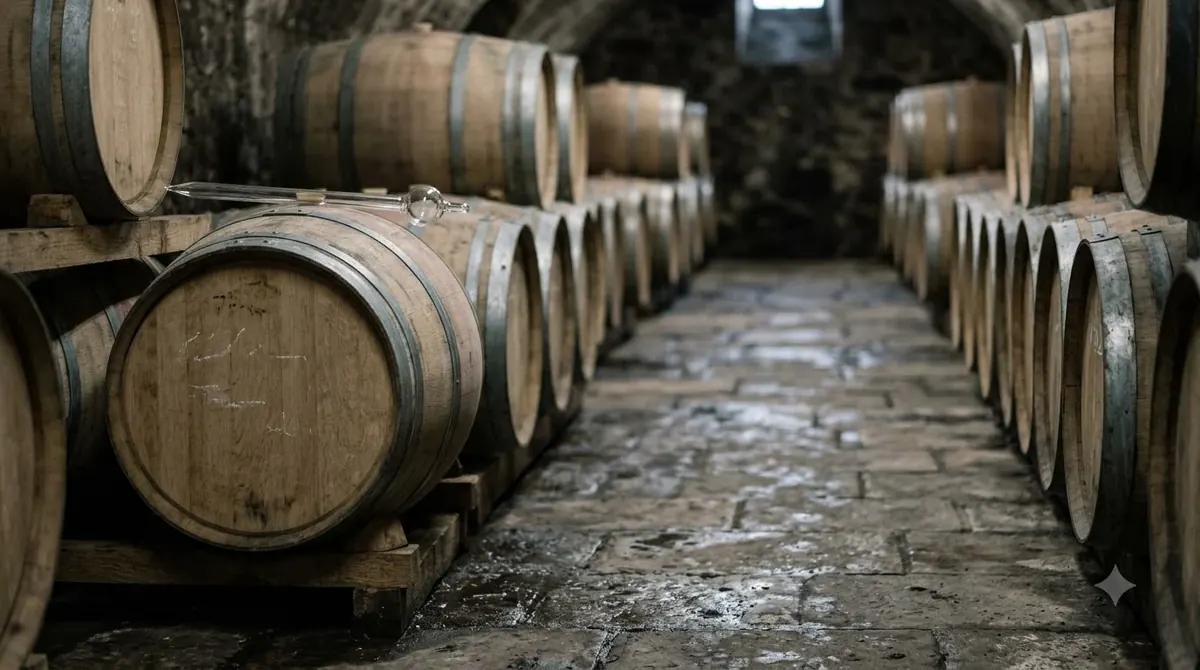
Canteiro is the more gradual maturation method. Instead of heating the wine in controlled tanks, producers age it in wooden casks stored in naturally warm buildings, where temperature changes and oxygen exposure contribute to slow development.
The name refers to the wooden beams or supports on which the casks are traditionally placed. Barrels may spend years in warm upper areas of a wine lodge before being moved to cooler locations as maturation progresses.
This slower process can create greater aromatic complexity and subtle differences between wines. Depending on the producer and intended classification, cask maturation may continue for decades. Some exceptional Madeira wines remain in wooden barrels for much longer than the minimum legal aging requirements.
The two methods produce different results, but both are central to the island’s wine identity. Estufagem offers a controlled approach to heat maturation, while canteiro preserves the traditional practice of gradual development in wooden casks. A technical study from the Universidade Católica Portuguesa, Madeira Wine: Mechanisms of Formation and Impact on Character, examines how heating temperatures and maturation influence the wine’s characteristic aromas, including dried fruit, toasted notes, and brown sugar.
Tip: If you are choosing your first bottle of Madeira, compare a three-year-old Tinta Negra wine made using estufagem with a longer-aged canteiro Madeira. The comparison helps demonstrate how maturation time and technique influence aroma, texture, and complexity.
Madeira Labels Explain Sweetness and Aging
Madeira labels provide useful information about the wine’s sweetness, grape variety, and maturation history. Understanding the difference between age-indicated blends and single-harvest wines makes it easier to choose a bottle that matches your preferences.
One important distinction is between a wine labeled with a traditional grape variety and a wine labeled according to its age category. A Sercial or Malvasia designation gives an indication of the grape and traditional style, while an age statement describes a different aspect of the wine.
Many Madeira wines are blends of wines from different harvests. Producers combine wines to achieve a consistent house style, balancing acidity, sweetness, aroma, and maturation characteristics. Age-indicated blends can include several different vintages rather than wine from one specific harvest.
Common Age Categories
Basic Madeira wines are often bottled after approximately three years of maturation. Five-year and ten-year categories provide additional aging, while 15-, 20-, 30-, and 40-year-old blends represent increasingly mature styles.
These age indications should be understood as regulated style and maturation categories rather than a promise that every drop in the bottle came from one particular harvest year. The producer’s blending decisions remain important to the final wine.
Colheita: Single-Harvest Madeira
Colheita is a Madeira wine associated with one harvest year. According to Decanter, this category requires at least five years of aging in wooden casks before bottling.
Unlike an age-indicated blend, a Colheita offers a more direct connection to a particular harvest. Its character reflects the grapes, growing conditions, and maturation decisions associated with that year.
Frasqueira: Long-Aged Vintage Madeira
Frasqueira, also known as Garrafeira, represents an especially traditional and prestigious Madeira category. These wines must mature in wooden casks for at least 20 years before bottling.
Long maturation can create remarkable aromatic complexity. Dried fruit, toasted nuts, caramel, spices, and concentrated savory notes may become increasingly pronounced as the wine develops. These bottles are often associated with collectors and special occasions.
It is useful to distinguish a 20-year-old blend from a Frasqueira. Both may have substantial aging histories, but their classifications and production requirements are different. A vintage year on a Frasqueira label refers to the harvest, not simply the age of a blend.
Madeira’s exceptional longevity is another consequence of its production method. High acidity, fortification, and oxidative maturation help the wine remain stable over extended periods. This is one reason historically significant Madeira bottles continue to attract interest among wine collectors.
Serving Madeira and Pairing It With Food
Madeira can be enjoyed as an aperitif, alongside savory dishes, or with dessert, depending on its sweetness and maturity. Serving temperature, glassware, and food selection all influence how clearly its distinctive flavors appear.
Dry Sercial is generally a good starting point for aperitif service. Its refreshing acidity and restrained sweetness work well with salted almonds, olives, cured fish, and other savory appetizers. Verdelho is another versatile option, particularly when served alongside smoked salmon, seafood pastries, or roasted poultry.
Medium-sweet Bual pairs naturally with roasted meats, rich sauces, and desserts containing dried fruit or nuts. Malvasia is especially suitable for chocolate desserts, caramel puddings, fruitcakes, and other concentrated sweets. The important principle is that the wine should generally be at least as sweet as the dessert so that it does not taste thin or overly sharp beside the food.
Cheese is another useful pairing category. Salt and fat can soften the perception of tannin and balance sweetness, making rich Madeira particularly appealing with blue cheese, aged hard cheeses, and other intensely flavored varieties.
For serving temperature, dry and medium Madeira can generally be served slightly chilled, while richer sweet versions benefit from cool rather than ice-cold temperatures. A practical starting point is approximately 45–55 degrees Fahrenheit, adjusting according to the wine’s sweetness and maturity.
Use a smaller wine glass or a suitable fortified-wine glass and pour a modest serving. A standard wine pour is approximately 5 ounces, but Madeira’s elevated alcohol content and concentrated flavors often make smaller portions more appropriate. Its aromas become more expressive as the wine gradually warms in the glass.
Madeira is also a useful cooking ingredient. Dry styles can add depth to sauces for poultry, mushrooms, and seafood, while sweeter styles can contribute complexity to dessert sauces and reductions. The wine’s acidity and concentrated flavor mean that a small quantity can have a noticeable effect on a recipe.
Unlike many delicate table wines, Madeira generally keeps well after opening because of its fortification and oxidative maturation. Properly stored bottles can remain enjoyable for months, although preservation depends on the wine’s style, age, storage conditions, and closure. Keep opened bottles tightly sealed in a cool, dark place and avoid unnecessary exposure to heat.
For readers comparing Portugal’s major fortified wines, Madeira offers a different experience from Port. Port is generally known for its fruit-driven styles and grape varieties from the Douro Valley, whereas Madeira is particularly associated with high acidity, heat-assisted maturation, and oxidative complexity. Exploring where Merlot is from also illustrates how traditional still-wine regions have different geographical and winemaking identities from fortified-wine regions.
Frequently Asked Questions
Is Madeira part of Portugal or Spain?
Madeira is an autonomous region of Portugal, not Spain. It has its own regional government and administrative institutions, while remaining part of the Portuguese Republic and the European Union. Its capital, Funchal, is also an important port and tourism center.
Is Madeira wine named after the island or the grape?
Madeira wine takes its name from the island where it originates, not from a particular grape variety. Sercial, Verdelho, Bual, Malvasia, and Tinta Negra are grape names associated with its production. The geographical name identifies the protected wine origin.
Can Madeira wine be made on Porto Santo?
Porto Santo belongs to the Madeira archipelago and has its own wine-growing tradition. However, the protected DOC Madeira designation refers specifically to production on Madeira island. Porto Santo also participates in the regional wine identity through the separate DOC Madeirense designation.
Why does Madeira wine sometimes have a brownish color?
Madeira’s color develops partly through controlled heating and oxidative maturation. These processes encourage chemical reactions that gradually darken the wine and produce nutty, caramelized, and dried-fruit characteristics. The color can range from golden amber to deep brown depending on the grape, style, and aging history.
Does Madeira wine have a connection to Shakespeare?
Visit Madeira notes that Madeira wine is mentioned in Shakespeare’s plays, reflecting the drink’s historical presence in English cultural life. Its international reputation developed through centuries of maritime commerce, making it familiar beyond Portugal. Its association with historical figures and international trade remains an important part of its identity.
Madeira comes from a distinctive Portuguese island in the Atlantic, where volcanic terrain, steep vineyards, and traditional winemaking have created one of the world’s most recognizable fortified wines. Its combination of natural acidity, grape-spirit fortification, and heat-assisted maturation makes it different from both ordinary table wine and other Portuguese fortified styles. Whether you choose dry Sercial, balanced Verdelho, medium-sweet Bual, or rich Malvasia, Madeira offers a direct connection to centuries of island wine history.
More in Wine Types & Grapes
 What Does Ruby Port Taste Like? Flavor Notes, Styles, and Serving TipsUpdated Nov 21, 2026
 What Does Ribolla Gialla Taste Like? Crisp White and Amber Styles ExplainedUpdated Nov 21, 2026
 What Does Semillon Taste Like? Flavor Profile, Styles & PairingsUpdated Nov 21, 2026
 What Does Scuppernong Taste Like? Flavor, Styles, and Pairing GuideUpdated Nov 21, 2026
 What Does Saperavi Taste Like? Flavors, Styles, and Pairing GuideUpdated Nov 21, 2026
 What Does Natural Wine Taste Like? Flavors, Styles, and Serving TipsUpdated Nov 21, 2026