

We may earn a commission when you buy through links on this page, at no extra cost to you. Learn more.
Madeira color ranges from pale gold to deep amber and dark brown, and the shade tells you a lot about how the wine was made and how it will taste. Madeira is a fortified wine from the Portuguese island of Madeira, and its color comes from deliberate oxidation, aging in casks and, in some cases, the grape variety. Paler wines are usually drier and lighter, while darker wines are richer, sweeter and more concentrated.
This guide explains the main colors you will see on a Madeira label, what causes each shade, and how to use color as a quick guide when choosing a bottle. It also covers why color alone is not always enough to predict sweetness, so you know what else to check.
Why Madeira has such a distinct color
Madeira is made to be exposed to air. The wine is fortified, which raises its alcohol, and then aged in a way that allows it to oxidize on purpose. The VinePair article on Madeira notes that the fortified style lifted the wine’s alcohol to around 19 to 21 percent, which helped it survive long sea voyages, and that heat improved it rather than spoiling it. Those same processes are what give the wine its characteristic color.
Oxidation turns the wine from clear to gold, then to amber and brown over time. The longer and warmer the aging, the darker the color tends to become. That is why color is one of the first clues a buyer can read from a bottle, long before tasting it.
Tip: Color changes slowly in the glass. A Madeira that is dark brown is usually a sign of long oxidation, not a fault, so judge it by aroma and taste as well.
The main colors of Madeira wine
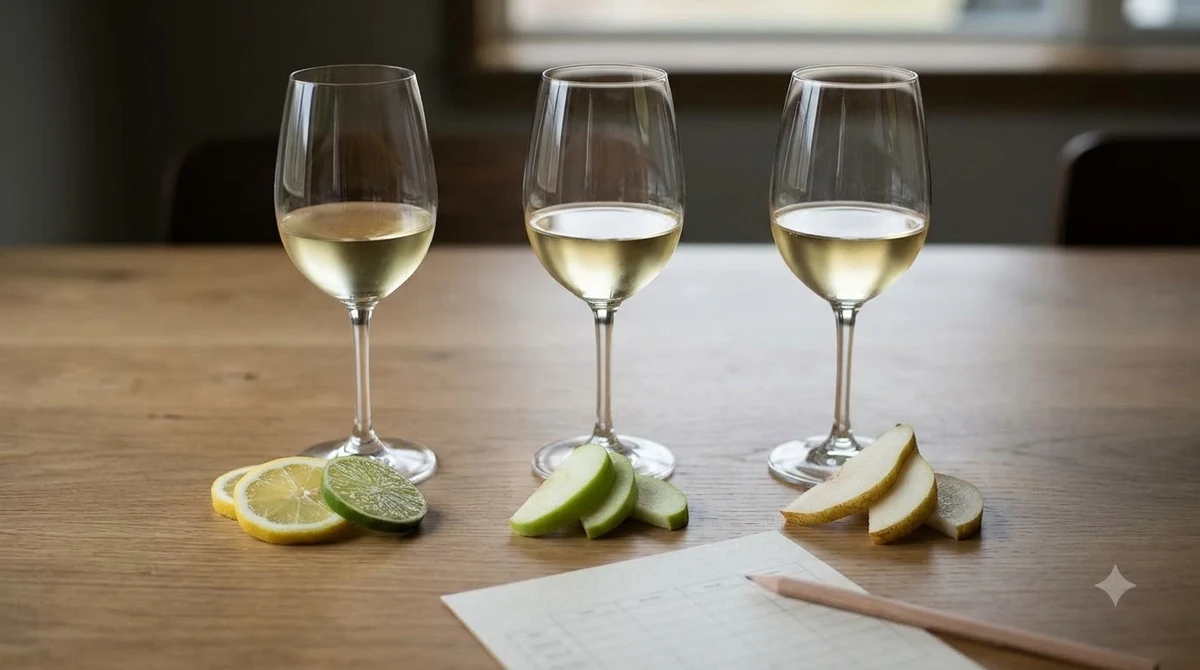
Madeira is usually described in three broad color families. Pale or light styles are clear and gold, with a lighter body and a fresher, drier profile. Amber or golden styles sit in the middle, with richer color and more nutty or caramel notes. Dark or brown styles are the deepest, with a thick, raisin-like richness and the most concentrated flavor.
The Wikipedia entry on Madeira wine notes that wines aged by the canteiro method, which relies on natural barrel-room heat and deliberate oxidation, can show a color similar to tawny port. It also says that the label terms pale, dark, full and rich are used to describe the wine’s color and body. Dark color is typical of the richer grape varieties, which the entry describes as dark and rich in flavor.
| Color family | Typical appearance | Usual character |
|---|---|---|
| Pale | Clear, gold or light amber | Dry, fresh, high acidity, lighter body |
| Amber or golden | Deeper gold to amber | Nutty, toasty, medium body |
| Dark or brown | Deep amber to brown, close to tawny port | Rich, raisin, coffee or caramel notes, full body |
How grape variety shapes the color and taste
The grape variety is one of the strongest links between color and sweetness. The Wikipedia entry lists four noble white varieties, from sweetest to driest: Malvasia, Bual, Verdelho and Sercial. Malvasia and Bual are described as dark in color and rich in flavor, with Malvasia the sweetest and marked by coffee and caramel notes. Sercial is described as having high-toned colors and a nearly dry, almond-like profile.
The same entry explains that Bual and Malvasia are fermented on their skins, which adds phenols that help balance the sweetness. Sercial, Verdelho and Negra Mole are separated from their skins first. Those winemaking choices influence how dark the wine becomes, so a dark Malvasia and a dark Sercial can look similar in the glass while tasting very different.
The entry also mentions Terrantez, a fifth noble variety that is sweet like Bual or Verdelho depending on the bottle. Tinta Negra, sometimes called Negra Mole, is the red base of roughly 85 percent of production, so many everyday bottles are built on that variety.
Aging and what the color tells you
Madeira’s aging categories are often printed on the label, and they connect to color. Colheita is a single-vintage wine aged in cask for at least five years. Reserve and Special Reserve wines spend five and ten years in cask, while Extra Reserve is aged for more than fifteen years. Vintage wines, also called Frasqueira, are aged at least 19 years in cask and then rest a further year in bottle. Older wines tend to be darker, although the variety and the style matter as much as the number of years.
When you compare two bottles, look at the age statement and the variety together with the color. A pale young bottle and a dark old one are very different wines. Color alone does not reveal the exact sweetness or age, but it is a useful first step.
Production methods that affect color
Most of the darker color comes from heat and time. The Wikipedia entry describes estufagem, a process that uses artificial heat to speed aging. Heated tanks are the most common method for lower-cost Madeira, while canteiro aging uses only natural barrel-room heat and is reserved for the highest-quality wines. Heated wines often take on color faster, while canteiro wines usually develop a more gradual, complex shade over many years.
The entry also mentions that caramel coloring was used in the past to give consistency to some Madeiras, though the practice is described as decreasing. Because of that history, a bottle that looks uniformly dark may have been colored or may simply have been aged well. The producer’s notes and the label’s aging statement are the best way to tell the difference.
How to choose a Madeira by color
Start with the color you want. A pale Madeira suits people who like a dry, bright wine and want something to sip before a meal. An amber style works well with nuts, cheese and desserts that are not too sweet. A dark, rich Madeira suits sweet dishes and after-dinner glasses, especially those with dried fruit or chocolate.
Then check the sweetness. Sercial is the driest of the noble varieties, while Malvasia is the sweetest. If the bottle is a blend or a style without a variety on the label, read the back label or the producer’s website for a sweetness note. For a general look at how color works across other wines, the zinfandel color guide and the wine by type section are useful comparisons.
How to serve Madeira
Serve Madeira in a small glass, since the wine is concentrated and a little goes a long way. Pale and dry styles can be served chilled, while richer and darker styles are usually enjoyed at a cool room temperature. Because Madeira is fortified and stable once opened, it keeps well for weeks when stored upright and corked, which makes it easy to enjoy over several evenings.
If you are unsure how to say the name before ordering or asking a server, the guide on how to pronounce Madeira is a quick reference. Knowing the name helps when you ask for a particular color or style at a restaurant or wine shop.
Frequently Asked Questions
Why is Madeira wine dark brown?
Madeira is deliberately oxidized and aged, and heat and time darken the wine. Richer grape varieties such as Malvasia and Bual, along with longer aging, tend to produce darker shades.
Does a darker Madeira mean a sweeter wine?
Often, but not always. Sweetness depends on the grape variety and on when fermentation was stopped, so check the sweetness level or the variety on the label. A darker wine from Sercial can still be fairly dry.
Is pale Madeira the same as dry Madeira?
Usually a pale Madeira is dry or nearly dry, but the label is the best guide. Sercial and Verdelho styles are typically drier, while Bual and Malvasia are sweeter.
Can Madeira go bad after it is opened?
Madeira keeps longer than most wines once opened, because it is fortified and already oxidized. Store it upright with the cork or stopper in place, and it can last for weeks. Taste it before serving if it has been open for a long time.
Madeira color is a useful first clue when choosing a bottle, but the variety, the age statement and the sweetness level tell you the rest. Start with a pale, dry style if you are new to Madeira, then move to amber or dark wines as you learn which flavors you like. For more on grape colors across other styles, see the wine by type section.
More in Wine Types & Grapes
 Zinfandel Sugar Content: Dry Red vs. White Zinfandel GramsUpdated Nov 21, 2026
 Best Zinfandel Substitute Options for Sipping and CookingUpdated Nov 21, 2026
 Zweigelt Food Pairing: Best Dishes, Cheeses, and Serving TipsUpdated Nov 21, 2026
 Zinfandel Tannins Explained: How Structure Shapes Every BottleUpdated Nov 21, 2026
 Zinfandel Sweetness Level: Dry Red vs. Sweet White Zin ExplainedUpdated Nov 21, 2026
 Xinomavro Food Pairing: Best Dishes, Styles, and Serving TipsUpdated Nov 21, 2026