

We may earn a commission when you buy through links on this page, at no extra cost to you. Learn more.
Madeira wine is a fortified wine from the Portuguese island of Madeira, made so that it stays fresh for a very long time, and it comes in styles from bone dry to rich and sweet. The wine is heated or aged in a particular way that gives it nutty, caramel, and smoky flavors and a sharp backbone of acidity. Once opened, a bottle can keep for months, which makes it one of the most practical fortified wines to have on hand.
This guide explains how Madeira is made, what the main grape styles taste like, how to serve it, and how to choose a bottle. It also covers why the wine has such a long history and why it is often used in cooking.
What Makes Madeira Wine Different
Madeira is made on a volcanic island in the Atlantic, and its style comes from a process that is unlike most other wines. The Wikipedia article on Madeira wine explains that early versions were fortified by adding a small amount of distilled spirit to stabilize the wine and raise its alcohol. Today producers stop fermentation at a chosen sweetness level by adding neutral grape spirit, which is the step that gives the wine its fortified character.
The second part of the process is heat and time. Madeira is aged in a way that exposes it to warmth and oxygen, so it develops a stable, cooked-sugar flavor that most other wines do not have. That is why a young Madeira can taste surprisingly complex, with notes of nuts, dried fruit, and burnt caramel, even before it is old.
The result is a wine that holds its flavor for a long time. The article describes Madeira as exceptionally durable after opening, with good examples lasting months or longer, and a vintage bottle can keep for decades once it has been opened and corked.
Two Ways Madeira Is Aged
Madeira is usually made in one of two ways. The first is estufagem, which applies artificial heat to younger wines. The method puts the wine in heated stainless steel tanks for about three months, with temperatures reaching a maximum of 50 degrees Celsius, or about 122 degrees Fahrenheit, to caramelize its sugars. Wine Folly’s Madeira guide describes the process this way. This is the quicker route and produces the style most often found in everyday bottles and cooking wines.
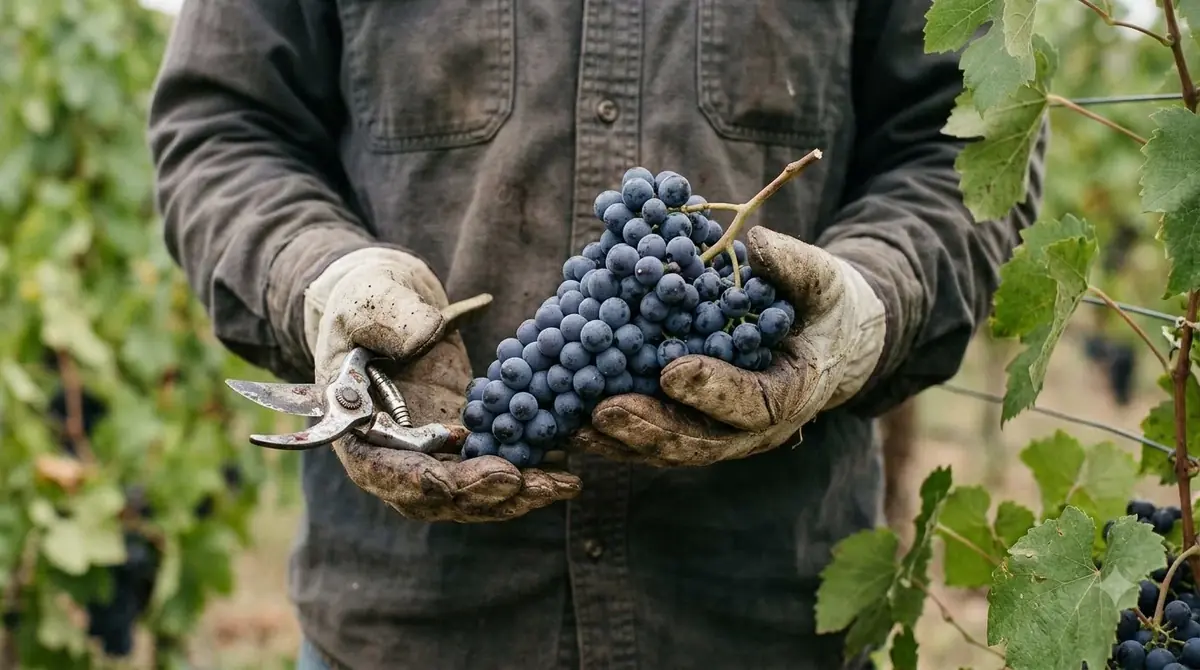
The second is canteiro, which ages the best wines in oak barrels with no artificial heat. The wines sit in the warm rooms of the island and slowly develop depth over years. The word comes from the wooden staves, or canteiros, that hold the barrels in place. Colheita wines are aged at least five years this way, and vintage, or Frasqueira, bottles can age for decades.
When you see a label, the terms matter. Madeira aged by estufagem is usually lighter and simpler, while canteiro and colheita wines are more layered and expensive. If you want to understand the style before spending much, start with a younger bottle and move up as you learn what you like.
| Grape | Sweetness | Typical flavors |
|---|---|---|
| Sercial | Driest | Almond, high acidity |
| Verdelho | Dry to off-dry | Smoky, lively acidity |
| Bual (Boal) | Medium-rich | Raisin, dried fruit |
| Malvasia (Malmsey) | Sweetest | Dark, rich, coffee and caramel |
Tip: Madeira’s sweetness depends on the grape and how early fermentation is stopped. The grape name on the label is the quickest way to know whether a bottle will be dry or sweet.
The Main Grapes and Their Styles
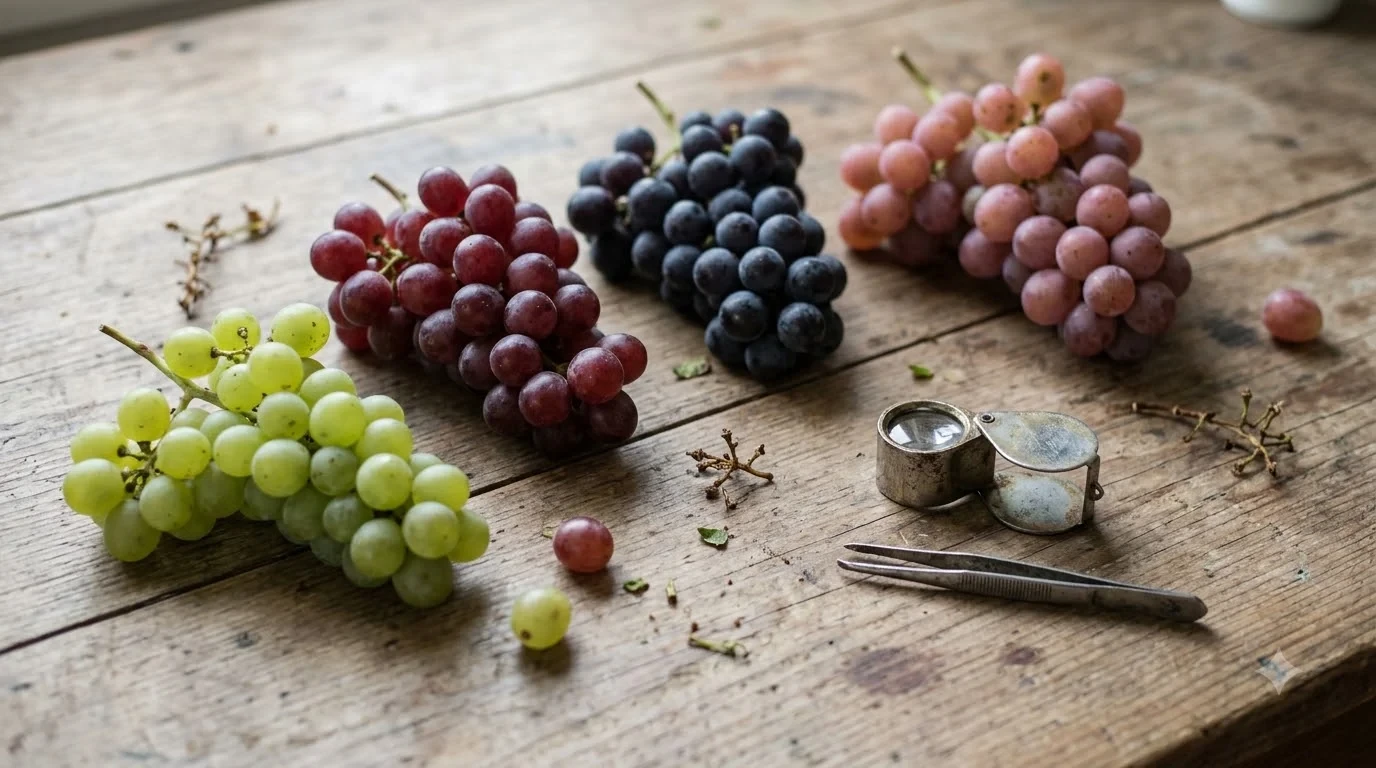
Madeira is made from a small group of grapes, and four are the most recognized. Sercial is the driest, with almond notes and high acidity that keeps it fresh. Verdelho is typically a little richer, with a smoky quality and lively acidity. Bual, sometimes spelled Boal, sits in the medium-rich range with raisin and dried-fruit notes. Malvasia, known in English as Malmsey, is the sweetest style, dark and rich with coffee and caramel flavors.
A fifth noble variety, Terrantez, is grown in small amounts and can taste like Verdelho or Bual depending on the wine. Because the grape list is short, the names are a good guide to what you will taste. A Sercial and a Malmsey from the same producer can be almost opposites on the palate.
How to Serve Madeira
Madeira is one of the few wines that can be enjoyed after it has been open for a while. Serve it in a small glass, around the size used for sherry or port, so that the aromas gather and the sweetness does not overwhelm. The drier styles, such as Sercial, are often served chilled, while richer Bual and Malmsey are usually poured at a cool room temperature. The same Wine Folly guide puts the serving range at 55 to 60 degrees Fahrenheit (12 to 15 degrees Celsius), in portions of about 3 ounces, and notes that decanting is not needed.
Because the wine lasts so well, many people keep an open bottle for weeks. Store it upright in a cool place, and you will still have a flavorful glass when you want one. Older vintage bottles deserve a little more care, so pour slowly and avoid shaking the bottle if sediment is present.
How to Use Madeira in Cooking and Pairing
Madeira is a classic cooking wine, and its nutty, caramel flavors add depth to sauces and gravies. A splash in a pan sauce for pork or chicken can bring out savory notes, and it works well in mushroom dishes. The sweeter styles can be used in desserts or poured over fruit, while drier bottles suit savory cooking. For the kitchen, the Wine Folly guide recommends entry-level blends such as Rainwater, Fine, or Finest, and says a small splash is enough to deglaze a pan or reduce a sauce because the flavor is so strong.
As a drink, Madeira pairs well with nuts, aged cheeses, and dark chocolate. Sercial matches clear soups and light appetizers, while Malmsey works with rich desserts and blue cheese. If you are used to Cabernet Sauvignon or other dry reds, Madeira offers a very different experience, with the acidity holding the sweetness in check.
A Brief History of the Wine
Madeira’s history is closely tied to shipping. The Wikipedia article notes that the island was a regular stop for ships sailing to the East Indies, and that its wine industry was well established by the sixteenth century. English merchants came to dominate the trade after the 1662 Marriage Treaty, and the eighteenth century is often described as the wine’s golden age, with American colonies taking most of the island’s output.
The wine also changed because of the sea. Wine that made a round trip and came back to the island was found to taste better, which led producers to copy the effect with heat on the island itself. That discovery is part of why heat-aging became central to the style. The industry later struggled with mildew and phylloxera in the nineteenth century, but producers replanted noble varieties and rebuilt the trade.
For a wider look at how wines fall into groups, the Wine by Type section is a helpful reference. Compare Madeira’s style with a fuller red such as Cabernet Sauvignon to see how a fortified wine feels different from a table wine.
Frequently Asked Questions
Does Madeira wine go bad after opening?
Madeira keeps much longer than most wines once opened. The Wikipedia article describes good examples lasting months or longer, and a vintage bottle can keep for decades when it is corked and stored upright in a cool place.
Is Madeira a sweet wine?
It depends on the style. Sercial is dry, Verdelho is dry to off-dry, Bual is medium-rich, and Malvasia or Malmsey is the sweetest. Checking the grape name on the label tells you what to expect.
What is the difference between estufagem and canteiro?
Estufagem uses artificial heat in tanks to age younger wines faster. Canteiro ages wines in barrels in the island’s warm rooms without artificial heat, and it is used for the higher-quality styles that develop more depth over time.
Can I cook with Madeira?
Yes. Madeira is widely used in sauces, gravies, and desserts. A drier style works well in savory dishes, while a sweeter bottle can add richness to fruit and dessert recipes.
Madeira is a wine with a long life and a distinct character. Start with a younger style, learn the grape names, and try it both in a glass and in the kitchen to see how versatile it can be.
More in Wine Types & Grapes
 Zinfandel Sugar Content: Dry Red vs. White Zinfandel GramsUpdated Nov 21, 2026
 Best Zinfandel Substitute Options for Sipping and CookingUpdated Nov 21, 2026
 Zweigelt Food Pairing: Best Dishes, Cheeses, and Serving TipsUpdated Nov 21, 2026
 Zinfandel Tannins Explained: How Structure Shapes Every BottleUpdated Nov 21, 2026
 Zinfandel Sweetness Level: Dry Red vs. Sweet White Zin ExplainedUpdated Nov 21, 2026
 Xinomavro Food Pairing: Best Dishes, Styles, and Serving TipsUpdated Nov 21, 2026