


We may earn a commission when you buy through links on this page, at no extra cost to you. Learn more.
What wine goes with salami? Lambrusco, Beaujolais, Barbera, and Pinot Noir are excellent choices because their freshness, acidity, and approachable tannins complement salami’s salt, fat, and savory flavors. Dry sparkling wines and crisp whites also work particularly well, especially with richer or spicier varieties. The best bottle depends on whether you’re serving mild Genoa salami, aromatic fennel salami, smoky chorizo, or spicy soppressata.
Salami is one of the easiest cured meats to serve with wine once you understand its main characteristics. Salt, fat, seasoning, fermentation, and sometimes chili heat all influence how a wine tastes alongside it. A good pairing refreshes the palate without overpowering the sausage, allowing both the wine and the meat to retain their character. Whether you’re preparing an Italian antipasto platter, a casual charcuterie board, or sandwiches for a gathering, several wine styles offer dependable matches.
Why Acidity and Fruitiness Work With Salami
The most reliable wine pairing for salami balances its saltiness and fat with refreshing acidity, generous fruit, and moderate tannins. A juicy red or sparkling wine usually provides the combination needed to complement cured meat without making the flavors feel heavy.
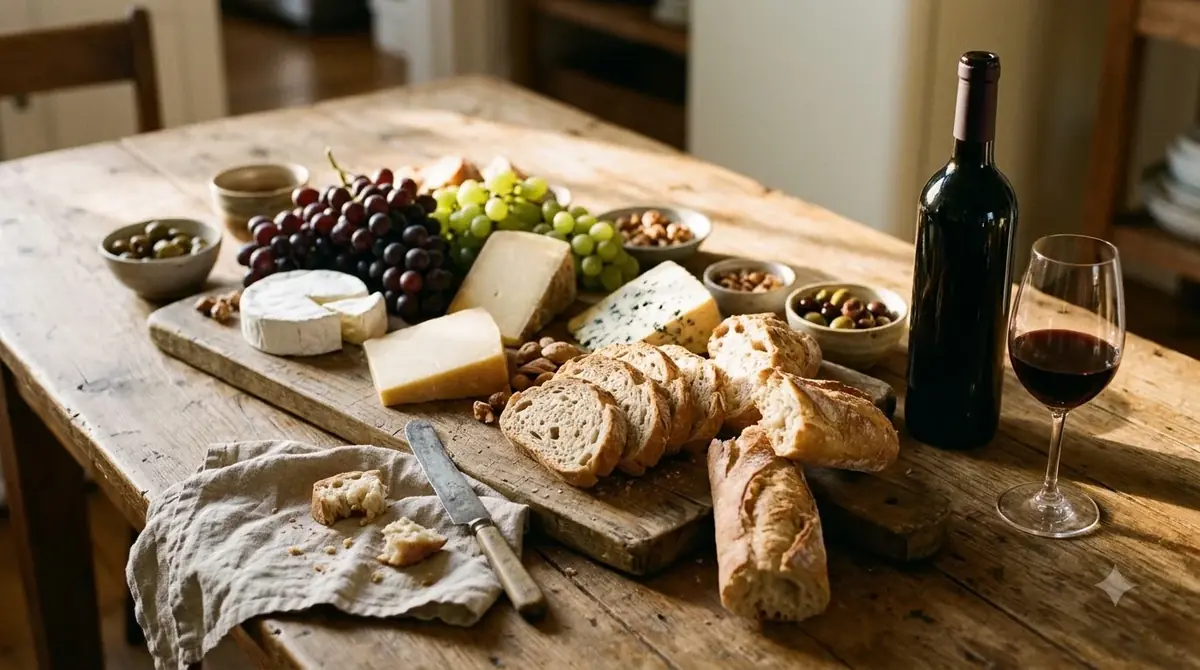
Salami contains several components that influence wine perception. Salt can make certain wines seem more bitter or accentuate their structural edges, particularly when paired with heavily oaked reds. Fat creates a rich coating on the palate, while spices, garlic, fermentation, and dried herbs add savory complexity. The wine needs enough freshness to keep the combination balanced.
Acidity is particularly useful because it refreshes the mouth after a fatty bite. This is why sparkling wines, Barbera, Gamay, and other lively reds are dependable choices. Their freshness helps reset the palate between slices, making each subsequent bite enjoyable. A wine with little acidity can feel heavy alongside fatty salami, even if its flavors initially seem compatible.
Tannin requires more consideration. Tannins create the drying sensation associated with structured red wines. Fat and protein can soften that sensation, but the saltiness of cured meats can also make strongly tannic wines taste bitter or aggressive. A young, powerful Cabernet Sauvignon is therefore usually less versatile than a softer Pinot Noir or Gamay.
Fruitiness provides another useful balancing element. Red cherry, raspberry, plum, and blackberry flavors complement pork, spices, and fermented meat without requiring a wine to be particularly sweet. However, if the salami is noticeably hot, a slightly off-dry wine can provide additional balance.
For general food-pairing principles, the Wine Pairing fundamentals are useful beyond cured meats. The Washington State Wine Commission also explains why salty foods tend to work with dry sparkling wines and high-acid wines in its wine pairing advice.
Best Red Wines to Serve With Salami
Light- to medium-bodied reds are among the strongest choices for salami because they combine red-fruit flavors with refreshing acidity and manageable tannins. Beaujolais, Barbera, Pinot Noir, and young Lambrusco are especially useful starting points.
Beaujolais and Gamay: Beaujolais, made primarily from Gamay, is an excellent match for everyday salami. Its juicy cherry, raspberry, and sometimes cranberry flavors complement pork without overwhelming garlic, pepper, or fennel. The wine’s naturally approachable tannins make it especially suitable for German salami, spicy cured sausage, and mixed antipasto boards.
Beaujolais-Villages offers a useful middle ground between simple, fruity wine and more structured regional examples. For a richer salami selection, a cru Beaujolais from Morgon or Moulin-à-Vent can provide additional depth. These wines generally have more structure, so they are best with strongly flavored meats rather than delicate, lightly seasoned slices.
Barbera: Barbera from Piedmont, particularly Barbera d’Asti or Barbera d’Alba, is another dependable choice. It typically combines bright acidity with juicy cherry, plum, and dark berry flavors. Its relatively modest tannin structure helps prevent the wine from becoming too drying beside salty cured meat.
Barbera is particularly good with traditional Italian salami, including garlic-seasoned varieties and fatty soppressata. It also works well when the board includes Parmesan, olives, roasted peppers, and crusty bread. Its freshness helps balance the combined richness of meat and cheese.
Pinot Noir: Pinot Noir is a more delicate alternative with red cherry, raspberry, earthy notes, and relatively low-to-medium tannins. It works especially well with mild Genoa salami, herb-seasoned sausage, and leaner cured meats. Burgundy, Oregon, and cooler-climate California examples can all be suitable, depending on their ripeness and oak influence.
Choose a fresh, fruit-forward Pinot Noir rather than a heavily extracted or heavily oaked version. Its lighter structure makes it useful when the board contains other delicate ingredients, such as mild cheeses, fresh fruit, and lightly seasoned crackers.
Lambrusco: This Italian sparkling red deserves particular attention. Dry Lambrusco combines red-fruit flavors, acidity, and carbonation, making it a natural match for fatty and salty cured meats. Look for a dry style with enough fruit to complement the sausage rather than a very sweet version that could dominate a savory selection.
These reds also offer alternatives for other meat-centered meals. For a richer dinner, see the recommendations for what wine goes with beef brisket, where the greater intensity of the meat calls for a different level of wine structure.
White and Sparkling Wines for Salami Boards
White and sparkling wines can be just as successful as red wine with salami. Prosecco, Cava, dry sparkling rosé, Riesling, and structured Chenin Blanc offer different ways to balance cured meat’s salt, fat, and seasoning.
Prosecco: Prosecco is made primarily from Glera grapes and produced using the tank method. Its fresh pear, apple, citrus, and floral flavors make it a particularly approachable choice for casual antipasto boards. Its bubbles and freshness work well with fatty salami, mild cheeses, and olives.
Choose Brut or Extra Dry Prosecco depending on the food and personal preference. Although Extra Dry sounds drier, it is actually sweeter than Brut in sparkling-wine labeling. Brut is generally the safer choice for a savory board containing several different cured meats.
Cava: Spanish Cava offers another useful sparkling option. Unlike Prosecco, Cava undergoes its second fermentation in the bottle, giving it a different texture and often more developed bread, citrus, and nutty notes. These characteristics complement garlic-seasoned salami, aged cheeses, and toasted bread.
A Brut Cava is a versatile choice when a board contains several savory ingredients. Its acidity and bubbles help refresh the palate, while its additional texture can stand up to stronger flavors.
Dry sparkling rosé: Sparkling rosé combines refreshing acidity with berry flavors and bubbles. It is particularly effective with wild boar salami, spicy pork sausage, and boards containing a mixture of meat and fruit. Its red-fruit character creates a natural connection with cured meat, while its carbonation keeps the pairing lively.
Riesling: Riesling is especially useful with spicy salami. Its naturally high acidity and aromatic citrus, apple, and stone-fruit flavors complement pepper and chili. A slightly off-dry example can soften the perception of heat without making the meat taste excessively salty.
Chenin Blanc: A dry or lightly rounded Chenin Blanc from the Loire Valley can work with Genoa salami and other fatty varieties. Its acidity provides freshness, while its additional body gives it enough presence to accompany garlic and pork. Avoid overly oaky whites, which can compete with the savory seasoning.
White wine is particularly helpful when the board includes ingredients beyond salami. Pickles, mustard, fresh vegetables, and acidic accompaniments can favor a crisp wine over a powerful red. The key is choosing a bottle with enough acidity to remain lively beside the food.
Wine Pairings for Different Types of Salami
The type of salami matters more than its color or the general category of wine. Mild, fatty, smoky, herbaceous, and spicy varieties each benefit from a slightly different balance of fruit, acidity, alcohol, and tannin.
The following combinations provide practical starting points for selecting a bottle.
| Salami type | Recommended wine | Why the pairing works |
|---|---|---|
| Genoa | Chenin Blanc or Barbera | Freshness balances fat, while fruit complements garlic and savory flavors. |
| Fennel salami | Riesling or young Northern Italian red | Aromatic flavors complement fennel and herbal seasoning. |
| Spicy soppressata | Off-dry Riesling or Lambrusco | Fruit and moderate sweetness help balance chili heat. |
| Chorizo Ibérico | Manzanilla Sherry or fruity red | Freshness and savory character complement smoked paprika and fat. |
| German salami | Beaujolais | Juicy fruit and light tannins suit its peppery seasoning. |
| Wild boar salami | Dry sparkling rosé or Pinot Noir | Red fruit and freshness complement gamey flavors and richness. |
| Mild Italian salami | Prosecco or Barbera | Freshness and fruit complement the meat without overpowering it. |
| Smoked salami | Young Syrah or dry Lambrusco | Fruit and additional flavor intensity complement smoky seasoning. |
Genoa salami is a good starting point for a mixed board. Its combination of pork, beef, garlic, and fat makes it compatible with medium-bodied wines. Chenin Blanc offers an interesting white-wine alternative, while Barbera supplies the red-fruit character many people prefer with cured meat.
Fennel salami needs a wine that respects its aromatic seasoning. Finocchiona from Tuscany has a distinctive fennel character that can become less noticeable beside heavily oaked or strongly tannic wines. Riesling provides aromatic freshness, while a young red from Northern Italy can complement its herbal and spicy notes.
Chorizo and spicy soppressata require a little more care. Their chili, paprika, and pepper can make high-alcohol wines feel hotter and more aggressive. Fruity reds with moderate tannins or slightly off-dry whites are more dependable choices.
Wild boar salami has a deeper, sometimes gamey flavor that can handle a wine with more personality. Dry sparkling rosé is particularly useful because its bubbles refresh the palate, while Pinot Noir offers an earthy red-fruit alternative.
Smoked varieties benefit from a wine that can match their more pronounced flavor. A young Syrah may work if the sausage is sufficiently rich, although its tannins should not be too aggressive. Dry Lambrusco is a more flexible option for a mixed selection.
Pairing Wine With Spicy, Fatty, and Salty Salami
Spice, fat, and salt influence wine differently, so the best pairing depends on which characteristic dominates the sausage. High acidity is generally useful with rich meat, moderate alcohol helps with chili heat, and excessive tannin can make a salty bite taste harsh.
When the salami is spicy
Chili and pepper increase the sensation of warmth from alcohol and can make tannic wines seem more aggressive. This is why a high-alcohol Cabernet Sauvignon or heavily structured Syrah is usually a difficult choice for very hot soppressata.
Instead, consider an off-dry Riesling, a fruity Lambrusco, or a softer red with ripe fruit. A small amount of residual sugar can balance spicy sensations, while acidity keeps the combination fresh. For particularly hot salami, prioritize lower alcohol over powerful structure.
When the salami is fatty
Fat creates a rich sensation that can make wine feel less refreshing. High-acid wines help counter this effect by cleansing the palate between bites. Sparkling wines are especially useful because carbonation adds another refreshing element.
Barbera, Brut Cava, Prosecco, and dry Lambrusco are reliable options. A richer salami with more fat can also handle a medium-bodied red, provided its tannins remain approachable.
When the salami is especially salty
Salt can emphasize bitterness and make strongly tannic wines less pleasant. For heavily salted cured meats, fruit-forward wines with moderate acidity and lower tannins are often easier to enjoy. A dry sparkling wine or light red is a sensible starting point.
There is no need to eliminate every structured red from a salami board. The amount of salt, fat, and protein matters, as does the strength of the wine. However, a delicate cured meat generally benefits from a less powerful bottle than a richly seasoned sausage.
Tip: If the salami is hot and fatty, start with a slightly off-dry Riesling or fruity Lambrusco. If it is mild and moderately salty, choose Beaujolais, Barbera, or Brut sparkling wine. Matching the dominant flavor is more useful than automatically choosing red wine for pork.
These principles also help when assembling a larger cheese board. Strong cheeses introduce additional salt, fat, and sometimes bitterness, so a wine that works with mild salami may need adjusting. For example, what wine goes with blue cheese depends heavily on the cheese’s saltiness and intensity, which can change the ideal bottle for the entire spread.
Serving Temperatures and Building a Salami Board
Serving temperature can make a noticeable difference to wine alongside cured meat. Light reds should be slightly cool, sparkling wines should be properly chilled, and full-bodied reds should be served cooler than typical room temperature.
Use these temperature ranges as a practical reference:
| Wine style | Serving temperature | Best use with salami |
|---|---|---|
| Dry sparkling wine | 40–50°F | Fatty salami, mixed antipasto, mild cheeses |
| Light white wine | 45–50°F | Genoa salami, fresh accompaniments |
| Fuller-bodied white | 50–55°F | Rich salami and garlic-seasoned varieties |
| Dry rosé | 45–50°F | Spicy sausage and mixed charcuterie |
| Light red wine | 55–60°F | Beaujolais, Pinot Noir, and Barbera |
| Full-bodied red wine | 60–65°F | Rich, strongly seasoned cured meats |
Light reds are particularly easy to serve too warm. A bottle of Beaujolais or Pinot Noir can lose some of its freshness if left at a warm room temperature. A short period in the refrigerator before serving helps preserve its fruit and acidity.
For sparkling wines, a temperature around 40–50°F keeps the wine refreshing without making its aromas difficult to appreciate. Keep the bottle chilled between pours, particularly during a long gathering.
Choosing the right portions
A standard wine pour is approximately 5 ounces, and a 750-milliliter bottle provides about five glasses. For a tasting-style gathering with several salami varieties, smaller pours allow guests to compare different combinations without committing to one wine throughout the meal.
Prepare several styles of salami rather than relying on one variety. Include mild Genoa, peppery soppressata, aromatic fennel salami, and a smoky or spicy sausage. This gives guests a range of flavors to compare with the wine.
Adding complementary ingredients
A balanced salami board should include ingredients that contribute different textures and flavors. Olives, pickled vegetables, mustard, fresh grapes, dried figs, and crusty bread all provide useful contrasts.
Cheese also changes the pairing. Mild cheeses allow the salami and wine to remain prominent, while aged cheeses add salt and savory intensity. A little Parmesan is particularly compatible with Italian reds such as Barbera and Lambrusco.
Consider the complete board rather than evaluating every ingredient separately. If the salami is the main attraction, select the wine around it. If strong cheese, pickles, or spicy condiments dominate, choose a wine that can accommodate those ingredients as well.
Wine Pairing Mistakes to Avoid With Salami
The most common mistakes involve excessive tannin, too much alcohol, heavy oak, and insufficient freshness. Avoiding these extremes makes it easier to find a wine that complements salami instead of competing with it.
Choosing an overly tannic red: Cabernet Sauvignon can be excellent with rich grilled beef, but its typically high tannin makes it less versatile with salty cured meat. A strongly structured young red may emphasize bitterness and overwhelm delicate seasonings. Pinot Noir, Gamay, and Barbera are generally more approachable choices.
Serving heavily oaked wine: Pronounced oak flavors can compete with garlic, fennel, pepper, and fermentation aromas. A heavily oaked Chardonnay or powerful Bordeaux-style red may dominate a relatively simple salami selection. Fresher, fruit-forward styles usually provide better balance.
Ignoring chili heat: A spicy sausage can make a high-alcohol wine seem hotter. Pairing very hot soppressata with a powerful, high-alcohol red is therefore risky. A moderate-alcohol Riesling or fruity sparkling wine is often a better match.
Choosing a wine without enough acidity: Fatty salami can make a soft, low-acid wine seem heavy. Freshness matters because it helps reset the palate after each bite. This is one reason sparkling wines and Barbera are particularly dependable.
Assuming all Italian wines work equally well: Italy offers many excellent cured-meat pairings, but grape variety, production method, sweetness, and structure still matter. A dry Lambrusco is very different from a heavily tannic red, while a fresh Barbera has a different balance from an oaky, powerful wine.
Serving the wine too warm: Warm light reds can seem more alcoholic and less refreshing. A slightly chilled Beaujolais or Pinot Noir is often more enjoyable with salami than the same bottle served at a warm indoor temperature.
There are also situations where a different wine makes sense because the food has changed. For instance, an antipasto board containing roasted vegetables or tomato-based dishes may benefit from a more structured, higher-acid red. The suggestions for what wine goes with eggplant parmesan illustrate how tomato sauce, cheese, and cooking method influence the final pairing.
Frequently Asked Questions
Is Chianti a good wine to serve with salami?
Yes, Chianti can work with salami, particularly when the sausage is strongly seasoned or served with tomato-based accompaniments. Sangiovese provides red-cherry flavors, savory notes, and refreshing acidity. A younger, less heavily structured Chianti is generally a more versatile choice than a powerful, extensively aged example.
Does Moscato go with salami?
Moscato can work with particularly spicy or salty salami, especially when its sweetness is balanced by fresh acidity. Moscato d’Asti is a lightly sparkling Italian wine made from Moscato Bianco. Its aromatic peach, orange blossom, and grape flavors create a contrasting pairing rather than the traditional dry-red approach.
Should salami be served cold or at room temperature?
Salami is commonly served chilled or slightly cool, but very cold slices can have muted aromas and a firmer texture. Taking it out of the refrigerator briefly before serving helps its seasoning become more noticeable. Follow appropriate food-storage instructions and avoid leaving cured meat unrefrigerated for extended periods.
What Italian wine traditionally accompanies mortadella?
Lambrusco is a traditional regional choice for mortadella, particularly in Emilia-Romagna. Its lively bubbles, fruit, and freshness complement the sausage’s smooth texture and fat. A dry or slightly fruity style is particularly useful when mortadella is served with other antipasto ingredients.
Can rosé Champagne be served with a salami board?
Yes, rosé Champagne can be an excellent choice, especially with a board containing wild boar salami, smoked sausage, and aged cheese. Its bottle-fermented character can contribute additional texture and complexity, while acidity and carbonation refresh the palate. A Brut rosé is a versatile starting point for a savory selection.
The best wine for salami is one that balances the meat’s dominant characteristics without overwhelming its seasoning. Start with Lambrusco, Beaujolais, Barbera, or sparkling wine for a versatile pairing, then adjust toward Riesling for chili heat or Pinot Noir for milder varieties. With the right combination of freshness, fruit, and approachable structure, a simple salami board becomes a well-balanced food and wine experience.
More in Food & Wine Pairing
 Risotto With White Wine Recipe: Make a Creamy Dinner at HomeUpdated Nov 20, 2026
 Wassail With Wine Recipe for a Festive Spiced Holiday DrinkUpdated Nov 20, 2026
 Spritz Veneziano Recipe: Make a Classic Venetian Aperitivo at HomeUpdated Nov 20, 2026
 Summer Wine Punch Recipe for Easy Homemade EntertainingUpdated Nov 20, 2026
 Bishop Recipe: How to Make a Bright, Citrus-Forward Red Wine CocktailUpdated Nov 20, 2026
 Wine Cupcakes Recipe: Bake Rich Chocolate Cupcakes at HomeUpdated Nov 20, 2026