

We may earn a commission when you buy through links on this page, at no extra cost to you. Learn more.
Beaujolais tannins are generally low to moderate, giving most wines a soft, smooth texture rather than the firm, drying grip found in heavily tannic reds. Made primarily from Gamay, Beaujolais offers bright acidity, fresh red-fruit flavors, and approachable structure. However, tannin levels vary considerably between Beaujolais Nouveau, Beaujolais-Villages, and the region’s 10 Crus, particularly structured examples from Morgon and Moulin-à-Vent.
Beaujolais is often recommended to people who enjoy refreshing red wines without aggressive tannins. Its reputation for softness is well deserved, but describing every bottle as light, delicate, or easy-drinking overlooks the range of styles produced in this part of eastern France. Understanding the grape, fermentation methods, vineyard locations, and aging choices makes it easier to predict the texture of a particular bottle and select one that suits your preferences.
How Tannic Is Beaujolais Compared With Other Red Wines?
Most Beaujolais has low to medium tannin, making it considerably gentler than Cabernet Sauvignon or many Syrah-based reds. The typical experience is a light, refreshing wine with enough structure to accompany food but without a persistent drying sensation.
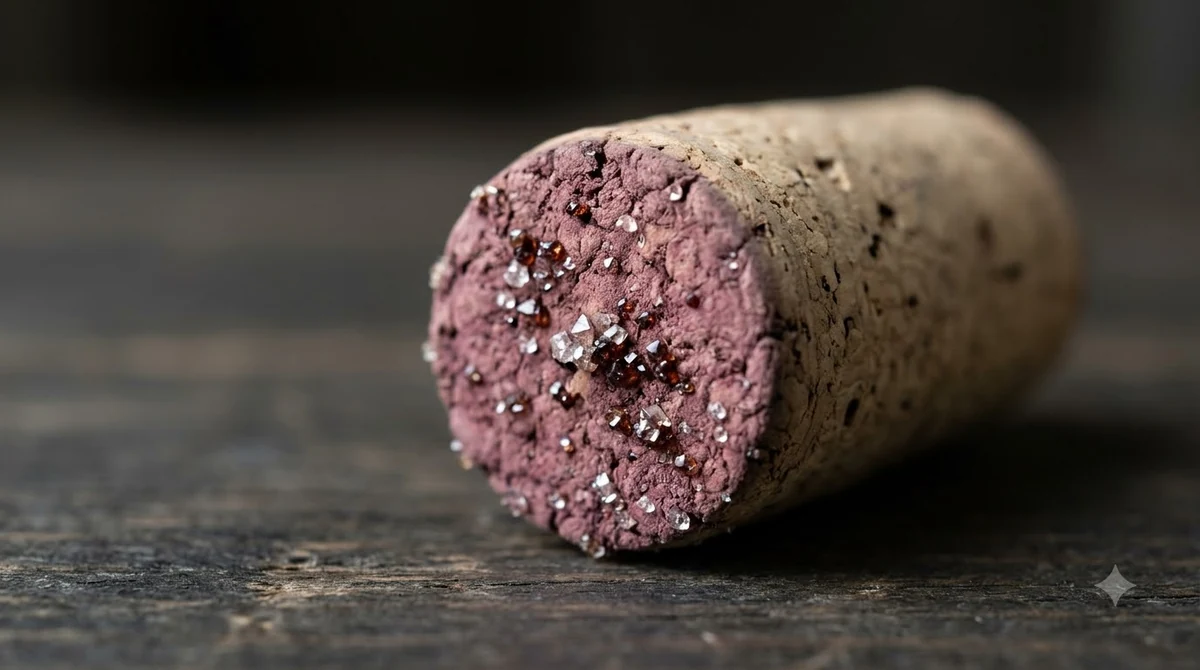
Tannins are naturally occurring compounds found in grape skins, seeds, and stems. They interact with proteins in saliva, creating the drying or gripping sensation associated with certain red wines. Tannin is not the same as acidity: acidity produces a mouthwatering, sometimes tart sensation, while tannin makes the gums, tongue, and inside of the cheeks feel less slippery.
Gamay, the principal red grape of Beaujolais, generally produces less assertive tannins than thick-skinned varieties such as Cabernet Sauvignon. Its naturally fresh fruit character and lively acidity help create wines that feel energetic without requiring substantial tannin to provide structure. This makes Beaujolais particularly appealing to drinkers who find heavily extracted reds too drying.
The following comparison provides a useful general reference. These are typical stylistic ranges rather than guaranteed measurements, because vineyard conditions and winemaking decisions can change the finished wine.
| Wine style or grape | Typical tannin level | General mouthfeel |
|---|---|---|
| Beaujolais Nouveau | Very low | Juicy, soft, light |
| Standard Beaujolais | Low | Fresh, smooth, delicate |
| Beaujolais-Villages | Low to medium | Rounded, balanced |
| Cru Beaujolais | Low to medium, sometimes medium | More structured and concentrated |
| Pinot Noir | Low to medium | Silky, delicate to moderately firm |
| Merlot | Medium | Soft, rounded |
| Syrah | Medium-plus to high | Firm, sometimes gripping |
| Cabernet Sauvignon | High | Firm, drying, structured |
These differences explain why Beaujolais can be a useful alternative for someone who enjoys the freshness of Pinot Noir but wants an accessible French red with its own distinctive fruit profile. If you are comparing the two varieties, our article on Pinot Noir tannins provides another useful reference point.
Remember that low tannin does not mean low flavor, poor quality, or sweetness. A dry Beaujolais can have intense cherry, raspberry, blackberry, floral, and mineral characteristics while remaining gentle on the palate. Its acidity, fruit concentration, and aromatic complexity can provide plenty of character without a heavy tannin structure.
Why Gamay Usually Produces Soft Tannins
Gamay’s naturally delicate grape skins and the way the variety is traditionally handled help explain Beaujolais’s reputation for approachable tannins. The grape can produce both fresh, light wines and more concentrated reds, depending on ripeness, vineyard conditions, and cellar practices.
Gamay Noir à Jus Blanc is the principal red grape of Beaujolais. The Beaujolais wine council describes it as a natural cross between Pinot Noir and Gouais Blanc. Its thin, delicate purple-black skins are an important part of its winemaking character because the skins contain much of the pigment and tannin extracted during red wine fermentation.
When grapes have relatively delicate skins, winemakers can produce colorful, aromatic wines without necessarily extracting large quantities of tannin. This is particularly relevant to Beaujolais, where the traditional objective is often to emphasize freshness, fruit, and drinkability rather than create a heavily structured red.
Gamay also ripens relatively early. Its natural fruit expression includes raspberry, wild strawberry, blackberry, and black cherry, while certain examples have floral or peppery characteristics. These aromas can make the wine seem generous and expressive even when its tannin concentration remains modest.
Vineyard management also matters. Gamay is a naturally productive variety, so growers need to manage yields to maintain grape concentration and quality. The Beaujolais wine council describes traditional short gobelet-style pruning as one method used to control the variety’s vigor.
Ripeness is another important consideration. Under-ripe grapes can produce less harmonious wines, with harder seed or stem sensations and less developed fruit. Well-ripened grapes, handled carefully during fermentation, can produce a more integrated structure in which tannins support the fruit rather than dominate it.
This explains why two wines made from Gamay can taste quite different. One might be light, bright, and immediately approachable, while another has darker fruit, greater concentration, and a noticeably firmer finish. The grape provides the foundation, but the vineyard and winemaking determine how that foundation develops.
How Carbonic Maceration Changes Tannin Levels
Carbonic and semi-carbonic maceration are central to the traditional Beaujolais style because they emphasize fruit expression while generally limiting tannin extraction. The resulting wines often have bright color, juicy fruit, and a soft texture.
Traditional carbonic maceration involves placing intact grape clusters in a sealed tank filled with carbon dioxide. In this oxygen-poor environment, fermentation begins inside individual berries. As the process continues, the berries eventually break down, releasing juice that undergoes conventional yeast fermentation.
Because the grapes initially remain intact, there is less direct contact between the juice and the skins than in conventional crushed-grape fermentation. This generally limits the extraction of tannins while allowing the development of distinctive fruity aromas. Banana, candied fruit, strawberry, and cherry notes are commonly associated with this style.
Semi-carbonic maceration follows a related but slightly different process. Whole clusters are placed in a vat without necessarily adding carbon dioxide at the beginning. The weight of the grapes crushes some fruit at the bottom, allowing conventional fermentation to start. The resulting carbon dioxide surrounds the remaining intact berries and encourages intracellular fermentation.
Both approaches can produce approachable wines, although the results depend on fermentation length, temperature, grape condition, and the amount of whole-cluster material used.
Why fermentation length matters
Famille Chermette provides a useful example of how maceration can vary between wine styles. Its published vinification description gives the following typical durations for its production:
- Beaujolais Nouveau: 4 to 6 days of maceration.
- Beaujolais du printemps: 5 to 7 days of maceration.
- Cru wines: 10 to 12 days of maceration.
These differences illustrate why a Cru Beaujolais can have more substantial structure than a Nouveau even when both are made from Gamay. Longer maceration gives the winemaker more opportunity to extract compounds from the skins, although the final tannin level also depends on grape maturity, temperature, cap management, and pressing decisions.
At Famille Chermette, the semi-carbonic process includes pumping juice from the bottom of the tank over the upper grapes in the morning and evening after the initial 2 to 3 days of maceration. This helps develop color and structure while retaining a supple texture.
Not every producer follows the same approach. Some use more conventional fermentation, while others combine different techniques within a single cuvée. These decisions help explain the considerable range of textures found throughout the region.
For readers interested in the practical distinction between these techniques, VinePair’s Beaujolais wine guide provides an accessible explanation of carbonic and semi-carbonic maceration and their influence on the finished wine.
Which Beaujolais Appellations Have More Tannin?
Beaujolais Nouveau and basic Beaujolais generally have the softest tannins, while many Cru wines have greater concentration and more noticeable structure. Morgon and Moulin-à-Vent are particularly useful appellations to explore if you prefer a red wine with a firmer finish.
The region has three broad quality levels: Beaujolais, Beaujolais-Villages, and the 10 Crus. These categories provide a starting point for understanding style, although appellation alone cannot guarantee a particular tannin level.
Beaujolais and Beaujolais Nouveau
Basic Beaujolais is typically light-bodied, fruity, and refreshing. Its tannins tend to be low, making it suitable for casual meals, charcuterie, lighter cheeses, and everyday drinking.
Beaujolais Nouveau is usually even softer. Released shortly after harvest, it is made for early consumption and commonly displays juicy strawberry, raspberry, and cherry flavors. Its characteristic fermentation approach emphasizes fruit rather than substantial tannic structure.
Beaujolais-Villages
Beaujolais-Villages generally offers more concentration than basic Beaujolais. Wines from its designated growing areas can show red and black fruit, greater body, and a more noticeable tannin presence.
The 38 designated villages do not all produce identical wines. Differences in soil, elevation, exposure, grape maturity, and winemaking create variation across the appellation. Some bottles remain delicate and fruity, while others have enough structure to accompany richer dishes.
The 10 Cru appellations
The Crus represent the region’s more individually distinctive red wines. They include Brouilly, Chénas, Côte de Brouilly, Chiroubles, Fleurie, Juliénas, Morgon, Moulin-à-Vent, Régnié, and Saint-Amour.
The following descriptions provide a practical starting point for understanding their typical structure:
- Brouilly: Often fresh and approachable, with red fruit and relatively gentle tannins.
- Chiroubles: Frequently elegant, floral, and light to medium-bodied.
- Fleurie: Known for perfume, finesse, and a relatively silky texture.
- Saint-Amour: Can combine fragrant fruit with moderate structure and spice.
- Côte de Brouilly: Often more concentrated and structured than many examples of Brouilly.
- Juliénas: Frequently offers dark fruit, spice, and a firmer frame.
- Régnié: Can combine juicy fruit with moderate tannin and mineral character.
- Chénas: Often has more concentrated fruit and a structured finish.
- Morgon: Commonly produces deep, earthy wines with more pronounced structure.
- Moulin-à-Vent: Particularly associated with powerful, age-worthy Gamay and firmer tannins.
These descriptions are general tendencies rather than strict rules. A light-handed producer can make a relatively delicate Morgon, while a concentrated, oak-aged wine from another Cru can feel surprisingly firm.
For a first exploration of more structured Beaujolais, try comparing a Fleurie with a Morgon. Their differences in body, fruit concentration, and tannin provide a useful illustration of how much variation Gamay can offer.
How Soil, Oak, and Aging Influence Structure
Vineyard soils and cellar decisions can make Beaujolais tannins feel more or less pronounced. Granite-rich northern sites, limestone and clay areas, oak aging, and longer maceration all contribute to differences in the wine’s final texture.
The northern part of Beaujolais contains many of the region’s Cru vineyards and has significant areas of granite, schist, and other ancient geological formations. These conditions contribute to the distinctive wines of appellations such as Morgon, Moulin-à-Vent, Fleurie, and Chiroubles.
Granite is often associated with wines that combine freshness, mineral impressions, and noticeable structure. However, soil does not directly create tannins in the same way grape skins do. Rather, vineyard conditions influence grape development, ripeness, concentration, and the balance of the finished wine.
Southern Beaujolais contains more clay and limestone soils in many areas. Wines from these locations can emphasize approachable red fruit and softer textures, although producer decisions remain important. It would be misleading to assume that every limestone-grown Gamay is less tannic than every granite-grown example.
The effect of oak aging
Oak can influence tannin structure in two different ways. First, the wood itself contains tannins that may enter the wine during aging. Second, oxygen exchange through wooden vessels can gradually change the way existing tannins interact, sometimes making their texture feel more integrated.
Famille Chermette describes using 228-liter oak barrels ranging from new to seven years old for selected wines. Newer oak can contribute additional wood tannins, along with vanilla and woody notes, while older barrels generally have a less pronounced flavor contribution.
The producer also describes large old oak casks measuring 40 to 55 hectoliters. These vessels allow micro-oxygenation, which can help round tannins and stabilize color. The resulting texture depends on the wine, the age and condition of the barrel, and the length of maturation.
Not all Beaujolais is aged in oak. Stainless steel tanks and concrete vats are also used to preserve freshness and emphasize Gamay’s red and black fruit character. A wine matured in these vessels may retain a particularly direct fruit profile, although it can still have substantial tannin if the grapes and extraction methods support it.
Oak should therefore be considered one influence rather than a guarantee of high tannin. A wine aged in older oak may feel rounded and integrated, while a concentrated wine fermented and matured without new wood can still have a firm finish.
How to Recognize and Enjoy Beaujolais Tannins
The easiest way to understand Beaujolais texture is to pay attention to the sensation on your gums and cheeks after each sip. Most examples should feel refreshing and relatively smooth, but structured Cru wines can leave a more noticeable drying sensation.
Start by taking a small sip and allowing the wine to coat your mouth. Notice whether your gums feel dry, whether your cheeks seem slightly grippy, and whether the sensation disappears quickly or persists after swallowing.
Then separate the wine’s acidity from its tannins. Beaujolais often has lively acidity, which can make your mouth water. This tart, refreshing feeling is not evidence of high tannin. A wine can have high acidity and low tannin at the same time, which is one reason Gamay often feels so energetic.
Fruit concentration can also influence your impression of structure. A concentrated black-cherry or blackberry profile may make a wine seem fuller than a delicate strawberry-driven Nouveau. However, richness of fruit does not necessarily mean that the wine contains high tannins.
Serving temperature is another consideration. Light-bodied Beaujolais is often most enjoyable slightly chilled, around 55 to 60 degrees Fahrenheit. More concentrated Cru examples can be served toward the warmer end of the light-red range, particularly when they have additional structure.
Tip: Compare a Beaujolais Nouveau with a Morgon side by side. Serve both at approximately 55 to 60 degrees Fahrenheit, then pay attention to how long the drying sensation remains after swallowing. This simple comparison makes the difference between soft and more structured Gamay particularly easy to recognize.
Opening a bottle shortly before serving is generally sufficient for uncomplicated Beaujolais. More concentrated, young Cru wines can benefit from 15 to 30 minutes of air, although extensive decanting is rarely necessary for lighter styles. Very young, particularly full-bodied reds may benefit from longer aeration, but the decision should depend on the wine’s actual structure.
If you are wondering about chilling, our explanation of whether Beaujolais should be chilled covers serving temperatures and practical ways to avoid serving light red wines too warm.
Food pairing with low-tannin red wine
Beaujolais works particularly well with food because its acidity and relatively gentle tannins provide flexibility. Unlike heavily tannic reds, it can accompany many dishes that would otherwise make a powerful Cabernet Sauvignon seem overly aggressive.
Roast chicken, pork tenderloin, grilled sausages, mushroom dishes, and charcuterie are dependable choices. The wine’s bright acidity helps refresh the palate, while its fruit complements savory flavors and moderate seasoning.
Cheese is another natural partner. Brie and Camembert work particularly well with lighter Beaujolais because their creamy textures do not overwhelm the wine. A more structured Morgon or Moulin-à-Vent can also accompany firmer cheeses and richer meat dishes.
Beaujolais can even work with white fish, particularly when the preparation includes herbs, mushrooms, or roasted vegetables. Its low tannin level makes it more compatible with delicate fish than a heavily structured red wine.
For spicier meals, choose a fruit-forward, lower-alcohol example and avoid excessive chili heat. Alcohol can amplify the perception of spice, and tannin can make hot dishes feel more aggressive. A lighter Beaujolais is generally a better choice than a powerful, heavily extracted red for food with pronounced chili heat.
The most important principle is balance. Match the intensity of the wine with the richness of the dish, and use acidity to complement foods with bright or savory flavors. The softness of Beaujolais makes it versatile, but the more structured Crus can handle meals with greater depth and richness.
Frequently Asked Questions
Are Beaujolais wines naturally low in tannins?
Yes, most Beaujolais wines have relatively low tannins because Gamay has delicate skins and the region frequently uses fermentation methods that limit extraction. The grape’s natural characteristics are not the only factor, however. Maceration length, whole-cluster handling, oak, and vineyard conditions can produce noticeably different results.
Does Beaujolais Nouveau have fewer tannins than regular Beaujolais?
Generally, yes. Beaujolais Nouveau is designed for early drinking and typically undergoes short maceration, often emphasizing fruit rather than substantial extraction. Its fermentation style also contributes to its characteristic banana and candied-fruit aromas, distinguishing it from wines intended for longer development.
Can Beaujolais wines age for several years?
Yes, particularly selected Cru wines. Fleurie can age for around 10 years in favorable vintages, while structured Morgon and Moulin-à-Vent examples can develop over periods approaching 20 years. Cellaring potential depends on the producer, vintage, vineyard site, and concentration of the individual wine.
Does Beaujolais have more tannin than white wine?
Most traditional white wines contain little or no noticeable grape-skin tannin because their juice is fermented with limited skin contact. Red Beaujolais receives more skin contact during winemaking, so it generally has more tannin than conventional white Chardonnay or Sauvignon Blanc. Skin-contact white wines are an important exception.
Can Beaujolais tannins become stronger as the wine ages?
Not necessarily. During bottle aging, tannins can gradually combine and form larger compounds, sometimes creating sediment as the wine develops. The resulting wine may feel softer and more integrated, even though its underlying tannin structure remains important to its aging potential.
Beaujolais offers much more than simply light, fruity red wine. Its Gamay-based wines range from exceptionally soft Nouveau to concentrated, structured Crus, with fermentation, vineyard conditions, and oak aging shaping the final texture. If you prefer fresh acidity and gentle tannins, start with Beaujolais or Fleurie; if you want more grip and depth, explore Morgon and Moulin-à-Vent.
More in Wine Types & Grapes
 What Does Mourvèdre Taste Like? Flavor Profile, Regions, and PairingsUpdated Nov 20, 2026
 What Does Marsanne Taste Like? Flavors, Styles, and Food PairingsUpdated Nov 20, 2026
 What Does Malvasia Taste Like? Styles, Flavors, and Food PairingsUpdated Nov 20, 2026
 What Does Grenache Blanc Taste Like? Flavor Profile, Styles, and PairingsUpdated Nov 20, 2026
 What Does Garnacha Taste Like? Key Flavors, Styles, and Pairing TipsUpdated Nov 20, 2026
 What Does Fruit Wine Taste Like? A Complete Flavor and Style BreakdownUpdated Nov 20, 2026