

We may earn a commission when you buy through links on this page, at no extra cost to you. Learn more.
The most reliable answer to what wine goes with goat cheese is a crisp Sauvignon Blanc, especially one from France’s Loire Valley such as Sancerre. Its bright acidity meets the cheese’s tang, while citrus, mineral, and herbal notes complement the creamy, sometimes grassy flavor. For older or ash-rind goat cheese, broaden the choice to dry Chenin Blanc, crisp rosé, or a lighter red such as Cabernet Franc.
Goat cheese is not one fixed flavor or texture. A fresh chèvre log behaves differently from a soft bloomy wheel or a firm, aged wedge, and the herbs, fruit, honey, or vegetables served beside it can change the best bottle. Start with the cheese itself, then account for the complete dish.
Why Sauvignon Blanc Is the Safest First Pour
For fresh chèvre, Sauvignon Blanc is the easiest place to begin: its lively acidity keeps pace with the cheese, and its citrus and green-herb flavors echo the cheese’s fresh, grassy side. Loire Valley examples such as Sancerre and Pouilly-Fumé are classic choices because they tend to emphasize freshness and mineral character rather than very ripe fruit.
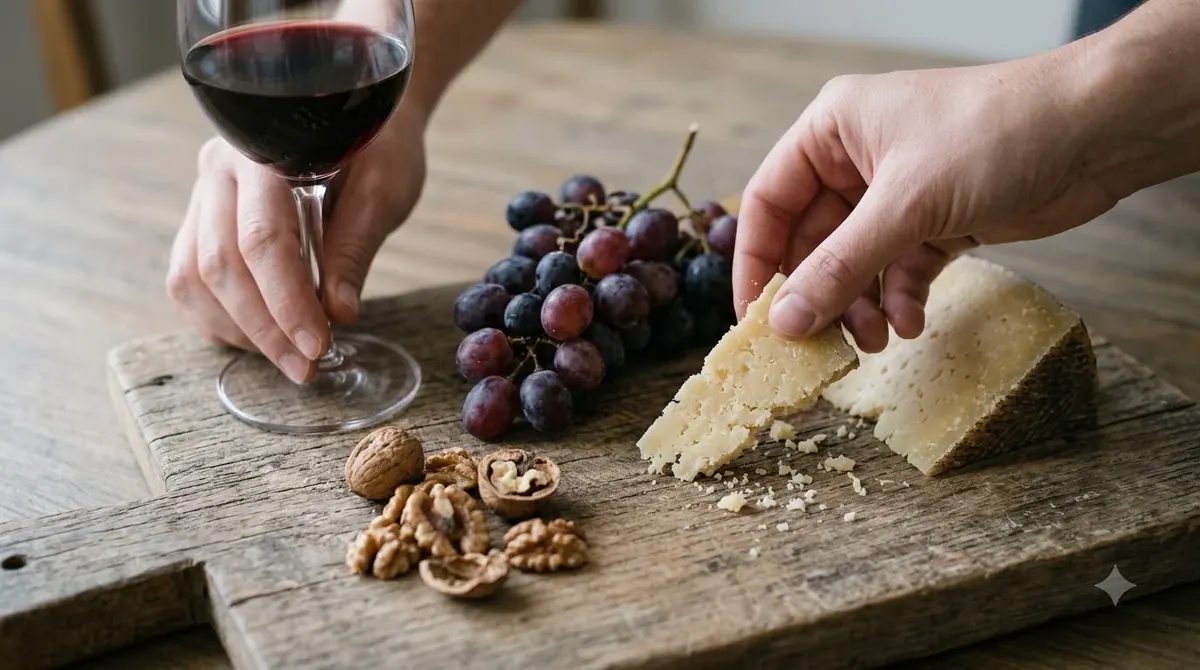
Goat cheese has a natural tang of its own, so the goal is not simply to find the sharpest wine available. The most successful match feels balanced: the wine should taste just as lively after a bite of cheese as it did before it. A Sauvignon Blanc with clean lemon, grapefruit, green apple, or fresh herb notes usually does that well. Wine Enthusiast also points to Loire Sauvignon Blanc as a classic partner for goat cheese, noting the wines’ grassy and mineral qualities; its goat cheese pairing advice is a useful starting point.
Look beyond the grape name to the wine’s style. A cool-climate Sauvignon Blanc with citrus, herbs, and restrained fruit is often more versatile than a very ripe, tropical version. A little texture is welcome, but heavy oak or an overtly sweet finish can distract from a delicate fresh chèvre. If the cheese is mild and creamy rather than sharply tangy, a rounder white may be more comfortable than the most piercing Sauvignon Blanc.
Match the Wine to the Cheese’s Age and Rind
The cheese’s age and rind are just as important as the fact that it is made from goat’s milk. Fresh logs, bloomy-rind wheels, ash-coated cheeses, and firm aged wedges carry different levels of tang, earthiness, and texture, so they do not all need the same wine.

Fresh chèvre logs are moist, soft, and bright, with a clean lactic tang and sometimes a distinctly goaty aroma. Pour a crisp Sauvignon Blanc, dry Chenin Blanc, or pale dry rosé. These wines have enough freshness to match the cheese without burying its delicate flavor. If the log is rolled in chives, dill, parsley, or cracked pepper, Sauvignon Blanc’s herbal notes can make the combination feel especially natural.
Bloomy-rind and ash-rind cheeses have more going on. Their surfaces can add mushroom, earth, chalk, and additional savory complexity, while the interior may remain creamy. Humboldt Fog, the California goat cheese with a thin line of vegetable ash through its paste, is a good example: Wine Enthusiast describes its younger flavors as lemony and lactic, becoming earthier and more musty as it ages. Try Sauvignon Blanc with a fresher, brighter piece; for a softer, more developed wheel, consider Chenin Blanc, traditional-method sparkling wine, or a light red with gentle tannins.
Aged goat cheese is usually firmer, drier, and more concentrated than a fresh log. It can handle a wine with more body and savory depth, especially if the rind adds nuttiness or earthy notes. Dry Chenin Blanc is a particularly useful bridge, while Loire Cabernet Franc can work when the cheese is assertive enough to meet the red wine’s structure. A mature wedge is a better candidate for a red than a very fresh chèvre, which can make firm tannins feel harsher.
White Wines Beyond Sauvignon Blanc
Sauvignon Blanc is the classic, but it is not the only white grape that suits goat cheese. Dry Chenin Blanc is the most flexible alternative, and a fuller white blend can work when the cheese is especially creamy or mature.
Dry Chenin Blanc brings brisk acidity with a rounder texture than many Sauvignon Blancs. Look for a dry Vouvray or another Loire Chenin Blanc when serving fresh chèvre with herbs, or when a bloomy rind has a chalky, creamy character. Chenin can show apple, quince, pear, and floral notes, so it also works when the plate includes sliced pear, toasted nuts, or a little fruit preserve. The important distinction is dryness: Chenin Blanc is made in dry, sparkling, and sweet styles, and the sweetness level changes how it behaves with savory food.
Off-dry Riesling is an option for a goat cheese that is floral, lemony, or especially tangy, particularly when the dish includes honey or dried fruit. A small touch of sweetness can soften the sharp impression of the cheese, while the grape’s acidity keeps the pairing from feeling heavy. Choose a lightly off-dry style rather than a very sweet dessert wine for an ordinary cheese plate. VinePair’s pairing discussion includes rounder Chenin Blanc and off-dry Riesling as alternatives for young goat cheeses with pronounced lemony acidity.
White Bordeaux offers a richer direction. Wines from Pessac-Léognan often blend Sauvignon Blanc with Sémillon; the latter can lend a fuller, creamier impression, and oak aging may add notes of stone fruit and nuts. This style can suit a buttery goat cheese or an aged wedge with a more substantial texture. Keep the wine’s oak and weight in proportion to the cheese: a delicate fresh log can disappear beside a heavily oaked white, while a more developed cheese has the flavor to meet it. For a broader explanation of how acidity, sweetness, texture, and intensity interact, see this introduction to Wine Pairing.
Red Wine, Rosé, and Sparkling Options
You can serve red wine with goat cheese, but choose a lighter, fresher style rather than a powerful, tannic bottle. Rosé and sparkling wine are versatile choices when the cheese is fresh, the plate includes several ingredients, or guests prefer a wine that works across different bites.
Cabernet Franc is the red to reach for first, particularly with a mature or ash-rind goat cheese. Loire Valley versions are generally more restrained than many bold Cabernet-based reds, with fresh acidity, red-fruit character, and herbal notes that suit the savory edge of an aged cheese. Serve it slightly cool so the fruit stays lively. If the cheese is young, very soft, and sharply tangy, a white or rosé will usually be easier to match.
Gamay is another smart red option. Its juicy fruit can balance the earthy, gamy note that some people notice in goat cheese, without the heavy tannin of a Cabernet Sauvignon or a powerful Syrah. Beaujolais is a natural place to look, though Gamay from California or Oregon can also fit. A lighter Pinot Noir can work with a mild, chalky ash-rind cheese; VinePair describes a Sancerre Rouge made from Pinot Noir alongside a young, creamy Loire goat cheese.
Dry rosé is a particularly good match for fresh chèvre in salads and on appetizer boards. A pale Provence rosé, including Bandol, brings freshness and subtle red-fruit notes without overwhelming herbs or tender greens. Traditional-method sparkling wines can also work: the bubbles refresh the palate, while a Blanc de Blancs Champagne made entirely from Chardonnay can echo the chalky texture of certain ash-rind cheeses. Keep sparkling wine around 40–50°F and choose a dry style for savory pairings.
Pair Goat Cheese with Salads, Toast, and Main Dishes
The ingredients around goat cheese can matter as much as the cheese itself. A salad with lemon dressing needs a wine that remains lively beside the acidity, while honey, fruit, roasted vegetables, and toasted bread can make a rounder or fruitier style more appealing.
For a goat cheese salad, start with Sauvignon Blanc or a pale dry rosé. Mesclun greens, asparagus, cucumber, or roasted beets work well with wines that have fresh acidity and herbal or citrus notes. If the salad has dried cranberries, golden raisins, or a sweet balsamic glaze, choose a wine with ripe fruit rather than a very lean, austere white. Use the dressing sparingly and taste the wine with a dressed bite, not just with the plain cheese; vinegar can make a wine seem less fruity and less balanced.
For warm goat cheese on toast, consider what sits on top. Thyme, rosemary, and roasted red pepper point toward Sauvignon Blanc or dry Chenin Blanc. A honey drizzle or fig preserve makes the dish sweeter, so a slightly rounder Chenin or an off-dry Riesling can be more comfortable than an intensely grassy white. If the toast is rich with butter or olive oil, a wine with enough acidity will help keep each bite from feeling heavy.
For baked dishes and sandwiches, match the wine to the full recipe rather than treating goat cheese as the only ingredient. A grilled sandwich with goat cheese, spinach, and roasted pepper can take Sauvignon Blanc or rosé; a richer blend of cheeses may call for a different match, as in these notes on what wine goes with grilled cheese. If goat cheese is folded into baked pasta with cream, mushrooms, or a salty hard cheese, consider a fuller white and use the same logic as you would for what wine goes with mac and cheese. On a mixed board that includes blue cheese, remember that a sweet wine may be needed for that stronger, saltier cheese; the best match for the goat cheese may not be the best match for every item.
Serve the Cheese and Wine at the Right Temperature
Good serving temperature makes the acidity, fruit, and texture of the wine easier to appreciate. Take artisanal goat cheese out of the refrigerator before serving so its aroma and texture can open up, then keep the wine cool enough to stay refreshing without muting its character.
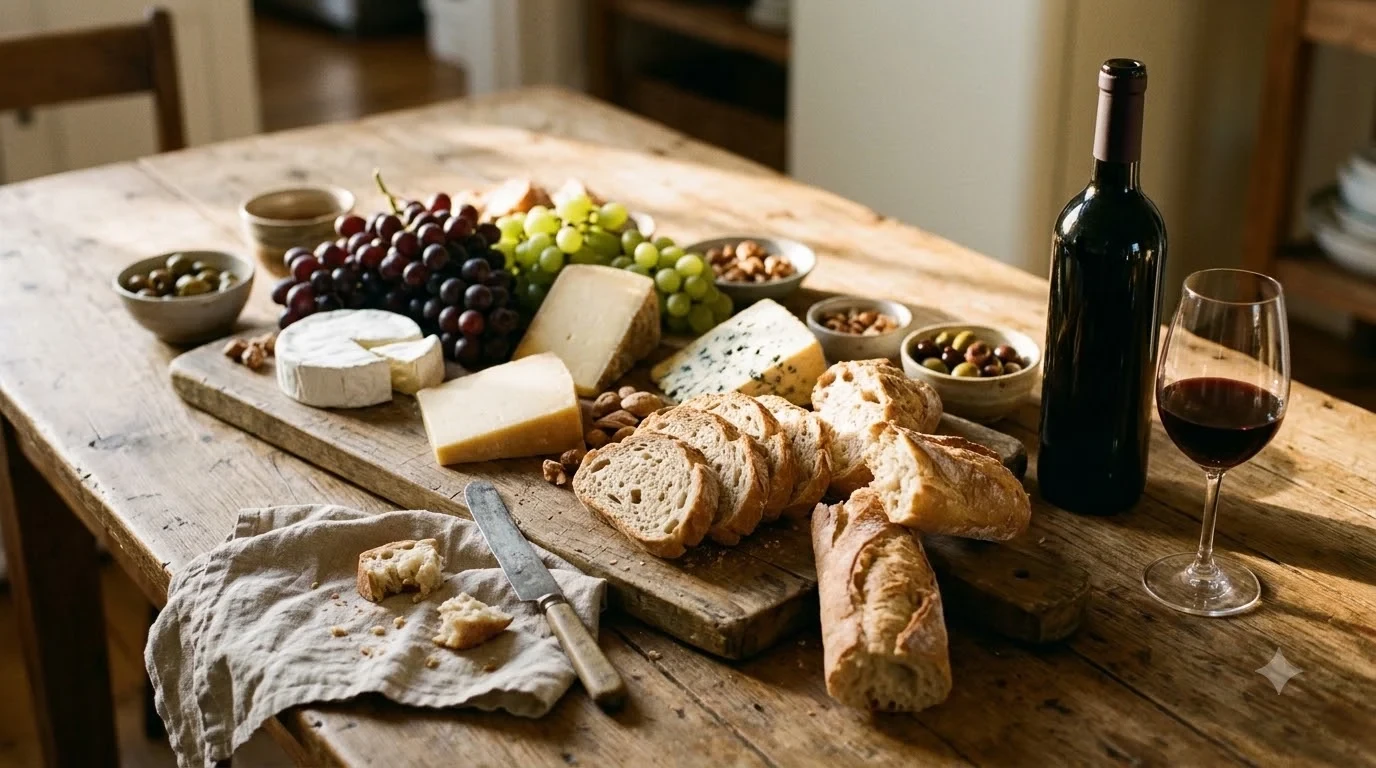
For a board with fresh chèvre, a bloomy wheel, and an aged wedge, serve the cheese at room temperature and arrange it in order from mildest to strongest. Add plain crackers or baguette, sliced pear or apple, grapes, toasted almonds, and a small dish of honey or fruit preserves. Keep sweet accompaniments separate so guests can choose whether to add them; the wine that works with plain cheese may change once honey or jam is on the bite. If blue cheese is also on the board, offer it as a separate tasting point rather than assuming one bottle will suit everything; this guide to what wine goes with blue cheese explains why that style often calls for a different balance.
Use these serving ranges as a practical guide. The temperatures are for the wine, not the cheese.
| Wine style | Serving temperature | Goat cheese match |
|---|---|---|
| Sparkling wine | 40–50°F | Fresh chèvre, bloomy rind, or an appetizer board |
| Light white and rosé | 45–50°F | Fresh logs, salads, herbs, and vegetables |
| Fuller white | 50–55°F | Creamier or more mature goat cheese |
| Light red | 55–60°F | Aged or ash-rind cheese with earthy notes |
| Full red | 60–65°F | Usually too weighty for fresh chèvre; reserve for a substantial, mature cheese-led dish |
| Sweet white | 43–50°F | Small servings with a sweet accompaniment or a dessert-style cheese course |
A standard 750-milliliter bottle gives about five pours of 5 ounces, which is enough to let a small group compare two styles side by side. For a useful tasting, try the same cheese first with Sauvignon Blanc and then with Chenin Blanc or rosé. Notice whether the wine seems sharper, sweeter, more herbal, or more rounded after each bite rather than searching for one universal winner.
Tip: Taste the wine once before eating, then take a bite of plain goat cheese and sip again. Repeat with a little honey, herb, or vinaigrette if it is part of the dish; that quick comparison shows whether the extra ingredient changes the pairing.
Frequently Asked Questions
The best starting point is still a fresh, high-acid white for a young chèvre, but a few details can help when the cheese or recipe is less typical.
Does goat cheese pair with unoaked Chardonnay?
Yes. Unoaked Chardonnay, especially a lean style such as Chablis, can complement a firm or aged goat cheese without adding strong vanilla or toast flavors. Its medium acidity makes it less piercing than Sauvignon Blanc, which can be helpful with a cheese that is more creamy than tangy.
Should you eat the rind on goat cheese?
Most natural bloomy and ash-coated rinds on artisan goat cheeses are meant to be eaten, and the rind can contribute earthy, mushroom-like, or nutty flavors. Try a small piece with and without the rind to see how much it changes the cheese. If the outside is wax or a non-edible wrapping, remove it.
Is all goat cheese strongly flavored?
No. A young, fresh cheese can taste mild, milky, and lemony, while ripening usually brings more concentrated, earthy, or savory notes. The animal-like aroma often associated with chèvre is more noticeable in some fresh cheeses than in every goat cheese.
Can I serve goat cheese with a sweet wine?
Yes, especially when the dish includes honey, fruit preserve, or dried fruit. Choose a wine at least as sweet as the sweet component so the wine does not taste thin or sharply sour beside it. A lightly sweet Chenin Blanc or Riesling is often more practical than a very rich dessert wine for a savory cheese plate.
What wine should I pour with goat cheese pizza?
For a pizza with goat cheese, zucchini, herbs, or lemon, try Sauvignon Blanc or dry rosé. If the toppings include tomato, roasted peppers, and olives, a juicy Gamay can also work because its fruit handles the richer, more savory topping mix. Keep the red lightly chilled rather than serving it warm.
For most fresh goat cheese, begin with Sauvignon Blanc or dry Chenin Blanc; choose rosé for a flexible, food-friendly option and Cabernet Franc for a more mature, earthy cheese. Let the cheese’s age, rind, and toppings guide the final choice, and taste the pairing with the complete bite rather than the cheese alone.
More in Food & Wine Pairing
 Risotto With White Wine Recipe: Make a Creamy Dinner at HomeUpdated Nov 20, 2026
 Wassail With Wine Recipe for a Festive Spiced Holiday DrinkUpdated Nov 20, 2026
 Spritz Veneziano Recipe: Make a Classic Venetian Aperitivo at HomeUpdated Nov 20, 2026
 Summer Wine Punch Recipe for Easy Homemade EntertainingUpdated Nov 20, 2026
 Bishop Recipe: How to Make a Bright, Citrus-Forward Red Wine CocktailUpdated Nov 20, 2026
 Wine Cupcakes Recipe: Bake Rich Chocolate Cupcakes at HomeUpdated Nov 20, 2026