

We may earn a commission when you buy through links on this page, at no extra cost to you. Learn more.
Sweet Chenin Blanc is a white wine made from Chenin Blanc grapes that retain enough natural acidity to balance noticeable residual sugar. It can taste gently off-dry, richly honeyed, or intensely sweet, depending on where the grapes grow and how the fruit is selected and fermented. For a first bottle, look to Vouvray Demi-Sec for a balanced, food-friendly style or Coteaux du Layon and Quarts de Chaume for a more concentrated dessert wine. The best choice depends on how much sweetness you want and what you plan to serve.
Chenin Blanc is a flexible white grape that produces dry wines, lightly sweet bottles, dessert wines, and sparkling styles. Read the region and sweetness terms together rather than assuming every bottle marked Chenin Blanc will taste alike.
Chenin Blanc’s Sweetness Spectrum
Sweet Chenin Blanc ranges from a subtle hint of sweetness to a concentrated dessert-wine texture, and its defining feature is the balance between sugar and acidity. A Vouvray Demi-Sec is often a useful middle ground, while a Quarts de Chaume bottling is a stronger choice for a very sweet finish.
Chenin Blanc naturally keeps high acidity as the grapes ripen. That freshness gives winemakers room to leave grape sugar in the finished wine without making it taste flat or heavy. Sweetness is only one part of the structure; acidity, alcohol, body, and flavor concentration shape the overall impression.
In practical buying terms, think of three broad groups. Off-dry wines have a gentle sweetness that may seem more obvious beside a dry wine than on its own. Medium-sweet versions feel rounder, with ripe orchard fruit and honeyed notes. Very sweet wines are richer and more persistent, often made with very ripe fruit and sometimes grapes affected by noble rot. These are broad tasting descriptions, not a guarantee that every producer uses the same sweetness scale.
What the Wine Tastes Like at Each Level
Expect a progression from fresh apple and citrus in lightly sweet wines to apricot, honey, marmalade, and candied peel in richer examples. Botrytis-affected Chenin can add a deeper, more layered character, while the grape’s acidity keeps even a concentrated wine from tasting merely sugary.
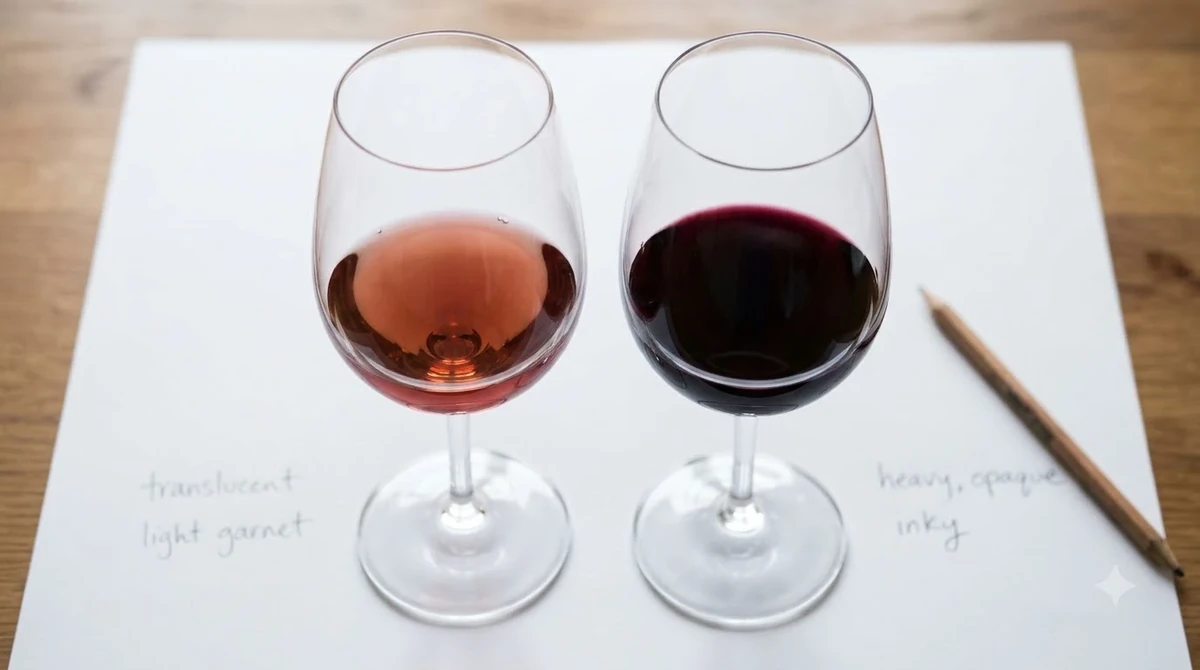
In an off-dry bottle, the first impression may be green apple, pear, white peach, lemon, or white flowers. A little residual sugar softens the acidity and gives the middle of the palate a rounded feel. The finish should still be lively rather than syrupy. This style is especially useful for drinkers who want a white wine with a hint of sweetness but do not want a full dessert wine.
Medium-sweet Chenin typically moves toward ripe apricot, yellow apple, quince, honeysuckle, and warm honey. The texture can feel broader, and the finish may linger with citrus peel or ginger. When grapes are affected by noble rot, the flavor profile can become more concentrated, with notes such as marmalade, candied peel, marzipan, and sometimes a savory mushroom nuance. Those characteristics are signs of grape concentration and winemaking conditions, not added flavorings.
Very sweet Chenin is dense in flavor, with honeyed peach, dried apricot, quince paste, and marmalade. Its acidity gives the finish shape. Oak may contribute toast, vanilla, or nut notes, but it is not required for quality or sweetness.
Loire Appellations and Other Origins
The Loire Valley in France is the most useful starting point for buyers seeking sweet Chenin, especially in Vouvray, Coteaux du Layon, Bonnezeaux, and Quarts de Chaume. Vouvray offers several styles from one appellation, while the sweet-wine appellations in Anjou are known for more concentrated expressions.
Vouvray sits in Touraine on the right bank of the Loire, upstream from Tours. The French appellation authority INAO describes its vineyard as stretching about 20 kilometers above Tours, across roughly 3,000 hectares and eight communes. Chenin Blanc is the sole grape variety for Vouvray’s white wines. The appellation includes still wines labeled sec, demi-sec, and moelleux, as well as sparkling wines, so the place name alone does not tell you how sweet the bottle will be.
For richer wines, look south of the river in Anjou. Coteaux du Layon, Bonnezeaux, and Quarts de Chaume are associated with sweet Chenin made from very ripe grapes, often including fruit affected by noble rot. Coteaux du Layon can offer a balance of ripe fruit, pronounced sweetness, and lively acidity. Quarts de Chaume is a particularly notable name for a special-occasion dessert wine. The Decanter Loire Chenin style guide describes how these Anjou wines combine concentration with freshness.
Chenin also grows outside France, especially in South Africa, where it appears in fresh, dry, ripe, and sometimes sweet styles. California and other New World regions grow the grape too, but buyers seeking an unmistakably sweet expression can use Loire names such as Coteaux du Layon and Quarts de Chaume as more direct clues than the grape name by itself.
Label Clues That Help You Buy
Start with the sweetness word, then use the appellation to narrow the style: Vouvray Demi-Sec points toward off-dry wine, while Moelleux usually signals a sweeter expression. Coteaux du Layon and Quarts de Chaume are stronger starting points when the goal is a dessert-style Chenin rather than a lightly sweet dinner white.

On a French still-wine label, sec means dry. Demi-sec generally indicates an off-dry or medium-dry style, while moelleux signals a noticeably sweet wine. The term liquoreux is used for richer, fully sweet wines. You may also encounter sec tendre, a phrase associated with a softer style that has some residual sugar but can still taste quite fresh. These descriptions are useful clues, although producers and appellations do not all use sweetness terms in exactly the same way.
Vouvray needs particular attention because it can be dry, off-dry, sweet, or sparkling. A bottle marked Vouvray Sec is a different purchase from Vouvray Moelleux, even though both come from the same appellation and grape. The INAO Vouvray appellation entry confirms the range of still and sparkling styles and describes the fruit and texture associated with demi-sec and moelleux wines.
For a side-by-side buying reference, the following broad guide can help translate style language into a serving decision. The gram-per-liter figures are general orientation points for still wine, not fixed promises for every appellation or producer; acidity can make a wine taste drier than its sugar level suggests. A producer’s residual-sugar figure, when available, helps compare two bottles; otherwise, ask whether the wine is off-dry, medium-sweet, or fully sweet.
| Style cue | General residual-sugar guide | What to expect | Useful buying purpose |
|---|---|---|---|
| Sec / dry | About 0–4 g/L (up to 9 with high acidity) | Crisp, citrus-led, little obvious sweetness | Seafood, goat cheese, or dry-white preference |
| Demi-sec / off-dry | About 4–12 g/L (up to 18 with high acidity) | Light sweetness with fresh acidity | Spiced food, savory dishes, or a first sweet Chenin |
| Moelleux / medium-sweet | About 12–45 g/L | Honey, ripe fruit, fuller palate | Fruit desserts, blue cheese, or a sweet finish |
| Liquoreux / very sweet | Often above 45 g/L | Concentrated fruit, long honeyed finish | Small pours with rich desserts or cheese |
Tip: For a first bottle, start with a Vouvray Demi-Sec. Choose Coteaux du Layon or Quarts de Chaume instead when you specifically want a richer, clearly sweet dessert wine.
Food Pairings That Fit the Sweetness
Match the wine’s sweetness to the food’s sweetness and keep acidity in view: the wine should be at least as sweet as dessert, while acidic dishes need a wine with equal or higher acidity. Demi-sec Chenin is versatile with savory food, and richer moelleux styles suit fruit desserts, salty cheese, and dishes with gentle spice.
For a savory meal, try off-dry Chenin with roast pork, glazed ham, chicken in a creamy sauce, or a vegetable tagine with apricots. The touch of sugar complements a glaze or dried fruit, while Chenin’s acidity refreshes the palate between bites of rich food. A little sweetness can soften moderate spice, but very hot chili can overwhelm delicate wine and higher alcohol can intensify the burn; choose a fresh, moderately alcoholic demi-sec for dishes with pronounced heat.
For cheese, pair a richer Chenin with blue cheese, aged salty cheeses, or a board with dried apricots and nuts. Salt can make the fruit seem more vivid, while sweetness balances savory intensity. Compare the balance principles in a guide to organic sweet red wine when choosing between a sweet white and a sweet red.
With dessert, choose a wine that is sweeter than the dish. Sweet Chenin works with apple or pear tart, poached peaches, almond cake, fruit pavlova, and custard-based pastries. Lemon tart or another sharp citrus dessert needs enough acidity in the wine to keep the pairing balanced. Chocolate desserts can be more difficult because dark cocoa bitterness may make a delicate sweet white seem thin; a dessert with fruit, nuts, or pastry is usually a safer match.
Serving and Storage for Best Flavor
Serve sweet Chenin Blanc cool but not ice-cold, generally around 43–50°F, so the wine stays refreshing while its aromas remain easy to notice. A 750-milliliter bottle gives about five standard 5-ounce pours, which makes it practical to plan the amount for dessert or a small group.
If the wine seems muted straight from the refrigerator, allow a few minutes in the glass. Excessive chill can suppress honeysuckle, quince, and honey aromas, while warmer wine can make sweetness and alcohol feel more prominent. Pour a rich dessert wine in smaller portions than a casual demi-sec.
Store unopened bottles in a cool, dark place near 55°F, away from sunlight and temperature swings. Keep natural-cork bottles on their side. Sweet Chenin from strong Loire appellations can age for many years, developing notes of dried fruit, honey, wax, and nuts; a simple, fresh off-dry wine is usually best enjoyed young unless the producer indicates that it is built for cellaring.
After opening, reseal the bottle and keep it in the refrigerator. Most still wines retain their best character for roughly three to five days under refrigeration, although a very sweet wine may remain enjoyable beyond that window. Use a clean stopper and avoid leaving the bottle on the counter overnight. If serving over several courses, pour smaller glasses and return the bottle to the refrigerator between pours.
A Practical Buying Checklist
A reliable purchase starts with the occasion, the preferred sweetness, and the food on the table. Choose Vouvray Demi-Sec for a versatile bottle with dinner, Coteaux du Layon for a sweet but lively pairing, and Quarts de Chaume when a concentrated dessert wine is the main event.
First, decide how sweet you want the wine to taste. If you usually drink dry Sauvignon Blanc or Chardonnay, begin with demi-sec; its modest sweetness is a natural bridge from dry white wine. If you already enjoy dessert wines, choose a Coteaux du Layon, Bonnezeaux, or Quarts de Chaume and plan a smaller pour.
Second, match the style to the menu. A demi-sec works across roast poultry, pork, mildly spiced vegetables, and salty cheese. A more concentrated sweet wine is better with fruit tart, almond pastry, blue cheese, or as a final glass after dinner. For a celebratory alternative with bubbles, compare sparkling Chenin with sweet cava; both can accompany a festive course, but they offer different grape varieties, regions, and production traditions.
Third, compare the producer’s description and any technical details available from the merchant. Look for a clear off-dry, medium-sweet, or dessert-sweet description, and use a residual-sugar figure when one is provided. The organic designation is a separate buying consideration from sweetness: a shopper interested in farming practices can browse organic Chenin Blanc, then narrow the selection by sweetness and region. Organic certification does not by itself mean a wine is dry or sweet. The site’s Wine Buying Guides can help compare bottle styles and shopping language. A simple way to learn your preference is to taste two Chenins side by side, such as a Vouvray Demi-Sec and a sweeter Anjou wine, with the same small plate of cheese or fruit. The contrast makes acidity, sweetness, and texture easier to identify than tasting either wine alone.
Frequently Asked Questions
These answers explain label clues such as Steen in South Africa and the French phrase tries successives, along with cellar and harvest details that can be useful when choosing a bottle.
Is Chenin Blanc also called Steen?
Yes. Steen is the traditional local name widely used for Chenin Blanc in South Africa. A South African bottle may identify the variety as Chenin Blanc, Steen, or both, depending on the producer’s labeling choice.
What does “tries successives” mean on a wine description?
The French phrase refers to successive passes through a vineyard to harvest ripe or botrytized fruit in stages. Instead of picking the entire vineyard in one operation, harvesters return as individual bunches or berries reach the desired condition. This selective approach is common in the production of concentrated sweet wines.
Does sweet Chenin Blanc have to be aged in oak?
No. Sweet Chenin can be fermented and matured in stainless steel, concrete, or neutral vessels, as well as in oak. The choice affects texture and aromatic detail, but oak aging is not a requirement for a high-quality sweet wine.
Can a sweet Chenin Blanc be made without noble rot?
Yes. Producers can make sweet wine from very ripe late-harvest grapes even when noble rot is not the main source of concentration. Botrytis is one route to a richer style, not a mandatory ingredient in every sweet Chenin.
Does a darker golden color always mean a sweeter Chenin?
No. Color can deepen with grape ripeness, botrytis influence, and bottle age, so it is not a reliable sweetness scale by itself. A golden Chenin can be dry, off-dry, or sweet; use the style description and producer information to judge sweetness.
Sweet Chenin Blanc is a flexible choice, from a gently off-dry dinner wine to a richly concentrated bottle for fruit dessert and cheese. Start with Vouvray Demi-Sec if you want balance and versatility, or explore Coteaux du Layon and Quarts de Chaume for a more pronounced sweet-wine experience. Matching sweetness with the food and preserving Chenin’s refreshing acidity are the two simplest ways to choose well.
More in Wine Buying Guides
 Riesling Gift: Choose a Bottle They’ll LoveUpdated Nov 21, 2026
 Sweet Red Wine Gift: Choose a Bottle They’ll LoveUpdated Nov 21, 2026
 Malbec Gift: How to Choose a Memorable Bottle for Any OccasionUpdated Nov 21, 2026
 Sherry Gift Ideas That Match Every Wine LoverUpdated Nov 21, 2026
 Moscato Gift: How to Choose a Sweet Wine They’ll LoveUpdated Nov 21, 2026
 Merlot Gift: How to Choose a Bottle They’ll AppreciateUpdated Nov 21, 2026