

We may earn a commission when you buy through links on this page, at no extra cost to you. Learn more.
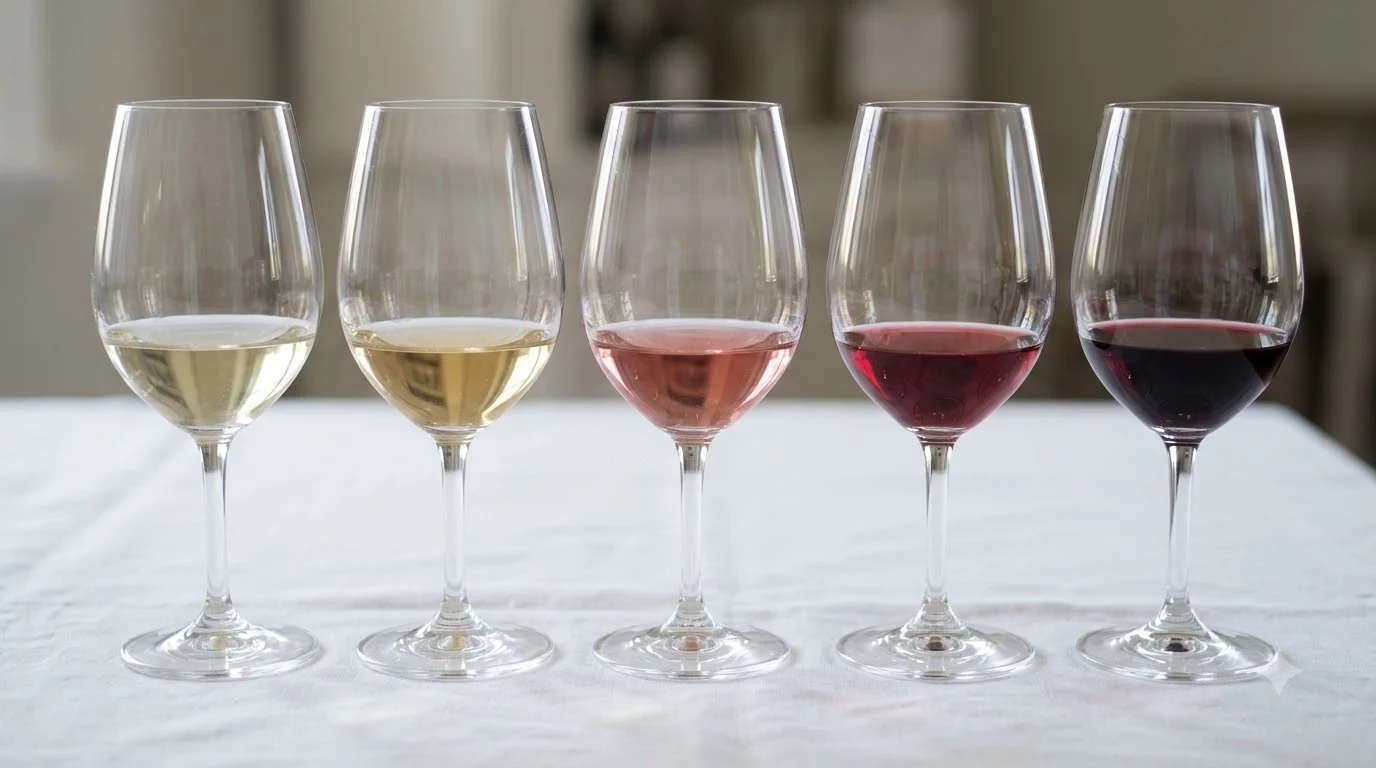
What wine goes with cornish hen? Chardonnay is the best all-around choice for roasted Cornish hen, while Pinot Noir is an excellent red alternative. Both wines complement the bird’s delicate meat, savory skin, and roasted flavors without overwhelming them. Dry rosé, Beaujolais, and sparkling wine also work beautifully, depending on the seasoning, sauce, and side dishes.
Cornish game hen makes an appealing dinner centerpiece because its smaller size allows each guest to enjoy an individual bird. Although it resembles chicken, its concentrated roasted flavors, crisp skin, and generous seasoning create several opportunities for interesting wine pairings. The trick is to match the wine to the entire preparation rather than choosing a bottle based on poultry alone. A lemon-and-rosemary bird calls for something different from a hen served with mushroom gravy, cranberry glaze, or barbecue sauce.
Why Chardonnay and Pinot Noir Are the Best Starting Points
Chardonnay and Pinot Noir are two dependable choices because they offer different ways to complement the delicate meat and savory richness of Cornish hen. Chardonnay provides freshness and a rounded texture, while Pinot Noir contributes red-fruit flavors, gentle tannins, and enough acidity to balance roasted skin.

Chardonnay is particularly versatile with traditional preparations. An unoaked Chardonnay offers apple, citrus, pear, and mineral notes that refresh the palate between bites. This style works especially well with lemon, thyme, garlic, and olive oil. Its medium acidity keeps the combination lively without competing with the bird’s relatively subtle flavor.
An oaked Chardonnay is a better option for preparations involving butter, cream, or a richer pan sauce. The additional body and flavors of vanilla, toasted oak, and ripe stone fruit can complement browned skin and buttery vegetables. Choose a balanced example rather than an excessively heavy, heavily oaked bottling that could dominate the meat.
Pinot Noir is the natural choice for red wine drinkers. Its low-to-medium tannin level makes it more accommodating with poultry than Cabernet Sauvignon or other strongly structured reds. Red cherry, raspberry, earthy notes, and bright acidity work particularly well with rosemary, mushrooms, roasted root vegetables, and caramelized onions.
Burgundy, Oregon, California’s cooler coastal areas, and New Zealand’s Central Otago region are useful places to explore. Look for a lighter-bodied style rather than a heavily extracted wine with prominent oak. A slightly chilled Pinot Noir can be especially enjoyable alongside a warm bird with crisp skin.
Both options have strong practical advantages. Chardonnay is a particularly safe selection for a menu with creamy sides, while Pinot Noir offers a more savory direction for a dinner featuring mushrooms, herbs, and roasted vegetables. If guests have different preferences, serving both is an easy way to accommodate white and red wine drinkers.
Other Red Wines That Complement Cornish Hen
Beaujolais, Grenache, and lighter Merlot offer alternatives to Pinot Noir when Cornish hen is roasted or grilled. These reds bring varying degrees of fruit, spice, and body while generally avoiding the aggressive tannins that can overpower delicate poultry.
Beaujolais, made primarily from Gamay, is an especially appealing option. Its juicy cherry, strawberry, and raspberry character works with roasted skin and aromatic herbs. The wine’s freshness also helps balance the richness of butter-based preparations. Choose a Beaujolais-Villages or a cru such as Morgon, Fleurie, or Brouilly for additional depth.
For a simple roast seasoned with salt, black pepper, garlic, and thyme, a lighter Beaujolais offers a refreshing contrast. Serve it slightly cool at approximately 55 to 60°F. This temperature helps preserve its fresh fruit character without making the wine seem excessively sharp.
Grenache brings a little more warmth and spice. Its ripe red berry flavors can complement paprika, roasted garlic, rosemary, and lightly smoky seasoning. Spanish Garnacha and French Grenache-based wines from the southern Rhône are useful choices. Look for moderate alcohol and restrained tannins so the wine does not overpower the meat.
Merlot is another possibility, particularly when the bird has a rich gravy or deeper roasted flavors. Its medium tannins and softer texture make it more approachable than Cabernet Sauvignon. A restrained Merlot from Bordeaux or a balanced California bottling can work well with mushroom stuffing, caramelized shallots, and roasted potatoes.
Syrah can also work with more intensely seasoned birds, especially those prepared with black pepper, smoked paprika, or rosemary. However, its medium-plus to high tannin and fuller body make it less suitable for a lightly seasoned hen. Choose a fresher, less heavily extracted style when possible.
For most traditional recipes, Pinot Noir and Beaujolais remain the safest red selections. Reserve more powerful wines for preparations with equally pronounced flavors. The objective is to let the wine complement the bird rather than turn dinner into a contest between the glass and the plate.
White Wine, Rosé, and Sparkling Wine Alternatives
Dry rosé, Riesling, Sauvignon Blanc, and sparkling wine provide excellent alternatives when Chardonnay is not available. Their acidity and aromatic character can complement citrus, fresh herbs, salty seasoning, and richer side dishes.
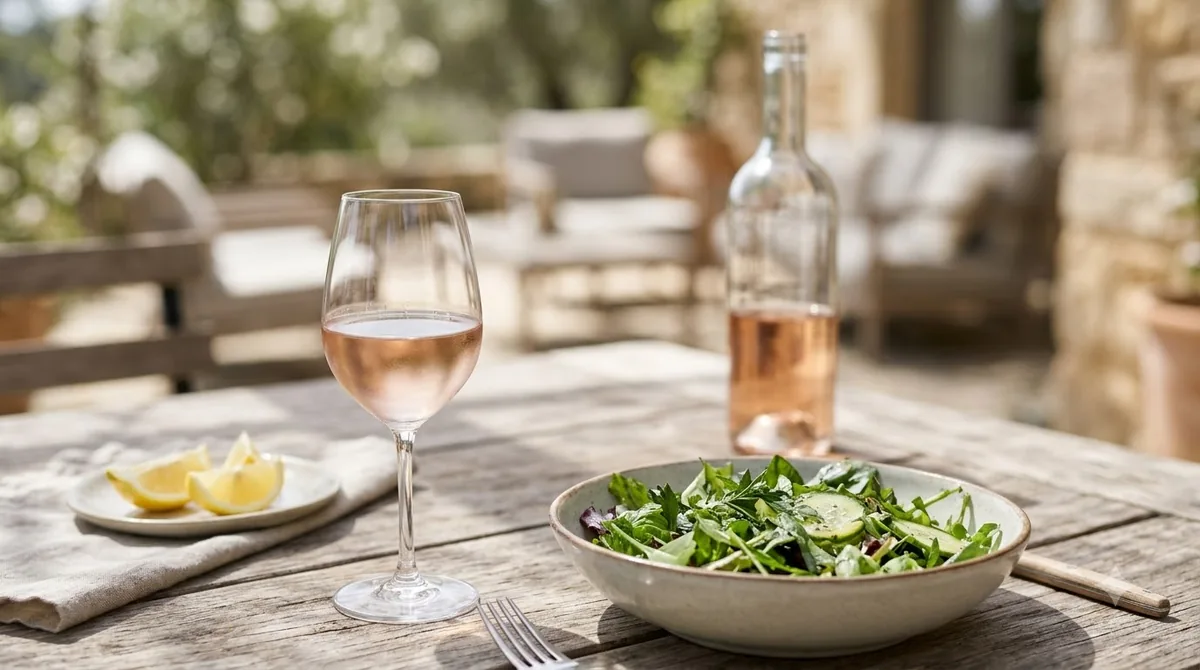
Dry rosé is a particularly flexible choice for Cornish hen served with summer vegetables, salads, or lighter sauces. A Provence-style rosé typically offers delicate strawberry, citrus, and floral notes with a refreshing finish. A slightly fuller rosé from Spain or Italy can provide more structure for a bird with browned skin and generous seasoning.
Rosé is also useful when the menu includes several different side dishes. Its combination of red-fruit character and refreshing acidity can bridge the gap between savory poultry, roasted vegetables, and fruit-based accompaniments. Serve it around 45 to 50°F.
Sauvignon Blanc works especially well with lemon, parsley, green herbs, and lighter vegetable preparations. Its high acidity and citrus-driven flavors can make the meal feel fresher. New Zealand Sauvignon Blanc is a particularly aromatic choice, while Sancerre and other Loire Valley examples often provide a more restrained herbal and mineral profile.
Riesling offers another option, particularly when the hen is prepared with ginger, chili, sweet glaze, or aromatic spices. Dry Riesling provides acidity and citrus character, while an off-dry example can balance moderate heat and sweet-savory sauces. Avoid pairing a very sweet wine with a completely dry, delicately seasoned bird unless the meal includes a sufficiently sweet accompaniment.
Brut sparkling wine is an excellent celebratory pairing. Champagne and traditional-method sparkling wines have refreshing acidity and fine bubbles that complement browned skin, butter, and savory seasoning. Cava is another useful option. For a fruitier alternative, a dry sparkling rosé offers berry notes that connect naturally with roasted poultry.
There is also a direct producer example of this combination. Schramsberg’s rosemary-seasoned Rock Cornish game hen recipe recommends Brut Rosé, demonstrating how sparkling wine can accompany a bird prepared with lemon, garlic, thyme, and rosemary.
For additional guidance on poultry preparations, Decanter’s chicken wine-pairing guide explores Chardonnay, rosé, Pinot Noir, and other styles according to cooking method and seasoning.
Matching Wine to Cornish Hen Seasonings and Sauces
The seasoning and sauce often determine the final wine choice more than the poultry itself. Lemon, rosemary, garlic, mushrooms, barbecue sauce, and fruit glazes each introduce different levels of acidity, sweetness, richness, and spice.
Lemon, garlic, and fresh herbs
For a classic lemon-and-herb Cornish hen, choose unoaked Chardonnay, Sauvignon Blanc, or dry rosé. These wines have enough acidity to complement lemon juice and enough freshness to support rosemary, thyme, and parsley. A light Pinot Noir is also suitable if the bird has developed deeply browned skin during roasting.
Be careful with wines that have very low acidity. Lemon juice can make a soft, low-acid wine seem flat, while a fresh, lively white wine retains its character alongside the citrus seasoning.
Rosemary, thyme, and roasted garlic
Earthy herbs and caramelized garlic favor Pinot Noir, Beaujolais, and balanced Chardonnay. Pinot Noir is particularly appealing because its red-fruit character contrasts with savory herbs while its relatively gentle tannins avoid overwhelming the meat.
For a richer preparation, consider a Chardonnay with moderate oak influence. The rounder texture can complement the browned skin and any butter added during cooking.
Mushroom gravy and cream sauce
Mushrooms introduce earthy flavors that work especially well with Pinot Noir. A Burgundy or Oregon Pinot Noir can echo the savory character of the mushrooms while providing enough acidity to keep the meal from feeling too heavy.
For cream-based gravy, Chardonnay is usually the better white option. An oaked example has sufficient body to accompany the sauce, while a lightly oaked or unoaked version can provide a fresher contrast. Merlot is another possibility if the gravy includes roasted shallots or concentrated meat juices.
Cranberry, orange, and fruit glazes
Fruit-based sauces require particular attention to sweetness and acidity. Cranberry sauce is tart, while orange marmalade and honey glazes can introduce noticeable sweetness. Choose a wine with enough acidity to handle tart fruit and enough fruit character to remain expressive beside the sauce.
Pinot Noir works well with cranberry and cherry-based accompaniments. A fruity Grenache can also complement a sweeter glaze. For a white option, an aromatic Riesling is useful, especially if the preparation includes orange, apple, or honey.
Barbecue and smoky seasoning
Barbecue sauce changes the pairing considerably. Its sweetness, smoke, spice, and acidity call for a fruit-forward wine with sufficient flavor intensity. Grenache and Zinfandel are useful red choices, while off-dry Riesling can work with moderately spicy preparations.
Keep alcohol and tannin in mind if the sauce contains substantial chili. Alcohol and tannin can amplify the perception of heat, making a powerful red less comfortable with spicy food. A slightly sweet, refreshing white is often the more successful option.
Wine Pairings for Popular Cornish Hen Side Dishes
Side dishes can shift the best wine choice because they introduce additional richness, sweetness, acidity, and seasoning. A wine that works perfectly with plain roasted hen may become less convincing alongside buttery potatoes or a sweet fruit stuffing.
For roasted potatoes, buttery carrots, and other traditional accompaniments, Chardonnay is a dependable selection. Its moderate acidity and rounded texture suit the combination of poultry, roasted vegetables, and butter. Pinot Noir is equally useful when the vegetables include mushrooms, onions, or earthy herbs.
Stuffing deserves particular attention. A bread-based stuffing with celery, sage, onions, and stock works with Pinot Noir or Chardonnay. Sausage stuffing introduces more fat, seasoning, and savory intensity, making a medium-bodied red such as Merlot or Grenache attractive. Chestnut stuffing also favors Pinot Noir because its earthy flavors complement the wine’s subtle complexity.
Sweet potatoes and glazed carrots can make a very dry wine seem less fruity. A ripe Chardonnay or fruit-forward Pinot Noir is generally a better choice than a sharply acidic, austere wine. If the side dishes contain maple syrup or brown sugar, a slightly off-dry Riesling may provide a pleasing connection.
Green vegetables introduce another consideration. Asparagus, green beans, and Brussels sprouts can have pronounced vegetal or bitter notes, especially when overcooked. Sauvignon Blanc is a useful pairing for herbaceous preparations, while a dry rosé can work with vegetables roasted in olive oil.
For a menu that includes blue cheese as part of a salad or appetizer, consider serving a separate wine rather than expecting the Cornish hen pairing to cover everything. The saltiness and intensity of what wine goes with blue cheese can call for a different approach, particularly if the cheese is served before the main course.
Likewise, a dinner with eggplant parmesan as an additional course introduces tomato acidity, melted cheese, and fried or baked vegetables. The best match for what wine goes with eggplant parmesan may be different from the wine selected for the poultry. Beaujolais or a medium-bodied Italian red can be useful alternatives for that course.
Serving Temperatures, Portions, and Dinner Planning
Correct serving temperature helps preserve the balance between wine and Cornish hen. Light whites, rosé, and sparkling wines benefit from chilling, while lighter reds should be served cooler than full-bodied reds.
The following temperatures provide useful starting points for a dinner featuring Cornish game hens:
| Wine Style | Serving Temperature | Best Cornish Hen Preparation |
|---|---|---|
| Unoaked Chardonnay | 45–50°F | Lemon, garlic, and herbs |
| Oaked Chardonnay | 50–55°F | Butter, cream, and gravy |
| Pinot Noir | 55–60°F | Roasted herbs and mushrooms |
| Beaujolais | 55–60°F | Classic roast and savory stuffing |
| Merlot | 60–65°F | Rich gravy and roasted vegetables |
| Dry Rosé | 45–50°F | Summer vegetables and lighter sauces |
| Brut Champagne | 40–50°F | Crispy skin and buttery sides |
| Off-dry Riesling | 43–50°F | Sweet glazes and moderate spice |
These temperatures are practical serving ranges rather than rigid requirements. A bottle that is slightly too cold can warm in the glass, while a red served too warm may emphasize alcohol and seem heavier than intended.
Plan the amount of wine according to the number of guests and the number of courses. A standard 750 ml bottle provides approximately five 5-ounce glasses. For four guests, one bottle is generally sufficient for a single moderate pour each, although a second bottle gives everyone the opportunity to enjoy another glass or try a different style.
If the menu includes both Chardonnay and Pinot Noir, serve the white first and the red afterward. This sequence allows guests to appreciate the fresher wine before moving to a red with more pronounced flavor and structure.
Tip: Chill Pinot Noir and Beaujolais briefly before serving rather than pouring them at warm room temperature. Around 55 to 60°F preserves their fresh fruit character and makes them particularly refreshing alongside roasted Cornish hen.
Decanting is generally unnecessary for young, lighter-bodied Pinot Noir or Beaujolais. A young, fuller-bodied red may benefit from 30 to 60 minutes of aeration, especially if it has noticeable oak or a firmer tannin structure. For Chardonnay, opening the bottle shortly before dinner is normally sufficient.
For additional ideas on balancing food flavors, acidity, and wine structure, explore the broader principles of Wine Pairing. These principles are useful for planning the entire menu rather than choosing a bottle based on the main ingredient alone.
How to Choose the Right Bottle for Your Recipe
The easiest way to make a successful selection is to identify the dominant flavor in the finished dish. Start with the cooking method, consider the sauce, and then account for the strongest side dishes. This process usually narrows the options to two or three sensible wine styles.
For a straightforward oven-roasted hen with salt, pepper, olive oil, and rosemary, choose Chardonnay or Pinot Noir. Both have the freshness and moderate intensity needed for traditional poultry. A Beaujolais is an excellent alternative if you prefer a lively red with juicy fruit.
For a more substantial preparation, consider the sauce. Dry Creek Vineyard provides a useful example in its roasted Cornish game hen recipe with rosemary-infused red wine sauce. The recipe serves four and uses two 1-pound birds, Cabernet Sauvignon, balsamic vinegar, chicken stock, shallots, garlic, rosemary, and butter. The combination produces a more concentrated, savory dish than a simple roast.
The recipe roasts the birds at 425°F for approximately one hour, until their internal temperature reaches 165°F. Its sauce is reduced by two-thirds before the butter is incorporated. These details matter for wine selection because concentrated sauce and caramelized aromatics create more intensity than the bird alone.
For this style of preparation, a medium-bodied Merlot, Pinot Noir, or balanced Cabernet Sauvignon can make sense. The Cabernet Sauvignon used in the sauce also provides a natural starting point for choosing a companion bottle, although the best serving wine does not have to be identical to the cooking wine.
Another approach is to select a bottle that works across several components of the meal. If the table includes roasted hen, potatoes, mushrooms, and green beans, Pinot Noir offers considerable flexibility. If the menu features creamy potatoes, buttered vegetables, and a lemon sauce, Chardonnay is a more consistent choice.
Consider your guests’ preferences, too. If most guests prefer white wine, there is no reason to serve a red simply because the poultry has browned skin. An appropriately structured Chardonnay can be excellent. Similarly, red wine drinkers can enjoy Pinot Noir or Beaujolais without needing a heavier wine just because the main course is meat.
Ultimately, the best bottle is one that complements the strongest flavors on the plate while remaining enjoyable on its own. For more substantial meat-centered menus, the considerations behind what wine goes with beef brisket illustrate how richer cooking methods and concentrated sauces can justify a different level of wine body and tannin.
Frequently Asked Questions
Is Cornish hen considered white meat or dark meat?
Cornish game hens contain both white and dark meat, just like larger chickens. The breast is white meat, while the legs and thighs are darker and generally richer. This combination makes versatile wines such as Chardonnay and Pinot Noir particularly practical for serving with an entire bird.
Should Cornish hen wine be served before or during dinner?
Serve the wine alongside the main course so its acidity and fruit can complement each bite. If you are hosting a multi-course dinner, a lighter sparkling wine can be served with appetizers before moving to Chardonnay or Pinot Noir with the hen. Allow approximately 10 to 15 minutes for guests to settle into the main-course pairing.
Can you serve the same wine used in a Cornish hen marinade?
Yes, provided the wine is suitable for drinking and the finished dish has flavors that complement it. A dry white wine used in a lemon marinade can lead naturally to Chardonnay or Sauvignon Blanc at the table. If red wine is used in a rosemary marinade or sauce, Pinot Noir or Merlot may provide a suitable companion.
Does stuffed Cornish hen require a different wine pairing?
It can, depending on the stuffing ingredients. A wild rice stuffing with dried cranberries and pecans introduces sweetness, earthy flavors, and texture, making Pinot Noir or a fruit-forward Chardonnay attractive options. A sausage-based stuffing has more savory richness and can support Merlot or Grenache.
How long can an opened bottle of wine last after serving Cornish hen?
Most opened still wines retain reasonable quality for approximately three to five days when resealed and refrigerated. Sparkling wines generally retain their best character for one to three days with an appropriate sparkling-wine stopper. Store opened bottles upright in the refrigerator and allow them to approach their preferred serving temperature before pouring again.
For most Cornish hen dinners, Chardonnay and Pinot Noir remain the two strongest choices, with Beaujolais and dry rosé offering excellent alternatives. Match the final selection to the herbs, sauce, and side dishes, and serve the wine at the right temperature. A well-chosen bottle will complement the bird’s savory richness without taking attention away from the meal.
More in Food & Wine Pairing
 Risotto With White Wine Recipe: Make a Creamy Dinner at HomeUpdated Nov 20, 2026
 Wassail With Wine Recipe for a Festive Spiced Holiday DrinkUpdated Nov 20, 2026
 Spritz Veneziano Recipe: Make a Classic Venetian Aperitivo at HomeUpdated Nov 20, 2026
 Summer Wine Punch Recipe for Easy Homemade EntertainingUpdated Nov 20, 2026
 Bishop Recipe: How to Make a Bright, Citrus-Forward Red Wine CocktailUpdated Nov 20, 2026
 Wine Cupcakes Recipe: Bake Rich Chocolate Cupcakes at HomeUpdated Nov 20, 2026