

We may earn a commission when you buy through links on this page, at no extra cost to you. Learn more.
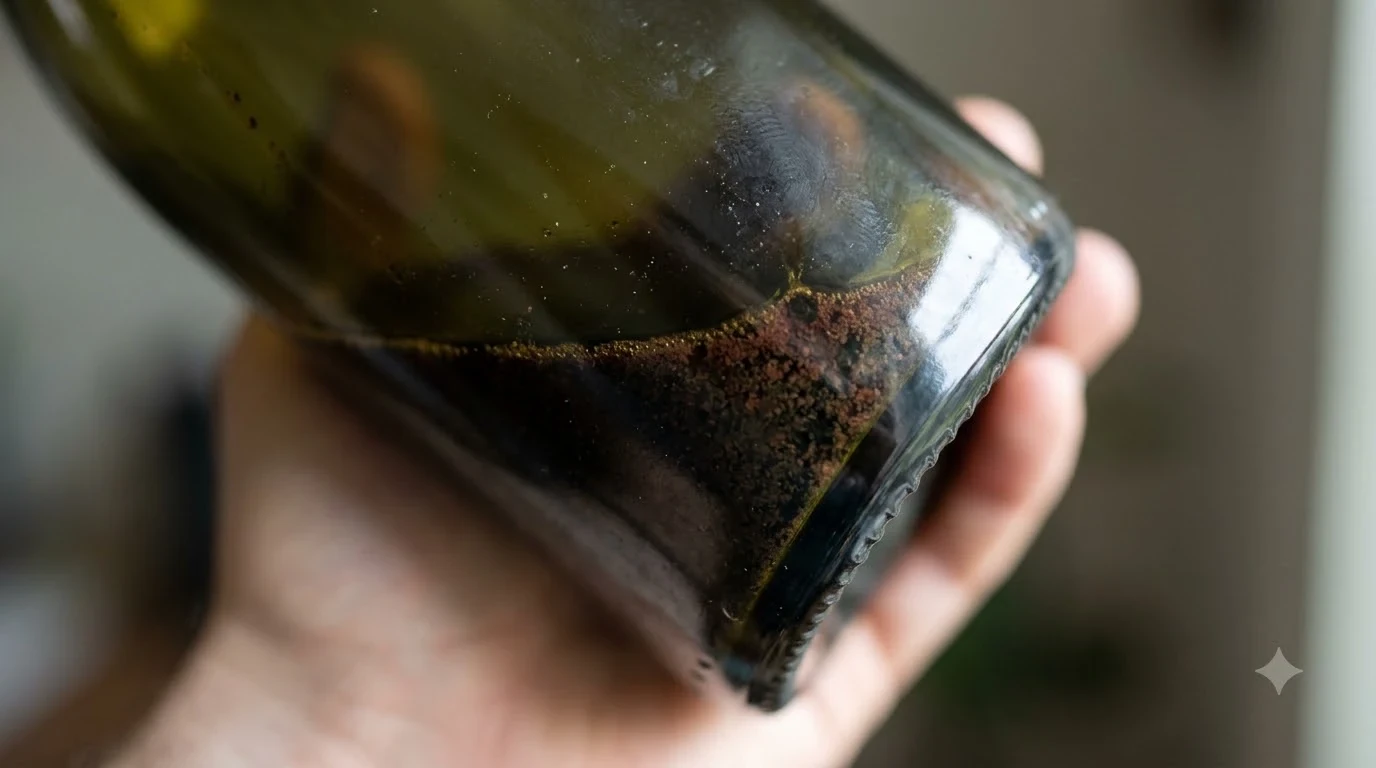
What is residual sugar in wine? It is the natural grape sugar that remains after fermentation, measured in grams per liter and used as one indicator of a wine’s sweetness. Yeast converts much of the grape juice’s glucose and fructose into alcohol and carbon dioxide, but fermentation does not always use every bit of sugar. The remaining amount can influence sweetness, body, balance, and a wine’s final style.
Residual sugar is often abbreviated RS. Understanding it helps explain why two bottles labeled dry can taste different, why some Rieslings seem crisp despite measurable sugar, and why a sparkling wine marked Extra Dry can taste sweeter than one marked Brut. The number matters, but it is only one part of the wine’s sensory profile.
What residual sugar measures
Residual sugar is the glucose and fructose left in a wine after alcoholic fermentation has finished or been stopped. It is normally reported in grams per liter (g/L), a concentration that lets winemakers and wine educators compare wines regardless of bottle size.
Grapes naturally contain fermentable sugars, chiefly glucose and fructose. Yeast consumes those sugars during fermentation and produces ethanol and carbon dioxide. When fermentation is complete, some sugar may remain because the yeast did not consume it all, the juice contained more sugar than the yeast could ferment, or the winemaker chose to preserve a measured amount. Decanter explains that small quantities of certain sugars can remain even in wines that have fermented very dry, so a finished wine does not necessarily reach an analytical zero.
The figure describes sugar concentration, not a quality score. A wine with 2 g/L is not automatically better made than one with 20 g/L. Dry sparkling wine, fruity but dry Sauvignon Blanc, off-dry Riesling, and sweet dessert wine can all be balanced when sugar, acidity, alcohol, and flavor intensity work together.
Residual sugar is also different from fruit flavor. A dry wine can smell of ripe peach, cherry, or tropical fruit without containing much sugar. Aromas may suggest sweetness, but they are not a measurement of sugar. The Wine Glossary explains related terms such as dry, off-dry, acidity, and tannin.
How fermentation leaves sugar behind
Residual sugar remains when yeast stops converting grape sugar into alcohol before all fermentable sugar has been consumed. That can happen naturally because of the conditions in the fermenting wine, or deliberately because the winemaker wants a particular level of sweetness.
One route begins with very ripe or concentrated grapes. Their juice can contain so much sugar that fermentation produces an alcohol level that inhibits yeast activity; cool temperatures or depleted nutrients can also slow yeast. Decanter identifies Sauternes made with noble rot, ice wine made from frozen grapes, and late-harvest wines made from dried grapes as examples of sweet-wine approaches that retain sugar.
Winemakers can also stop fermentation at a chosen point. Cooling the fermenting wine slows yeast activity; filtration can then remove the yeast cells. Decanter describes this process for Moscato d’Asti. Another method is fortification: adding grape spirit raises the alcohol level and stops fermentation, a technique used for Ruby Port and some vin doux naturels. These decisions affect not only sweetness but also alcohol level, texture, and the overall balance of the wine.
Some wines receive sweetness after fermentation. A producer may blend reserved unfermented grape juice or another permitted sweetening component into a dry base wine before bottling. The finished wine’s RS is therefore more informative than assumptions based only on grape variety.
Tip: Think of residual sugar as a measured ingredient in the finished wine, not a description of how fruity it smells. A ripe-fruited wine may be dry, while a high-acid wine can carry noticeable sugar without tasting syrupy.
How to read residual sugar levels
For still wine, a widely used international reference places dry wine at no more than 4 g/L in the standard case, with limited higher allowances when acidity is strong enough to balance the sugar. The OIV’s labeling standard sets the categories below and explains the acidity adjustments, which is why a single cutoff should not be treated as a universal taste test.
| Still-wine description | Typical sugar range | How to interpret it |
|---|---|---|
| Dry | Up to 4 g/L | May reach 9 g/L when total acidity is at least 2 g/L below the sugar level. |
| Medium-dry | Above the dry limit to 12 g/L | May reach 18 g/L when the OIV acidity condition is met. |
| Semi-sweet | Above the medium-dry limit to 45 g/L | Often gives a perceptible sweet impression, though acidity can keep it lively. |
| Sweet | 45 g/L or more | Common in dessert-wine styles, with a wide range of richness and intensity. |
These are labeling categories, not a promise that every taster will experience identical sweetness. The OIV standard defines sugar content through the combined measurement of glucose and fructose. It also permits a dry wine to contain up to 9 g/L when total acidity, expressed as tartaric acid, is no more than 2 g/L below the sugar content. For medium-dry wine, the upper limit can rise from 12 to 18 g/L under the stated acidity condition. That allowance recognizes that acid can counterbalance sugar.
Numbers become easier to picture when converted to a glass. A 5-ounce pour is about 148 milliliters, or 0.148 liter. At 4 g/L, that pour contains about 0.6 gram of residual sugar; at 10 g/L, it contains about 1.5 grams; and at 45 g/L, it contains about 6.7 grams. These are arithmetic estimates based on the concentration and pour size, not serving recommendations or a substitute for the actual analysis of a specific bottle. A 750 mL bottle holds five standard 5-ounce pours, and a magnum holds twice that volume; see how many glasses in a magnum when planning quantities for a group.
Remember that 1 g/L means one gram in a liter, not one gram in a glass. At 8 g/L, a 750 mL bottle contains about 6 grams of residual sugar, while a 5-ounce pour contains about 1.2 grams.
Why the same sugar number can taste different
Residual sugar gives a useful measurement, but the palate experiences the entire wine. Acidity, tannin, alcohol, fruit character, oak influence, and serving temperature can all change how sweet a wine seems, which is why two bottles with matching RS figures may not taste alike.
Acidity is one of the strongest balancing factors. A Riesling with 12 g/L of sugar and lively acidity may taste crisp and refreshing, while a lower-acid wine with the same sugar level can seem rounder and sweeter. The International Riesling Foundation’s sweetness scale takes the relationship between sugar and acidity into account, and Wine Enthusiast notes that aromatic whites such as Riesling, Chenin Blanc, and Gewürztraminer can balance residual sugar with higher acidity. A useful comparison is a high-acid Riesling against a softer, lower-acid white: the number alone will not predict which one tastes sweeter.
Tannin can also reduce the impression of sweetness. Cabernet Sauvignon and Syrah often have more noticeable tannin than Pinot Noir, and tannin’s astringent, drying sensation can make a red feel less sweet than its sugar level suggests. Tannin does not remove sugar; it changes the balance perceived in the mouth. Alcohol, glycerol, and ripe-fruit aromas can also make a dry wine seem softer or sweeter.
Temperature matters too. Chilling generally makes sweetness less obvious, so a sweet white served at 43–50°F can feel fresher than the same wine served warm. Light whites and rosé are usually served around 45–50°F. Temperature does not change the RS measurement; it changes how sweetness and acidity come across. Decanter’s explanation of how residual sugar affects wine connects the laboratory figure with what drinkers perceive. Wine Enthusiast also explains why dry and sweet can be confusing descriptions, including the role of acidity and tannin.
Wine styles that commonly contain residual sugar
Residual sugar appears across many wine categories, from lightly off-dry whites to concentrated dessert wines. The grape variety offers clues, but the producer’s style and fermentation choices determine the final level.
Riesling is a classic example because it can be made at several sweetness levels. A dry Riesling may have very little RS, while an off-dry bottling can retain more sugar and still taste bright because of its acidity. German terms can help: trocken means dry, while halbtrocken indicates a medium-dry style; feinherb is also used for wines that are not fully dry, though it does not have one fixed legal sugar range. The word Kabinett identifies a German Prädikat category based on grape must weight at harvest, not a guaranteed sweetness level. A Kabinett can be dry or off-dry, so it should not be treated as a direct synonym for sweet.
Moscato d’Asti is another familiar style with a gentle sweetness and light effervescence. Its fermentation can be cooled and filtered before all the sugar has been converted, leaving natural grape sweetness in the finished wine. By contrast, a dry Sauvignon Blanc may smell intensely of grapefruit, passion fruit, or lime while having little residual sugar. The aromatic intensity does not prove that sugar remains.
Dessert wines show how high residual sugar can become when grape sugar is concentrated before fermentation or fermentation stops with sugar left. Sauternes in Bordeaux is associated with grapes affected by noble rot, which concentrates sugar and flavors. Ice wine is made from grapes frozen on the vine, and late-harvest wines are picked later than usual, allowing greater ripeness and concentration. Decanter notes that six-puttonyos Tokaji requires at least 150 g/L of residual sugar, a level far above the dry-wine range. These styles show that sweetness can be deliberate and structured rather than simply a sign of incomplete winemaking. Fortified wines such as Ruby Port offer another route: grape spirit is added during fermentation, raising alcohol and stopping yeast activity while sugar remains. Fortification differs from late harvest, even if both wines taste rich; RS describes the finished wine, not the single method used to make it.
Residual sugar in sparkling wine and food pairings
Sparkling wine uses a separate set of sweetness terms, and the order can surprise shoppers: Extra Dry is sweeter than Brut. In traditional-method wines such as Champagne, dosage is added after disgorgement to adjust balance and sweetness, so the label term is not interchangeable with the still-wine categories.
Decanter explains that dosage is a small addition of wine and sugar made after the yeast is removed from the bottle. The categories include Brut Nature below 3 g/L, Extra Brut up to 6 g/L, and Brut below 12 g/L. Extra Dry is around 12–17 g/L, Dry around 17–32 g/L, Demi-Sec around 32–50 g/L, and Doux above 50 g/L. This is a separate scale from still-wine sweetness terms. Brut is familiar, but it is not the driest sparkling style: Extra Dry usually tastes a little sweeter than Brut, while Demi-Sec suits fruit desserts or brunch pastries. Dosage can soften sharp acidity and round out the finish, and producers choose the level to fit the base wine and intended style.
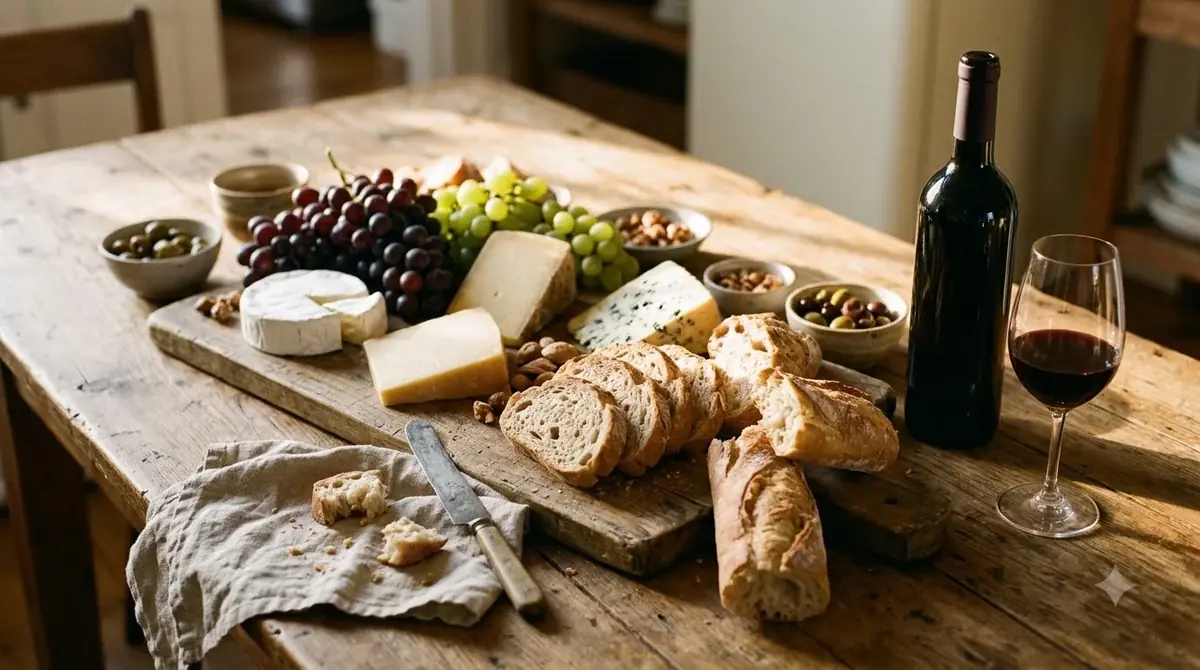
For food, serve a wine at least as sweet as the dessert, or the wine may seem thin or tart by comparison. A sweet Riesling can work with fruit tart, while Demi-Sec sparkling wine suits a lightly sweet pastry. Acidic food such as lemon or vinaigrette calls for wine with equal or higher acidity; salt and fat soften tannin, while chili heat can feel stronger with high alcohol or firm tannin. Oily fish can clash with tannic reds, making crisp whites or sparkling wines useful alternatives. For an event, the guide to how much wine for 100 guests can help translate a menu into an overall bottle quantity.
Frequently Asked Questions
Does every bottle in the United States list its residual sugar?
No. The TTB does not require nutrient-content labeling for alcohol beverages, so a numeric sugar figure is not standard mandatory information on every wine label. A producer may make a truthful sugar-content statement, but it must follow the agency’s rules for carbohydrate and serving information.
Does every finished wine have measurable residual sugar?
It is uncommon for wine to fall below 1 g/L, because some types of sugar cannot be consumed by yeast. That is one reason a finished wine does not necessarily reach an analytical zero even after fermentation has run its course.
Can residual sugar alone tell me the calories in a glass?
No. A residual-sugar figure accounts for only one part of the wine’s composition, while alcohol also contributes calories. A useful calculation therefore needs the alcohol level and the actual serving size as well as the sugar concentration.
Can wine start fermenting again after bottling?
Yes, if fermentable sugar and viable yeast remain together in the bottle. The renewed activity can create unwanted carbon dioxide and flavor changes, which is why producers use suitable stabilization and sterile filtration where needed.
Does zero dosage guarantee a sugar-free sparkling wine?
No. Zero dosage means no sugar-containing dosage mixture was added after disgorgement, but a small amount of natural residual sugar may still remain in the base wine. The term describes the producer’s addition, not a guarantee that laboratory analysis would find exactly zero sugar.
Residual sugar is one of the clearest ways to describe the amount of grape sugar left in a finished wine, but it should always be read alongside acidity, tannin, alcohol, and style. Once those pieces are considered together, terms such as dry, off-dry, Brut, and Demi-Sec become easier to interpret—and much more useful when choosing a bottle for dinner or dessert.
More in Wine Basics
 Which Rose Is Best for Your Taste, Budget, and Food PairingsUpdated Nov 21, 2026
 Is Cheap Wine Bad? How to Find Bottles Worth DrinkingUpdated Nov 21, 2026
 What To Write On A Wine Gift Tag: Thoughtful Messages For Every OccasionUpdated Nov 21, 2026
 Which Wine Is Best For Weight Loss? Compare Lower-Calorie ChoicesUpdated Nov 21, 2026
 What Is The Best Wine For Mimosas? Choose Bubbly That Balances Orange JuiceUpdated Nov 20, 2026
 Which Prosecco Is Best for Your Taste and OccasionUpdated Nov 20, 2026