

We may earn a commission when you buy through links on this page, at no extra cost to you. Learn more.
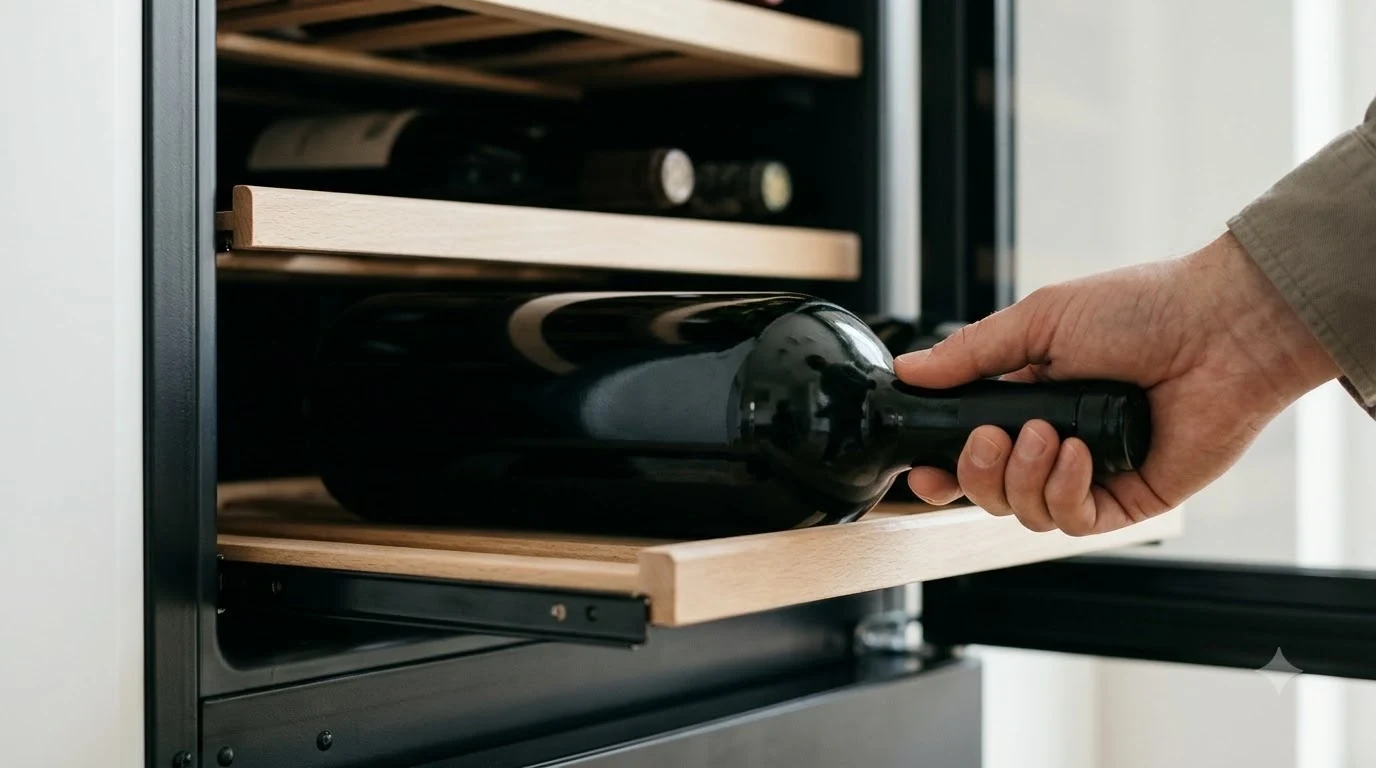
The answer to how many glasses in a magnum is about 10 when you pour the standard 5-ounce US serving from a 1.5-liter bottle. A magnum holds roughly 50 ounces of wine, double the 25 ounces in a standard 750 ml bottle. Smaller pours stretch the bottle further, so a 4-ounce pour gives about 12 glasses and a 6-ounce pour gives about 8. Because the count depends on how you pour, it helps to choose a pour size before you start planning.
A magnum is one of the simplest ways to serve a crowd without opening several bottles. It looks impressive on a dinner table, it keeps every guest drinking the same wine, and it removes the guesswork of buying two standard bottles and hoping they last through dessert. Whether you are hosting a birthday, a holiday dinner or a small wedding reception, knowing the glass count before you shop lets you buy the right number of bottles. The sections below cover the volume, the pour sizes that change the answer, how magnums compare with other large formats, and the serving and storage details that matter once the bottle is open.
What a Magnum Holds in Ounces and Bottles
A magnum holds 1.5 liters, which equals two standard bottles and about 50.7 ounces of wine.
The standard 750 ml bottle is the baseline behind almost every wine calculation. Wine Folly describes it as holding about 25.4 ounces, which fills five servings at 5 ounces each. A 1.5-liter magnum doubles that volume, so it holds ten servings at the same pour, and the math does not change with the style of wine inside.
The arithmetic is also identical for still and sparkling wine because the liquid volume is the same. Sparkling wine is usually poured into narrower flutes, which changes how each glass looks on the table but not how many glasses the bottle yields at a given pour. Hosts who buy a magnum of Champagne or Prosecco can therefore use the same planning numbers as they would for a magnum of red or white.
Counting Glasses at Different Pour Sizes
The pour you choose changes the glass count more than most hosts expect, and in the common range each ounce shifts the total by about two glasses.
Five ounces is the standard US pour and the basis for the ten-glass figure you will see across most wine references. At that pour a magnum covers ten guests with one glass each, or five guests with two glasses each. A 4-ounce pour stretches the same bottle to about 12 glasses, which suits a long evening where guests want to pace themselves, while a 6-ounce pour is more generous and brings the count down to about 8.
Eight-ounce pours belong in large bowls or short, lively gatherings, but they reduce a magnum to about six glasses, which is worth knowing before a party. Pour levels should also leave room in the bowl so the wine can release its aroma when guests swirl. A glass filled to the rim hides the nose of the wine and makes every pour feel heavier than it is.
Two-ounce tasting pours work differently. At 2 ounces a magnum yields about 25 pours, which fits a tasting or a small dessert wine served in a petite glass. Decide on the pour before you count, because the same bottle can cover a dinner or a tasting depending on the amount in each glass.
| Pour size | Glasses from one 1.5 L magnum | Best use |
|---|---|---|
| 2 oz | About 25 | Tasting or small dessert pour |
| 4 oz | About 12 | Long evening with light pours |
| 5 oz | 10 | Standard US dinner pour |
| 6 oz | About 8 | Generous dinner pour |
| 8 oz | About 6 | Large-bowl or short gathering |
Magnum Compared With Other Bottle Sizes
A magnum sits in the middle of the common large formats, holding twice a standard bottle and falling well short of a 3-liter Jeroboam.
Wine Enthusiast’s bottle size guide lists the formats most shoppers encounter, from a 187.5 ml split that holds a single glass to a 3-liter Jeroboam that holds 20. The steps between them are easy to follow, which makes it simple to pick the right size once you know how many glasses you need. The split is used almost exclusively for sparkling wines, so it rarely appears on a table of still wine.
The half-liter bottle at 500 ml holds about 3 glasses and is primarily used for sweet wines such as Tokaj and Sauternes. The 1-liter format holds 7 glasses and has grown in popularity for value European wines, offering more wine than a standard bottle without the size of a magnum. A half bottle at 375 ml holds 2.5 glasses, which makes it a handy choice for two people who want a little more than a single serving.
A double magnum or Jeroboam is the step up for bigger gatherings. At 3 liters it holds four standard bottles or 20 glasses, which covers 20 people with one glass each or ten people with two. Most hosts stop at the magnum because it is easier to lift and pour, and the same wine is still easy to share.
| Bottle | Volume | Standard bottles | Glasses at 5 oz |
|---|---|---|---|
| Split or piccolo | 187.5 ml | 1/4 | 1 |
| Half bottle or demi | 375 ml | 1/2 | 2.5 |
| Half-liter or Jennie | 500 ml | 2/3 | 3 |
| Standard | 750 ml | 1 | 5 |
| Liter | 1 L | 1 1/3 | 7 |
| Magnum | 1.5 L | 2 | 10 |
| Jeroboam or double magnum | 3 L | 4 | 20 |
Planning Glasses for a Party or Dinner
Start with the total number of pours you need, then convert that total into magnums by dividing by ten.
Suppose you are hosting 20 guests and plan on two glasses each over the evening. That is 40 pours, and at ten pours per magnum you need four bottles. If guests will average three glasses each, the total rises to 60 pours and six magnums. Most hosts also keep one spare magnum or a standard bottle in reserve, since a few guests always pour more generously than expected.
Two glasses per guest is a planning figure rather than a rule, and it shifts with the length of the event, the food on the table and whether guests are driving. For a full breakdown of totals across different party lengths and mixed groups, read how many bottles of wine for 20 guests, which works through the numbers step by step. Once you have the totals, decide which bottles to pair with which courses so that the wine rotates smoothly through the meal.
Fewer bottles on the table also means fewer interruptions. Opening four magnums rather than eight standard bottles keeps the service moving and gives the host fewer corks to manage during the first toast. It also means that everyone at the table drinks the same wine, which simplifies the conversation about what is being poured.
Tip: Count pours instead of bottles. About an hour in, estimate how many pours have come from the magnum and compare that with the number of guests, so you can decide early whether to open a second one.
Why Magnums Age More Slowly
A magnum ages more slowly than a standard bottle because it holds much more wine while trapping about the same amount of oxygen.
A Champagne brand ambassador quoted in Tasting Table’s explainer on magnums says the air trapped between the wine and the cork is roughly the same in a magnum as in a standard bottle. Because the wine has so much more volume, it oxidizes about one and a half to two times slower, which helps preserve freshness, acidity and fruit for longer.
Wine Enthusiast makes a similar point in its size guide, noting that large-format bottles age more gracefully because they have less oxygen exposure. The same guide calls the magnum a collector’s choice for cellaring age-worthy reds, which explains why many buyers keep magnums of wines they plan to hold for years while still enjoying the party-friendly size.
The benefit is real but relative. Most everyday wines are made to be enjoyed within a few years of release, and a magnum will not turn a simple bottle into a long-aged wine. The advantage matters most for wines built to develop over time. The same ambassador notes that Champagne in a magnum can keep gaining texture and complexity after bottling, because the yeast has more room to work during the wine’s development.
Pouring, Glassware and Serving Temperature
Serve each style at its target temperature, pour with a steady two-handed grip, and give full reds time to open before the first glass.
Sparkling wine is best between 40 and 50 F, and light whites and rosé show well between 45 and 50 F. Full-bodied whites belong between 50 and 55 F, light reds between 55 and 60 F, and full reds between 60 and 65 F. A magnum that has been sitting in a cool cellar may need time to reach these ranges, so check the temperature before guests arrive rather than rushing the chill at the last minute.
Young, full-bodied reds benefit from decanting for 30 to 60 minutes. A decanter also solves the handling problem, because a full 1.5-liter bottle is heavy and awkward to tip over a glass. Pour into the decanter in a slow, steady stream, keep one hand under the base, and rest the empty bottle on a towel between pours so it does not roll off the table.
Use glasses with enough bowl to hold a pour comfortably. Good stemware matters more with a magnum because you will be pouring the same wine for many guests across the evening. Cloudy or streaked glasses dull the aromas and draw attention away from the wine, so set out a clean stack and learn how to clean wine glasses without streaks before the party starts.
Storing an Opened Magnum
An opened magnum keeps for a few days in the refrigerator, and sparkling wine fades first, so plan to finish it within the week.
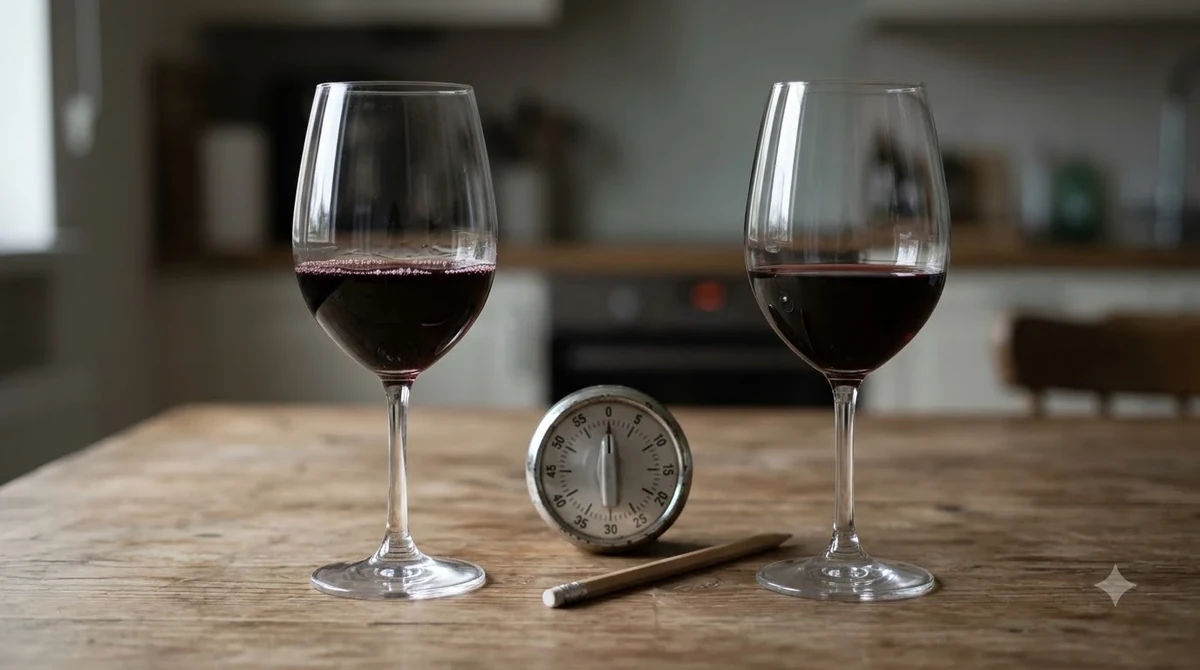
Re-seal the bottle with a stopper or a vacuum pump and refrigerate it right away. Opened sparkling wine lasts about 1 to 3 days, while still wines last about 3 to 5 days. Fortified wines such as port can keep for several weeks, which is useful when a holiday gathering leaves part of a fortified bottle left over.
Take reds out of the refrigerator before serving so they can reach the 60 to 65 F range for full styles or 55 to 60 F for lighter ones. Reds served too cold can taste muted, so a short rest on the counter makes a noticeable difference. For unopened bottles, keep them on their side in a cool, dark place near 55 F, the same guidance that applies to standard bottles. You will find more background on bottle storage in Wine Basics.
Frequently Asked Questions
Does a magnum always give exactly ten glasses?
Ten glasses assumes a 5-ounce pour from a full 1.5-liter bottle. Wine Folly notes that a bottle of wine offers about 4 to 6 glasses depending on its alcohol level, so the count is a planning figure rather than a guarantee. Build in a small buffer when you buy, especially for a party where guests often pour more generously.
Is box wine the same size as a magnum?
Not quite. Wine Folly notes that box wine is commonly 3 liters, which matches a double magnum rather than a magnum. At a 5-ounce pour, a 3-liter box holds about 20 glasses, which makes it a practical option for casual gatherings where volume matters more than presentation.
Do Australian wine labels list servings?
Yes. Wine Folly reports that Australian wines must list servings based on alcohol content. Its example is a Shiraz at 15 percent alcohol with 8.9 servings per bottle, compared with a German Riesling at 8 percent with 4.7 servings, so stronger wines yield fewer servings under that system.
How long do two people take to finish a bottle?
Wine Folly reports that two people can finish a full bottle in about 2.5 hours on average. At that pace, four people would finish a magnum over the same stretch, so plan the magnum around the length of the dinner rather than the number of bottles.
What is a Jeroboam?
Wine Enthusiast lists the Jeroboam as a double magnum at 3 liters that holds four standard bottles. The name honors the first biblical king of the northern kingdom of Israel, which is a useful detail if you are choosing a large bottle for a themed gathering.
A magnum is a dependable bottle size once you know the math. Pick the pour, divide your total number of pours by ten, and buy a spare for the guests who always come back for another glass. With the serving and storage steps in hand, one large bottle can carry the table from the first toast to the last pour.
More in Wine Basics
 What Is The Best Wine For Mimosas? Choose Bubbly That Balances Orange JuiceUpdated Nov 20, 2026
 Which Prosecco Is Best for Your Taste and OccasionUpdated Nov 20, 2026
 Which Wine Is Best For Health? Understand the Risks and BenefitsUpdated Nov 20, 2026
 Which Champagne Is Best for Your Taste and OccasionUpdated Nov 20, 2026
 What To Put In A Wine Gift Basket For A Thoughtful, Memorable GiftUpdated Nov 20, 2026
 What Is the Best Wine for Mulled Wine? Choose a Smooth, Fruity RedUpdated Nov 20, 2026