

We may earn a commission when you buy through links on this page, at no extra cost to you. Learn more.
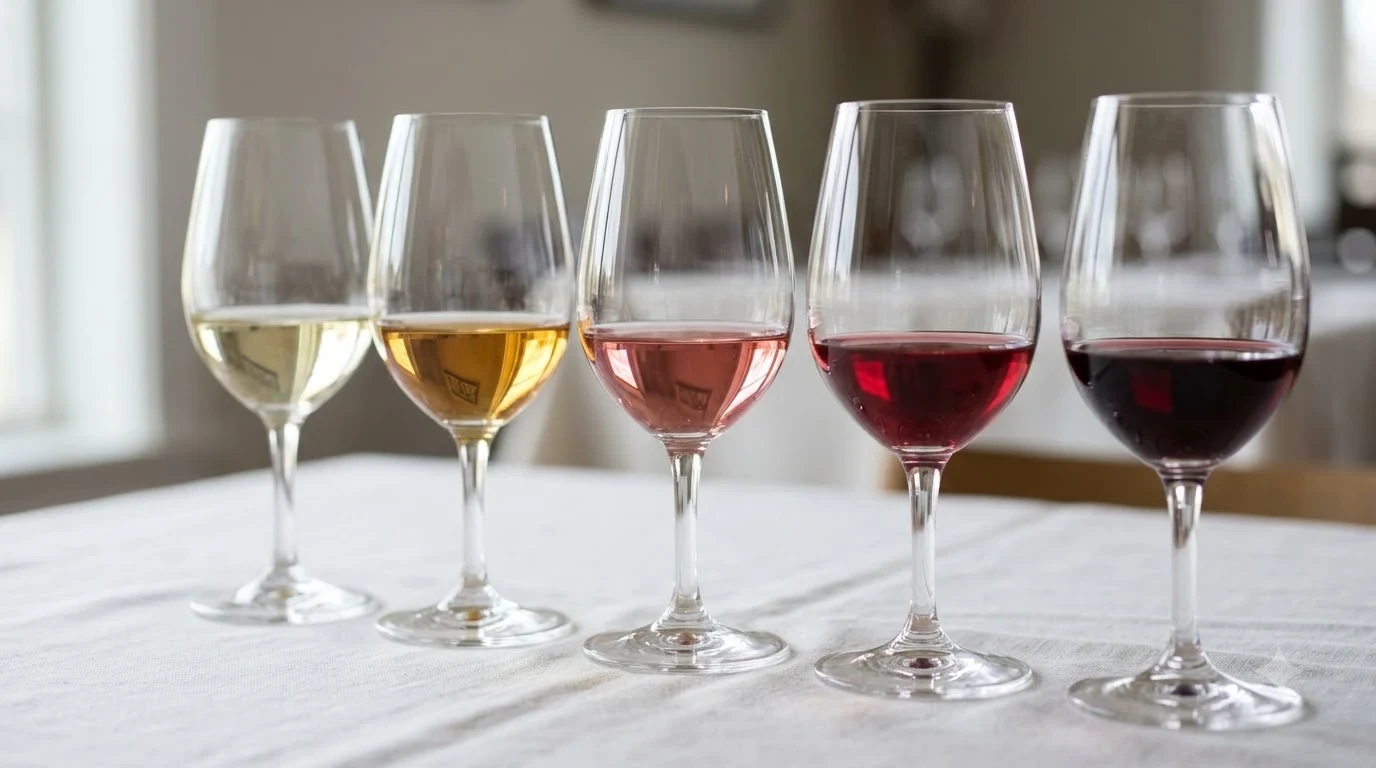
how to clean wine glasses without streaks starts with a gentle wash, a thorough rinse, and immediate polishing with a clean, lint-free microfiber cloth. The goal is to remove wine residue and detergent without leaving mineral droplets or fibers behind. A few careful handling habits also protect delicate stems and keep the glass ready for the next pour.
Clear wine glasses do more than look good on the table: a film, water spot, or lingering soap scent can distract from the wine’s color and aroma. You do not need a complicated collection of cleaners to get a bright finish. A clean sink, mild unscented dish soap, warm water, a non-scratch cleaning tool, and two suitable drying cloths are enough for most everyday stemware.
Why wine glasses develop streaks, spots, and cloudy film
Most visible marks come from one of four sources: minerals left behind by evaporating water, detergent that was not fully rinsed away, lint or grease transferred by a cloth, or a change to the glass surface itself. Knowing which problem you have makes the fix simpler; an extra polish will not remove a mineral deposit, and vinegar will not repair glass that has been permanently etched.
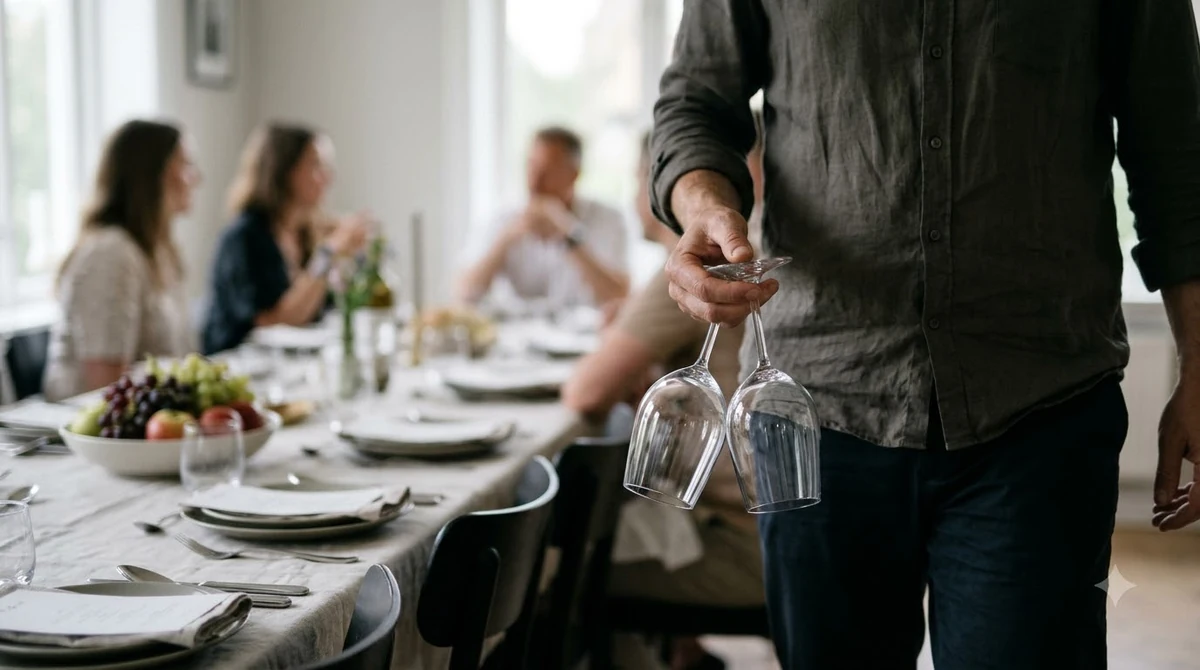
Water spots are often the easiest problem to recognize: a droplet dries and leaves dissolved minerals on the bowl, especially with hard tap water. Fine streaks can also appear when a drying towel carries laundry softener, kitchen grease, or detergent residue. The American Cleaning Institute notes that air-drying can leave spots and recommends a smooth, lint-free towel.
Cloudiness needs a closer look. RIEDEL explains that limescale or detergent deposits can often be removed with a mild acid such as white vinegar, while glass corrosion changes the material itself and cannot be reversed. A removable film may clear after a careful wash and a diluted vinegar treatment; permanent haze that remains after deposits are removed is a different issue. Avoid abrasive pads or aggressive scrubbing, since they can add scratches rather than restore clarity.
Wine residue is another preventable cause of marks. The American Cleaning Institute advises rinsing glasses promptly after use because red wine left overnight can stain. A quick rinse after dinner is useful even when the full wash has to wait until the next morning. It removes much of the liquid before it dries around the bowl, rim, or bottom curve.
Gather the right supplies before washing
Set up a clean work area before adding water. The basic kit is warm tap water, a small amount of unscented dish detergent, a dedicated non-scratch sponge or soft cloth, and one or two clean microfiber drying cloths. Clear knives, pans, cutlery, and greasy plates from the sink, then place a folded towel or cushioned mat in the basin to protect a glass if it slips. The American Cleaning Institute recommends washing wine glasses before greasy dinner dishes, since oily residue can transfer to the glass or cleaning area.
Choose a tool that fits the glass. A soft, non-scratch sponge is usually adequate for a broad red-wine bowl, while a stemware brush with soft-foam bristles can reach the bottom of a narrow flute. Keep the sponge or cloth for glassware rather than reusing one that has just cleaned a frying pan; food particles, grease, and strong kitchen odors can transfer.
Use only a little unscented detergent to remove lipstick, wine residue, and fingerprints without leaving perfume or a slippery film inside the bowl. Too much soap creates more rinsing work and makes residue more likely. For delicate crystal, follow its maker’s care directions and see our guide on how to clean crystal wine glasses.
Hand-wash wine glasses in a safe sequence
Hand-washing gives you the most control over thin rims and long stems, particularly with delicate or unusually shaped glasses. Wash one glass at a time in warm water, use minimal detergent, rinse thoroughly with clean water, and avoid twisting the bowl against the stem.
1. Rinse soon after use. Swirl warm water around the bowl and empty it. This is especially useful for red wine, which can stain if residue sits overnight; a quick rinse after a dinner party is better than leaving dried wine until morning. 2. Support the glass before washing. Hold the bowl gently over the cushioned sink and add a small amount of unscented detergent to a soft sponge or cloth. Avoid squeezing the bowl or gripping the rim tightly.
3. Clean inside and out. Wipe the inside with a soft circular movement from the bottom of the bowl toward the rim, then clean the exterior, stem, and foot. For a narrow opening, use a purpose-made stemware brush rather than forcing a large sponge through the rim. 4. Rinse until no soap remains. Use clean running water on the inside and outside, paying attention to the rim and the curve where the bowl meets the stem. Detergent left behind can form faint streaks and contribute an unwanted scent.
5. Move directly to drying. Do not leave the freshly rinsed glass while droplets evaporate. Place it on a clean, soft surface and dry it promptly with a suitable cloth.
Tip: Keep a folded towel in the sink and wash one glass at a time; the padding helps prevent a slipped bowl from striking the basin.
Dry and polish for a clear, lint-free finish
For the clearest result, dry the glass immediately with a clean microfiber cloth made for glassware. Use a second cloth to polish the bowl if the first becomes damp, and handle the glass without twisting the stem between the foot and bowl.
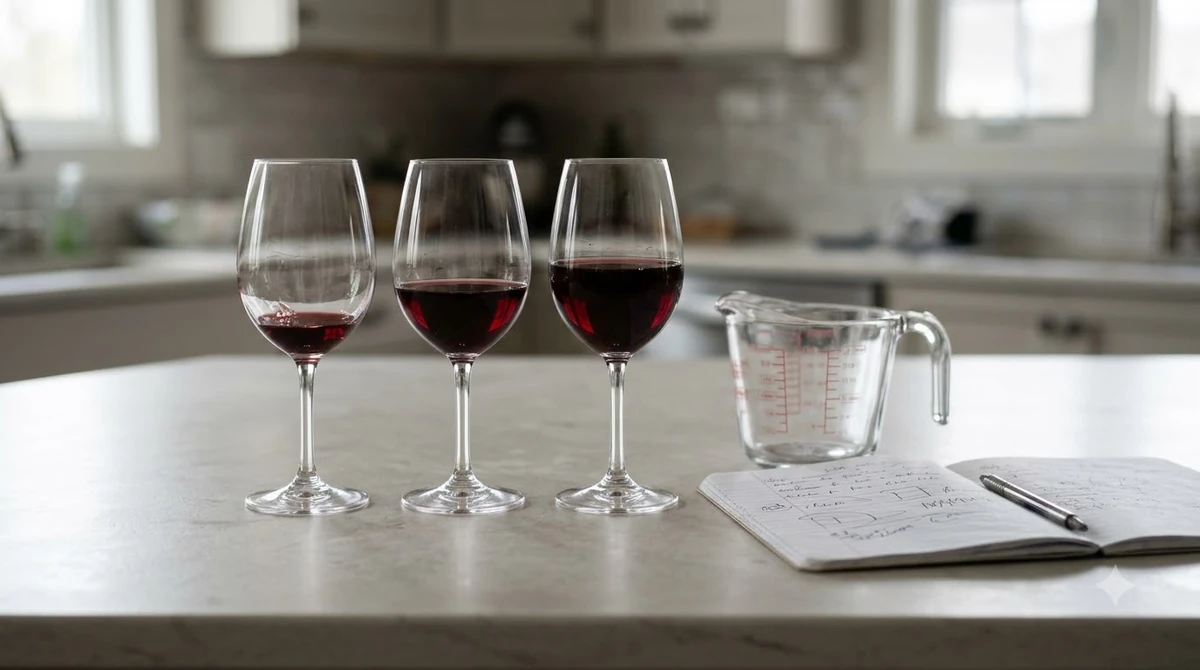
RIEDEL’s glass care instructions recommend two large microfiber drying cloths for hand-drying and polishing. One cloth can support the bowl while the other wipes its inside and outside. This arrangement gives the glass steady support and keeps the polishing movement gentle. Do not hold the base plate in one hand and the bowl in the other while twisting; that opposing pressure can put force on the narrow stem.
Work around the glass in sections. Support the bowl through a cloth or in your hand, wipe the interior with light strokes, and turn the glass gradually rather than rotating the bowl against a fixed foot. Finish the outside of the bowl, then dry the stem and foot separately with fresh, dry portions of the cloth. A microfiber towel washed with fabric softener may leave a greasy film, while a linty towel can leave fibers around the rim; RIEDEL advises odorless soap and no fabric softener for polishing cloths.
Air-drying is less reliable for a spotless finish. The American Cleaning Institute says it can leave spots, and Wine Enthusiast’s wine-glass cleaning advice notes that faint droplets may remain depending on water minerals. If you prefer to air-dry, use a stable, clean rack that supports the glass without pressing its rim against metal, then finish with a dry microfiber cloth before serving.
Remove water spots, wine stains, and cloudy residue
For a glass with visible mineral spots or a pale film, first determine whether the mark is residue rather than permanent damage. A mild white-vinegar-and-water treatment can loosen mineral deposits, but it should be followed by a normal wash and a thorough clean-water rinse.
RIEDEL says mild acids such as white vinegar can remove limescale or detergent deposits. The American Cleaning Institute recommends soaking crystal that has developed a white or gray film in a weak vinegar-and-water solution for one to two hours, then rinsing it. For a light spot, start with a shorter, localized application and inspect the glass rather than automatically soaking every piece for the full interval.
After a vinegar treatment, wash with a little unscented detergent, rinse very thoroughly, and polish with clean microfiber. Do not leave undiluted vinegar in a glass indefinitely or combine it with other household cleaners. A diluted solution is sufficient for ordinary mineral film; abrasive powders and scouring pads are not suitable substitutes. Red wine stains are best prevented with a prompt rinse, while lipstick around the rim can be addressed with a soft cloth or foam-bristle stemware brush.
Some cloudy glasses cannot be restored. RIEDEL distinguishes removable limescale or detergent residue from glass corrosion, in which the structure of the glass changes. Vinegar may clear deposits but cannot reverse corrosion. If the glass remains hazy after a careful cleaning and mild-acid treatment, further scrubbing is unlikely to help and could cause more surface damage.
Use the dishwasher only when the glass is suited to it
Many everyday wine glasses are dishwasher-safe, but thin crystal, oversized bowls, hand-wash-only pieces, and glasses with decorative metallic details need more caution. The safest routine is to follow the maker’s instructions, space each glass so it touches nothing else, and choose a gentle glassware cycle without heated drying.
RIEDEL says most of its glasses are dishwasher-safe, but pieces marked “hand wash only” or “not dishwasher safe” must be washed by hand. For dishwasher loading, RIEDEL recommends the top shelf when the glass fits, with a glass holder or stem holder if available. Keep every glass clear of other glasses, metal utensils, cups, the rack, and the spray arms. Contact during the cycle can lead to scratches or breakage.
Temperature and detergent dosing matter. RIEDEL recommends a low-temperature program at 50–55°C or a special glass cycle, and advises against overdosing detergent or rinse aid. Open the door after washing so moisture can escape. The American Cleaning Institute also advises skipping heated drying and spacing glasses apart.
| Care detail | Guidance | Why it matters |
|---|---|---|
| Glassware wash cycle | 50–55°C (122–131°F) | RIEDEL recommends a low-temperature or glassware program. |
| Microfiber cloth laundry | 60°C (140°F) | RIEDEL recommends washing polishing cloths with odorless soap and no fabric softener. |
| Vinegar soak for white or gray film | 1–2 hours in a weak solution | The American Cleaning Institute describes this treatment for crystal film. |
| Red-wine residue | Rinse promptly; do not leave overnight | The American Cleaning Institute warns that red wine can stain if left overnight. |
When a dishwasher leaves spots, do not assume the glass itself is defective. Check whether the rinse aid is properly dosed, whether detergent is being overused, and whether the water is leaving mineral deposits. For a small number of valuable or fragile glasses, hand-washing is usually easier to control than trying to adjust a full machine load.
Keep glasses clean between uses
A consistent routine prevents most streaks before they appear: rinse each glass soon after use, wash with mild unscented soap, rinse away every trace of detergent, and polish it with a clean cloth. Store dry glasses where the bowls will not collect dust or pick up odors from nearby items.
Before serving, hold the glass toward a bright window or overhead light and look through the bowl. A visible line may be a water mark, fingerprint, or lint; a pass with clean, dry microfiber usually removes handling marks. Wash again if grease, lipstick, or detergent smell remains. Store stemware so the rim does not press against a hard shelf, and keep it away from scented candles, open cleaning products, and other strong-smelling items. RIEDEL cautions that glass can absorb cupboard odors that may affect the wine’s aroma.
Make cloth care part of the routine. RIEDEL recommends washing microfiber polishing cloths at 60°C (140°F) with odorless soap, without fabric softener, and advises against tumble-drying them. Follow the directions for your own cloth and put it away only when fully dry; a damp towel folded in a drawer can develop an odor that transfers to the next glass.
Good glass care supports every style of wine service, from a casual weeknight pour to a formal tasting. For other practical serving and storage topics, browse our Wine Basics library. Clean, odor-free stemware gives the wine a clear visual presentation and avoids adding distracting smells or residue to the experience.
Frequently Asked Questions
These quick answers address a few details that come up after the basic wash-and-polish routine is in place. Use the gentlest suitable tool and avoid forcing a cleaning method on a delicate or unusually shaped glass.
Can I use the abrasive side of a kitchen sponge?
No. Use the soft side only and avoid abrasive scouring pads, steel wool, or gritty scrubbers, which can scratch glass and crystal. A non-scratch tool is important even when a mark seems difficult to remove.
Should wine glasses be washed with aluminum cookware?
RIEDEL advises against washing glassware together with aluminum household utensils, including items such as garlic presses or pots with aluminum handles. Contact can trigger a reaction that damages the glass surface and causes corrosion.
What if a wine glass is too tall for the top dishwasher rack?
RIEDEL says a glass that cannot fit on the top shelf may be placed carefully on the lower rack when the machine has a special glassware program. Make sure it cannot touch another item, a rack, or a spray arm. Without that program and safe clearance, wash the glass by hand.
Should I keep rinse aid in the dishwasher?
RIEDEL recommends keeping the rinse-aid reservoir sufficiently filled and dosing detergent and rinse aid according to their instructions. Avoid adding extra product in an attempt to force a shine, since overdosing can leave residues rather than improve the finish.
Can I rinse wine glasses with boiling water?
No. RIEDEL cautions against excessively hot or boiling rinse water, and the American Cleaning Institute warns that water that feels too hot for your hands is too hot for delicate crystal. Sudden temperature changes can also cause glass to crack, so use comfortably warm water throughout.
For a streak-free finish, the important steps are simple: clean gently, rinse thoroughly, and polish promptly with a fresh microfiber cloth. Protect the stem from twisting pressure, and treat cloudy residue according to its cause rather than scrubbing harder. With that routine, wine glasses stay clear, clean-smelling, and ready for the next bottle.
More in Wine Basics
 What Is The Best Wine For Mimosas? Choose Bubbly That Balances Orange JuiceUpdated Nov 20, 2026
 Which Prosecco Is Best for Your Taste and OccasionUpdated Nov 20, 2026
 Which Wine Is Best For Health? Understand the Risks and BenefitsUpdated Nov 20, 2026
 Which Champagne Is Best for Your Taste and OccasionUpdated Nov 20, 2026
 What To Put In A Wine Gift Basket For A Thoughtful, Memorable GiftUpdated Nov 20, 2026
 What Is the Best Wine for Mulled Wine? Choose a Smooth, Fruity RedUpdated Nov 20, 2026