


We may earn a commission when you buy through links on this page, at no extra cost to you. Learn more.
How to clean crystal wine glasses safely is simple: wash each glass individually in warm water with a small amount of mild dish soap, rinse thoroughly, and dry with a clean, lint-free microfiber cloth. Gentle handling protects delicate rims and stems while preventing scratches, cloudy deposits, and detergent residue. For the best results, avoid abrasive cleaning tools, sudden temperature changes, and unnecessary twisting during drying. Although some modern crystal glasses are dishwasher-safe, handwashing remains the safest general approach for fine and delicate stemware.
Crystal wine glasses deserve a little more attention than everyday drinking glasses. Their delicate construction, fine rims, and elegant shapes make them particularly vulnerable to chips, scratches, and damage from careless handling. Fortunately, you do not need expensive cleaning products or complicated techniques to maintain their clarity. A clean sink, mild detergent, warm water, and two suitable drying cloths are usually enough. Whether you are caring for expensive stemware, inherited crystal, or glasses used for special dinners, the following methods will help preserve their appearance and usefulness.
Why Crystal Wine Glasses Need Gentle Cleaning
Crystal wine glasses require careful cleaning because their delicate construction and polished surfaces can be damaged by excessive heat, abrasive materials, and rough handling. The most important precautions are protecting the rim, supporting the bowl, and avoiding pressure on the stem.
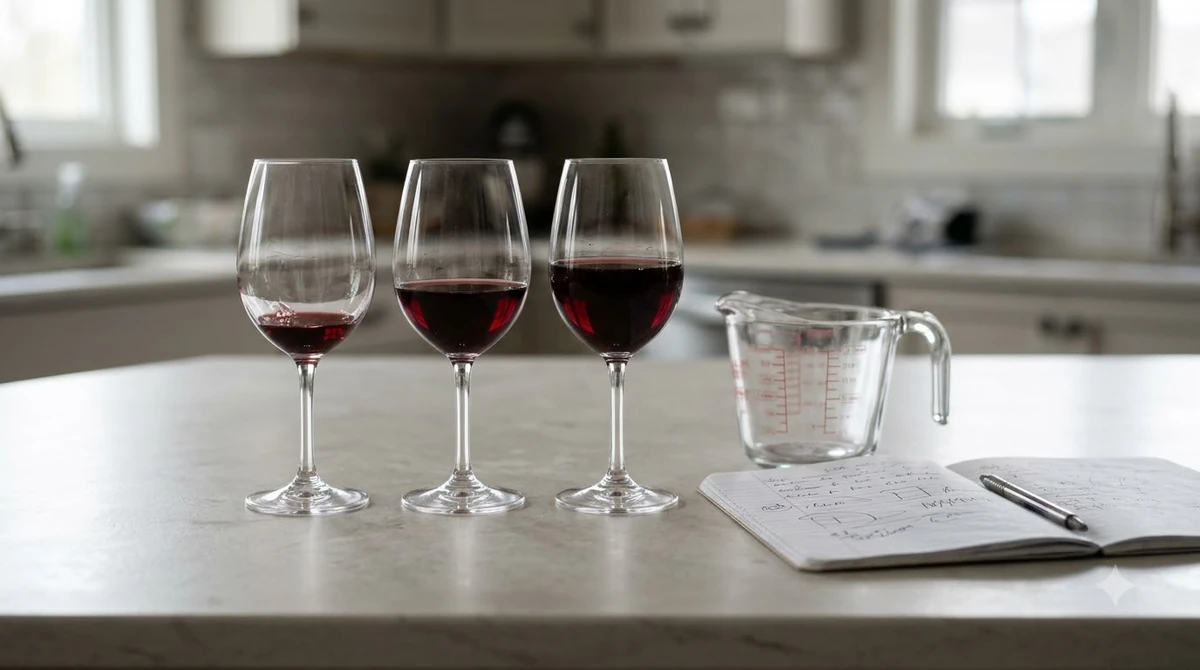
Crystal glassware is designed to provide clarity, brilliance, and an elegant drinking experience. Depending on the manufacturer and construction, crystal may contain different mineral ingredients and may be thinner or more delicate than ordinary household glass. Traditional lead crystal and modern lead-free crystal also differ in composition, so not every piece should automatically receive the same treatment.
The rim deserves particular attention. It is usually the thinnest and most vulnerable part of a wine glass. Knocking it against a faucet, another glass, or the edge of a sink can cause chips. Even small chips can make a glass unpleasant or unsafe to drink from.
The stem is another vulnerable area. It can break when someone holds the base in one hand and twists the bowl with the other. This creates rotational pressure along the narrow connection between the bowl and stem. A glass may appear sturdy enough to withstand ordinary handling but still snap under this type of pressure.
Heat is another concern. Sudden temperature changes can create stress within the glass and cause cracking. Water that is comfortably warm is preferable to boiling water or a sudden transition between very cold and very hot conditions.
Crystal can also develop cloudy deposits from mineral-rich water and detergent residue. These marks may make an otherwise clean glass look dull. Identifying whether the problem is surface buildup or permanent glass damage helps determine the appropriate cleaning method.
How to Prepare Crystal Glasses for Handwashing
Prepare a clean, cushioned sink and gather gentle cleaning supplies before washing. A folded towel, mild dish detergent, warm water, and a soft microfiber cloth provide everything needed for ordinary crystal maintenance.
Start by clearing the sink of food scraps, utensils, and other objects. Washing crystal alongside heavy cookware or greasy dinner plates increases the chance of accidental impacts and transfers unwanted residue to delicate glassware.
Place a clean, folded towel at the bottom of the sink. This creates a soft landing area if a glass slips slightly while being handled. If you have a double sink, placing another towel in the rinsing side provides additional protection.
Gather the following supplies:
- A clean kitchen sink or wash basin.
- One or two clean, soft towels for cushioning.
- Mild liquid dish soap without strong fragrances.
- Warm, not boiling, water.
- A soft microfiber cleaning cloth.
- Two clean microfiber polishing cloths for drying and finishing.
- A soft-foam stemware brush if the glass has a narrow or difficult-to-reach interior.
Check that the cleaning cloths are free from food particles, grease, and detergent buildup. A cloth that appears clean can still contain small particles that scratch delicate surfaces. Avoid using rough sponges, steel wool, scouring pads, or brushes with hard bristles.
If the glasses contain leftover wine, empty them carefully before washing. Red wine can leave visible stains if residue remains for an extended period. A quick rinse immediately after use makes the final cleaning process considerably easier.
Keep the glasses separate from one another throughout the process. Even gentle contact between two crystal bowls can create scratches or chips, particularly when the glasses are wet and slippery.
Step-by-Step Handwashing Technique
The safest cleaning method involves washing one glass at a time with mild detergent and warm water. Support the bowl throughout the process, clean the interior gently, and rinse away every trace of soap.
Follow these steps for everyday cleaning and more delicate stemware.
Step 1: Fill the sink with warm water
Use comfortably warm water rather than boiling or extremely hot water. The American Cleaning Institute recommends cushioning the sink and washing glasses individually to reduce the risk of breakage. Avoid pouring hot water directly into a glass that has just come from a cold environment.
Step 2: Add a small amount of mild dish soap
A small quantity of detergent is usually sufficient. Excessive soap creates more residue to remove during rinsing and can leave an unpleasant smell inside the bowl. Strongly scented detergents are also less desirable because lingering fragrances may interfere with the aromas of wine.
Step 3: Support the bowl while washing
Hold the glass securely around its bowl rather than gripping the stem. Use a soft cloth to clean the exterior, paying attention to the area around the rim and the lower part of the bowl. Avoid squeezing the glass tightly.
Step 4: Clean the interior carefully
For ordinary wine residue, gently swirl warm soapy water inside the bowl. If additional cleaning is necessary, use a stemware brush with soft-foam bristles. Never force a brush into a narrow opening or press hard against the bottom of the glass.
Step 5: Rinse thoroughly
Rinse the glass under clean, warm running water until no detergent remains. Soap residue can leave cloudy marks and may affect the aroma of wine poured into the glass later. Pay attention to the rim and the inside of the bowl, where detergent can collect.
Step 6: Repeat with the remaining glasses
Place each washed glass in a protected position while cleaning the next one. Do not stack wet crystal or allow individual pieces to touch. This simple routine reduces accidental damage during a larger cleanup after a dinner party.
Tip: Rinse crystal wine glasses immediately after drinking red wine, even if you cannot complete the washing until the following morning. Removing the wine residue early helps prevent stubborn stains and makes the final wash easier.
How to Dry Crystal Wine Glasses Without Streaks
Drying is just as important as washing because careless polishing can break stems or leave lint and water marks. Use two clean microfiber cloths, support the bowl properly, and polish the base separately.

After rinsing, allow excess water to drain briefly while keeping the glass supported. Then take one clean microfiber cloth and use it to hold the bowl securely. Use the second cloth for drying and polishing. This two-cloth method reduces direct contact with the glass and gives you better control.
Begin with the interior of the bowl. Carefully guide the polishing cloth inside without forcing it through the opening. Work around the interior using gentle movements, then polish the outside of the bowl. Avoid twisting the bowl against a stationary stem.
Once the bowl is clean and dry, move to the stem. Hold the bowl securely with one hand and gently wipe the stem with the other. Finally, support the base and polish its surface separately.
The essential rule is to avoid holding the base and bowl simultaneously while applying opposing rotational movements. This creates torque that can snap the stem. RIEDEL specifically warns against this handling technique in its official crystal glass care and polishing instructions.
Choose microfiber or another smooth, lint-free fabric. Ordinary kitchen towels may leave fibers behind, while rough or textured materials can scratch particularly delicate surfaces. A cloth that has been washed with fabric softener may also leave a greasy film.
Waterford recommends drying its crystal with a soft, lint-free cloth or allowing it to air-dry on a suitable draining rack. If air-drying, position glasses upright rather than balancing them upside down on their rims.
For additional advice on eliminating marks after washing, see our guide on how to clean wine glasses without streaks.
Removing Cloudiness, Water Spots, and Wine Stains
Cloudy crystal glasses often have mineral deposits or detergent residue that can be removed with a mild acidic solution. However, permanent glass corrosion cannot be reversed through ordinary cleaning, so identify the cause before attempting stronger treatments.
There are several reasons why crystal wine glasses may lose their original brilliance. Hard water contains dissolved minerals that can remain on glass surfaces after evaporation. Detergent residue can also form a whitish film, particularly when glasses are not rinsed thoroughly.
Red wine residue is another common problem. Pigments and other wine components can leave marks if a glass is left unwashed overnight. Prompt rinsing is usually the easiest way to prevent this type of staining.
Using white vinegar for surface deposits
White vinegar is useful for addressing certain mineral deposits and superficial cloudy marks. Its mild acidity helps dissolve some alkaline mineral buildup, making it a practical option for glassware that looks dull despite being clean.
For a gentle cleaning treatment, prepare a solution containing equal parts white vinegar and water. Place the glass in a stable position and apply the solution carefully. For suitable glasses with persistent surface deposits, a brief soak may help. The American Cleaning Institute describes a weak vinegar-and-water soak lasting one to two hours for certain cloudy crystal deposits.
After treatment, rinse thoroughly with clean water and dry using a microfiber cloth. Avoid combining vinegar with bleach or other cleaning chemicals. Never use an aggressive chemical mixture to address ordinary water spots.
Distinguishing mineral deposits from glass corrosion
Not all cloudy glassware can be restored. RIEDEL explains that limescale and detergent residues may be removable with mild acids such as white vinegar or citric acid. Glass corrosion, however, is different because the glass structure itself has changed.
Corrosion can appear as a permanent white coating or an overall loss of clarity. Unlike removable mineral buildup, this damage cannot be repaired through another wash or vinegar treatment.
If a gentle cleaning treatment does not improve the appearance, avoid repeatedly soaking or scrubbing the glass. Excessive cleaning can create further surface damage without restoring its original brilliance.
Cleaning stubborn wine residue
For dried wine residue, start by rinsing the glass with warm water. Add a small amount of mild dish soap and allow the water to loosen the remaining material before gently cleaning the bowl.
If residue remains, repeat the process rather than increasing pressure. A soft-foam brush can help reach the bottom of larger bowls, but it should never be forced into narrow stemware.
For larger wine vessels, a separate method may be more appropriate. Our guide explains how to clean a wine decanter with vinegar without confusing decanter maintenance with delicate stemware care.
Dishwasher Cleaning: When It Is Safe and When to Avoid It
Handwashing is the safest general recommendation for fine crystal, although certain modern crystal glasses are specifically designed to withstand dishwasher cleaning. Manufacturer instructions determine whether a particular glass can be machine-washed safely.
Some manufacturers use glass compositions and manufacturing processes designed to improve dishwasher resistance. RIEDEL states that most of its glasses are dishwasher-safe and reports testing against EN 12875-1:2005 and EN 12875-2:2001. However, the company specifically excludes products labeled for handwashing or marked as unsuitable for dishwashers.
Waterford takes a more conservative position for its crystal glassware. Its care instructions recommend handwashing because extreme dishwasher heat and abrasive cleaning products can mark the surface. Its official Waterford crystal care instructions also explain why careful handling of the rim and stem matters during cleaning and drying.
This difference demonstrates why a general assumption about all crystal is unreliable. Two glasses that look similar may have different cleaning requirements.
Precautions for dishwasher-safe crystal
If the manufacturer permits dishwasher cleaning, follow these precautions:
- Place glasses on the upper rack whenever possible.
- Use a dedicated stemware holder if the dishwasher has one.
- Leave adequate space between every glass.
- Keep glasses away from metal utensils, cups, and other objects.
- Prevent contact with the dishwasher walls, racks, and spray arms.
- Choose a suitable delicate glassware cycle.
- Avoid excessive heat and unnecessary heated drying.
- Open the dishwasher after the cycle to release steam and moisture.
These precautions reduce the risk of impact damage and help limit residue buildup. They are especially important for glasses with long stems, thin bowls, and delicate rims.
Handwashing versus dishwasher cleaning
| Cleaning consideration | Handwashing | Dishwasher |
|---|---|---|
| Water temperature | Comfortably warm | Machine-controlled cycle |
| Detergent | Small amount of mild soap | Dishwasher detergent |
| Glass positioning | One glass at a time | Secure rack placement |
| Physical contact | Controlled by hand | Must prevent glass-to-glass contact |
| Drying | Microfiber or suitable air-drying | Preferably without excessive heat |
| General suitability | Best default for delicate crystal | Only when manufacturer-approved |
The table summarizes general care differences rather than guaranteeing that a particular glass can withstand a specific washing cycle. A dishwasher-safe label is important, but proper loading and suitable machine settings still matter.
For expensive, antique, unusually thin, or inherited crystal, handwashing remains the more cautious choice. It gives you direct control over temperature, contact, and pressure throughout the cleaning process.
Storing Crystal Wine Glasses After Cleaning
Proper storage protects clean crystal from dust, scratches, strong odors, and accidental breakage. Store glasses in a stable cabinet with enough space between individual pieces, and avoid placing pressure on their delicate rims.
Before storing, make sure each glass is completely dry. Remaining moisture can leave water spots or encourage deposits to develop over time. Inspect the rim and bowl for visible residue, then place the glass carefully in its designated storage position.
There is some disagreement about whether wine glasses should be stored upright or upside down. For delicate crystal, storing glasses upright is a sensible default because the rim is particularly vulnerable to pressure and accidental chipping. Waterford specifically advises against turning glasses upside down during storage.
Use a cabinet with stable shelves and enough vertical clearance for the full height of each glass. Avoid crowded arrangements where bowls can touch neighboring pieces whenever a door opens or a glass is removed.
Strong household odors are another consideration. RIEDEL recommends avoiding storage near strongly scented items because odors can affect the aroma of wine served in the glasses. Keep crystal away from spices, cleaning products, and other strongly aromatic household supplies.
For particularly valuable stemware, consider individual protective compartments or padded dividers. These provide additional protection when glasses are stored for long periods or transported between locations.
Handle each glass by its bowl when removing it from the cabinet, rather than pulling it out by the stem. This reduces pressure on the narrowest part of the glass and helps prevent accidental breakage.
Clean storage also makes serving easier. If glasses have been sitting unused for several months, a quick rinse with clean water followed by careful drying can remove dust before the next dinner or wine tasting.
When planning a wine gathering, it is also helpful to consider how much stemware is needed. Our explanation of how many glasses in a magnum provides useful serving information for larger-format bottles. More practical information is available in our Wine Q&A collection.
Frequently Asked Questions
Can I use baking soda to clean crystal wine glasses?
Baking soda is mildly abrasive, so it is not the preferred choice for delicate crystal stemware. Rubbing a powder against a polished surface can create fine scratches, particularly if particles are not fully dissolved. Mild dish soap and warm water are a safer everyday option.
Should I polish crystal wine glasses before serving wine?
Polishing before serving can remove fingerprints, dust, and minor water marks that developed during storage. Use a clean, dry microfiber cloth and avoid applying pressure to the stem. A final visual inspection under good lighting helps reveal any remaining lint or spots.
Can I use lemon juice instead of white vinegar on crystal?
Lemon juice contains citric acid, which can help loosen certain mineral deposits. However, it is less predictable than a simple white vinegar solution because natural juice contains pulp and other substances. If using an acidic cleaner, apply it gently and rinse the glass thoroughly afterward.
Why do crystal glasses sometimes smell after being stored?
Glassware can retain odors from detergent, drying cloths, cabinets, and nearby household products. RIEDEL specifically advises keeping glasses away from strongly scented storage areas because odors may influence the aroma of wine. A thorough rinse with clean water and complete drying can help remove mild lingering smells.
Can scratched crystal wine glasses be restored to their original condition?
Ordinary household cleaning cannot reliably reverse scratches in the glass surface. Minor marks may sometimes be difficult to distinguish from removable deposits, but genuine scratches and structural damage are different problems. Avoid abrasive polishing compounds because they may worsen the surface rather than restore its original clarity.
Keeping crystal wine glasses clean is primarily a matter of gentle handling, suitable cleaning products, and careful drying. Handwash delicate pieces individually, use mild soap, and protect the bowl, stem, and rim throughout the process. With consistent care and appropriate storage, fine crystal can remain clear, attractive, and ready for years of wine service.
More in Wine Basics
 What Is The Best Wine For Mimosas? Choose Bubbly That Balances Orange JuiceUpdated Nov 20, 2026
 Which Prosecco Is Best for Your Taste and OccasionUpdated Nov 20, 2026
 Which Wine Is Best For Health? Understand the Risks and BenefitsUpdated Nov 20, 2026
 Which Champagne Is Best for Your Taste and OccasionUpdated Nov 20, 2026
 What To Put In A Wine Gift Basket For A Thoughtful, Memorable GiftUpdated Nov 20, 2026
 What Is the Best Wine for Mulled Wine? Choose a Smooth, Fruity RedUpdated Nov 20, 2026