

We may earn a commission when you buy through links on this page, at no extra cost to you. Learn more.
What is Bacchus? Bacchus is an aromatic white grape variety bred in Germany in the 1930s, known for floral, muscat-like aromas and light, fresh wines. It is a crossing of Silvaner, Riesling and Müller-Thurgau, and it is now grown mainly in Germany and England. Its wines range from light and easy-drinking to fuller and more aromatic, depending on where and how they are made.
This guide explains what the Bacchus grape is, how it got its name, and what its wines usually taste like. It also covers where the variety grows, how Bacchus compares with other aromatic whites, and how to choose, serve and store a bottle. If you are new to the grape, the sections below give you a clear way to recognize it on a label.
What Is Bacchus and Where Did It Come From?
Bacchus is a white wine grape that sums up the German approach to aromatic white wine. The short answer is that it was bred to ripen early and to produce wines with strong perfume. Its name comes from the Roman name for the Greek wine god Dionysus, which fits a grape known for its bold character.
According to the Wikipedia entry on the Bacchus grape, the variety was created by a viticulturalist at a breeding institute in the Palatinate in 1933. He crossed a Silvaner and Riesling cross with Müller-Thurgau. The variety received varietal protection and was released for general cultivation in 1972. Several other names are used for it, including Bacchus Weiss and Frühe Scheurebe.
Its parentage explains a lot about its character. Riesling gives aromatic potential, while Müller-Thurgau contributes early ripening and high yields. Because the grape is a cross, it is sometimes confused with other varieties with similar names. The Bacchus Black name, for example, refers to an unrelated hybrid red, so check that the label says white wine when you are shopping.
Flavor Profile and Aroma of Bacchus Wine
Bacchus wine is usually defined by its scent before its taste. Most bottles smell bright and fruity, with a lifted, floral quality. Many tasters link that perfume to muscat, although the flavor is lighter and less sweet than a true muscat wine.
Typical aromas and flavors include the following, according to the sources listed in this guide:
- Citrus notes, such as orange and lemon peel
- Green apple and other fresh orchard fruit
- Blackcurrant in some German examples
- Herbal or grassy notes, sometimes with a hint of spice
- A floral, muscat-like lift on the nose
Acidity varies with climate. Wines from cooler sites often show more crisp, fine acidity, while warmer conditions can produce softer wines. Bacchus can also produce strong flavors when fully ripe, though the grape needs careful handling to avoid tasting flat or heavy.
| Trait | What to expect in Bacchus wine |
|---|---|
| Aroma | Floral, muscat-like, with citrus and fresh fruit |
| Body | Usually light to medium |
| Acidity | Can be low in some German conditions, higher in cooler English sites |
| Common flavors | Orange, green apple, blackcurrant, herbs |
| Typical color | Light green or yellow-green, with a hint of yellow |
Where Bacchus Is Grown Today
Bacchus is grown mainly in Germany and England, and each country produces a different style. The grape became popular in German vineyards in the decades after its release. Its plantings have since fallen, but it remains an important part of the country’s aromatic white wine production.
The Wines of Germany profile for Bacchus places most German plantings in Franconia, Rheinhessen, the Nahe and the Palatinate. The same page reports about 1,539 hectares planted in 2023, which is roughly 1.6 percent of German vineyards. Check the current figures with the source, since plantings change from year to year.
In England, Bacchus has become one of the country’s leading varieties. Sources describe it as well suited to the cooler climate, where grapes keep more acidity and yields stay lower. English wines are often described as falling between French and New Zealand styles of Sauvignon Blanc. That comparison explains why some English examples are nicknamed the English Sauvignon Blanc.
Bacchus Wine Styles, Sweetness and Food Pairings
Most Bacchus wines are dry, though the exact level of sweetness depends on the producer. German examples are often made as crisp, dry wines with a light body. Some producers leave a little sweetness for a softer finish, so read the back label or ask the seller about the style.
German and English Bacchus wines differ in texture. German versions tend to be lighter and more perfumed, while English wines often feel richer, with more depth of fruit. Mature German bottles can develop more body and a fuller bouquet, and some wines with ripe fruit can taste somewhat like Riesling.
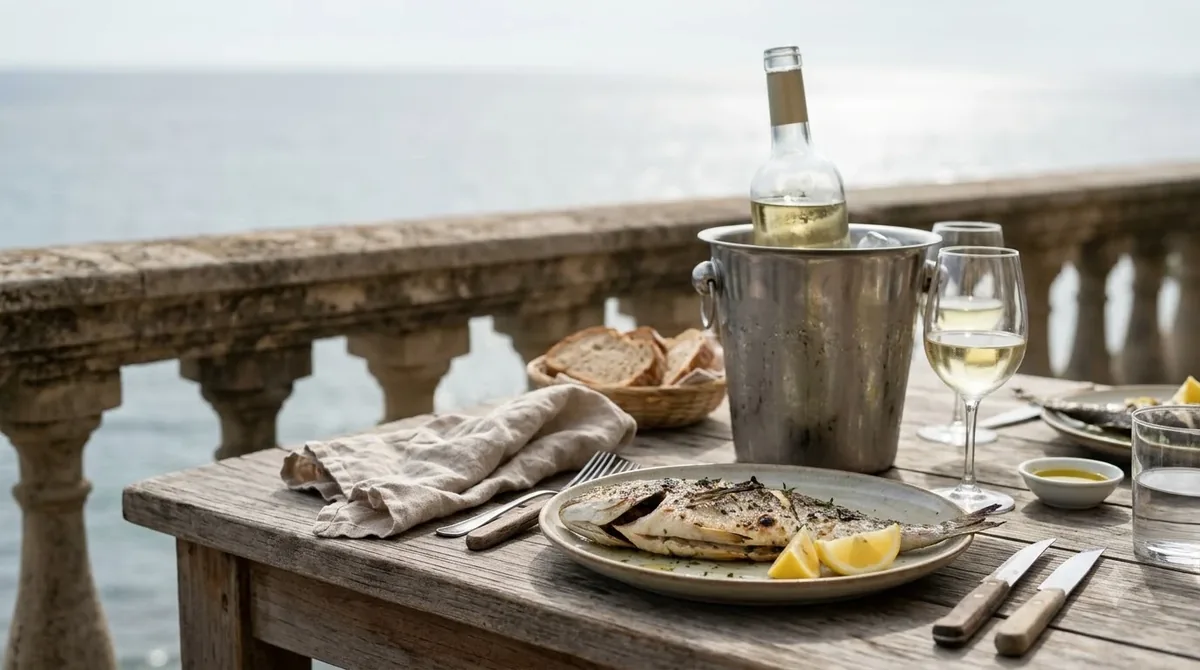
Bacchus pairs well with light, fresh foods. Seafood, salads and mild cheeses suit its citrus and herbal notes. Because the wine is aromatic, it also works with many Asian dishes, where its floral lift can complement spice and herbs without overwhelming the food.
Bacchus vs. Similar Aromatic White Grapes
Bacchus is often compared with other aromatic whites, and the differences matter when you shop. Its muscat-like perfume sets it apart from crisp, austere wines, while its lower acidity in some German sites makes it softer than many Rieslings. The comparison is most useful when you know what you want in the glass.
Compared with Riesling, Bacchus usually shows less structure and less of a long, precise finish. Compared with Sauvignon Blanc, it can be more floral and less grassy, although English Bacchus can taste quite close to that style. Among newer German crosses, sources note that Bacchus is generally considered less elegant than Kerner, which is one reason German producers often blend it into Müller-Thurgau for extra flavor.
If you want to explore the wider family of aromatic whites, the colombard grape offers a fresher, more citrus-forward style, while the catarratto grape brings a different profile from Sicily. Each variety rewards a different kind of meal and a different mood, so tasting a few side by side helps you learn the differences.

How to Buy and Serve Bacchus Wine
Buying Bacchus is simple once you know what to look for. Check the label for the grape name and the country of origin, since German and English bottles can taste quite different. Many shops file Bacchus under German white wines or English still wines, so a quick search of the shelves can help.
- Look for the word Bacchus on the label, or a regional name such as Franken, Rheinhessen or England.
- Choose a dry style if you want a crisp wine for seafood or salads.
- Check the vintage and the producer’s notes, which often describe body and sweetness.
- Serve the wine chilled rather than ice cold, so the aromas stay easy to notice.
- Drink younger bottles for brightness, and keep an eye on the label for any aging advice.
Store unopened bottles in a cool, dark place away from heat and light. Once opened, reseal the bottle and refrigerate it, then drink it within a few days for the best freshness. Storage advice on the bottle or from the producer is the most reliable guide for any specific wine.
If you want a broader overview of styles and regions, the Wine by Type guide places Bacchus alongside other white grapes and helps you plan a tasting.
Frequently Asked Questions
What does Bacchus wine taste like?
Bacchus wine usually tastes light, fresh and floral. Many bottles show citrus, green apple and herbal notes, with a muscat-like lift on the nose. Wines from cooler sites often feel crisper, while some German examples are softer.
Is Bacchus a sweet or dry wine?
Most German Bacchus wines are made dry, although sweetness varies by producer. Check the label or the producer’s description for the exact style. A dry Bacchus is usually the better choice for seafood and salads.
Where is Bacchus grown?
Bacchus is grown mainly in Germany, with plantings in Franconia, Rheinhessen, the Nahe and the Palatinate. It is also grown in England, where cooler conditions give the wines more acidity. Plantings change over time, so check current sources for numbers.
Is Bacchus the same as Bacchus Black?
No. Bacchus Black is a name applied to an unrelated hybrid red variety, while Bacchus is a white grape. Always read the label to confirm the grape and color. Drink responsibly, and enjoy any wine in moderation.
Bacchus is a good grape to try if you enjoy floral, fresh white wines and want something different from the usual choices. Start with a dry German or English bottle, then compare it with other aromatic whites. Once you know its character, it becomes easy to spot on a shelf.
More in Wine Types & Grapes
 Zinfandel Sugar Content: Dry Red vs. White Zinfandel GramsUpdated Nov 21, 2026
 Best Zinfandel Substitute Options for Sipping and CookingUpdated Nov 21, 2026
 Zweigelt Food Pairing: Best Dishes, Cheeses, and Serving TipsUpdated Nov 21, 2026
 Zinfandel Tannins Explained: How Structure Shapes Every BottleUpdated Nov 21, 2026
 Zinfandel Sweetness Level: Dry Red vs. Sweet White Zin ExplainedUpdated Nov 21, 2026
 Xinomavro Food Pairing: Best Dishes, Styles, and Serving TipsUpdated Nov 21, 2026