
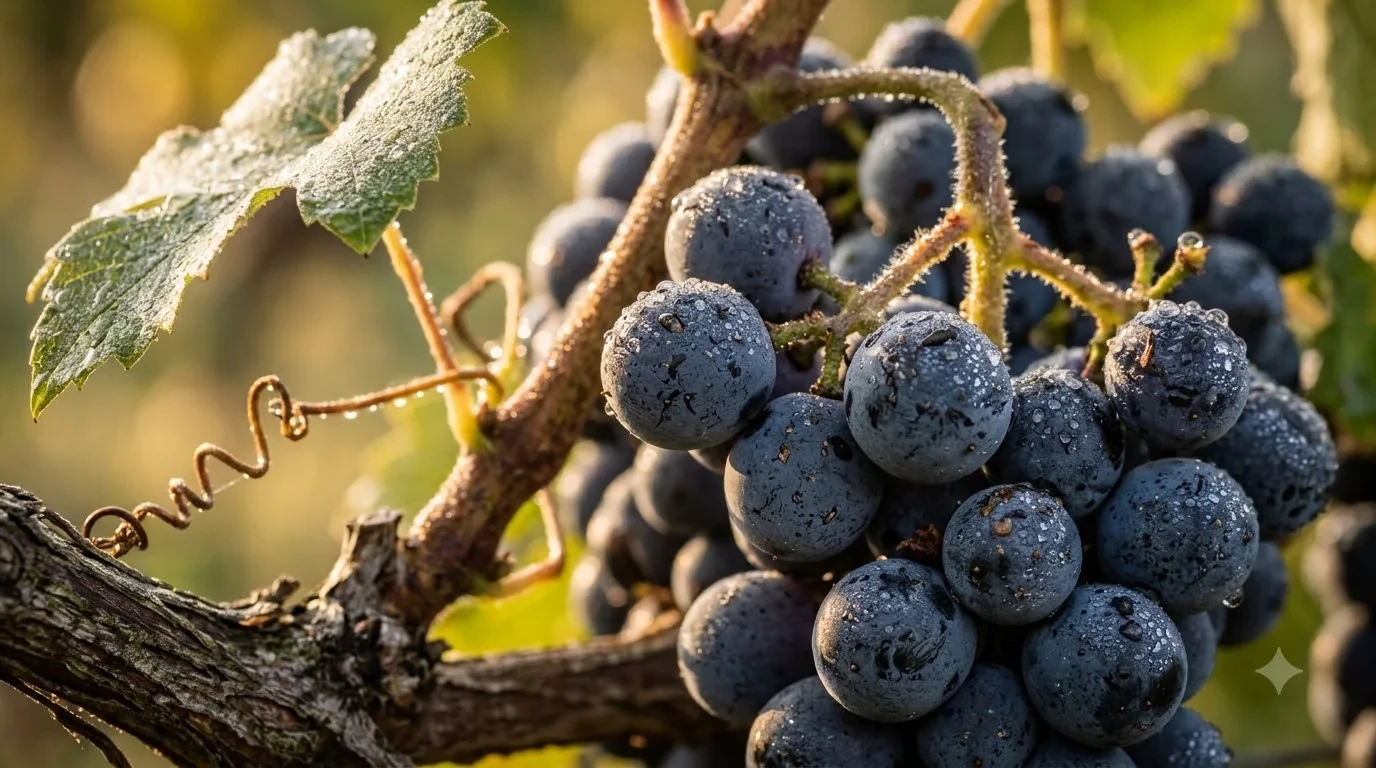

We may earn a commission when you buy through links on this page, at no extra cost to you. Learn more.
The bacchus grape is an aromatic white wine variety that produces floral, fruit-driven wines, especially in England and Germany. It was bred in Germany in 1933 from Silvaner, Riesling, and Müller-Thurgau, then found a distinctive role in England’s cool climate. Expect aromas that can include elderflower, citrus, black currant, herbs, and gooseberry, with the exact balance shaped by region and winemaking. Most bottles are dry or off-dry and light to medium in body.
Bacchus is a useful grape to know if you enjoy aromatic white wines but want an alternative to Sauvignon Blanc or Riesling. Its name comes from the Roman god of wine, yet its modern identity is closely tied to northern European vineyards: Germany gives it one expression, while English growers have made it a recognizable signature variety. Understanding those differences makes it easier to choose a bottle, serve it at the right temperature, and match it with food.
Bacchus Grape Origins and Parentage
Bacchus is a modern German white grape, not an ancient variety. It was crossed at the Geilweilerhof vine-breeding institute in 1933, registered in Germany in 1972, and named for the Roman deity associated with wine. The Wines of Germany Bacchus profile summarizes its German growing areas and signature aromas.
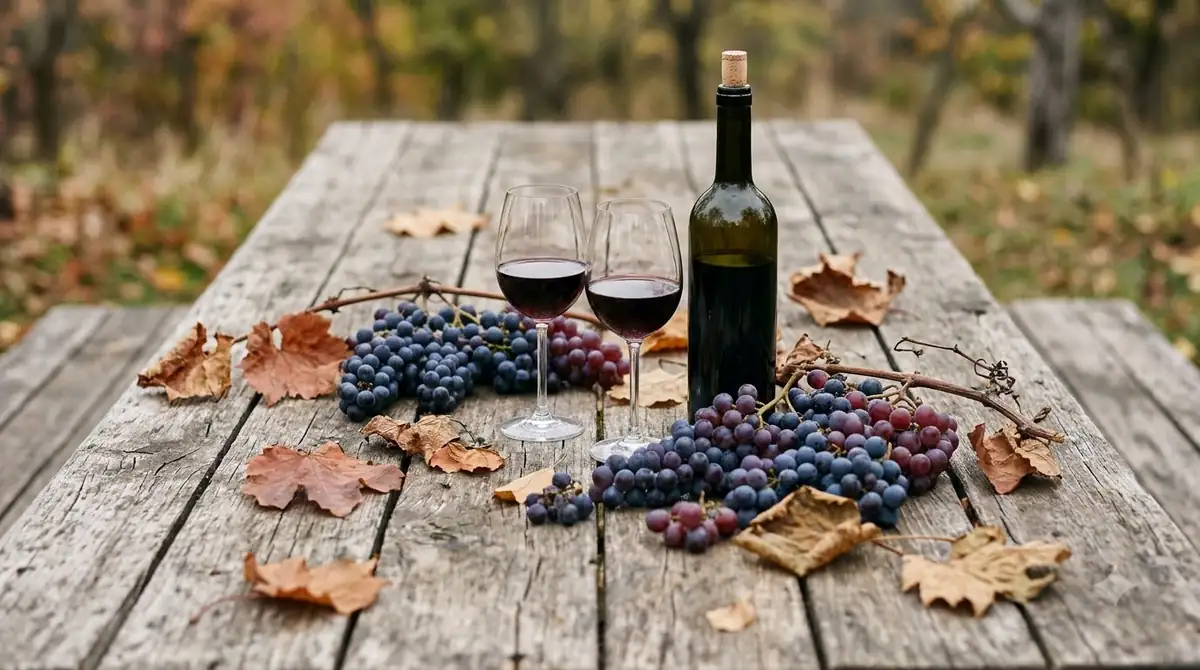
The accepted parentage is (Silvaner × Riesling) × Müller-Thurgau. In practical terms, it combines three established white-wine varieties rather than being a direct cross with Sauvignon Blanc, a comparison that often comes up because English Bacchus can share some of Sauvignon’s grassy and citrus-like aromas. The grape was developed for German growing conditions, where early ripening and the ability to achieve high sugar levels offered useful advantages. It can reach a high must weight without needing the longest growing season.
That early-ripening habit helped Bacchus spread during the 1970s and 1980s. Wines of Germany records a high point of 3.6% of the country’s vineyard area in 1985, followed by a decline. The grape remains a regional specialty in places where growers value its floral character and reliable ripeness. Its history shows how a grape’s reputation can change when it is planted in a different climate.
Where Bacchus Grows Today
Germany remains Bacchus’s birthplace and an important home, while England has given it a more distinctive modern profile. The main German growing areas include Franconia, Rheinhessen, Nahe, and the Palatinate; English plantings are spread across several wine-growing counties.
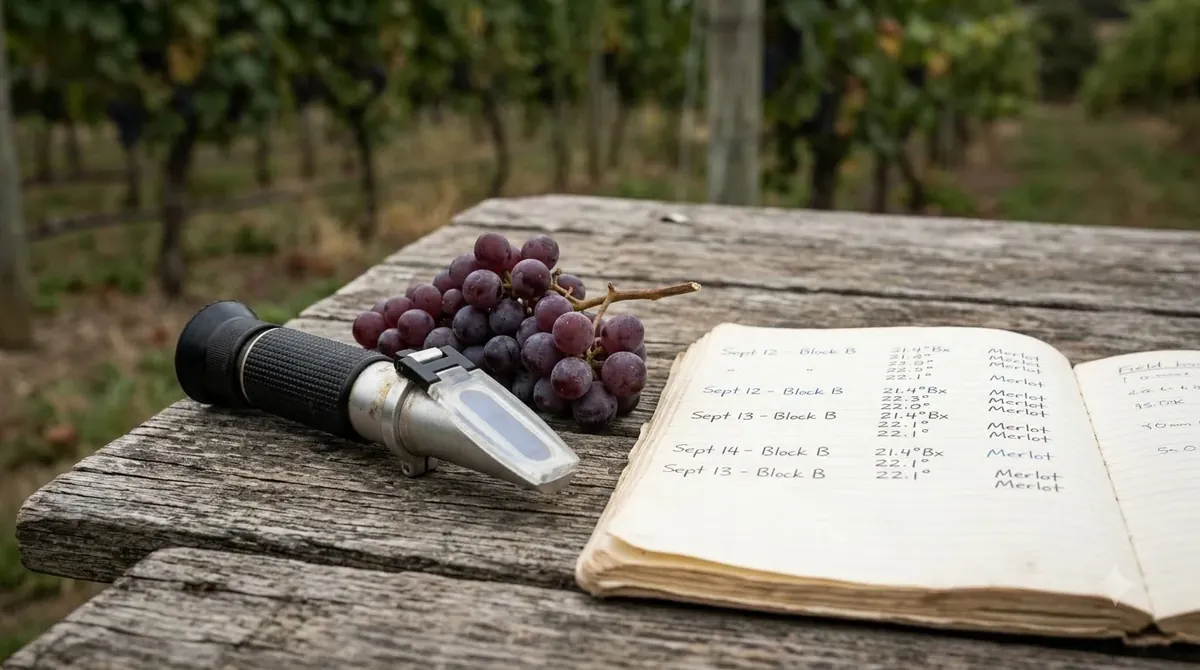
In Germany, the variety is associated particularly with Franconia, where it is a local specialty alongside Silvaner and Müller-Thurgau. The German Wine Institute lists Bacchus at 12% of Franconia’s vineyard area in its regional variety figures for 2022. The region follows the Main River around Würzburg, and its soils range from shell limestone in the central district to heavier gypsum and keuper soils farther east. Bacchus is not the region’s only story, but it has a stronger local presence there than it does in many other German wine regions.
England’s maritime climate gives the grape a different balance. Cooler conditions can preserve more acidity than is typical in warmer German sites, helping wines feel brisk and lifted rather than broad or soft. English plantings have grown into a meaningful part of the national vineyard landscape: the specialist British vine-variety guide records 333.81 hectares in Great Britain in 2024, compared with 1,515 hectares in Germany. These figures show why Bacchus is much easier to encounter in English wine ranges than in many international selections.
A Franconian Bacchus may be rounder, more floral, and sometimes slightly sweet, while an English example may emphasize fresh herbs, citrus, and a crisp finish. Site, harvest timing, and cellar choices make regional origin a useful clue rather than a guarantee.
Flavor, Aroma, Acidity, and Body
Bacchus is best understood as an aromatic white grape whose flavors shift with climate and ripeness. Common descriptors include elderflower, orange, black currant, gooseberry, lime, green herbs, and sometimes nutmeg or caraway; its body is usually light to medium.
In a cool English expression, the nose can be vivid and fresh. Elderflower and hedgerow notes may sit alongside grapefruit, lime, pear, green apple, or freshly cut grass. Some bottlings lean toward gooseberry and nettle, while riper fruit can bring passion fruit, melon, or peach. The palate is often brisk, with enough acidity to make the wine refreshing and useful at the table. This is the style that invites comparisons with Sauvignon Blanc, although Bacchus has its own floral character and does not need to copy that variety to be distinctive.
German Bacchus can show a softer profile. Wines of Germany describes light-yellow wines that are mostly light to medium-bodied, with fruit and a floral Muscat-like bouquet; black currant and orange are among the variety’s recognizable aroma cues. Some examples have a subtle hint of nutmeg or caraway. Depending on the must weight and the amount of acidity retained, the wine can feel rounded and gently aromatic, or more concentrated and Riesling-like.
Sweetness and acidity should be judged separately. A wine can smell ripe and fruity while finishing dry, and a little residual sugar can make acidity seem less sharp without turning the wine into a dessert wine. English Bacchus is often dry or off-dry, while some German versions may be made with more noticeable sweetness. If you prefer a taut, citrus-led white, choose a dry example; for a softer aperitif or a match with mildly spicy food, an off-dry bottling may be more comfortable.
Wine Styles and Winemaking Choices
Most Bacchus is made as a still white wine, but the variety can support several interpretations. Look for fresh, unoaked bottles as the clearest introduction, then explore richer, skin-contact, oak-influenced, or sparkling examples to see how technique changes the grape’s aromatic shape.
Cool, temperature-controlled fermentation is a common way to protect the grape’s floral and fruit aromas. Stainless-steel fermentation keeps the profile clean and direct, making it a natural fit for wines built around elderflower, citrus, and green fruit. Producers may also allow a small amount of residual sugar to remain, balancing the wine’s acidity and broadening its appeal with food. The finished wine is usually intended to be approachable rather than heavily structured, so freshness matters more than obvious oak or extended aging.
Some producers take a more textural route. Oak aging can add gentle spice, smoky notes, or a rounder palate, while lees contact may contribute a broader, creamier feel. Decanter’s overview of English Bacchus describes styles ranging from light, floral, and zesty to gooseberry-led, grassy, and richly tropical, including oak-influenced bottlings and sparkling wines. Those options show that the grape can do more than one crisp white-wine impression. Sparkling Bacchus is worth seeking out if you enjoy aromatic bubbles. It can offer green apple, lime, elderflower, and soft stone-fruit notes, with a less familiar profile than traditional-method sparkling wines made from Chardonnay, Pinot Noir, or Meunier. Production method and sweetness vary, so look for a style description before choosing a bottle.
| Reference point | Figure | What it tells you |
|---|---|---|
| Year of crossing | 1933 | Bacchus was bred in Germany at Geilweilerhof. |
| German registration | 1972 | The variety entered the German variety list. |
| Great Britain plantings | 333.81 hectares (2024) | A substantial foothold in British vineyards. |
| German plantings | 1,515 hectares (2024) | Germany remains an important source. |
| Franconian share | 12% (2022) | Bacchus is a notable regional specialty. |
The numbers come from the specialist British vine-variety guide and the German Wine Institute’s regional figures. The planting-area totals are useful context, not a quality ranking: a smaller vineyard area can still produce memorable wines, and local demand does not always match international visibility.
How to Choose and Serve Bacchus
For a first bottle, choose a dry or off-dry Bacchus from England or Franconia, then serve it cool enough to keep the aromas lively without muting them. A light-bodied, unoaked wine is the simplest way to understand the grape before moving on to richer or sparkling versions.
Look for a style description that matches your preference. Words such as elderflower, lime, gooseberry, nettle, and green apple usually point toward a fresher profile; peach, melon, passion fruit, or a creamy texture suggest riper fruit or a broader winemaking approach. A Franconian label may also use German quality terms that describe grape ripeness at harvest. Those terms are not a substitute for a clear sweetness indication, since a wine made from ripe grapes can still ferment to a dry finish.
Serve a typical light Bacchus at 45–50°F, the same range used for light white wines and rosé. If the bottle is richer, particularly if it has oak influence or more body, 50–55°F can allow its texture and aroma to show. A refrigerator can chill the wine, but avoid serving it so cold that the floral notes disappear. Pour about 5 ounces into a standard white-wine glass; a 750 ml bottle provides roughly five pours.
Once opened, keep the bottle in the refrigerator with a stopper. Most still wines retain their best qualities for about 3–5 days, though aromatic freshness fades first. Store unopened bottles away from sunlight and temperature swings; a cool space near 55°F is a useful target. Straightforward, fresh Bacchus is usually best enjoyed young.
Tip: Take the bottle out of the refrigerator for 5–10 minutes before pouring if it seems overly cold. A small rise in temperature can make elderflower, citrus, and herbal aromas easier to notice.
Food Pairings for Bacchus
Bacchus works best with foods that complement its acidity and aromatic lift rather than overpower them. Seafood, fresh herbs, vegetables, creamy dishes, and lightly spiced meals are reliable starting points, especially with a dry English style.
Try a crisp Bacchus with oysters, prawns, crab, grilled white fish, or fish and chips. Citrus and herbal notes can echo lemon, parsley, dill, and green sauces, while acidity refreshes the palate after fried or creamy textures. Its lighter body suits delicate fish better than heavily smoked or strongly sauced seafood. A lees-aged or oak-influenced example can stand up to cream sauce or mild seafood risotto. Vegetable dishes can be equally successful. Asparagus, peas, zucchini, green salads, and spring vegetables suit the wine’s fresh, sometimes grassy character. A dry example can work with goat cheese, young sheep’s cheese, or a mild semi-soft cheese, while an off-dry version can take on dishes with ginger, aromatic spices, or a gentle sweet-and-sour edge. Salt and moderate richness can make the wine’s fruit seem more generous, but very sharp vinegar dressings may make the wine taste less expressive.
For Asian food, pay attention to the heat and sweetness of the dish. A slightly off-dry Bacchus can be pleasant with ginger, lemongrass, coriander, and mild chili, especially when the wine is not high in alcohol. Very hot chili can make alcohol feel more pronounced and can flatten delicate aromas, so choose a lower-alcohol, gently sweet style and keep the heat moderate. A fragrant Thai noodle salad, lightly spiced spring rolls, or steamed dumplings with herbs are safer matches than a dish dominated by intense chili paste. Dessert requires a different approach. A dry Bacchus will usually taste lean or sharp beside a dessert that is sweeter than the wine. Choose a Bacchus with enough residual sugar to meet the sweetness of fruit desserts, or switch to a sweeter wine; the basic rule is that the wine should be at least as sweet as the food. For a contrasting aromatic red with a sweeter profile, the Brachetto grape offers a different direction. For broader comparisons, an Airén grape bottling can help illustrate how white wines vary in aromatic intensity, while the Wine by Type section is useful for comparing still, sparkling, dry, and sweet styles. Bacchus is most rewarding when the pairing respects its freshness: give it clean flavors, moderate seasoning, and enough acidity in the dish to meet the wine.
Frequently Asked Questions
These five quick answers cover label terms, blending, and regional details that can help make a Bacchus bottle easier to understand. They add context beyond the grape’s core flavor and serving profile.
What does must weight mean on a German wine label?
Must weight measures the density of unfermented grape juice and is used as an indicator of sugar concentration at harvest. In Germany, the Oechsle scale expresses how much heavier the juice is than water, helping determine ripeness categories before fermentation. It does not, by itself, tell you how sweet the finished wine will taste.
What does Spätlese mean on a Bacchus bottle?
Spätlese means “late harvest” and is a German Prädikat category tied to the ripeness or must weight of the grapes at harvest. It does not automatically mean the wine is sweet: a Spätlese can be fermented until dry, or made with some residual sugar. The word describes the harvest category, not a guaranteed sweetness level.
Can Bacchus be blended with another grape?
Yes. Bacchus can be blended, and its aromatic character can be useful when a producer wants to add floral or fruity lift to a more neutral white variety. In Germany, blending with Silvaner is one established approach described by vine-growing references, although many English producers choose to bottle Bacchus on its own.
Does Franconian Bacchus always come in a Bocksbeutel?
No. The Bocksbeutel is a traditional flattened, ellipsoid bottle strongly associated with Franconian wine, but it is not exclusive to Bacchus and not every Franconian wine uses it. The bottle shape is a regional identity marker, so it can help identify the origin even before the grape variety is read.
Is Bacchus a Vitis vinifera grape?
Yes. Its listed parents—Silvaner, Riesling, and Müller-Thurgau—are European wine grapes within Vitis vinifera. Bacchus is a deliberate cross between vinifera varieties, not an interspecific disease-resistant hybrid crossed with an American or Asian vine species.
Bacchus offers two especially useful points of reference: the softer, often more rounded German style and the brisk, aromatic English style. Start with a young, dry bottle served at 45–50°F, pair it with seafood or fresh vegetables, and match acidic dishes with a Bacchus at least as brisk as the food.
More in Wine Types & Grapes
 Zinfandel Sugar Content: Dry Red vs. White Zinfandel GramsUpdated Nov 21, 2026
 Best Zinfandel Substitute Options for Sipping and CookingUpdated Nov 21, 2026
 Zweigelt Food Pairing: Best Dishes, Cheeses, and Serving TipsUpdated Nov 21, 2026
 Zinfandel Tannins Explained: How Structure Shapes Every BottleUpdated Nov 21, 2026
 Zinfandel Sweetness Level: Dry Red vs. Sweet White Zin ExplainedUpdated Nov 21, 2026
 Xinomavro Food Pairing: Best Dishes, Styles, and Serving TipsUpdated Nov 21, 2026