

We may earn a commission when you buy through links on this page, at no extra cost to you. Learn more.
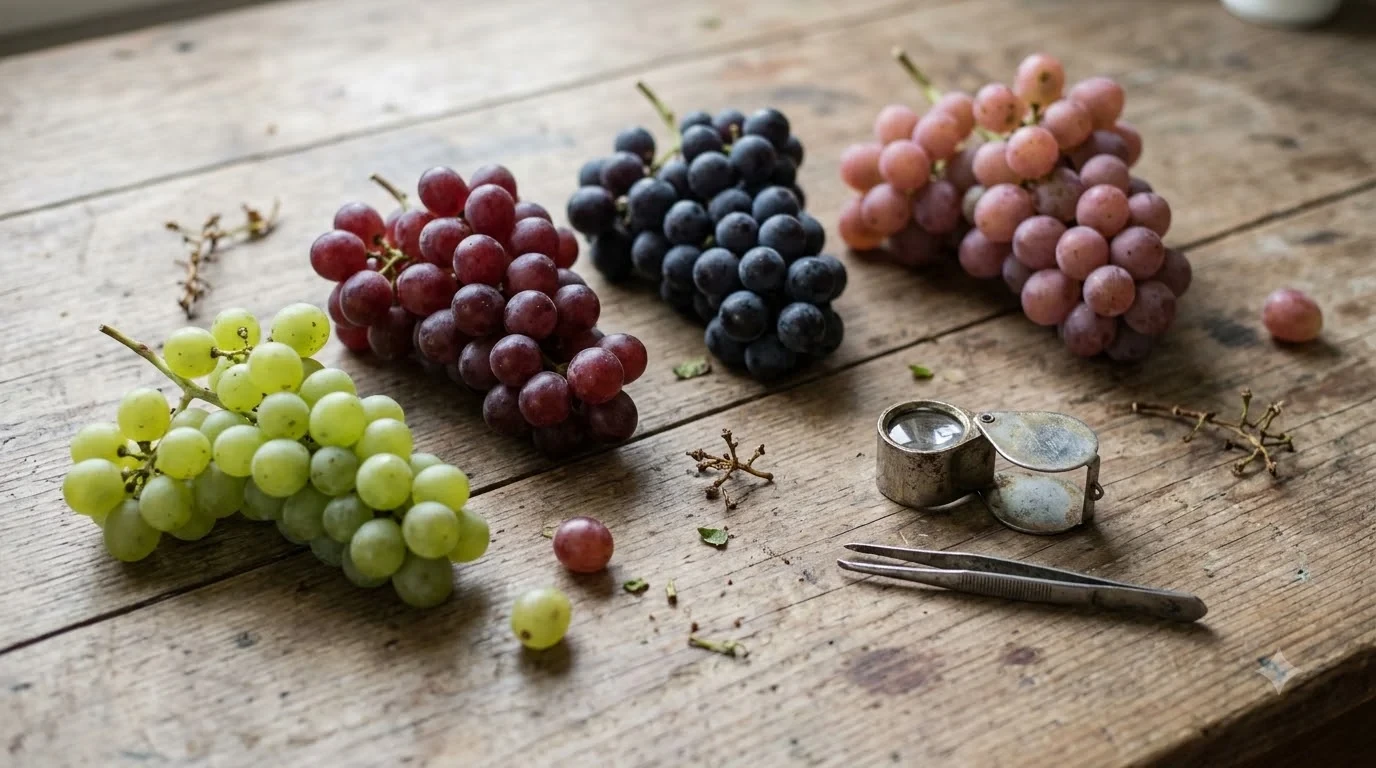
There is no single vinho verde grape; instead, Vinho Verde is a protected wine region in northwestern Portugal where winemakers craft crisp wines from dozens of native varieties. Six indigenous white grapes—Alvarinho, Loureiro, Arinto, Trajadura, Avesso, and Azal—form the backbone of the classic light, citrus-driven white style. Red and rosé expressions also exist, led by local red varieties such as Vinhão and Espadeiro.
Shoppers browsing a wine aisle often assume Vinho Verde is a varietal name like Chardonnay or Pinot Grigio, partly because the Portuguese phrase translates literally to “green wine.” That name actually refers to the wine’s youthful freshness—released soon after harvest rather than aged in oak—and the lush, rain-fed landscape where the vines grow.
What it is
Vinho Verde is a Denominação de Origem Controlada (DOC) located in Portugal’s historic Minho province, established as a demarcated region in 1908. Rather than denoting a single cultivar or unripe fruit, the title governs a geographic appellation where more than 100 grape varieties are permitted under regional wine law.

According to Wine Folly’s beginner guide to Vinhos Verdes, six native white varieties supply the core structure and aromatics of the region’s white wines: Alvarinho, Loureiro, Arinto, Avesso, Azal, and Trajadura. While white wines account for roughly 85 percent of regional production, growers also cultivate indigenous red varieties—most notably Vinhão, Espadeiro, and Padeiro—for tart, deeply colored reds and pale, bright rosés.
Historically, traditional Vinho Verde developed a faint natural fizz because malolactic fermentation sometimes finished after the wine was bottled. Today, most commercial bottlings achieve their signature gentle spritz through a controlled addition of carbon dioxide before bottling, while single-varietal and estate-grown releases frequently skip the bubbles altogether to highlight mineral texture and grape character.
Flavor and styles
Classic white Vinho Verde delivers vibrant acidity, low to moderate alcohol, and brisk flavors of lime zest, pink grapefruit, green apple, yellow apple, and white blossom. Because each native variety brings a distinct aromatic and structural profile, the wine’s exact character depends heavily on whether a bottle is a regional blend or a single-varietal cuvée.
Understanding the primary varieties helps predict what will show up in the glass, much like learning how Wine by Type categories separate crisp aromatic whites from fuller, textured styles:
- Alvarinho: Known across the border in Spain as Albariño, this thick-skinned grape yields fuller-bodied, structured whites with peach, citrus, and saline minerality, capable of aging seven years or longer.
- Loureiro: Often compared to Riesling for its lifted aromatics, Loureiro contributes fragrant notes of bay leaf, orange blossom, peach, and lime alongside snappy acidity.
- Arinto: Locally called Pedernã, Arinto is prized across Portugal for razor-sharp lemon and green apple acidity that keeps blends brisk even in warmer inland pockets.
- Trajadura: Lower in acidity than its neighbors, Trajadura is frequently blended with Alvarinho or Loureiro to add rounded stone-fruit richness, pear notes, and soft body.
- Avesso: Grown mostly in warmer inland zones, Avesso produces richer, slightly broader whites showing ripe melon, citrus, and a subtle bitter almond finish.
- Azal: A late-ripening, high-acid grape that thrives in sunny inland vineyards, bringing tart green-fruit snap to traditional blends.
- Vinhão and Espadeiro: The flagship red grapes of the region; Vinhão makes opaque, ink-dark, high-acid red wine, while Espadeiro produces pale, berry-scented rosés and light reds.
| Grape Variety | Color | Key Aromas & Flavors | Typical Body & Role |
|---|---|---|---|
| Alvarinho | White | Peach, pink grapefruit, saline minerality | Medium-bodied; bottled solo or blended for weight |
| Loureiro | White | White blossom, lime zest, bay leaf, peach | Light-bodied; aromatic backbone of coastal blends |
| Arinto (Pedernã) | White | Sharp lemon, green apple, wet stone | Light to medium; provides crisp, lasting acidity |
| Trajadura | White | Pear, yellow apple, citrus blossom | Medium-bodied; softens high-acid blends |
| Avesso | White | Juicy melon, citrus peel, subtle bitterness | Medium-bodied; fuller inland white style |
| Azal | White | Tart green apple, lime, herbaceous notes | Light-bodied; late-ripening acid booster |
| Vinhão | Red | Tart blackberry, sour cherry, earthy spice | Medium-bodied, opaque, high-acid traditional red |
| Espadeiro | Red | Wild strawberry, red currant, floral lift | Light-bodied; primary grape for crisp rosés |
Alcohol by volume provides an immediate clue to style on any label. According to Wine Folly, bottles sitting between 8.5 and 10.5 percent ABV typically represent lighter-bodied, citrus-driven, traditionally spritzy blends, whereas bottles between 11.5 and 13 percent ABV signal riper fruit, fuller texture, and drier, still single-varietal winemaking.
Where it grows
The Vinho Verde demarcated region blankets northwestern Portugal in the Minho area, stretching from the Atlantic coast north to the Minho River border with Spain and south toward the Douro River. Cool, wet Atlantic weather systems sweep across the western hills, creating a lush, green landscape with high rainfall and granite-dominant soils.
Because terrain and sunshine shift significantly as you move away from the ocean, the appellation is divided into nine official sub-regions, each favoring specific grapes. Coastal valleys such as Lima and Cávado remain cool and breezy, providing ideal conditions for aromatic, early-ripening Loureiro. Further north along the Spanish border, the inland sub-region of Monção e Melgaço sits sheltered behind coastal mountains, enjoying warmer daytime temperatures that allow Alvarinho to achieve deeper ripeness while retaining brisk natural acidity.
In the warmer southern and inland sub-regions of Amarante, Baião, and Basto, extra sunshine helps late-ripening varieties like Avesso and Azal reach full maturity. As Wine Enthusiast notes in its regional overview of Vinho Verde, producers increasingly label bottles by sub-region and single vineyard rather than blending across the entire Minho zone, allowing drinkers to taste how coastal fog versus inland granite shapes the same native grapes.
How to serve
White and rosé Vinho Verde should be served thoroughly chilled, ideally between 38°F and 45°F (3°C to 7°C), straight from the refrigerator or an ice bucket. That cold serving temperature sharpens the wine’s citrus snap and keeps any dissolved carbonation lively on the palate.
A standard tulip-shaped white wine glass works well for both spritzy blends and still single-varietal bottles, concentrating floral aromas like Loureiro’s orange blossom without letting the chill dissipate too quickly. If you open a fuller-bodied, un-carbonated Alvarinho or Avesso from a top sub-region, letting it warm slightly toward 48°F (9°C) in the glass helps reveal deeper stone-fruit and saline notes that stay muted when ice-cold.
Most entry-level Vinho Verde blends are crafted for immediate enjoyment within one to two years of the vintage date on the bottle. By contrast, concentrated, barrel-fermented, or lees-aged single-varietal Alvarinho and Arinto bottlings possess the acid backbone to evolve gracefully in a cool cellar for five to ten years, trading primary lime flavors for honeyed, mineral complexity.
Tip: Check the vintage year on the back or front label before buying a basic white blend—picking the most recent harvest ensures maximum freshness and lively aromatics.
Food pairing
High acidity, moderate alcohol, and bright citrus flavors make Vinho Verde one of the most versatile food wines on the table, especially alongside seafood, fresh herbs, and light dishes. The crisp acid acts like a squeeze of fresh lemon over fried or grilled foods, cutting through richness without overwhelming delicate ingredients.
Classic Portuguese coastal pairings include grilled sardines, salted cod fritters, steamed clams with garlic and cilantro, and simple roasted white fish. In American home kitchens, the same bright profile shines next to fish tacos topped with mango salsa, shrimp ceviche, California rolls, Vietnamese summer rolls, and salads dressed with citrus vinaigrette. Lighter, slightly off-dry blends with around 9 to 10 percent ABV also soothe mild chili heat in Thai noodle dishes or spicy shrimp stir-fries, while structured, dry Alvarinho stands up to roast chicken, crab cakes, and creamy goat cheese.
If you track macros or lighter pours alongside weekday meals, checking calories in vinho verde shows why lower-ABV coastal blends remain a popular pour for casual lunches and warm-weather dinners. For the rare occasion when you find a traditional red Vinho Verde made from Vinhão, serve it slightly cool alongside fatty grilled pork, sausages, or charred sardines, where its tart berry acidity slices straight through smoky richness.
How to choose a bottle
Reading the front and back labels carefully lets you match a bottle of Vinho Verde to the exact style you want, whether that is a breezy porch sipper or a serious dry white. Because producers are not required to list grape names on basic regional blends, looking at three label details—grape variety, sub-region, and ABV—takes out the guesswork.
Start by scanning for grape names. If a bottle lists only “Vinho Verde” without a varietal name, it is almost certainly a fresh, light blend anchored by Loureiro, Trajadura, and Arinto with a gentle spritz. If you prefer a drier, more concentrated white without bubbles, look for single-varietal labels stating 100 percent Alvarinho, Loureiro, or Avesso, or check for the sub-region name Monção e Melgaço, which signals Portugal’s premier terroir for structured Alvarinho.
Finally, glance at the alcohol percentage printed on the label corner. Bottles around 9 to 10.5 percent ABV deliver the classic featherweight, zippy profile, while bottles reaching 12 to 13 percent ABV offer fuller mid-palate weight and richer orchard fruit. Explorers who enjoy discovering native Iberian and Mediterranean grapes beyond mainstream shelves can also compare Vinho Verde’s Atlantic freshness against other indigenous European varieties like the baga grape from nearby Bairrada or the volcanic carricante grape from Mount Etna.
Frequently Asked Questions
Is Vinho Verde a grape or a wine region?
Vinho Verde is a protected wine region (DOC) in northwestern Portugal’s Minho province, not a single grape variety. Winemakers there produce wines from dozens of authorized native grapes, led by six primary white varieties: Alvarinho, Loureiro, Arinto, Trajadura, Avesso, and Azal.
What is the main grape used in white Vinho Verde?
There is no single dominant grape across the entire appellation, as most classic bottles are blends. However, Loureiro and Alvarinho are the two most famous and widely planted white varieties, with Loureiro leading aromatic coastal blends and Alvarinho starring in structured northern bottlings.
Is Vinho Verde always fizzy and sweet?
No. While many entry-level blends feature a gentle spritz and a touch of residual sugar to balance their brisk acidity, top single-varietal and sub-regional bottlings—especially Alvarinho and Avesso—are completely still and bone-dry.
Is Alvarinho the same grape as Spanish Albariño?
Yes, Alvarinho and Albariño are the exact same grape variety, known by its Portuguese spelling in Vinho Verde and its Spanish spelling just across the Minho River in Galicia’s Rías Baixas region. In Vinho Verde, it thrives especially well in the northern sub-region of Monção e Melgaço.
Knowing that the vinho verde grape is actually a family of native Portuguese varieties turns a mysterious green bottle into an easy choice on any wine list or shop shelf. Whether you reach for a spritzy Loureiro-driven blend for weeknight tacos or a crisp, dry Monção e Melgaço Alvarinho for shellfish, checking the varietal and ABV on the label ensures you get the exact style you want.
More in Wine Types & Grapes
 Zinfandel Sugar Content: Dry Red vs. White Zinfandel GramsUpdated Nov 21, 2026
 Best Zinfandel Substitute Options for Sipping and CookingUpdated Nov 21, 2026
 Zweigelt Food Pairing: Best Dishes, Cheeses, and Serving TipsUpdated Nov 21, 2026
 Zinfandel Tannins Explained: How Structure Shapes Every BottleUpdated Nov 21, 2026
 Zinfandel Sweetness Level: Dry Red vs. Sweet White Zin ExplainedUpdated Nov 21, 2026
 Xinomavro Food Pairing: Best Dishes, Styles, and Serving TipsUpdated Nov 21, 2026