

We may earn a commission when you buy through links on this page, at no extra cost to you. Learn more.
The calories in vinho verde typically range from 90 to 120 calories per 5-ounce glass, making it one of the lightest traditional wines available. Because classic bottles sit between 9 percent and 11.5 percent alcohol by volume (ABV), they contain significantly less ethanol than standard dry whites like Sauvignon Blanc or Chardonnay. Most pours carry roughly 2 to 4 grams of carbohydrates, under 1 gram of residual sugar, and zero fat or protein.
Understanding why this crisp Portuguese staple stays so light comes down to climate, harvest timing, and fermentation math. When you compare a lively, slightly spritzy pour from northern Portugal against fuller-bodied bottles on the shelf, the difference in energy density becomes clear right away.
What Determines the Calories in Vinho Verde?
Alcohol content is the single biggest driver of energy in any bottle of wine, accounting for nearly all of the calories in dry styles. Because traditional Vinho Verde is harvested early in a cool, coastal region, its grapes naturally hold less sugar at picking and ferment into a lower-alcohol wine.
In nutrition science, pure ethanol provides roughly seven calories per gram, whereas carbohydrates supply about four calories per gram. When winemakers ferment grape juice to dryness, yeast converts the natural sugars into alcohol and carbon dioxide. If grapes start out with lower sugar levels on the vine, the finished wine lands at a lower ABV, directly trimming the calorie count in every glass.
According to Wine Enthusiast, drier wines with minimal residual sugar and lower alcohol levels routinely fall between 90 and 120 calories per 5-ounce serving, or roughly 500 to 600 calories across a standard 750-milliliter bottle. Every single percentage point of ABV adds around eight calories to a standard pour. That means choosing a 9.5 percent ABV Vinho Verde over a 13.5 percent ABV white saves roughly 30 calories per glass without sacrificing flavor or acidity.
Residual sugar plays a secondary role, though it still separates bone-dry bottles from slightly off-dry export styles. Many classic Vinho Verde blends leave a tiny touch of unfermented grape sugar—often around 1 gram or less per glass—to balance their mouthwatering tartness. Even with that subtle hint of roundness, total carbohydrates rarely exceed 3 or 4 grams in a 5-ounce serving, keeping the overall count well below most other Wine by Type categories.
Calorie and Nutrition Breakdown by Pour Size and Style
Not every bottle labeled Vinho Verde shares the exact same nutritional profile, since modern winemakers produce everything from featherweight coastal blends to richer single-varietal whites. Checking the alcohol percentage printed on the front or back label gives you the fastest, most reliable estimate of what is inside your glass.
| Wine Style or Serving Size | Typical ABV | Calories | Carbs | Sugar |
|---|---|---|---|---|
| Classic Vinho Verde (5 oz glass) | 9.5%–10.5% | 90–100 | 2–3 g | Under 1 g |
| Single-Varietal Alvarinho (5 oz glass) | 11.5%–12.5% | 110–120 | 2–4 g | Under 1 g |
| Standard 750 ml Bottle (Classic Blend) | 10% | 475–500 | 10–15 g | 3–5 g |
| Dry Sauvignon Blanc (5 oz glass) | 13% | 120 | 3 g | Under 1 g |
| Dry Pinot Noir (5 oz glass) | 13.5% | 120–124 | 3 g | Under 1 g |
A standard 5-ounce restaurant pour of classic, gently effervescent Vinho Verde hovers right around 95 calories. If you pour a slightly more generous 6-ounce glass at home, that figure rises to roughly 114 calories. Sharing a full 750-milliliter bottle of a 10 percent ABV blend splits about 480 to 500 calories across five standard glasses, compared to roughly 600 calories for a bottle of standard dry white or red wine.
Varietal composition also shifts the numbers upward when you move toward premium bottlings. While everyday blends rely on high-acid, lower-sugar grapes, a 100 percent Alvarinho from the warmer inland subregions often reaches 12 percent or 12.5 percent ABV. Those richer expressions deliver more body and stone-fruit weight alongside an extra 15 to 20 calories per glass, placing them closer to traditional calories in dry white wine benchmarks.
Flavor, Styles, and Grapes Behind the Light Profile
The phrase Vinho Verde translates literally to “green wine,” a reference to the wine’s youthful release rather than its color in the glass. Bottled just months after harvest, these wines trade heavy oak aging and high alcohol for electric citrus brightness, floral aromatics, and a signature pinpoint spritz.
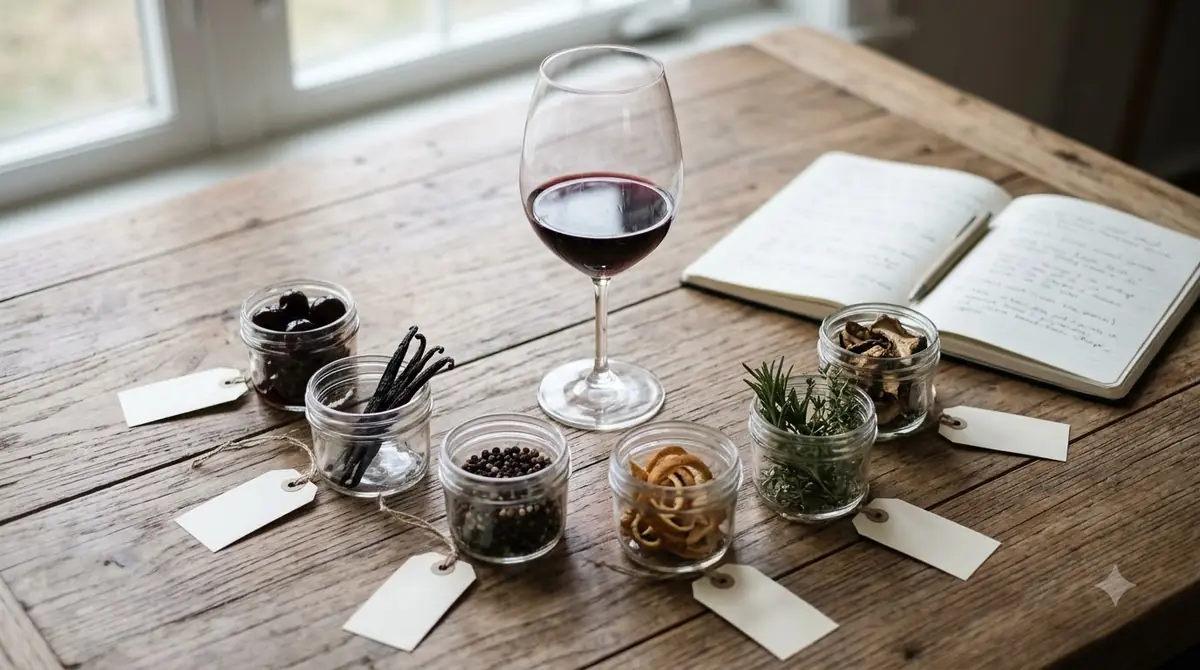
According to Wine Folly, classic Vinho Verde displays a light body, zero tannins, high acidity, and a typical alcohol range of 10 to 11.5 percent ABV. On the palate, drinkers encounter crisp notes of Meyer lemon, key lime, green apple, white peach, and crushed wet stone. Many entry-level bottles also feature a delicate prickle of carbonation—traditionally caused by malolactic fermentation finishing in the bottle, though modern producers usually add a controlled touch of carbon dioxide before bottling for consistency.
Behind that refreshing profile sits a diverse cast of indigenous Portuguese varieties, each contributing distinct structure to the vinho verde grape lineup. Loureiro brings fragrant blossom, mint, and green apple notes while keeping alcohol naturally restrained. Arinto supplies razor-sharp acidity, Trajadura adds soft orchard-fruit roundness, and Avesso contributes fuller texture in southern subregions. Although white wines dominate American shelves, the region also produces vibrant, food-friendly rosés from Espadeiro and deeply pigmented, tart red wines from Vinhão.
Tip: Scan the bottom corner of the front label for the ABV number before buying; bottles at 9 percent or 9.5 percent ABV will be the lightest, crispiest, and lowest in calories.
Where Vinho Verde Grows and Why Climate Matters
Vinho Verde comes from the Minho province in the far northwest corner of Portugal, wedged between the Atlantic Ocean and Spain’s Galicia region. Constant ocean breezes and high annual rainfall create a lush, green landscape where grapes ripen slowly and retain bracing natural acidity.
Because the Atlantic moderates summer heat, vineyards rarely experience the extreme sugar accumulation seen in warmer Mediterranean climates. Grapes reach phenolic ripeness—developing bright citrus and floral flavors—while their sugar levels remain modest. For generations, local farmers trained vines high off the damp ground on granite pergolas or up orchard trees to promote airflow and prevent mildew, a traditional practice still visible across the region’s nine sub-regions.
Granite and schist soils further shape the crisp, mineral-driven character of the wines. In coastal sub-regions like Lima and Cávado, cooling maritime fog preserves tartness and keeps alcohol levels near the bottom of the spectrum. Further inland along the Minho River in Monção e Melgaço, sheltering mountains block the ocean chill, allowing Alvarinho grapes to ripen more fully into richer, slightly higher-alcohol wines.
How to Serve and Pair Vinho Verde
Serving temperature makes a dramatic difference in how refreshing and balanced a low-alcohol white tastes. Wine Folly recommends serving Vinho Verde ice-cold at 38 to 45 degrees Fahrenheit (3 to 7 degrees Celsius) to accentuate its crisp acidity and lively effervescence.
Two hours in a standard refrigerator usually brings a bottle into the sweet spot, and resting it in an ice-and-water bucket keeps the final pours just as bright as the first. If the wine warms up past 50 degrees Fahrenheit, the delicate spritz dissipates faster and the sharp acidity can taste slightly flat. Because most everyday bottlings are designed to be enjoyed young—ideally within one to three years of the vintage date—they require no decanting and almost always come sealed under convenient screw caps.
At the dinner table, Vinho Verde’s brisk acidity and low alcohol make it a versatile partner for light, fresh dishes. Classic Portuguese pairings include grilled sardines, garlicky clams, octopus salad, and salted cod, while American home cooks can match it effortlessly with raw oysters, ceviche, shrimp tacos, or sushi. Its subtle touch of sweetness and high acid also cool down spicy Southeast Asian dishes like Thai green curry, and its modest ABV makes it an easy companion for daytime brunches, garden salads, and fresh goat cheese—a stark contrast to heavier reds you might evaluate when checking pinot noir carbs for a steak dinner.
Frequently Asked Questions
Does Vinho Verde have fewer calories than Pinot Grigio or Sauvignon Blanc?
Yes, a standard 5-ounce glass of classic Vinho Verde generally contains fewer calories than Pinot Grigio or Sauvignon Blanc. While most dry Pinot Grigio and Sauvignon Blanc bottles sit at 12.5 to 13.5 percent ABV and deliver about 115 to 125 calories per glass, classic Vinho Verde typically ranges from 9.5 to 11 percent ABV and lands between 90 and 105 calories.
Is Vinho Verde high in sugar or carbohydrates?
No, Vinho Verde is low in both sugar and carbohydrates despite tasting bright and fruity. A 5-ounce serving typically contains 2 to 4 grams of total carbohydrates and less than 1 gram of residual sugar, though a few mass-market export styles carry slightly more sweetness to balance their high acidity.
Why is Vinho Verde lower in alcohol than most other wines?
Vinho Verde comes from a cool, rainy coastal region in northwest Portugal where grapes ripen slowly and accumulate less natural sugar on the vine. Winemakers also harvest the fruit relatively early to preserve crisp acidity, resulting in finished wines that naturally ferment to around 9 to 11.5 percent ABV.
How many calories are in a whole bottle of Vinho Verde?
A standard 750-milliliter bottle of classic Vinho Verde holds five 5-ounce servings and contains approximately 450 to 525 calories total. Richer, single-varietal Alvarinho bottlings closer to 12.5 percent ABV reach roughly 575 to 600 calories per bottle.
Checking the alcohol percentage on the label remains the easiest way to gauge the exact energy content of any bottle you pick up. Whether you choose a featherweight coastal blend for warm-weather sipping or a structured Alvarinho for seafood night, Vinho Verde delivers bright flavor with noticeably fewer calories than standard dry wines.
More in Wine Types & Grapes
 Zinfandel Sugar Content: Dry Red vs. White Zinfandel GramsUpdated Nov 21, 2026
 Best Zinfandel Substitute Options for Sipping and CookingUpdated Nov 21, 2026
 Zweigelt Food Pairing: Best Dishes, Cheeses, and Serving TipsUpdated Nov 21, 2026
 Zinfandel Tannins Explained: How Structure Shapes Every BottleUpdated Nov 21, 2026
 Zinfandel Sweetness Level: Dry Red vs. Sweet White Zin ExplainedUpdated Nov 21, 2026
 Xinomavro Food Pairing: Best Dishes, Styles, and Serving TipsUpdated Nov 21, 2026