

We may earn a commission when you buy through links on this page, at no extra cost to you. Learn more.
Verdejo food pairing works best with seafood, grilled fish, chicken, fresh vegetables, Spanish tapas, and mild to medium-strength cheeses. This Spanish white wine has refreshing acidity, citrus flavors, herbal aromas, and a slightly bitter finish that complement fresh ingredients and savory dishes. Choose younger Verdejo for delicate seafood and salads, or fuller-bodied, oak-aged bottles for richer poultry, creamy sauces, and more substantial meals.
Verdejo deserves a place alongside familiar white wines such as Sauvignon Blanc and Pinot Grigio when planning a meal. Its combination of lemon, lime, green herbs, stone fruit, and gentle bitterness makes it especially useful with Mediterranean cooking. From garlic shrimp and grilled sea bass to Manchego cheese and roasted vegetables, the right dish can bring out different aspects of this Spanish grape. Understanding its acidity, texture, and winemaking style makes choosing a successful combination much easier.
Understanding Verdejo’s Flavor and Structure Before Choosing Food
Verdejo’s natural acidity, citrus character, and herbal finish make it a versatile partner for fresh, savory dishes. Its flavor profile also explains why it works particularly well with seafood, vegetables, and foods seasoned with lemon, garlic, and fresh herbs.
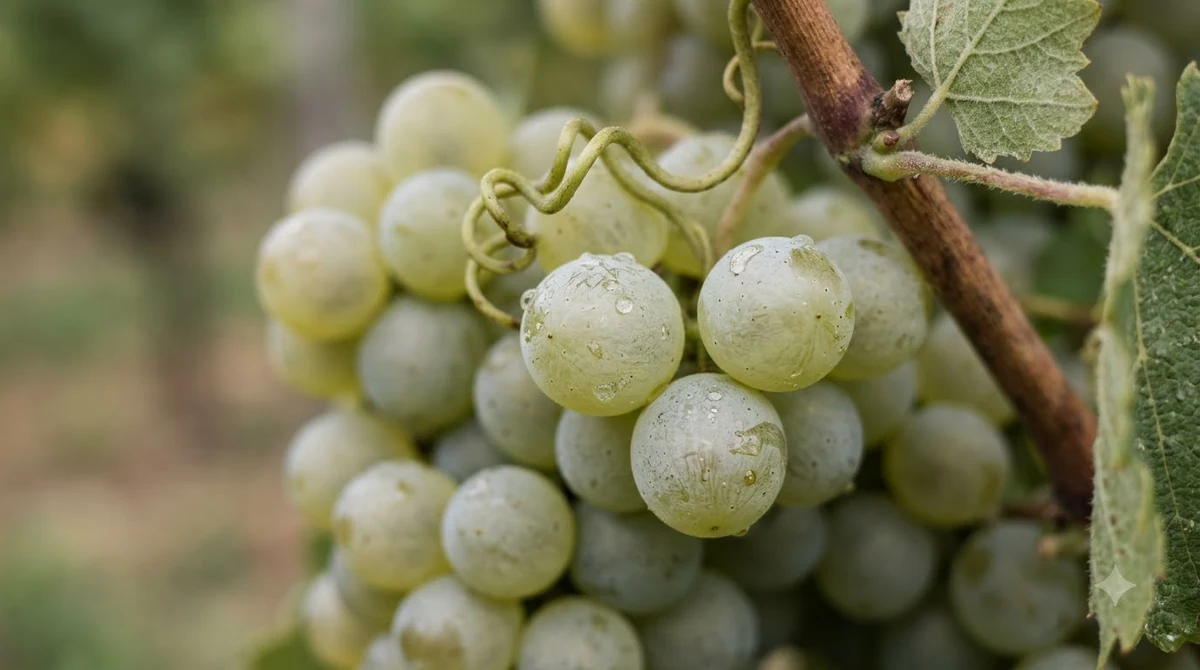
Most Verdejo comes from Rueda, a wine region in Castilla y León, northwestern Spain. According to Decanter, Rueda contains the majority of the world’s Verdejo plantings, with many vineyards situated between 700 and 900 meters above sea level. The region’s growing conditions help preserve the acidity and aromatic intensity that make the grape attractive for food pairing.
In the glass, a typical young Verdejo offers lime, grapefruit, lemon, green apple, and sometimes peach or apricot. Herbal aromas such as fennel, fresh grass, and anise add another dimension. The finish can have a mild almond-like bitterness, giving the wine more character than a straightforward, fruit-driven white.
These characteristics provide several useful pairing principles. Citrus and acidity refresh the palate after bites of oily fish, fried seafood, or dishes containing olive oil. Herbal notes complement parsley, cilantro, basil, dill, and fennel. Meanwhile, the slightly bitter finish works particularly well with savory ingredients such as olives, artichokes, and grilled vegetables.
Verdejo is generally dry, so it suits savory meals better than strongly sweet preparations. It also has enough aromatic intensity to stand alongside flavorful seasonings without overwhelming delicate ingredients.
Acidity is an important consideration. A dish with lemon juice, vinegar, or another pronounced acidic ingredient needs a wine with comparable or higher acidity. Verdejo is often a good candidate, especially when the recipe includes fresh citrus rather than a heavy vinegar reduction.
Its structure is also different from that of many red wines. Verdejo has no significant red-wine tannin structure, so it does not create the same problems with oily fish that highly tannic Cabernet Sauvignon or Syrah can produce. This makes it a practical choice for a wide range of seafood preparations.
For a broader understanding of matching wine structure with ingredients, the principles in this Wine Pairing resource provide a useful starting point.
Seafood and Fish That Complement Verdejo
Seafood is one of the strongest matches for Verdejo because the wine’s lively acidity and citrus flavors complement delicate fish, shellfish, and dishes seasoned with lemon and herbs. Grilled prawns, mussels, sea bass, cod, and seafood rice are particularly dependable choices.
Spanish cooking provides several natural examples. Gambas al ajillo, or garlic shrimp, combines sweet shellfish with olive oil, garlic, and sometimes chili. Verdejo’s citrus character cuts through the oil, while its herbal notes complement parsley. A young Rueda Verdejo is especially suitable because its freshness does not overwhelm the shrimp.
Grilled sea bass is another excellent option. Prepare the fish with olive oil, lemon, salt, and parsley rather than a heavily sweet glaze. The wine’s acidity echoes the lemon, while its delicate fruit complements the mild fish. The same approach works with grilled cod, halibut, sole, and other white-fleshed fish.
Shellfish also deserves consideration. Steamed mussels with garlic, parsley, and white wine create a natural combination, particularly when served with crusty bread. Crab salad, grilled scallops, and shrimp skewers are similarly compatible.
For richer seafood, the preparation matters. Salmon and trout contain more natural fat than cod or sole. A Verdejo with some lees aging or additional texture can work particularly well with grilled salmon, especially when the dish includes lemon, dill, or fresh herbs.
Matching Verdejo with Different Seafood Preparations
Consider the cooking method and seasoning rather than choosing wine solely by the type of fish. The Wine Folly guide to Verdejo’s flavors and food pairings also highlights lime-driven dishes, fish tacos, and richer preparations for oak-aged examples.
- Raw seafood: Ceviche, oysters, and seafood crudo work with youthful Verdejo because its acidity complements citrus marinades and fresh flavors.
- Grilled seafood: Charred shrimp, squid, and sea bass benefit from Verdejo’s citrus and herbal characteristics.
- Fried seafood: Calamari, fried shrimp, and fish-and-chips gain freshness from the wine’s acidity, which helps refresh the palate after each bite.
- Seafood rice: Paella, seafood risotto, and saffron rice dishes can work particularly well with a fuller Verdejo.
- Shellfish in garlic sauce: Prawns and mussels with garlic, parsley, and olive oil are classic combinations.
Fish tacos are another practical choice. Prepare them with grilled white fish, cabbage, cilantro, and lime, then serve with a fresh Verdejo. The wine’s citrus and herbal notes connect with the toppings, while its acidity complements the fish.
One important exception involves strongly oily fish served with heavy, tannic red wine. Although Verdejo is not a tannic red, its freshness makes it a more suitable option for dishes such as sardines and grilled tuna when they are prepared with citrus and herbs.
Spanish Tapas, Salads, and Savory Appetizers
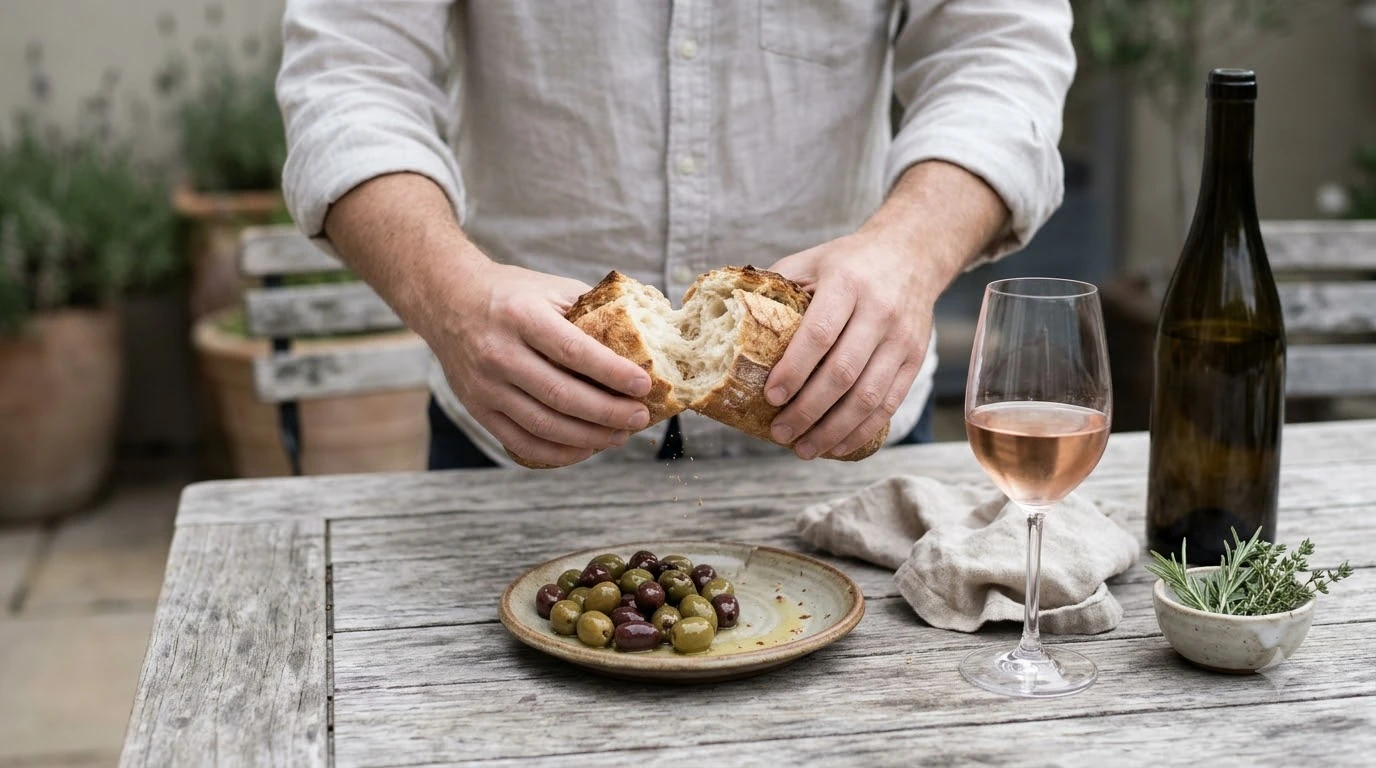
Verdejo is a natural companion for Spanish tapas because its citrus, herbal, and lightly bitter characteristics complement salty, briny, and savory ingredients. Olives, tortilla española, marinated seafood, and small vegetable dishes create an appealing spread.
Start with a simple selection of green olives, toasted almonds, and marinated vegetables. Saltiness softens the perception of bitterness, while the wine’s acidity refreshes the palate between bites. These small dishes are particularly suitable for a young, crisp Verdejo served before a larger meal.
Gilda pintxos are another useful example. These traditional Basque-style skewers typically combine green olives, pickled guindilla peppers, and anchovies. Their saltiness and acidity work naturally with Verdejo’s freshness. The wine also complements the savory character of the anchovies without adding the heavy tannins that can make some red wines difficult with fish.
Tortilla española, a Spanish potato and egg omelet, offers a softer and richer combination. The eggs and potatoes provide a satisfying texture, while Verdejo supplies freshness. A version with caramelized onions can work especially well with a slightly fuller wine.
Salads and Fresh Vegetable Starters
Salads are particularly successful when their ingredients reflect Verdejo’s herbal and citrus characteristics. Arugula, cucumber, fennel, fresh parsley, green onions, and avocado are useful starting points.
A salad with goat cheese, citrus segments, toasted almonds, and a lemon-olive oil dressing creates several complementary elements. The acidity supports the dressing, the cheese adds creaminess, and the almonds connect with the subtle nutty character sometimes found in Verdejo.
Pay attention to the dressing. A strongly acidic vinaigrette can make a wine seem flat if the wine has insufficient acidity. Verdejo generally has the freshness needed for lemon-based dressings, but extremely sharp vinegar preparations are better balanced with a more generous amount of olive oil and other ingredients.
Gazpacho, the chilled Spanish tomato and vegetable soup, is another possibility. Its tomato, cucumber, pepper, and olive oil flavors can complement a crisp Verdejo. Serve the soup cool rather than icy so its vegetable aromas remain noticeable.
For a larger appetizer selection, consider pairing the wine with roasted red peppers, marinated artichokes, garlic mushrooms, and grilled zucchini. These ingredients provide enough flavor to make the wine interesting without overwhelming its relatively delicate structure.
For more inspiration, the regional suggestions in this Albarino food pairing article offer another useful perspective on matching Spanish white wines with seafood and Mediterranean appetizers.
Chicken, Pork, and Other White Meats
Chicken and lightly seasoned pork work well with Verdejo because their relatively mild flavors allow the wine’s citrus and herbal notes to remain noticeable. Grilled chicken, roast poultry, lemon chicken, and pork tenderloin are particularly suitable.
For grilled chicken, use olive oil, lemon, garlic, rosemary, and parsley. These ingredients echo the aromatic qualities of Verdejo and create a cohesive combination. A younger bottle is appropriate for simply seasoned chicken breast, while a fuller lees-aged version can accompany roasted chicken with more developed flavors.
Chicken with almond sauce is another interesting Spanish-inspired option. The sauce adds richness and nutty flavors that connect with Verdejo’s occasional almond-like finish. A wine with some additional body and texture is preferable to a particularly lean, light style.
Roast chicken with potatoes also works well. The browned skin and savory juices provide more flavor than plain poached chicken, while lemon and herbs keep the dish fresh. Serve the wine slightly warmer than refrigerator temperature if it is a richer, lees-aged example, allowing its aromas to become more expressive.
Pork and Other Lighter Meats
Pork tenderloin is an adaptable option. Season it with garlic, cumin, coriander, and citrus, then grill or roast it until tender. Verdejo’s freshness helps balance the savory meat, and its herbal characteristics complement the spices.
Carnitas can also work when the preparation includes lime, cilantro, and fresh salsa. The acidity refreshes the palate after the rich pork, while the herbal notes connect with the garnish. However, avoid serving a very alcoholic, heavily oaked Verdejo with extremely hot salsa because alcohol can intensify the sensation of chili heat.
For milder barbecue, grilled pork skewers with lemon and herbs provide a particularly straightforward pairing. A richer Verdejo can also accompany roast pork with apple, fennel, or lightly seasoned vegetables.
When preparing poultry with cream-based sauces, select a wine with greater body. A lees-aged or oak-influenced Verdejo generally has more texture than a very young stainless-steel example, making it better equipped to accompany richer preparations.
For a different direction, lightly seasoned turkey, herb-roasted chicken thighs, and grilled tofu can also work. The common principle is to keep the seasoning savory and aromatic rather than relying on heavy sweetness or intense chili heat.
Cheese and Vegetarian Foods for Verdejo
Fresh goat cheese, Manchego, feta, and other moderately rich cheeses make excellent Verdejo partners. The wine’s acidity balances creamy textures, while its herbal and citrus characteristics complement vegetables, olives, nuts, and fresh herbs.
Spanish sheep’s milk cheeses are particularly appropriate. Manchego has a firm texture and savory, nutty flavor that can complement a medium-weight Verdejo. Younger Manchego is generally easier to match with fresher wine, while more mature examples benefit from a fuller bottle with additional texture.
Fresh goat cheese offers another successful combination. Its creamy consistency and tangy flavor work with Verdejo’s acidity, particularly when served with lemon, herbs, or a lightly dressed green salad.
Feta is also useful because its saltiness can soften the perception of bitterness. Serve it with cucumber, tomatoes, olives, and oregano for a Mediterranean-style salad. The wine’s citrus character complements the ingredients without making the cheese seem excessively rich.
Choosing Cheese According to Verdejo Style
The Ribera y Rueda wine region’s cheese pairing guidance distinguishes between younger, lees-aged, and oak-rested Verdejo. Its Verdejo food and cheese pairing recommendations provide specific examples for matching cheese intensity with the wine’s texture and weight.
- Young Verdejo: Fresh chèvre, Humboldt Fog, and Caña de Cabra offer mild, creamy flavors that suit the wine’s crisp acidity.
- Lees-aged Verdejo: Manchego and Mt. Tam provide additional texture and savory depth without overwhelming the wine.
- Oak-rested Verdejo: Roncal and other semi-firm, nutty cheeses complement the wine’s richer body and toasted characteristics.
Vegetarian meals offer even more possibilities. Grilled asparagus, roasted peppers, zucchini, leeks, potatoes, and artichokes all work well when seasoned with olive oil, garlic, and herbs.
Asparagus can be challenging with some wines because its green, vegetal flavors sometimes emphasize bitterness. Verdejo’s herbal profile can make it a suitable companion, particularly when the vegetable is grilled or roasted rather than boiled. Add lemon and olive oil to create a more harmonious combination.
Artichokes require a little more attention. Their naturally distinctive flavor can make some wines taste unusually bitter. Pair them with olive oil, garlic, parsley, and a creamy dip, and choose a fruitier Verdejo rather than an especially lean, bitter example.
Other vegetarian choices include chickpea fritters, vegetable paella, avocado salad, and roasted cauliflower with cumin. The most successful preparations combine savory ingredients with herbs, citrus, or moderate richness.
Matching Verdejo Styles with Sauces, Spices, and Cooking Methods
Not every Verdejo tastes identical, so matching the wine’s weight and winemaking style with the dish is important. Stainless-steel wines generally suit fresh ingredients, while lees-aged and oak-influenced versions are better candidates for richer sauces and more substantial meals.
Young Verdejo is usually the easiest style to recognize. It emphasizes citrus, green fruit, freshness, and herbal aromas. Serve it with raw seafood, ceviche, salads, grilled white fish, and simple vegetable dishes.
Lees aging can give Verdejo additional texture and a broader mouthfeel. This style is useful with grilled chicken, seafood rice, creamy vegetable dishes, and richer fish preparations. The additional weight helps the wine remain noticeable alongside foods that have more fat or sauce.
Oak-aged Verdejo often develops toasted, nutty, and sometimes creamy characteristics. These wines can accompany roast chicken, pork tenderloin, dishes with almond sauce, and fish served with a moderately rich cream sauce.
Spices and Heat
Verdejo can work with mildly spicy dishes, particularly those featuring ginger, coriander, cumin, cilantro, and citrus. Its freshness provides contrast to aromatic seasonings, while its herbal qualities connect with the ingredients.
Fish tacos with mild salsa verde, cilantro, and lime are a good example. Similarly, grilled chicken with paprika, garlic, and lemon can complement a fresh Verdejo without making the wine seem overly delicate.
Be more careful with intense chili heat. Alcohol can amplify the sensation of burning, so a higher-alcohol Verdejo alongside very spicy food may make the meal less comfortable. Tannin can also intensify perceived heat, although Verdejo itself is not a tannic red wine.
For spicy Asian-inspired food, consider dishes with ginger, lemongrass, basil, lime, and moderate chili. A fruitier Verdejo can work particularly well with these combinations. If the recipe contains substantial sweetness, however, a dry Verdejo may taste sharper and less balanced.
How Sauce Changes the Pairing
Sauces can be more important than the main ingredient. Grilled fish with lemon and herbs calls for a different wine style from the same fish served with a thick cream sauce.
- Lemon and herb sauce: Young Verdejo is a natural choice because the citrus and herbal flavors reinforce one another.
- Garlic and olive oil: A fresh, aromatic bottle works well with shrimp, squid, chicken, and grilled vegetables.
- Almond sauce: A fuller, lees-aged wine complements the nutty flavor and additional texture.
- Cream sauce: Oak-aged or lees-aged Verdejo is generally preferable because it has more body.
- Coconut sauce: A richer Verdejo can work with mild coconut-based preparations, especially when the recipe includes lime, ginger, or fresh herbs.
For a contrast in wine structure, consider how different red varieties interact with heavier foods. The Barbera food pairing guide provides useful examples of how acidity can support savory dishes in a different style of wine.
Serving Temperature, Portions, and a Practical Pairing Menu
Serve Verdejo chilled, generally around 45–50 degrees Fahrenheit for a fresh, youthful style. Slightly fuller, lees-aged or oak-influenced bottles can benefit from temperatures closer to 50–55 degrees Fahrenheit, which allow their additional texture and aromas to become more apparent.
Serving temperature matters because excessive cold can mute citrus, stone fruit, and herbal aromas. A wine served too warm may seem less refreshing and can make its alcohol more noticeable. The objective is to preserve freshness while allowing the wine to express its aromatic character.
Individual producers sometimes recommend colder serving temperatures. For example, Valdecuevas recommends 6–8 degrees Celsius for its Verdejo, approximately 43–46 degrees Fahrenheit. This provides a useful reference for a particularly fresh presentation.
Useful Verdejo Serving Measurements
| Serving detail | Recommended amount or temperature | Practical use |
|---|---|---|
| Young Verdejo | 45–50°F | Seafood, salads, tapas |
| Fuller Verdejo | 50–55°F | Roast chicken, creamy sauces |
| Standard pour | 5 oz | Individual wine serving |
| Standard bottle | 750 ml | Approximately 5 standard glasses |
| Chilling in refrigerator | Approximately 2–3 hours | Starting point for a room-temperature bottle |
| Opened bottle storage | 3–5 days | Refrigerated still wine, with a suitable closure |
The serving measurements provide a practical starting point rather than strict rules. A bottle’s weight, alcohol content, and winemaking approach can influence the ideal temperature. The same principle applies to food: a light seafood salad generally benefits from a colder wine than a rich chicken dish.
A Simple Menu Built Around Verdejo
A Spanish-inspired dinner can demonstrate how the wine works across several courses. Choose a young Verdejo for the first two courses and consider a fuller example for the main dish if the preparation is richer.
- First course: Green olives, Marcona almonds, and fresh goat cheese. These appetizers complement the wine’s herbal and citrus character.
- Second course: Garlic shrimp with parsley and lemon. The acidity refreshes the palate after the olive oil and shellfish.
- Main course: Grilled sea bass with roasted potatoes, fennel, and olive oil. The fish and vegetables reflect Verdejo’s Mediterranean character.
- Vegetarian alternative: Vegetable paella with peppers, artichokes, peas, and saffron. A medium-weight Verdejo can accompany the rice and vegetables.
- Cheese course: Manchego with almonds and fresh pear. A lees-aged Verdejo provides enough texture for the cheese.
Tip: If you are serving several dishes with one bottle of Verdejo, build the menu around seafood, citrus, olive oil, fresh herbs, and moderately rich ingredients. These flavors create a consistent pairing theme and make it easier for the wine to complement every course.
Storage is also important. Keep unopened bottles in a cool, dark place near 55 degrees Fahrenheit, preferably away from temperature fluctuations. Once opened, reseal the bottle and refrigerate it. Most still Verdejo should be enjoyed within 3–5 days for the best freshness.
If you are planning a cheese-heavy dinner, you may also find inspiration in the Amarone food pairing guide, which demonstrates how a much fuller red wine requires a different approach to matching food weight and intensity.
Frequently Asked Questions
Is Verdejo the same grape as Verdelho?
No. Verdejo and Verdelho are two distinct white grape varieties with different histories and growing regions. Verdejo is strongly associated with Spain’s Rueda region, while Verdelho is associated with Portuguese wine traditions, including Madeira. Their similar names can cause confusion when shopping for white wine.
Is Verdejo always made as a single-variety wine?
No. Although many well-known bottles are made entirely from Verdejo, the Rueda wine region also permits other grape varieties in certain wines. Sauvignon Blanc and Viura are among the varieties associated with the region. The composition depends on the wine’s designation and producer.
Can Verdejo develop additional complexity in the bottle?
Yes. Some Verdejo wines can develop additional texture and more complex nutty characteristics through bottle aging. Wine Folly describes the development of toasted Marcona almond flavors in aged examples. However, many fresh, unoaked bottles are intended to be enjoyed while their primary citrus and herbal aromas remain prominent.
When is World Verdejo Day celebrated?
World Verdejo Day takes place on the second Friday of June each year. The celebration was established by the Rueda Designation of Origin in 2013 to promote the grape internationally. It provides a convenient occasion to explore Spanish white wines and their traditional food combinations.
Can Verdejo be served as an aperitif without food?
Yes. Verdejo’s refreshing acidity and aromatic citrus profile make it suitable before a meal. It can also accompany simple appetizers such as salted almonds, olives, and mild cheeses. Its freshness makes it particularly appropriate for informal gatherings and warm-weather occasions.
Verdejo is one of the most adaptable Spanish white wines for everyday meals, particularly when the menu features seafood, grilled chicken, fresh vegetables, tapas, or cheese. Start with a young, crisp bottle for lighter dishes and choose a fuller, lees-aged or oak-influenced style when serving richer sauces and roasted foods. With the right serving temperature and complementary ingredients, Verdejo can make a simple meal feel distinctly Mediterranean.
More in Food & Wine Pairing
 Risotto With White Wine Recipe: Make a Creamy Dinner at HomeUpdated Nov 20, 2026
 Wassail With Wine Recipe for a Festive Spiced Holiday DrinkUpdated Nov 20, 2026
 Spritz Veneziano Recipe: Make a Classic Venetian Aperitivo at HomeUpdated Nov 20, 2026
 Summer Wine Punch Recipe for Easy Homemade EntertainingUpdated Nov 20, 2026
 Bishop Recipe: How to Make a Bright, Citrus-Forward Red Wine CocktailUpdated Nov 20, 2026
 Wine Cupcakes Recipe: Bake Rich Chocolate Cupcakes at HomeUpdated Nov 20, 2026