

We may earn a commission when you buy through links on this page, at no extra cost to you. Learn more.
Verdejo wine is a dry white from Spain, made mostly from the Verdejo grape in the Rueda region, and it is known for lime, honeydew and grapefruit flavors with fresh, lively acidity. The wine is light in body and has no tannins, so it feels crisp on the palate. Most bottles are meant to be drunk young and cold, and they pair easily with seafood, salads and fresh herb dishes.
Verdejo is one of Spain’s most popular white wines, but many shoppers who know Spanish reds have never tried it. It is a different style from the heavy whites that some people expect from the country, and it has a distinct herbaceous edge that sets it apart. This guide explains what verdejo tastes like, where it is grown, how the wine is usually made, how to serve it and what to eat with it. It also places verdejo alongside other whites in the broader wine by type guide.
What Verdejo Wine Is and Where It Comes From
Verdejo is a white grape that grows almost exclusively in Spain’s Rueda region, in the central part of the country. The Wine Folly verdejo guide describes the wine as an herbaceous white, and it notes that Verdejo should not be confused with Verdelho, a grape from Portugal with a different character. The Rueda region has a long history with the grape, and most verdejo wines you will find on a shop shelf come from the same area.
Rueda sits on high, dry plains where the days are warm and the nights are cool. That temperature swing helps the grapes keep their acidity and aromatic character, which is one reason verdejo tastes so fresh even though it comes from a warm country.
Flavor Profile and Body
Verdejo has a bright, clean flavor profile. Wine Folly lists lime, honeydew melon, grapefruit pith, fennel and white peach as the main notes. The herbal and citrus character is usually more noticeable than fruit sweetness, and many bottles finish with a slightly bitter edge that makes the wine feel refreshing. That bitterness is part of the appeal for people who want a white with some structure.
The body is light, and the acidity is medium-high. Wine Folly describes verdejo as dry with no tannins, so the wine feels crisp and clean rather than soft or creamy. If you enjoy a lighter white like moscato wine, verdejo will feel much drier, with a sharper finish and a stronger savory note.
| Characteristic | Typical verdejo |
|---|---|
| Style | Dry white |
| Body | Light |
| Acidity | Medium-high |
| Tannins | None |
| Typical flavors | Lime, honeydew, grapefruit pith, fennel, white peach |
| Alcohol | 11.5 to 13.5% ABV |
How Verdejo Wine Is Made
Verdejo is often made as a single-varietal white, but many producers also blend it with other grapes. Wine Folly notes that it is commonly blended with Sauvignon Blanc or Macabeo, which is the Spanish name for Viura. Blending can add a tropical or citrus note from Sauvignon Blanc or a softer texture from Macabeo, and the result is often a wine with more roundness on the palate.
The style you buy depends on how the winemaker handles the juice. Some verdejo is fermented cool to keep the aromas bright and fresh. Others are given time on their lees, the dead yeast left after fermentation, which can add a little texture. Those choices do not change the grape’s basic character, but they do change how full the wine feels in the mouth.
How to Serve Verdejo
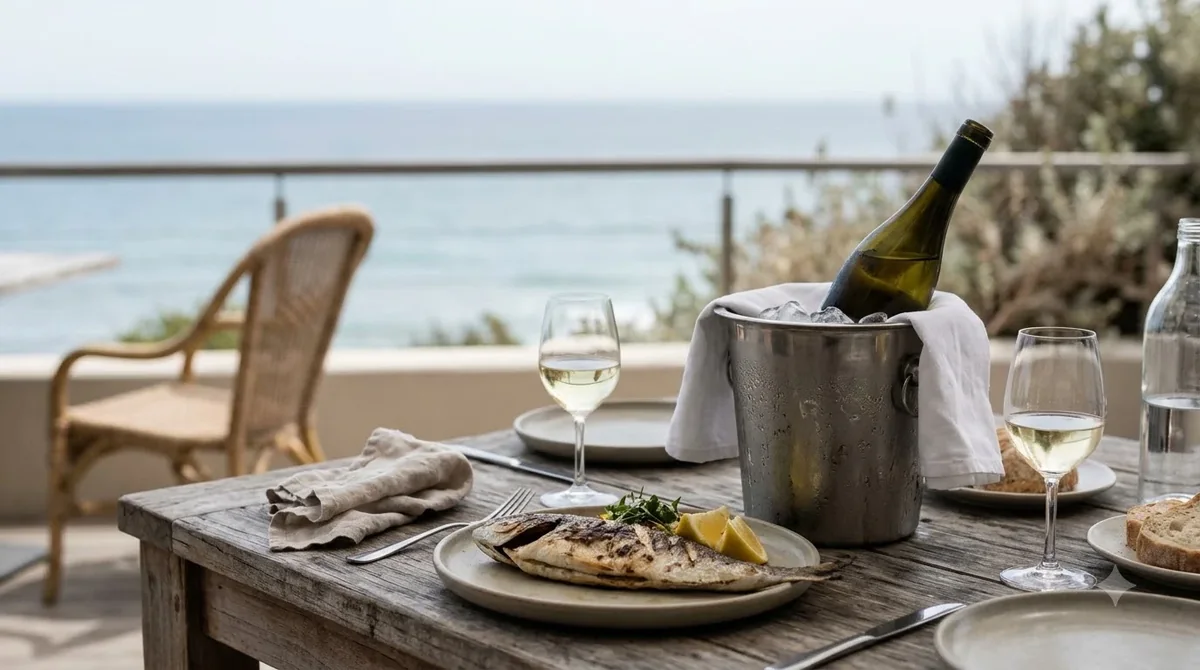
Verdejo should be served cold. Wine Folly suggests a serving temperature of 3 to 7 °C, which is 38 to 45 °F, and a white wine glass. At that temperature the acidity feels lively and the citrus notes stay sharp. A bottle that warms too much can taste flat, so keep it in the fridge until just before the meal.
Decanting is not needed for verdejo. The wine is meant to be enjoyed young and fresh, and Wine Folly suggests cellaring for three to five years at most. Keep the bottle upright in a cool place if you are holding it, and drink it while the fruit and acidity are at their peak.
Food Pairing With Verdejo
Verdejo is a food wine, and its acidity makes it a good partner for dishes with citrus, herbs or a little heat. Wine Folly suggests fish tacos, lime chicken and carnitas as natural matches. The wine’s sharp finish cleans the palate between bites, which keeps rich or fried food from feeling heavy.
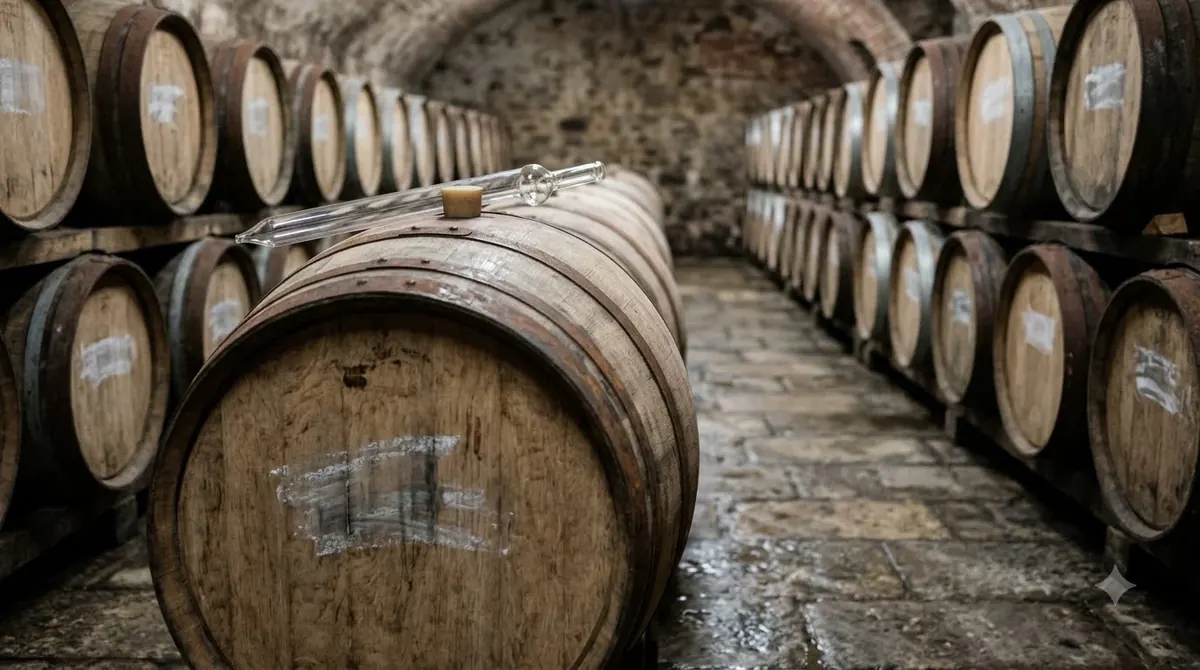
Seafood is another strong fit. Grilled white fish, shrimp with garlic, and simple salads with cucumber and herbs all show off the wine’s fresh character. For a cheese pairing, choose soft, fresh cheeses rather than aged or pungent ones, since the wine has little weight to balance a strong flavor.
Tip: Verdejo works well as an everyday white for a warm evening. Its light body and clean finish suit outdoor meals, and it is easy to pour without a big plate of food.
How to Choose a Verdejo Bottle
Look for the words Rueda or Verdejo on the label. A wine labeled only as Spanish white may not be verdejo at all. Next, check whether the bottle is a single-varietal wine or a blend with Sauvignon Blanc. A pure verdejo will show more herbal and citrus character, while a blend may feel softer and more tropical.
For the best freshness, buy a recent vintage. Verdejo is made to be drunk within a few years of harvest, so an older bottle is not usually an advantage. If you are new to the grape, a young, crisp bottle from Rueda is a safe place to start.
Price is a poor guide on its own for this style, so focus on what the label tells you about the grape and the region. Read the back label for the alcohol level and any mention of blending. A bottle that lists the grape and the region clearly, with a recent vintage date, is usually a better sign than a fancy label or a long story about the winery.
If you are buying for a group, consider a few bottles from the same producer so guests can compare a pure verdejo with a blend. That side-by-side tasting makes the grape’s herbal character easy to spot, and it gives everyone a clear sense of how the style works.
Frequently Asked Questions
What does verdejo wine taste like?
Verdejo usually tastes of lime, honeydew melon and grapefruit pith, with a hint of fennel and white peach. It is dry, light in body and has a fresh, slightly bitter finish.
Is verdejo a sweet wine?
No. Verdejo is a dry white wine. Its fruit can smell ripe, but the wine has little or no sweetness and no tannins.
Where does verdejo come from?
Verdejo grows almost exclusively in Spain’s Rueda region. Wines labeled Rueda are the most common source of the grape on the shelf.
What food goes with verdejo wine?
Verdejo pairs well with fish tacos, lime chicken, carnitas, grilled white fish and fresh salads. Its acidity suits citrus and herb-based dishes.
Verdejo is a useful white for anyone who wants something fresher than a rich chardonnay but more structured than a simple sweet wine. Serve it cold, pair it with bright food, and drink it young. For a comparison with another dry white style, you can read the guide to cabernet sauvignon wine, which covers the red side of the table, or explore the full range in the wine by type guide.
More in Wine Types & Grapes
 Zinfandel Sugar Content: Dry Red vs. White Zinfandel GramsUpdated Nov 21, 2026
 Best Zinfandel Substitute Options for Sipping and CookingUpdated Nov 21, 2026
 Zweigelt Food Pairing: Best Dishes, Cheeses, and Serving TipsUpdated Nov 21, 2026
 Zinfandel Tannins Explained: How Structure Shapes Every BottleUpdated Nov 21, 2026
 Zinfandel Sweetness Level: Dry Red vs. Sweet White Zin ExplainedUpdated Nov 21, 2026
 Xinomavro Food Pairing: Best Dishes, Styles, and Serving TipsUpdated Nov 21, 2026