

We may earn a commission when you buy through links on this page, at no extra cost to you. Learn more.
Tio Pepe wine is a dry, fortified fino sherry from Jerez de la Frontera in southern Spain, made entirely from Palomino Fino grapes and aged under a protective layer of flor yeast. The classic bottling is pale gold, 15% ABV, and bone dry, with almond, bread-dough, and savory notes. Serve it very cold and pair it with olives, seafood, salty snacks, and Iberian ham.
Although the name may be unfamiliar to drinkers who mostly buy still table wine, Tío Pepe is one of the clearest introductions to the dry Sherry style. Its refreshing, savory character makes it useful before a meal, alongside tapas, or with dishes that can be difficult for many white wines to match. Understanding its grape, unusual aging process, and serving temperature makes the bottle easier to enjoy.
What Kind of Wine Is Tío Pepe?
Tío Pepe is a fino, the pale and very dry style of Sherry produced in Spain’s Jerez region. It is a white wine that has been fortified with grape spirit and matured under flor, rather than a sweet dessert wine or a conventional unoaked white.
The producer identifies the classic Tío Pepe Fino as 100% Palomino Fino, with an alcohol level of 15% by volume and a minimum of four years of biological aging. The wine comes from Jerez de la Frontera, in Andalusia, where the local climate, chalk-rich albariza soils, and cellar conditions shape the character of the region’s Sherry. The González Byass house was founded in 1835, and the Tío Pepe Fino was introduced in 1844.
Sherry is a protected regional wine category, not a grape variety. The Jerez designation covers several distinct styles, including fino, manzanilla, amontillado, palo cortado, oloroso, and sweet wines made from grapes such as Pedro Ximénez and Moscatel. Tío Pepe belongs specifically to the fino family, so its defining traits are dryness, pale color, and biological aging under flor.
For the producer’s own description of its bottling, grape composition, and cellar method, see the Tío Pepe Fino profile. Readers who are learning the category can also browse our wider guide to Wine Brands for more producer profiles from different regions.
How Palomino, Flor, and Solera Aging Shape the Wine
Tío Pepe’s distinctive profile comes from three linked elements: Palomino Fino grapes, the yeast layer called flor, and the criaderas y solera aging system. Together, they create a dry wine with freshness and savory complexity rather than strong oak, ripe fruit, or sweetness.
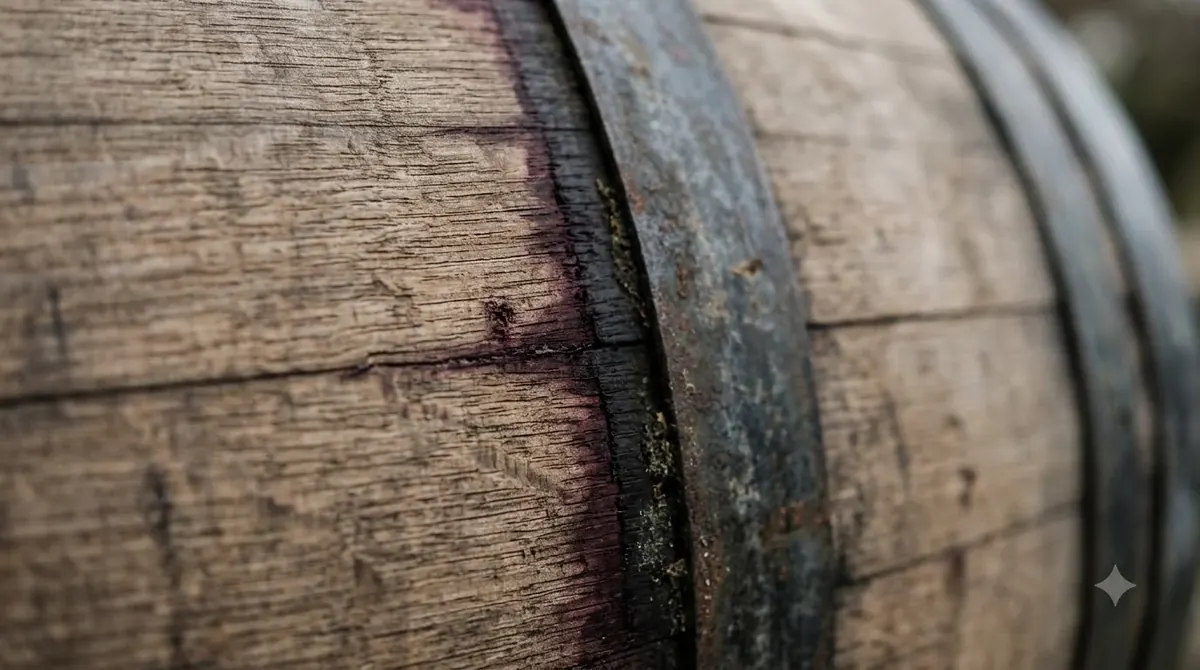
Palomino is a white grape that can produce a relatively restrained base wine. After fermentation, the base wine is fortified to around 15% ABV, a strength that encourages flor to develop on the wine’s surface. Flor is a living layer of yeast that forms in the partially filled cask; it reduces direct contact between the wine and oxygen while changing the wine’s aroma and texture. The yeast contributes the fresh-dough, bread, and almond-like character associated with fino.
The producer states that Tío Pepe is aged for at least four years under flor in American oak casks. That is longer than the two-year minimum used for the broader Fino category, and the distinction matters: the four-year figure describes Tío Pepe’s standard bottling, while two years is the general minimum for Fino Sherry. The wood is a vessel for biological aging, not a reason to expect the obvious vanilla or toast flavors found in heavily oaked Chardonnay.
The solera system blends wines of different ages in a sequence of cask levels. A portion of wine is drawn from the oldest level, called the solera, and replenished with wine from the level above; that level is then replenished from a younger one. This gradual movement helps maintain a recognizable house style across bottlings while bringing the freshness of younger wine into contact with older wine. It is not the same as bottling one isolated vintage, and a standard Tío Pepe Fino should be understood as a non-vintage solera wine. Flor also helps explain why fino looks pale and tastes different from an oxidative Sherry. As the wine matures under yeast, it is shielded from direct oxygen exposure; in oxidative styles such as oloroso, exposure to oxygen leads to a deeper color and more pronounced nutty, concentrated flavors. The official Fino Sherry reference from the Jerez Consejo Regulador explains the grape, flor, American oak, and the category’s two-year minimum in more detail.
What Tío Pepe Smells and Tastes Like
Expect a pale straw-to-gold color, a direct aroma, and a crisp, dry palate. Almond, bread dough, green olive, and a slightly bitter finish are more reliable expectations than tropical fruit, vanilla, or residual sweetness.
On the nose, Tío Pepe can seem delicate at first, then become more expressive as the glass warms slightly. Almond skin, fresh bread, yeast, and a faint herbal or saline impression are typical reference points. The flor character can register as a sharp, savory aroma; it is part of the wine’s style rather than a sign that the bottle has spoiled. Some drinkers also find hints of green apple, citrus peel, or sea air, especially when the wine is served cold.
The palate is light in body but not bland. It is bone dry, with a firm savory edge, a clean line through the middle, and an almond-like aftertaste. A gentle bitterness gives the finish definition, while the alcohol level of 15% adds more warmth than most everyday white wines. The wine does not taste sweet simply because it is fortified; fortification raises alcohol, while the fino style remains dry.
Do not judge Tío Pepe by the aroma of a sweet cream Sherry or a rich oloroso. Fino is built around freshness and biological aging, so its intensity comes from yeast-derived savory notes and its brisk finish. A small sip alongside a salted almond or olive often makes the relationship between the wine’s dryness and its food-friendly character easier to understand.
How to Serve and Store Tío Pepe
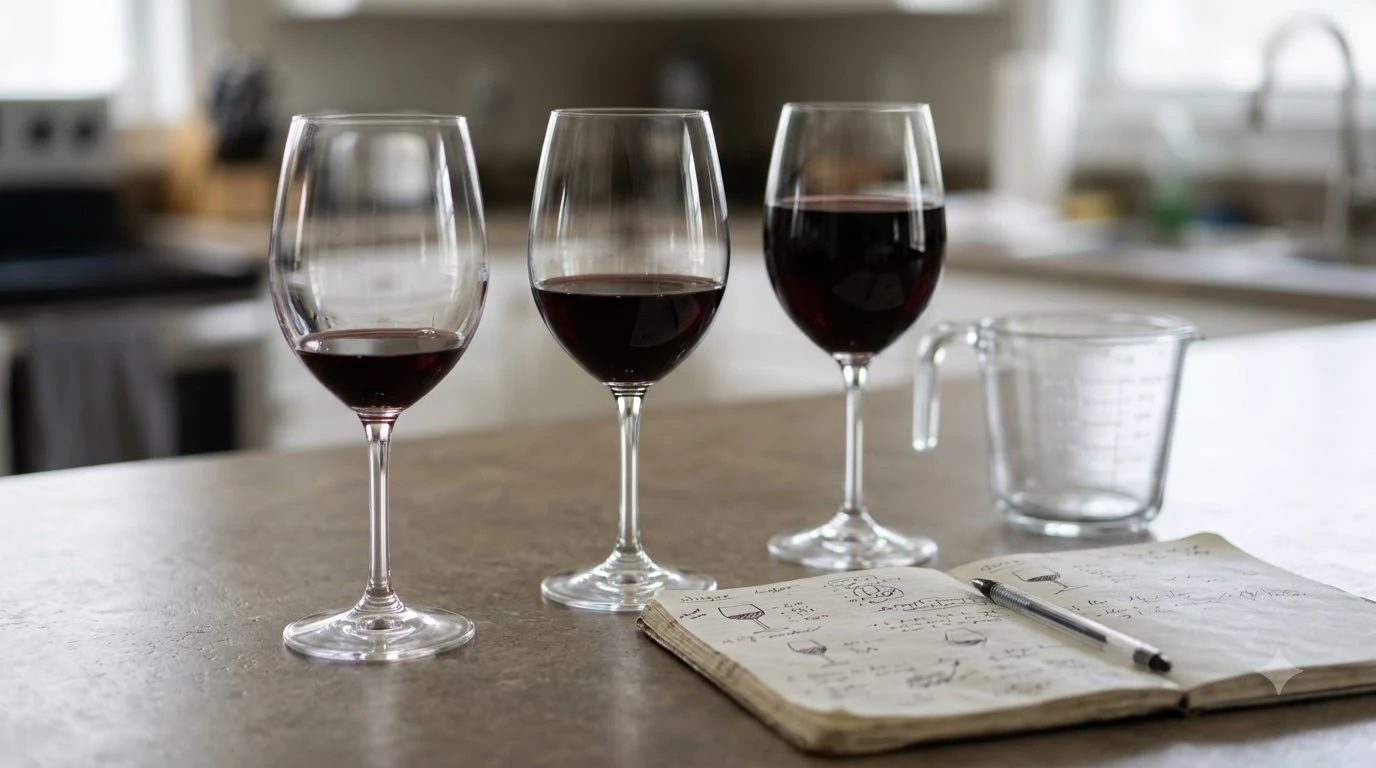
Serve Tío Pepe cold, ideally around 6–8°C (43–46°F), so its crispness and savory aromas stay focused. A small white-wine glass or traditional Sherry glass gives the wine enough room to show its aroma without allowing a large pour to warm too quickly.
Chill the bottle in a refrigerator before serving, or place it in an ice bucket with both ice and water for a faster, more even chill. The Consejo Regulador recommends 6–8°C for Fino, while the producer describes Tío Pepe as best served ice cold. Avoid serving it at ordinary room temperature: at 68–72°F, the alcohol can feel more prominent and the wine may lose some of its refreshing edge. A narrow flute is unnecessary because Tío Pepe is still, not sparkling.
Pour a modest amount and refresh the glass as needed. A standard five-ounce wine pour is a useful reference for estimating servings: a 750 ml bottle contains about five such pours, although many people serve Fino in smaller aperitif portions. Because Tío Pepe is 15% ABV, it is stronger than many unoaked white wines, so a smaller pour can make sense when serving it before a meal or alongside several tapas.
Once opened, close the bottle firmly and keep it refrigerated. Fino is more delicate after opening than many oxidative Sherries because its freshness depends on the biological-aging profile; plan to drink it promptly rather than leaving it open for weeks. Keep the bottle cold between pours and avoid leaving it on a warm counter during a long meal. For an unopened bottle, store it in a cool, dark place away from heat and direct sunlight, then chill it before serving.
Tip: Chill the bottle before guests arrive, then keep it in an ice-and-water bucket during service. The 6–8°C range helps the almond, bread, and saline notes stay lively while limiting the warmth of the 15% ABV.
Foods That Pair Well with Tío Pepe
Tío Pepe is especially good with salty, savory, and seafood-focused dishes because its dry finish refreshes the palate between bites. Start with olives, toasted almonds, Iberian ham, anchovies, or shellfish, then move to fried seafood, sushi, or salads with a sharp vinaigrette.
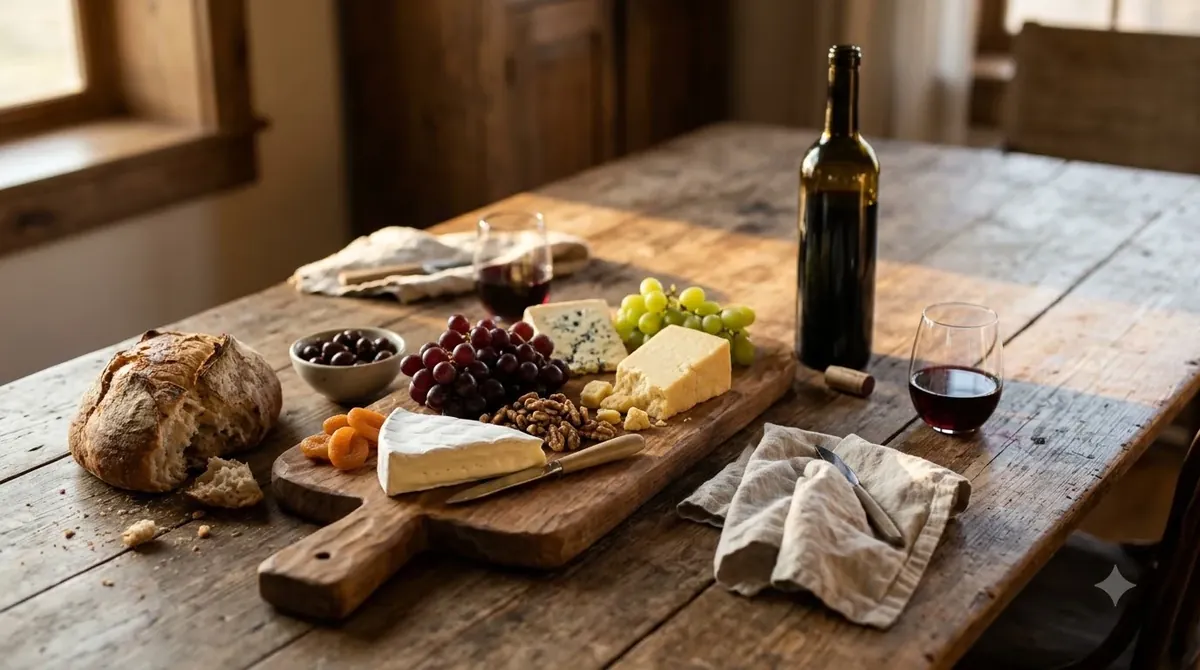
Salt is a natural partner for fino. Green olives, Marcona almonds, salted crackers, and thin slices of jamón Ibérico echo the wine’s savory side while making its light body feel more complete. For a simple aperitif, a small bowl of olives and almonds is enough; there is no need to build an elaborate cheese board around it. Salted ham brings out the wine’s savory character, while the fat in cured meat or fried seafood gives the lean, dry wine something to cut through. Seafood is another reliable match: try chilled prawns, grilled shrimp, anchovies, sardines, mackerel, oysters, or sashimi. Fino has little tannin, so it avoids the drying clash that a tannic red can create with delicate or oily fish. Its savory character is particularly useful with salty seafood, while the cold serving temperature keeps richer preparations from feeling heavy. If serving fried calamari or fish, a squeeze of lemon can connect the dish to the wine’s brisk finish.
Vegetable dishes can work well, too. Gazpacho, ajo blanco, grilled artichokes, tomato toast, and salads with vinaigrette are useful choices. Fino’s low volatile acidity is one reason the Sherry regulator recommends it with sharply acidic salads and marinades; a dressing with lemon or vinegar does not automatically overwhelm the wine. Choose dishes with clear seasoning rather than sweet glazes, which can make a bone-dry wine taste especially austere.
There are a few less successful pairings. Very sweet desserts make Tío Pepe seem thin and bitter because a wine should be at least as sweet as the dessert. Very hot chili sauces can also make the 15% alcohol feel hotter, so use a milder pepper level or choose a lower-alcohol drink for a dish built around intense heat. For a different direction at the table, compare its crisp, savory profile with the broader range of red-wine styles discussed in our article on Zenato wine.
How Tío Pepe Compares with Other Wine Styles
Tío Pepe tastes quite different from most still whites, sweet Sherries, and oxidative Sherries. The quickest way to place it is to remember that fino is pale, dry, fortified, and aged under flor, while other Sherry categories may be sweeter, darker, or more exposed to oxygen.
Compared with a typical Sauvignon Blanc, Tío Pepe is not primarily driven by high grape acidity or fresh citrus fruit. Sauvignon Blanc often gives a bright, zesty impression, while fino adds yeast, almond, and saline notes. Compared with Chardonnay, Tío Pepe is usually lighter and more savory, with no expectation of buttery texture or vanilla from new oak. It can still be served in a white-wine glass, but its stronger alcohol and more unusual aroma make it a different drinking experience. Within Sherry, the contrast with oloroso is especially clear. Fino ages under flor and remains pale, while oloroso ages oxidatively and develops a deeper color, fuller texture, and more concentrated nut or wood character. Amontillado begins with biological aging and later continues oxidatively, so it often occupies a middle ground in color and flavor. Sweet styles such as Pedro Ximénez are a different category again, with concentrated raisin, fig, and syrup-like flavors rather than fino’s dry finish.
The essential numbers for the classic Tío Pepe Fino are useful when comparing a bottle with another style. The table summarizes the product details and the standard Fino serving guidance; the service temperature is the category recommendation from the Jerez regulator.
| Detail | Classic Tío Pepe Fino |
|---|---|
| Grape composition | 100% Palomino Fino |
| Alcohol by volume | 15% |
| Biological aging | At least 4 years under flor |
| Aging method | Criaderas y solera in American oak |
| Fino serving temperature | 6–8°C (43–46°F) |
These figures also help explain why Tío Pepe should not be treated like a casual substitute for any white wine. Its 15% ABV, four-year flor aging, and dry, savory profile give it a clear place as an aperitif and a table wine for tapas. If you are exploring other labels and styles at the same time, our broader wine-brand coverage provides useful context for comparing producers without assuming that every bottle is made in the same way.
Frequently Asked Questions
These quick answers cover practical details such as a 6–8°C serving temperature, the story behind the name, and a classic Fino cocktail. They also explain how Tío Pepe differs from another well-known dry Sherry style.
Does Tío Pepe need to be decanted?
No. The standard Fino bottling is meant to be served fresh and chilled, so opening the bottle and pouring it is generally enough. A short rest in the glass can release more aroma, but a 30–60 minute decant intended for a young, full-bodied red is unnecessary.
Is Tío Pepe suitable for cooking?
Yes, a dry fino can add a savory note to pan sauces, seafood dishes, and soups. Use a small splash in a sauce for prawns or mushrooms, allow the alcohol to cook off, and avoid reducing it too aggressively because the wine’s concentrated salt-like character can become dominant.
What does the name Tío Pepe mean?
In Spanish, “tío” means uncle, while “Pepe” is a familiar form of José. The brand name refers to José Ángel de la Peña, the uncle of González Byass founder Manuel María González Ángel.
Is Tío Pepe the same as Manzanilla?
No. Both are dry Sherry styles made from Palomino and aged under flor, but Manzanilla is associated with Sanlúcar de Barrameda and has its own protected designation. Tío Pepe is a Fino from Jerez de la Frontera, so the names describe related styles rather than interchangeable wines.
Can Tío Pepe be used in a cocktail?
Yes. The classic Bamboo combines 30 ml of Fino Sherry with 30 ml of dry vermouth and 2–3 dashes of orange bitters. It is finished with a lemon twist and an olive, then stirred with ice and strained into a chilled cocktail glass.
Tío Pepe is a distinctive choice for drinkers who enjoy dry whites, savory aperitifs, and seafood-friendly wines. Keep it cold, pour it in modest servings, and start with olives, almonds, or shellfish to see why fino has remained a signature style of Jerez.
More in Wine Brands
 Underwood Wine Price: Compare Bottles, Cans, and Pack SizesUpdated Nov 21, 2026
 Zenato Wine Price: Compare Styles and Choose the Right BottleUpdated Nov 21, 2026
 Zuccardi Wine Price: Compare Bottles and Find the Right RangeUpdated Nov 21, 2026
 Yellow Tail Moscato Review: Taste, Sweetness and Serving TipsUpdated Nov 21, 2026
 Wolf Blass Yellow Label Review: Choose Your Best StyleUpdated Nov 21, 2026
 Wolffer Estate Rose Review: Choose the Right Bottle for Your TableUpdated Nov 21, 2026