

We may earn a commission when you buy through links on this page, at no extra cost to you. Learn more.
What is fino sherry? Fino sherry is the driest and palest style of sherry, a fortified wine from Jerez in southern Spain, made from Palomino grapes and aged under a layer of yeast called flor. It is fortified to about 15.5 percent alcohol by volume, which lets the flor yeast survive on the surface. Fino is light, dry, and savory, and it is usually served chilled with tapas, olives, and seafood.
Fino is often the first sherry people try, and it can surprise drinkers who expect sherry to be sweet or heavy. The style is pale in color and sharp in flavor, and it is very different from the darker, richer sherries on the same shelf. This guide explains how fino is made, what it tastes like, how to serve it, and what to eat with it.
Where Fino Comes From
Sherry is made in the Jerez region of Andalusia, in southern Spain, and most of it comes from the Palomino grape. According to the Wikipedia entry on sherry, Palomino is the dominant grape used for dry sherries, and fino is the driest and palest of the traditional styles. The chalky albariza soils of the region help the vines and give the wines their mineral character.
The grape is less important on its own than the way it is handled. Fino is a dry, lightly fortified table wine that is shaped by the aging system, not by the vineyard alone. That is why a fino from Jerez tastes so different from a dry white made from the same grape elsewhere.
How Fino Is Made
Fino starts as a dry base wine that is fermented from Palomino grapes. The wine is then fortified with grape spirit until it reaches about 15.5 percent alcohol, which is higher than a table wine but lower than many other fortified styles. This level of alcohol is the reason the flor yeast can form a thin film on the surface of the wine in the barrel.
Flor is the defining feature of fino. The yeast forms a white veil over the wine, shielding it from air and protecting it from excessive oxidation. Under this layer, the wine develops its signature aroma and keeps its pale color. Fino is aged using the solera system, where wine moves through a series of barrels and young wine is blended with older wine. The Wikipedia reference on sherry notes that sherry is aged in the solera for a minimum of two years, which helps keep the style consistent from year to year.
What Fino Tastes Like
Fino is dry, pale, and lively. The aroma often includes almond, green apple, and a faint saltiness, and the palate is crisp and clean. The flor layer gives fino a savory edge that makes it feel lighter than its alcohol content suggests. A young fino can taste sharp and fresh, while a well-aged example can show more depth, with notes of bread crust and toasted nuts.
According to Wine Folly’s Palomino Fino profile, the grape of Jerez shows flavors of lemon, almond, saline, and mushroom. Those notes match how fino tastes in the glass: citrus and nuts up front, with a salty finish that makes the wine feel dry and refreshing.
| Sherry style | Color | Sweetness | Character |
|---|---|---|---|
| Fino | Pale straw | Bone dry | Light, saline, flor-driven |
| Manzanilla | Pale straw | Bone dry | Lighter and more saline, from Sanlúcar |
| Amontillado | Amber | Dry | Nutty, with more body |
| Oloroso | Deep amber to brown | Dry | Rich, nutty, oxidative |
How to Serve Fino Sherry
Serve fino chilled, and keep the bottle cold while you drink it. Winefolly’s Palomino Fino profile recommends serving it at 45 to 55 degrees Fahrenheit, or about 7 to 12 degrees Celsius, in a white wine glass. At that temperature the wine stays crisp and the salty character comes forward. Warm fino tastes flat and loses its freshness quickly.
Fino is also one of the most fragile sherries once opened. The flor layer protects it only while the bottle is sealed, and once air gets in, the wine begins to lose its character. Drink an opened bottle soon, keep it tightly closed, and store it in the fridge. Many sherry lovers buy smaller bottles so they can finish them while the wine is at its best.
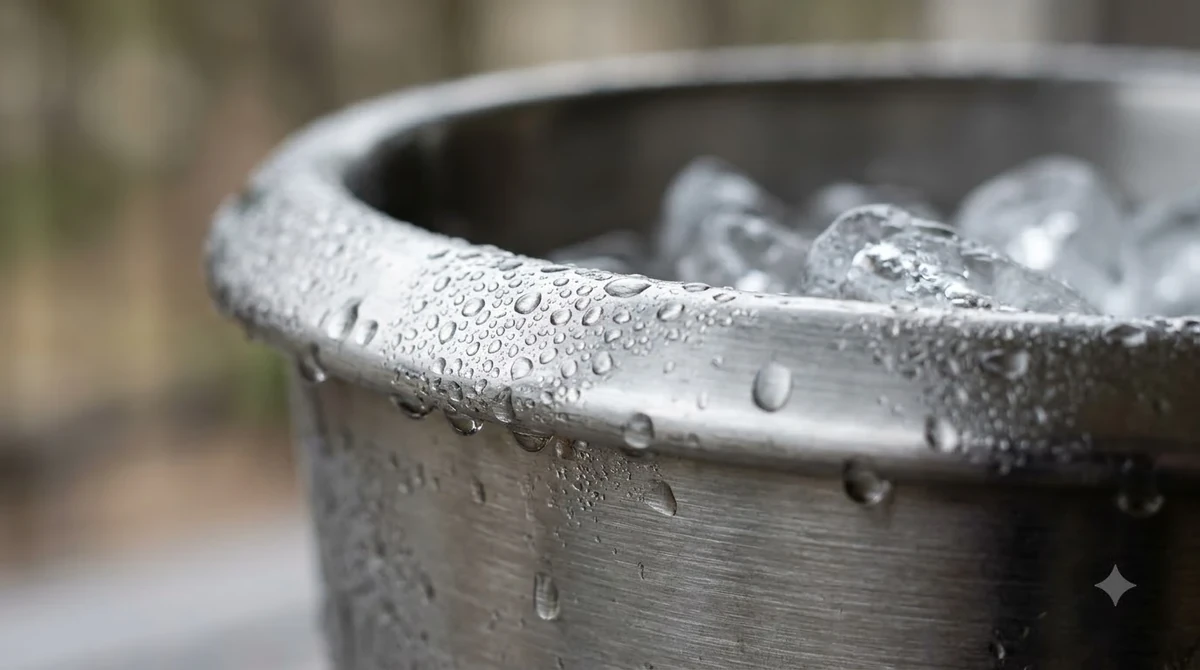
Tip: A small glass is enough. Fino is meant to be sipped with food, and a short pour keeps the wine cold and fresh from the first glass to the last.
What to Eat With Fino
Fino is one of the most food-friendly wines in the world. Because it is dry and savory, it pairs well with salty and light dishes. Olives, almonds, and cured ham are classic matches, and grilled shrimp, fried fish, and fresh oysters also work well. Soft cheeses and simple salads can be good partners too.
Fino is also a good match for vegetables with a little char, such as grilled asparagus or blistered peppers, because the dry, saline finish cuts through olive oil and smoke. Pairings with rich meat dishes are less successful, since the light body can seem thin beside heavy sauces.
For a Spanish-style meal, serve fino alongside a plate of tapas. The wine cleans the palate between bites and balances oil, salt, and vinegar in the food. Many people use fino in cooking as well, for example in a seafood sauce or a light pan sauce, where its dry character adds depth without sweetness.
Fino and Other Sherry Styles
Fino is one of several sherry families, and comparing styles helps you choose. A simple way to start is to taste a fino and a manzanilla side by side, then move to an amontillado. The change in color, body, and nuttiness is easy to notice in a single tasting.
Fino is one of several sherry families, and comparing styles helps you choose. Manzanilla is a close relative, produced in Sanlúcar de Barrameda, that is often lighter and more saline. Amontillado starts as a fino and is then aged further without the flor layer, which gives it more color and body. Oloroso is aged without flor and oxidizes over time, producing darker, richer wines. Cream sherry is sweeter and is made by blending dry styles with sweeter wine.
Sherry color is a useful guide. A pale wine usually means a fino or manzanilla, while darker colors point to styles that have spent longer in contact with air. The guide to sherry color explains how these differences show up in the glass.
Frequently Asked Questions
Is fino sherry sweet?
No. Fino is bone dry, with no noticeable sweetness. Its character comes from flor yeast, which gives it a savory and saline taste rather than sugar.
What does flor mean in fino sherry?
Flor is a layer of yeast that grows on the surface of the wine in the barrel. It forms when the wine is fortified to around 15.5 percent alcohol and protects the wine from air, which keeps fino pale and fresh.
How long does fino last after opening?
Not long. Fino is one of the most fragile sherries once opened, so drink it soon, keep the bottle sealed, and store it cold.
Is fino sherry the same as a dry white wine?
It shares the dryness of a dry white, but the flavor is different. Fino has a fortified, yeasty character from flor and aging, which gives it a savory edge that most dry whites do not have.
Fino sherry is a dry, pale, and savory wine that rewards a small glass served chilled. Choose a fresh bottle, keep it cold, and pair it with salty food such as olives, seafood, and cured ham. Once you know the style, the other sherries become easier to understand, and the fino sherry cocktail is a fun way to explore it in a different form.
More in Wine Types & Grapes
 Zinfandel Sugar Content: Dry Red vs. White Zinfandel GramsUpdated Nov 21, 2026
 Best Zinfandel Substitute Options for Sipping and CookingUpdated Nov 21, 2026
 Zweigelt Food Pairing: Best Dishes, Cheeses, and Serving TipsUpdated Nov 21, 2026
 Zinfandel Tannins Explained: How Structure Shapes Every BottleUpdated Nov 21, 2026
 Zinfandel Sweetness Level: Dry Red vs. Sweet White Zin ExplainedUpdated Nov 21, 2026
 Xinomavro Food Pairing: Best Dishes, Styles, and Serving TipsUpdated Nov 21, 2026