

We may earn a commission when you buy through links on this page, at no extra cost to you. Learn more.
The sauvignon republic label is best known in the United States for a bright Marlborough, New Zealand Sauvignon Blanc sold through Trader Joe’s. Expect citrus, tropical fruit, fresh herbs, and lively acidity rather than oak-heavy richness. The name also has an earlier history as a Sauvignon Blanc-focused wine venture whose releases came from several regions, so the label’s background is more layered than a single-winery story.
For shoppers, the useful starting point is the wine in the glass: a crisp white that works best chilled and alongside seafood, salads, and dishes with herbs or citrus. The historical California and international wines documented under the name should not be assumed to be identical to the current retail bottling.
Sauvignon Republic’s Identity and Brand History
Sauvignon Republic is associated with Sauvignon Blanc rather than a broad portfolio of unrelated grapes. The name first gained attention through an internationally minded venture that aimed to show how one variety changes across growing regions; a later retail-facing chapter is represented by the Marlborough wine sold at Trader Joe’s.
A 2004 San Francisco Chronicle account described Sauvignon Republic Cellars as a four-person group that included winemaker John Buechsenstein, former Fetzer winemaker and president Paul Dolan, Santa Rosa chef John Ash, and North Carolina restaurateur Tom Meyer. Their plan was focused: make only Sauvignon Blanc, sourcing grapes from different countries rather than relying on one estate. The idea invited drinkers to compare the effects of climate, soil, and site on the same grape variety.
The early releases followed a clear sequence. The first came from California’s Russian River Valley in 2003; Marlborough, New Zealand, followed in 2004; Stellenbosch, South Africa, joined in 2005; and Potter Valley in Mendocino County was added with the 2007 vintage. The Los Angeles Times reported that Buechsenstein scouted vineyard sites and made wines in different locations to highlight terroir. Wine Enthusiast later reviewed the Stellenbosch and Potter Valley bottlings, documenting the label’s presence in more than one region.
The original company did not operate one central winery. SFGATE reported that it had an office in Santa Rosa and used leased winemaking facilities close to the vineyards supplying the grapes. Independent coverage identifies the Trader Joe’s bottling as a Marlborough Sauvignon Blanc imported by Sauvignon Republic Wine Co. and sold through the retailer; an earlier retailer description called that version 100% estate-grown and cited kiwi, grapefruit, white peach, herbs, and a clean finish. Publicly available detail does not establish that today’s retail wine is made by the same winery or under precisely the same arrangement as the original releases. It is safest to connect the chapters by their name and Sauvignon Blanc focus without guessing at ownership or production details.
Marlborough Geography Shapes the Current Style
The Trader Joe’s Sauvignon Republic bottling is identified as a Marlborough wine, and the region helps explain its fresh, aromatic profile. In the northeastern part of New Zealand’s South Island, bright sunshine, low rainfall, and cool nights help Sauvignon Blanc retain vivid fruit and crisp acidity.
New Zealand Wine describes Marlborough as the country’s largest wine region, with almost 31,000 hectares of vines, roughly two-thirds of the national vineyard area. Its combination of sunshine, low rainfall, and free-draining soils supports expressive white wines. Marlborough Sauvignon Blanc can show grapefruit, lime, gooseberry, passion fruit, cut grass, and bell pepper, although a single bottle will not necessarily show every note.
Three subregions help explain the variation. The Wairau Valley includes old gravelly riverbed soils and sites ranging from stony, early-ripening ground to coastal vineyards moderated by sea breezes. The Awatere Valley lies farther south and is generally cooler, drier, and windier, with some higher-elevation vineyards; its Sauvignon Blanc often leans toward herbal and mineral notes. The Southern Valleys include Omaka, Fairhall, Brancott, Ben Morvan, and Waihopai, where heavier clay soils and varied mesoclimates create further differences.
A Marlborough label therefore does not describe one fixed flavor. A warmer Wairau site may produce riper tropical fruit, while a cooler Awatere expression can emphasize herbs, citrus pith, and mineral detail. The historical brand made comparisons between origins part of its identity; the current retail wine is specifically presented as Marlborough, so its style should be understood through that region rather than the older California or South African bottlings. New Zealand Wine’s Marlborough overview provides useful context on the region’s climate and subregions.
Aroma, Acidity, and What to Expect in the Glass
Expect a refreshing white with noticeable acidity, citrus lift, and fruit that can range from green and herbal to ripe and tropical. Published descriptions of the Marlborough Sauvignon Republic point to kiwi, grapefruit, white peach, lemongrass, and honeysuckle rather than oak-driven vanilla or toast.
Sauvignon Blanc’s signature acidity is part of its identity. Wine Enthusiast explains that pyrazines contribute grassy, herbal, and bell-pepper aromas, especially in cooler climates or when grapes are picked earlier. With warmer conditions or more time on the vine, the profile shifts toward grapefruit, passion fruit, and guava. Marlborough can preserve both sides: ripe fruit intensity supported by a brisk finish.
A fruit-forward aroma does not mean a wine is sweet. Sauvignon Blanc is usually made as a dry, still white, and a glass can smell of peach or passion fruit while finishing crisp. An earlier Trader Joe’s description highlighted tropical kiwi, tangy grapefruit, white peach, herbs, and minerality; an independent review of a 2021 bottle also noted lemongrass, honeysuckle, citrus, and a honeyed impression. Those are style references, not a promise that every vintage tastes the same.
Body is generally light to medium, so the wine feels brisk rather than broad or creamy. Compared with many Chardonnays, Sauvignon Blanc usually has higher acidity and a more herbal or citrus-led profile; compared with Pinot Grigio, it often has more pronounced aromas. Wine Enthusiast’s Sauvignon Blanc guide explains how climate can shift the balance between green notes and ripe fruit.
Serving Temperature and Bottle Storage
Serve Sauvignon Republic at 45–50°F, a useful range for light, aromatic white wine. That keeps the glass refreshing while allowing citrus, tropical fruit, and herbal aromas to remain noticeable.
| Serving detail | Practical range | How to use it |
|---|---|---|
| Serving temperature | 45–50°F | Chill, then allow a little warming in the glass |
| Standard pour | 5 oz | Useful for pacing a tasting or meal |
| Standard bottle | 750 mL | About five standard pours |
| Opened still wine | 3–5 days refrigerated | Use a stopper and expect the freshest aromas early |
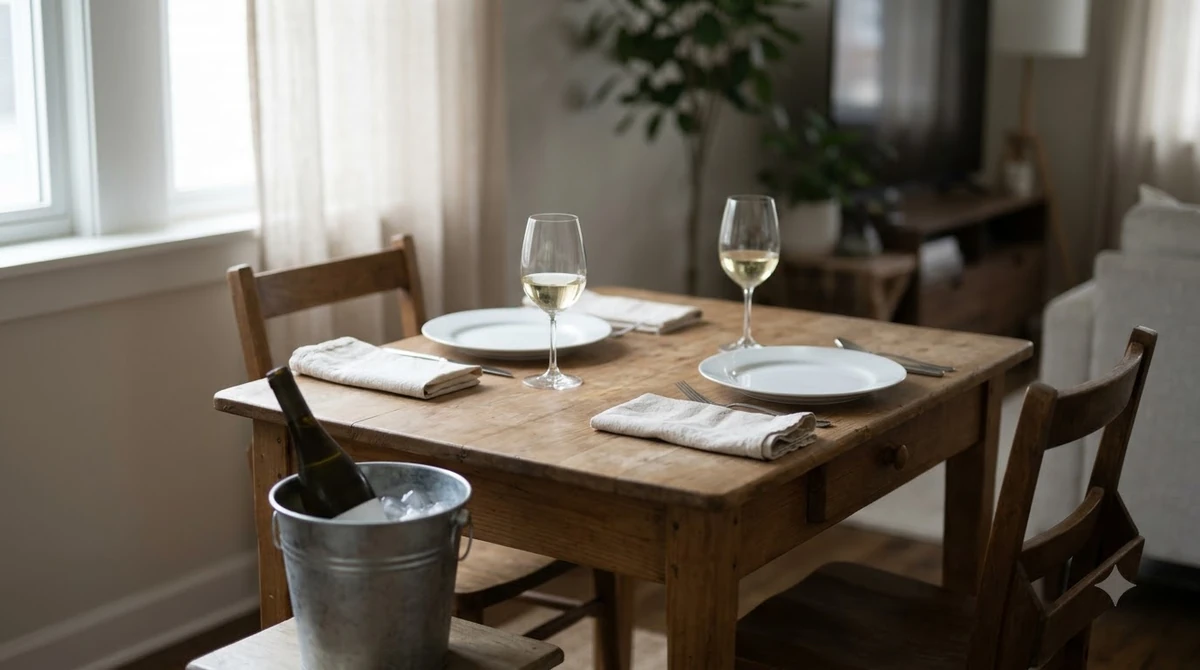
A refrigerator can bring a bottle below the ideal range if it stays there for several hours. Take it out shortly before pouring, or let the first glass warm for a few minutes if its aromas seem muted. An ice bucket with water and ice cools a bottle faster than a freezer; avoid leaving it unattended in the freezer, where the liquid can expand against the closure.
Use a standard 5-ounce pour. A 750-milliliter bottle contains about five servings, a practical guide when planning a meal. A medium tulip-shaped glass gives the aromas room to gather, but an ordinary white-wine glass works well. Decanting is unnecessary: this fresh white is intended to be enjoyed soon after opening, unlike a young full-bodied red that may benefit from 30–60 minutes of air.
After opening, stopper the bottle and return it to the refrigerator. Most still wines keep for roughly 3–5 days under refrigeration, although Sauvignon Blanc is usually most expressive in the first day or two. Store unopened bottles away from sunlight and heat; a steady environment near 55°F is preferable for longer storage. There is little reason to cellar an everyday Marlborough Sauvignon Blanc for years because its appeal is tied to bright primary fruit.
Tip: Chill the bottle to about 45–50°F, pour a small first glass, and let it warm for a few minutes. A slight rise in temperature can reveal more peach, citrus, and herbal detail than serving it straight from an icy refrigerator.
Food Pairings That Suit Its Freshness
Sauvignon Republic’s acidity makes it a natural partner for seafood, vegetables, tangy sauces, and fresh herbs. The strongest matches either share its brightness or have delicate flavors that the wine will not overwhelm.
Start with shellfish and simply prepared fish. Oysters, shrimp, scallops, cod, halibut, and trout work well with lemon, parsley, dill, or light garlic sauce. Acidity cuts through butter and refreshes the palate, while herbal notes echo green seasonings. For fried fish, the wine can balance the richness of the coating, particularly when lemon is part of the dish.
Green vegetables and salads are another strong direction. Try asparagus, snap peas, green beans, cucumber, fennel, arugula, or a salad with basil and parsley. Sauvignon Blanc is a dependable choice for vegetables that can be difficult to pair with wine, especially when herbs or vinaigrette are involved. Very sharp vinegar can still dominate, so a dressing with lemon, mild vinegar, olive oil, and herbs is a better starting point.
Soft, fresh cheeses also work well. Goat cheese, chèvre, feta, and young sheep’s-milk cheeses bring salt and tang that complement citrus and herbal notes. Creamy sauces can suit the wine with chicken or seafood. For an easy menu, serve grilled shrimp with lemon, fish tacos with cabbage and cilantro, or a green salad with herbs. Be cautious with very sweet food and intense chili heat: a wine should generally be at least as sweet as dessert, while chili heat can be amplified by alcohol and tannin. A dry Sauvignon Blanc may taste sour beside syrupy fruit tart, and a mild coconut curry with herbs and citrus is a better match than a dish built around strong chili oil.
How to Choose and Compare a Bottle
Start with the region and vintage on the label, then decide whether the expected Marlborough style suits the meal. Sauvignon Republic has appeared on Russian River Valley, Stellenbosch, and Potter Valley bottlings in its earlier history, but the Trader Joe’s wine is identified as Marlborough; these origins can produce noticeably different profiles.
Fresh Sauvignon Blanc is generally purchased for its vivid fruit and lively acidity, so a recent release is often the safer choice for an uncomplicated white. Older bottles are not automatically faulty, but citrus and grassy aromas may fade after extended storage. When comparing vintages, consider how the bottle was stored and whether you want a lively everyday wine or a chance to study how the variety develops.
Use the label for concrete details rather than relying on its design. Producer or bottler, country, region, vintage, alcohol percentage, and sustainability statements are all useful clues. A past Trader Joe’s description identified its wine as 100% estate-grown and listed 12.5% alcohol, but those details apply to the version described in that review, not automatically to every release. When a winery or vineyard is not identified, leave that detail unknown rather than guessing.
Compare Sauvignon Blancs by origin and style, not label color. Loire Valley wines such as Sancerre often emphasize citrus, mineral impressions, and restraint; Marlborough tends to deliver more overt passion fruit, grapefruit, gooseberry, and herbs. California examples can be broader and riper, depending on the site. Pour two wines side by side at the same temperature and compare fruit intensity, herbal character, acidity, and finish length. It can also help to compare this bottle with wines made from other grapes: a Zenato wine offers an Italian regional point of comparison, while Main and Vine wine provides another example of an approachable everyday label. The site’s Wine Brands section can help place one bottle in a wider category. These comparisons are for learning your preferences, not for assuming that different labels share a producer or winemaking method.
Frequently Asked Questions
These answers cover common questions about the name, the grape, and the wider range of Sauvignon Blanc styles.
Is Sauvignon Republic a winery or a wine label?
The name has been used by a historical Sauvignon Blanc-focused venture and by a Marlborough wine sold through Trader Joe’s. The original group hoped to build a range spanning seven countries and discussed introducing a new regional wine each year. That was an ambition reported at the time, not evidence that every proposed country later became a release.
Is Sauvignon Blanc ever made as a sparkling wine?
Yes. Some Marlborough producers make sparkling Sauvignon Blanc, although the grape is more commonly seen as a still white. The sparkling style offers a different texture and is not the same wine as the familiar still bottling sold under the Sauvignon Republic name.
Why can Sauvignon Blanc smell like bell pepper?
New Zealand’s first Sauvignon Blanc vines in Marlborough were planted in 1975, and the grape is now the country’s most widely planted variety. That rapid regional rise helps explain why Marlborough is so strongly associated with the style.
Is Fumé Blanc a different grape from Sauvignon Blanc?
No. Fumé Blanc is a U.S. name used for wine made from Sauvignon Blanc, not a separate grape variety. Wine Enthusiast also lists Muskat-Silvaner in Austria and Feigentraube in Germany as regional synonyms for the variety.
Can Sauvignon Blanc be part of a dessert wine?
Yes. In Bordeaux’s Sauternes, Sauvignon Blanc can be blended with Semillon and sometimes Muscadelle to make sweet wines from grapes affected by noble rot. That style is very different from the dry Marlborough Sauvignon Blanc most shoppers associate with the Sauvignon Republic label.
Sauvignon Republic is best understood as a Sauvignon Blanc name with an international, region-focused history and a current Marlborough retail expression. Start with the origin on the bottle, serve it cool, and pair its bright acidity with seafood, green vegetables, and fresh herbs. Those simple choices make it easier to appreciate what this style does well.
More in Wine Brands
 Underwood Wine Price: Compare Bottles, Cans, and Pack SizesUpdated Nov 21, 2026
 Zenato Wine Price: Compare Styles and Choose the Right BottleUpdated Nov 21, 2026
 Zuccardi Wine Price: Compare Bottles and Find the Right RangeUpdated Nov 21, 2026
 Yellow Tail Moscato Review: Taste, Sweetness and Serving TipsUpdated Nov 21, 2026
 Wolf Blass Yellow Label Review: Choose Your Best StyleUpdated Nov 21, 2026
 Wolffer Estate Rose Review: Choose the Right Bottle for Your TableUpdated Nov 21, 2026