


We may earn a commission when you buy through links on this page, at no extra cost to you. Learn more.
Sangria food pairing works best when the food matches the pitcher’s sweetness, acidity, fruit, and weight. Red sangria is a natural partner for tapas, grilled pork, and firm cheeses, while white sangria suits seafood, salads, and lighter appetizers. Rosé versions bridge the two, especially with chicken, vegetables, and fruit-led desserts. The most reliable approach is to match the style of sangria first, then account for its citrus, added spirit, and sweetness.
Sangria is not one fixed wine style. It is a mixed drink built around wine, fruit, and often citrus juice, a sweetener, a spirit, and a sparkling mixer. Those additions change the wine’s structure, so a pairing that works with a dry glass of Rioja may need adjusting when the same red becomes a chilled pitcher with orange, brandy, and soda. The ideas below focus on the food on the table as well as the character of the finished drink.
How Sangria’s Sweetness and Acidity Shape Food Pairings
Sangria’s fruit and sweetener make it taste rounder than the base wine, while citrus juice and soda can add a bright edge. Pair it with food that has enough flavor and acidity to meet the drink, but avoid dishes so delicate that orange, lemon, or added spirit overwhelms them.
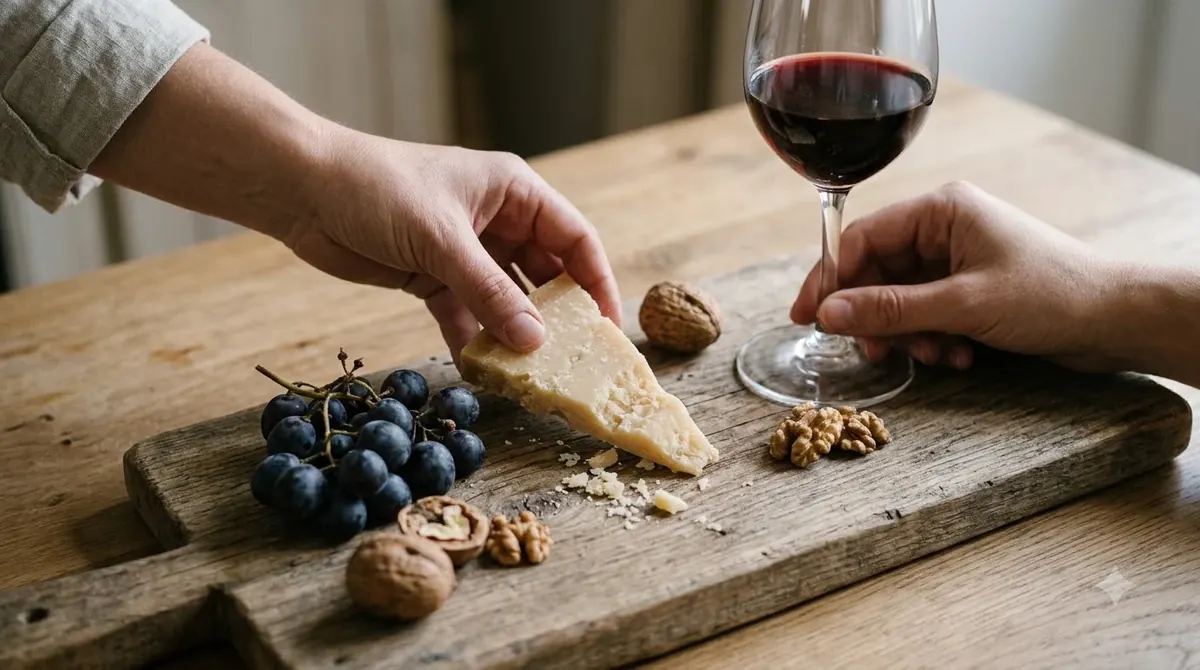
Start with sweetness. A pitcher that tastes noticeably sweet can make a savory dish seem sharper or saltier, so it usually works best with food that has its own ripe, sweet, or savory depth. Grilled chicken with orange glaze, pork skewers with charred peppers, roasted squash, and a board of salty cured meats all have enough character to sit beside fruit-forward sangria. For dessert, follow the basic wine rule: the drink should be at least as sweet as the dessert. A mildly sweet sangria can work with fresh peaches, fruit tart, or almond cake, but a very sweet pastry may make a dry version seem sour.
Acidity is the second guide. Citrus juice, tart apple, and lemon soda can make sangria lively, so food with a similar level of freshness is often a good match. Tomato-based tapas, marinated olives, grilled vegetables with sherry vinegar, and seafood dressed with lemon all have acidity that can meet the drink. A very acidic dish needs a sangria with equal or higher acidity; otherwise the food can make the pitcher seem flat. Taste the drink after its fruit and mixer have been added, rather than choosing pairings from the wine grape alone.
Alcohol and tannin matter too. Brandy or rum adds warmth, and alcohol can amplify chili heat. Avoid very hot sauces and fiery curry unless the sangria is light and low in tannin. Salt and fat can soften tannin, helping red sangria work with charcuterie and richer meats. Oily fish generally clashes with tannic reds, so choose white or rosé for salmon, sardines, or mackerel.
Red Sangria With Tapas, Grilled Meat, and Cheese
Red sangria is usually the most savory-friendly style because its red-fruit flavors and fuller body can stand beside grilled meat, tomato, paprika, and cured foods. Choose a young, dry, fruit-driven red rather than a heavily oaked or aggressively tannic wine, then build the menu around salt, smoke, and moderate richness.
Spanish-inspired tapas are an easy starting point. Serve red sangria with patatas bravas, tortilla española, pan con tomate, marinated olives, roasted red peppers, or chorizo cooked with onions. The potatoes and egg in tortilla give the drink a savory partner, while tomato and roasted peppers echo the fruit in the wine. Chorizo brings fat, smoke, and paprika; these flavors make sense with a red pitcher that includes orange, apple, and a measured amount of brandy. The BBC Good Food guide also points to paella, tortilla, and chorizo stew as classic dishes to serve with sangria.
For a main course, serve grilled pork, chicken thighs, lamb kebabs, burgers, or sausages. A light-to-medium-bodied Rioja, Garnacha, Tempranillo, or Merlot gives the pitcher fruit without harsh tannin. Decanter highlights Mencía and Garnacha with lamb chops, suckling pig, seafood paella, and grilled meats, useful cues for a red-sangria menu. Balance charred meat with tomato salad or grilled peppers.
Choose savory, medium-intensity cheeses such as Manchego, aged sheep’s-milk cheese, young cheddar, or semi-firm goat cheese. Serve them with almonds, olives, or quince paste. Pungent blue cheese can dominate delicate fruit. For a grape that suits tomato, sausage, and pizza toppings, see this Barbera food pairing advice and adapt its savory-food logic to the red pitcher.
White Sangria With Seafood, Salads, and Fresh Appetizers
White sangria is crisp and citrus-led, making it a natural fit for seafood, fresh herbs, and vegetables. Lemon, lime, green apple, peach, or white grapes keep the fruit profile bright.
Serve shrimp cocktail, grilled prawns, ceviche, crab cakes, oysters, or chilled shellfish. Citrus in the drink echoes lemon dressings and marinades, while a little sweetness softens raw onion or mild chili in ceviche. Keep brandy or rum restrained so it does not mute delicate fish; a dry white base, modest fruit sweetness, and soda keep the pitcher fresh.
It also suits fennel and orange salad, cucumber with dill, grilled zucchini, asparagus with lemon, tomato and white bean salad, or grains with parsley and mint. Goat cheese, toasted almonds, and citrus vinaigrette connect easily with the fruit. For a sharp vinegar dressing, choose a high-acid white base.
Albariño, Verdejo, Sauvignon Blanc, and unoaked Chardonnay can provide useful starting points, depending on the additions. Albariño’s bright acidity and coastal character are especially natural with prawns, mussels, and white fish; the site’s Albariño food pairing suggestions offer more seafood combinations. Chardonnay is a better fit when the pitcher includes ripe apple or peach and the meal has more weight, such as roast chicken or creamy seafood pasta. Avoid highly oaked whites if the sangria will contain a lot of citrus and soda, since the wood and fruit can pull in different directions.
Rosé and Sparkling Sangria for Brunch and Lighter Plates
Rosé sangria sits between the red and white styles, with berry, watermelon, citrus, or stone-fruit flavors that suit brunch, picnic food, and grilled vegetables. Sparkling versions feel especially lively with salty appetizers, crisp textures, and dishes that benefit from a bright finish.
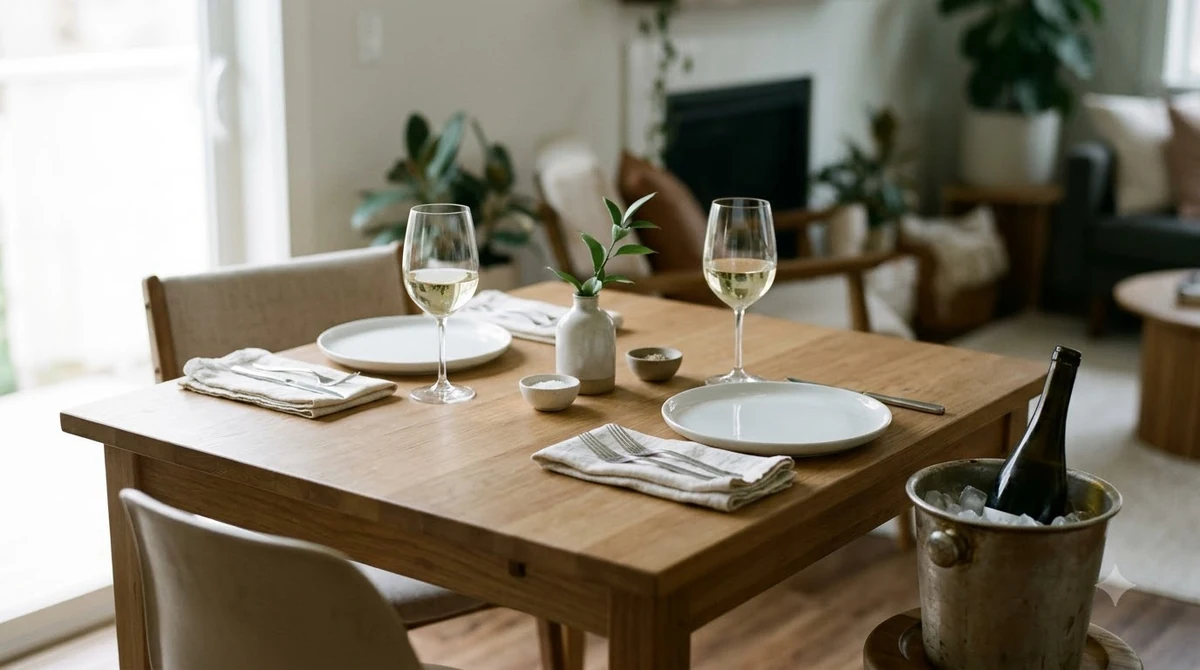
Pair dry rosé with chicken salad, grilled salmon, vegetable flatbread, herbed couscous, prosciutto and melon, or tomatoes with fresh mozzarella. Add delicate berries close to serving instead of soaking them for hours. Serious Eats found berries and melons can turn soft in red sangria, while apples, oranges, lemons, grapes, and peaches hold up better. Tender fruit often belongs in the glass at the last moment.
For brunch, serve rosé sangria with frittata, smoked salmon toast, savory pastries, fruit salad, and mild cheeses. Dry rosé with peach, orange, and soda suits salty, fresh dishes. If the recipe includes sweet juice or liqueur, choose a savory main such as mushroom tart, roast chicken, or vegetable quiche instead of a sugary pastry.
Sparkling sangria made with Cava or Prosecco needs a lighter hand with mixers. Keep fruit pieces small enough to serve neatly, add the sparkling wine shortly before pouring, and avoid shaking or stirring hard enough to lose the bubbles. Salty Marcona almonds, fried calamari, grilled shrimp, croquettes, and crisp vegetable fritters make good partners because salt and a little oil can balance a lively, citrusy drink. Serve delicate seafood with lemon rather than a hot, sugary sauce, and place extra sparkling water on the table for guests who prefer a less concentrated pour.
Match Sauces, Side Dishes, and Desserts to the Pitcher
Sauce can decide a pairing as much as the main ingredient. Match its sweetness, acidity, heat, and richness to the finished sangria.
Tomato sauce, romesco, and roasted peppers suit red sangria because their acidity echoes the fruit. Garlic aioli, herb yogurt, and lemon dressing work with white sangria; rosé bridges both with grilled vegetables, chicken, or herbed couscous. A sweet barbecue glaze can make an already sweet pitcher cloying, so add tangy slaw, pickled onions, or grilled citrus.
Heat requires caution: alcohol can amplify chili burn, while tannin adds a drying edge. Avoid pairing firm, tannic red sangria with hot wings, chili oil, or heavily spiced sausage. A low-tannin white or rosé with lime and modest sweetness is more forgiving with mildly spicy tacos, ginger-lime chicken, or paprika-seasoned prawns. Offer a nonalcoholic citrus drink with very hot food.
Dessert pairing follows sweetness first. Choose sangria at least as sweet as the dessert, or the drink can taste tart after a sweet bite. Red sangria with restrained sweetness suits dark chocolate, almond cake, or roasted figs; white sangria works with lemon cake, poached pears, and apple galette; rosé can match strawberry shortcake or peach cobbler if the pitcher is not dry. For very sweet desserts, choose a sweeter sangria or serve fresh fruit and cheese. The site’s Wine Pairing resource explains why fat can soften red wine tannin and sharp food needs a comparably lively drink. Apply those ideas to the finished pitcher, not only to the wine before fruit and mixers are added.
Build a Balanced Sangria Menu and Prepare the Pitcher
A successful sangria menu does not need a long list of dishes. Pick one main pairing direction, add two or three contrasting sides, and keep the pitcher balanced so the fruit, wine, citrus, and spirit do not compete with the food.
For red sangria, set out chorizo, tortilla española, grilled chicken skewers, Manchego, olives, and tomato salad. For white, use shrimp, crab cakes, cucumber salad, grilled zucchini, herbed rice, and goat cheese. For rosé, try chicken flatbread, prosciutto, tomato and mozzarella, couscous, and stone fruit. Each menu combines savory flavors with a fresh side. A paella or roast chicken can serve as the main course, with tapas as starters.
Batch measurements are a starting point, not a law. Serious Eats’ red sangria recipe uses 750 ml dry red, 1/2 to 1 cup brandy or rum, 1/4 cup orange juice, 2 tablespoons lemon juice, one orange, one apple, 12 ounces club soda, and about 1/4 cup simple syrup. Begin with less spirit and adjust after chilling; the table summarizes the formula.
| Component | Starting amount per 750 ml wine | Pairing purpose |
|---|---|---|
| Dry red wine | 1 bottle (750 ml) | Light- to medium-bodied base for tapas and grilled foods |
| Brandy or rum | 1/2 to 1 cup (118 to 237 ml) | Adds warmth; use less with delicate food |
| Orange juice | 1/4 cup (60 ml) | Connects with roasted peppers, pork, and citrus notes |
| Lemon juice | 2 tablespoons (30 ml) | Maintains freshness for salty and rich dishes |
| Orange and apple | 1 medium orange; 1 large apple | Provides firm fruit that holds up during chilling |
| Club soda | 1 can (12 ounces) | Adds lift; stir in just before serving |
| Simple syrup | About 1/4 cup (60 ml), then adjust | Balances tartness without making the drink overly sweet |
| Chilling time | 2 to 8 hours; about 4 hours preferred | Allows fruit and citrus to infuse the wine |
Do not force this formula onto white or rosé sangria: change the fruit to suit the wine and keep the spirit lighter. BBC Good Food’s sangria guide suggests roughly one part spirit to five parts wine and around one-third as much mixer as wine. Treat those as guidelines; omit syrup if juice, fruit, or liqueur already makes the pitcher sweet. Serve small glasses over ice, with water and a nonalcoholic option beside the pitcher. Do not top up the pitcher with spirit as it runs low; its strength depends on the recipe. A five-ounce wine pour is a useful reference, but smaller sangria pours make sense when the spirit is generous. Set out a spoon for the fruit and extra chilled soda for guests who want a lighter glass.
Tip: Mix the wine, spirit, juice, and firm fruit first, then refrigerate for about 4 hours. Add club soda or sparkling wine just before serving, and add fragile berries directly to individual glasses so they keep their shape.
Frequently Asked Questions
These quick answers cover common sangria details that can affect how you plan a meal or explain the drink to guests.
How is sangria different from tinto de verano?
Tinto de verano is typically made by mixing one part red wine with one part fizzy soft drink, often lemon soda, and serving it with ice and citrus. Sangria is more varied: it includes chopped fruit and may also include juice, brandy, liqueur, or spices.
Can brandy be replaced with other spirits or liqueurs?
Yes. Some sangria recipes use small measures of sherry, red vermouth, Marsala, orange liqueur, or cherry brandy instead of, or alongside, conventional brandy. Add them cautiously so they season the pitcher rather than overpower the wine and fruit.
Why did sangria become so popular in the United States?
Serious Eats notes that the 1964 World’s Fair is often credited with bringing sangria wider attention in the United States. The drink’s roots in Europe are older, however, and the fair is best understood as a turning point in American popularity rather than its origin.
What does the word sangria refer to?
The name is connected to the Spanish word sangre, meaning blood, a reference to the deep red color of the classic version. White and rosé variations are now common, so the name no longer describes every pitcher’s color.
What is sangaree?
Sangaree is an older family of mixed drinks associated with fortified wines such as Madeira or port. Historical versions could include water, nutmeg, and citrus, and the name may be related to sangria, although the precise direction of that connection is debated.
The best sangria food pairing is the one that respects the finished pitcher: its sweetness, acidity, fruit, body, and alcohol all count. Choose red for savory tapas and grilled dishes, white for seafood and fresh vegetables, and rosé for flexible menus that move from brunch to the grill. Keep the food varied but not overly hot or sweet, and add bubbles only when the pitcher is ready to serve.
More in Food & Wine Pairing
 Risotto With White Wine Recipe: Make a Creamy Dinner at HomeUpdated Nov 20, 2026
 Wassail With Wine Recipe for a Festive Spiced Holiday DrinkUpdated Nov 20, 2026
 Spritz Veneziano Recipe: Make a Classic Venetian Aperitivo at HomeUpdated Nov 20, 2026
 Summer Wine Punch Recipe for Easy Homemade EntertainingUpdated Nov 20, 2026
 Bishop Recipe: How to Make a Bright, Citrus-Forward Red Wine CocktailUpdated Nov 20, 2026
 Wine Cupcakes Recipe: Bake Rich Chocolate Cupcakes at HomeUpdated Nov 20, 2026