


We may earn a commission when you buy through links on this page, at no extra cost to you. Learn more.
To learn how to serve sangria, chill the pitcher, pour it over fruit and plenty of ice, and serve it in a large glass so the fruit stays in view. Sangria is a wine-based punch, and it is usually served cold or chilled. Its fruit and sweetness are the main reasons it is so popular at summer gatherings.
Sangria looks simple, but the way it is served makes a real difference to how it tastes. A pitcher that is too warm can taste syrupy, while one that has not rested long enough can taste like wine with fruit floating in it. This guide covers the chilling step, the glassware, how to present the fruit, and how to pour sangria so it stays fresh through the whole party.
What sangria is and where it comes from
Sangria is a drink built around wine, fruit, and a little sweetness. According to the Wikipedia article on sangria, the drink originates in Spain and Portugal. The article traces its roots to the Kingdom of León in the Middle Ages, where a precursor called Leonese lemonade, made with wine, oranges, lemons, sugar, and spices, was served. The term sangria for the drink dates to the 18th century.
That history explains why sangria is often treated as a casual, shareable drink rather than a formal pour. It was built for a table where guests share a pitcher, and the serving habits follow from that setting.
Choosing the wine base
The base of sangria is always wine, and the article says that base is typically red. Traditional recipes use Spanish Rioja, which gives the drink a fruit-forward flavor and a balanced finish. Some recipes add brandy, sparkling water, or a flavored liqueur to change the strength or the lift.
White wine versions, called sangria blanca, are a later innovation, and sparkling-wine versions, called sangria de cava, are another. Those styles change the color and the feel of the drink, so the serving approach may shift a little. A white or sparkling base often calls for a lighter fruit mix and even colder serving.
Chilling the pitcher before serving
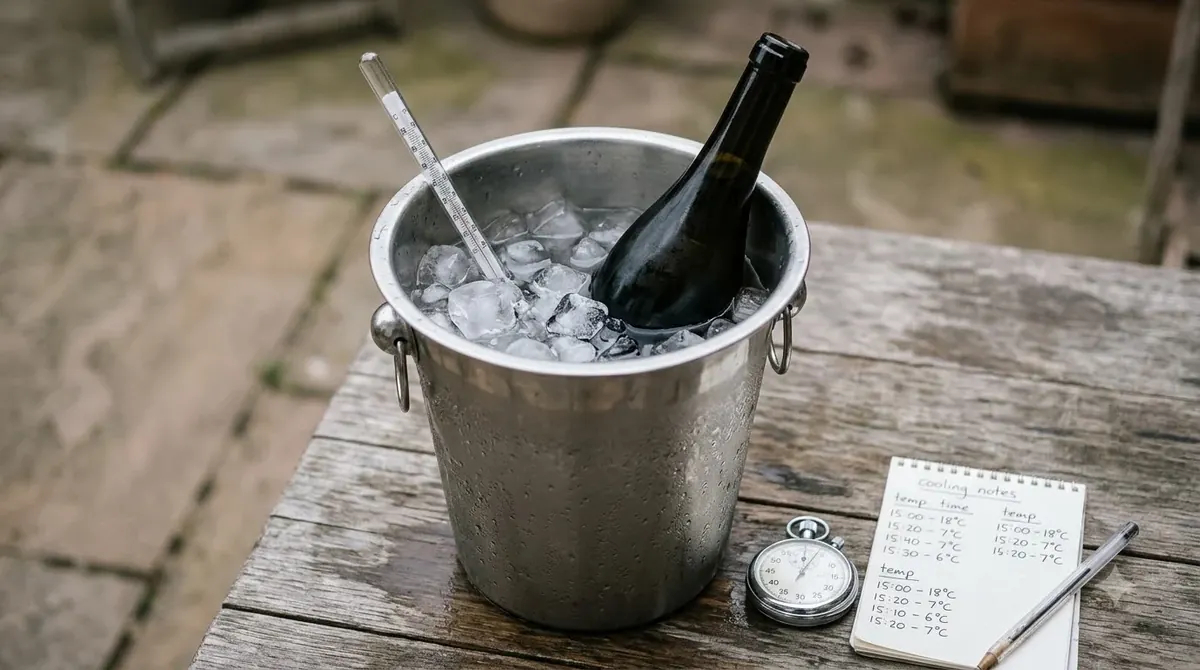
Sangria is usually served cold or chilled, and the Wikipedia infobox lists its serving temperature as “Cold or chilled.” Chill the finished pitcher in the fridge for at least an hour before the first pour. The cold keeps the wine crisp and slows down the way the fruit releases its sugar, which helps prevent the drink from tasting heavy.
If the party is outdoors, keep the pitcher in a cooler or set it in a bowl of ice, and refill the glasses from the chilled pitcher rather than letting it sit in the sun. A warm pitcher tastes flatter and sweeter, so checking the temperature before guests arrive is a simple habit that helps.
Preparing the fruit
Traditional sangria uses local fruit, and the article lists peaches, nectarines, berries, apples, and pears as common choices. Global versions also use pineapple or lime. Cut the fruit into bite-sized pieces so it fits easily into a glass and releases flavor into the wine as the drink rests.
Sugar and orange juice are the usual sweeteners, and the article notes that the drink is sweetened with sugar and orange juice. Add them gradually and taste as you go, since fresh fruit adds its own sweetness over time. A balanced sangria tastes bright first and sweet second.
| Ingredient | Role in the pitcher | Serving note |
|---|---|---|
| Wine (red, typically) | Forms the base of the drink | Traditional recipes use Spanish Rioja |
| Peaches, nectarines, berries | Add fruit flavor and color | Cut into bite-sized pieces |
| Apples, pears | Add crisp texture and mild sweetness | Add closer to serving time if kept overnight |
| Sugar and orange juice | Sweeten and round out the wine | Add gradually and taste as you go |
| Brandy or liqueur (optional) | Adds strength or lift in some recipes | Use sparingly to keep the wine in front |

Letting the sangria rest
Sangria tastes better after the wine has had time to meet the fruit. A rest of an hour or two in the fridge lets the flavors blend, and the fruit softens and gives its juice to the wine. A longer rest can work for a stronger, more layered drink, although very long soaking can make some fruit taste dull or mushy.
For best results, add the fresh fruit closer to serving time if you plan to keep the pitcher overnight. That keeps the texture firm and the flavor bright. Stir the pitcher gently before each pour so the fruit and wine stay evenly mixed.
Glassware and presentation
A large glass with plenty of room for ice and fruit is the classic choice. Pour the sangria over ice, then spoon in a few pieces of fruit so each glass shows the color and the fruit at a glance. Guests can see what is in each pour, and the fruit adds a fresh look to the table.
Clay pitchers have a long association with the drink. The Wikipedia article includes a photo captioned “Sangria served in traditional clay pitchers,” though the text does not discuss vessels in detail. Any clear pitcher or glass pitcher works well, since it shows the fruit and color through the side.
Pairing sangria with food
Sangria pairs well with simple, shareable foods. Grilled vegetables, tapas, cheese boards, and light grilled meats all suit its fruit and sweetness. The acidity of the citrus and the fruit helps balance rich or salty snacks, which makes sangria a good match for appetizer-style meals.
Because the drink is sweet, it works better with savory food than with very sweet desserts. A fruit-based dessert, such as berries with a light cream, can complement the drink well if you want to finish the meal with something sweet.
Serving sangria at a party
For a party, prepare one pitcher for the first hour and keep a second one chilled in the fridge. That way guests always get a cold pour, and you avoid refilling a warm pitcher. Serve sangria in batches so the fruit does not sit out for too long, and keep ice nearby to refresh glasses without diluting the whole pitcher.
When guests ask what is in the pitcher, the answer is easy to share: wine, fruit, and a touch of sweetness. Naming the wine base and the main fruit helps guests choose the style they like, especially if you are serving a red and a white version side by side.
Frequently Asked Questions
Is sangria served hot or cold?
Sangria is served cold or chilled. The Wikipedia article lists its serving temperature as cold or chilled, and a pitcher kept in the fridge for at least an hour before serving gives the best taste.
What wine works best for sangria?
Traditional sangria uses a red wine, and Spanish Rioja is the classic choice. White and sparkling versions also exist, including sangria blanca and sangria de cava, and they call for slightly different fruit and serving habits.
Should sangria be served with ice?
Ice is a common choice for individual glasses, since it keeps each pour cold. Use it in the glass rather than the pitcher, so the wine does not become watery as the party goes on.
Which fruit works best in sangria?
Peaches, nectarines, berries, apples, and pears are traditional choices, and pineapple or lime appear in global versions. Pick fruit that is ripe but still firm, so it keeps its shape during the rest.
Once the serving basics are clear, the next step is choosing the style you want to make. The prosecco sangria and sauvignon blanc sangria guides cover lighter versions with a different base. For a broader view of wine styles and how they fit together, the Wine by Type section groups bottles by body and flavor, and the how to serve port guide shows how a fortified wine follows different rules.
More in Wine Types & Grapes
 Zinfandel Sugar Content: Dry Red vs. White Zinfandel GramsUpdated Nov 21, 2026
 Best Zinfandel Substitute Options for Sipping and CookingUpdated Nov 21, 2026
 Zweigelt Food Pairing: Best Dishes, Cheeses, and Serving TipsUpdated Nov 21, 2026
 Zinfandel Tannins Explained: How Structure Shapes Every BottleUpdated Nov 21, 2026
 Zinfandel Sweetness Level: Dry Red vs. Sweet White Zin ExplainedUpdated Nov 21, 2026
 Xinomavro Food Pairing: Best Dishes, Styles, and Serving TipsUpdated Nov 21, 2026