

We may earn a commission when you buy through links on this page, at no extra cost to you. Learn more.
Sangiovese with steak is an excellent pairing because the wine’s bright acidity, firm tannins, and savory cherry flavors complement grilled beef and balance its richness. Chianti Classico works particularly well with sirloin and simply seasoned steak, while Brunello di Montalcino offers greater structure for ribeye and other substantial cuts. The best bottle depends on the steak’s fat content, cooking method, sauce, and seasoning.
Steak and Sangiovese share a natural connection through Tuscan food culture. In central Italy, the combination of regional red wine and grilled beef is a familiar part of the dining tradition, particularly with bistecca alla Fiorentina, the famous Florentine steak. American steak dinners offer plenty of opportunities to enjoy the same relationship, whether the menu features New York strip, filet mignon, ribeye, or grilled sirloin. Understanding how Sangiovese’s acidity and tannins interact with different cuts makes choosing the right bottle much easier.
Why Sangiovese Works With Steak
Sangiovese combines refreshing acidity with firm tannins, two characteristics that make it especially compatible with beef. Its savory red-fruit profile also complements the browned exterior and rich meat flavors created by grilling or pan-searing.
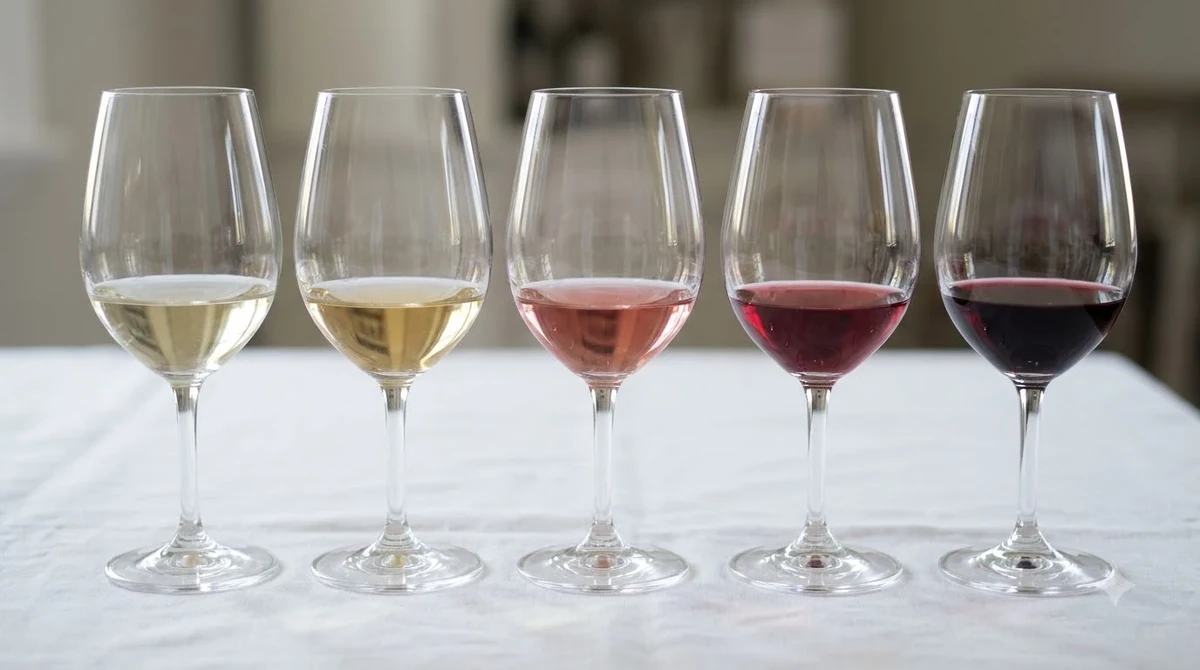
The grape is best known through Tuscan wines such as Chianti, Chianti Classico, Brunello di Montalcino, and Vino Nobile di Montepulciano. Although these wines differ in concentration, aging, and structure, Sangiovese generally provides a recognizable combination of cherry fruit, herbal character, acidity, and tannin. Berry Bros. & Rudd’s Sangiovese guide describes common characteristics that include sour red cherry, plum, herbs, and tomato leaf, alongside high acidity and firm tannins.
Acidity is particularly useful with steak because the wine refreshes the palate between bites. Beef can leave a rich, coating sensation, especially when the cut contains substantial marbling or is served with butter. A lively red wine helps balance that sensation instead of allowing each bite to feel progressively heavier. Sangiovese’s acidity also complements savory seasonings such as rosemary, garlic, black pepper, and thyme.
Tannins contribute another important part of the pairing. These natural compounds create a drying sensation in the mouth, but the fat in beef softens their perceived firmness. In return, the wine’s structure helps balance the richness of the meat. This interaction is particularly noticeable with ribeye, which contains more intramuscular fat than leaner cuts.
The grape’s fruit profile also matters. Sangiovese generally emphasizes sour cherry, red plum, and other savory fruit rather than the dense black-fruit sweetness associated with some fuller-bodied reds. Those flavors complement the roasted and charred notes of steak without overwhelming the natural taste of the beef.
There is also a practical advantage: Sangiovese can work with more than one steak preparation. A young Chianti can accompany a grilled sirloin, while a mature Brunello can suit a substantial bone-in steak. The key is matching the wine’s weight and tannin level to the dish rather than assuming every bottle made from the same grape tastes identical.
Choose The Right Sangiovese Style
Chianti, Chianti Classico, and Brunello di Montalcino are three useful starting points for steak dinners. Their differences in concentration, tannin, and aging make each style suitable for a different level of richness and cooking intensity.
Chianti is a practical choice for everyday steak meals. Its approachable fruit, refreshing acidity, and generally moderate weight work well with grilled sirloin, flank steak, and straightforward beef preparations. It is especially appealing when the plate includes tomato-based sauces, roasted vegetables, or Italian herbs.
Chianti Classico generally offers more depth and structure than simpler Chianti bottlings. Under its production rules, the wine must contain at least 80% Sangiovese. It can show concentrated cherry fruit, herbal notes, savory complexity, and noticeable tannins. This makes it a particularly useful partner for New York strip, grilled ribeye, and steak served with mushroom or herb-based sauces.
Brunello di Montalcino is a more substantial choice for an important steak dinner. It must be made from 100% Sangiovese and is known for its concentration, firm structure, and capacity to develop complexity with age. Its minimum aging requirements are also substantial: standard Brunello is released at least five years after the harvest year, while Brunello Riserva requires six years.
Other Tuscan options deserve consideration, too. Rosso di Montalcino generally provides a fresher, more approachable alternative to Brunello, while Vino Nobile di Montepulciano can deliver the savory depth needed for a substantial beef dish. Super Tuscan wines may also contain Sangiovese alongside Cabernet Sauvignon, Merlot, or Cabernet Franc, creating a broader range of body and tannin.
For readers exploring the grape beyond beef, our Sangiovese food pairing recommendations explain how its acidity and savory character work with pasta, poultry, cheese, and other dishes.
Quick Comparison Of Tuscan Styles
| Wine style | General profile | Best steak match | Serving temperature |
|---|---|---|---|
| Chianti | Fresh fruit, lively acidity, moderate structure | Sirloin and flank steak | 60-65°F |
| Chianti Classico | More depth, cherry fruit, firm tannins | New York strip and grilled ribeye | 60-65°F |
| Rosso di Montalcino | Approachable fruit and refreshing acidity | Filet mignon and grilled sirloin | 60-65°F |
| Brunello di Montalcino | Concentrated fruit, substantial tannins, complex structure | Bone-in ribeye and bistecca alla Fiorentina | 60-65°F |
| Vino Nobile di Montepulciano | Savory character and balanced structure | Strip steak and grilled beef | 60-65°F |
These are practical pairing suggestions rather than rigid classifications. Producer choices, vineyard conditions, winemaking, and bottle age influence the finished wine. A particularly concentrated Chianti Classico may be better suited to ribeye than a lighter Brunello, for example. Similarly, a younger Brunello may have firmer tannins than an older bottle whose structure has softened with maturity.
When choosing between two bottles, consider the steak first. A lean, simply seasoned filet does not necessarily need the most powerful wine available. A heavily marbled ribeye with a dark crust can accommodate a more concentrated and tannic expression of Sangiovese.
Match Sangiovese With Different Steak Cuts
The cut of beef is one of the most useful indicators of which Sangiovese to open. Fat content, texture, and meat flavor determine how much body and tannin the wine needs to provide.
Ribeye
Ribeye is among the strongest candidates for a structured Sangiovese. Its generous marbling creates a rich mouthfeel, and the beef develops deep roasted flavors when cooked over high heat. Chianti Classico Riserva, Brunello di Montalcino, and substantial Sangiovese-based blends are all sensible choices.
The wine’s tannins interact with the fat, making the combination feel more balanced. Its acidity also provides contrast to the richness of the meat. For a bone-in ribeye with a pronounced char, choose a wine with enough concentration to remain noticeable alongside the steak.
New York Strip
New York strip offers a middle ground between the richness of ribeye and the leaner texture of filet mignon. It has a pronounced beef flavor, a satisfying texture, and enough fat to work with moderately firm tannins. Chianti Classico is a particularly good starting point.
A strip steak cooked medium-rare with rosemary, garlic, and black pepper makes a straightforward match. A more concentrated Riserva can also work if the steak has a deep crust or is accompanied by roasted mushrooms. Avoid choosing a wine solely because it is expensive or heavily aged; freshness and balance matter just as much.
Filet Mignon
Filet mignon is tender and relatively lean, with a delicate beef flavor compared with ribeye or strip steak. A lighter Chianti or Rosso di Montalcino is usually a better match than a particularly powerful Brunello. The wine should complement the meat rather than dominate it.
Cooking and accompaniments can change the recommendation. Filet mignon wrapped in bacon or served with a mushroom reduction can support a more structured Chianti Classico. A plain grilled filet with a small amount of butter benefits from a fresher wine with moderate tannins and noticeable acidity.
Sirloin
Sirloin is versatile and generally works with approachable, fruit-forward Sangiovese. A regular Chianti offers enough acidity and savory character for a simple grilled preparation. A Chianti Classico is another good option when the steak is thicker or has a more pronounced char.
Sirloin is particularly suitable for casual steak dinners with grilled zucchini, roasted peppers, potatoes, or an herb dressing. These accompaniments reinforce the wine’s savory side without demanding excessive body or oak influence.
Flank And Skirt Steak
Flank and skirt steak have pronounced beef flavor and are often sliced against the grain after cooking. Their relatively lean texture and bold seasoning make them good partners for youthful Sangiovese with lively acidity and red-fruit character.
Marinades deserve attention here. Garlic, rosemary, olive oil, and black pepper complement the grape’s herbal and savory qualities. A marinade containing substantial vinegar or citrus, however, can make the wine seem less lively if its acidity is noticeably lower than the food’s. Choose a fresh, naturally high-acid Sangiovese rather than a soft, low-acid red.
The following combinations provide a convenient starting point when planning a steak dinner:
- Ribeye: Brunello di Montalcino or structured Chianti Classico.
- New York strip: Chianti Classico or Chianti Classico Riserva.
- Filet mignon: Chianti or Rosso di Montalcino.
- Sirloin: Chianti or a fruit-forward Chianti Classico.
- Flank steak: Young Chianti or another fresh Sangiovese bottling.
- Skirt steak: Medium-bodied Sangiovese with good acidity and moderate tannins.
Cooking temperature also influences the final result. Rare and medium-rare steaks tend to retain more juiciness, while well-done steaks develop a firmer texture and more concentrated browned flavors. A fruit-forward Sangiovese can be especially useful with well-done beef because the ripe fruit helps maintain a pleasant balance alongside the stronger roasted character.
Pair Steak Sauces, Seasonings, And Side Dishes
Sauce and seasoning can change the best wine choice as much as the cut itself. Sangiovese is particularly adaptable to garlic, rosemary, tomatoes, mushrooms, and creamy preparations, but very hot chili sauces require more care.
Béarnaise Sauce
Béarnaise combines butter, egg yolks, vinegar, and aromatic herbs to create a rich, creamy sauce. Its fat softens the perception of tannins, while its richness benefits from the refreshing acidity of Sangiovese. Brunello di Montalcino and Chianti Classico Riserva are particularly suitable options for a substantial steak served with béarnaise.
Decanter’s steak-pairing advice specifically identifies Brunello and other structured Sangiovese wines as good companions for béarnaise. The combination works because the wine has sufficient acidity, body, and tannin to balance the creamy sauce without losing its identity beside the beef.
Peppercorn Sauce
Peppercorn sauce has a concentrated, savory character and often includes cream or stock. A ripe, fruit-forward Chianti Classico can work well, particularly with strip steak or ribeye. A more structured Sangiovese blend is another option for a particularly rich sauce.
Black pepper itself generally complements Sangiovese’s savory character. However, distinguish ordinary pepper seasoning from intense chili heat. Black pepper contributes aromatic spice, while hot peppers can amplify the sensation of alcohol and tannin in wine.
Chimichurri
Chimichurri typically combines parsley, garlic, oil, vinegar, and sometimes chili. Its acidity and fresh herbs can make a lively Sangiovese a natural partner, particularly with flank steak or skirt steak. The combination is especially attractive when the wine has bright cherry fruit and enough acidity to match the vinegar.
Keep the chili moderate if serving a structured red. High alcohol and firm tannins can make pronounced chili heat seem stronger. A lighter, fresher Chianti may therefore work better than a powerful, high-alcohol Super Tuscan with an aggressively spicy chimichurri.
Mushroom And Herb Sauces
Mushrooms bring earthy, savory flavors that complement the herbal and developed notes found in Sangiovese. A mushroom reduction, sautéed porcini, or roasted mushrooms can be especially appealing with Chianti Classico Riserva or Brunello.
Fresh rosemary and thyme also make useful seasonings. Their aromatic qualities connect naturally with Sangiovese’s savory profile. Garlic, cracked black pepper, and a little olive oil provide a simple seasoning combination that allows both the wine and steak to remain recognizable.
Tomatoes And Grilled Vegetables
Tomato-based accompaniments are a natural match because Sangiovese has the acidity needed to stand alongside acidic ingredients. A grilled steak served with tomato salad, roasted peppers, or a tomato-based relish can work particularly well with Chianti.
Grilled eggplant, zucchini, onions, and peppers add sweetness and smoky flavors that support the wine’s red fruit and herbal notes. These vegetables also make the meal feel more complete without requiring an elaborate sauce.
For a broader selection of combinations, the Grape x Food pairing resource offers a useful way to think about how acidity, tannin, body, and preparation influence wine choices.
Tip: Match the wine to the strongest flavor on the plate, not just the steak. With a simple grilled ribeye, consider the beef’s fat and char. With a filet covered in creamy béarnaise, consider the sauce’s richness. If the meal includes hot chili, choose a smoother, moderate-alcohol Sangiovese rather than the most powerful bottle available.
Serve Sangiovese At The Right Temperature
Serving temperature affects how Sangiovese expresses its fruit, acidity, tannins, and alcohol. For most full-bodied Sangiovese wines, 60-65°F is a useful serving range that preserves freshness while allowing the wine’s aromas to develop.
Red wine is frequently served too warm, particularly when a bottle sits in a heated dining room or beside a hot grill. Excessive warmth can make alcohol feel more prominent and leave the wine seeming heavier than intended. Slightly cooler service helps retain the freshness that makes Sangiovese such a useful food wine.
For a practical approach, place the bottle in the refrigerator for approximately 15-20 minutes before serving if it has been stored at ordinary room temperature. Check the temperature after chilling rather than relying entirely on the clock. A cool bottle can warm naturally in the glass as dinner progresses.
Decanting is another consideration, especially with younger, structured wines. A young Brunello or Chianti Classico Riserva may benefit from 30-60 minutes of aeration before dinner. Exposure to air can help the wine become more expressive and allow its fruit, herbal aromas, and savory character to emerge.
Older bottles require more careful handling. Mature Brunello may contain sediment, and prolonged exposure to air can sometimes diminish delicate aromas. Pour gently and taste periodically rather than automatically leaving every bottle open for an hour.
Glassware And Pouring
A medium-to-large red wine glass is appropriate for Sangiovese. A bowl with enough room to swirl the wine helps release its cherry, plum, herbal, and earthy aromas. There is no need for specialized glassware, although a glass with a reasonably wide bowl makes it easier to appreciate a more complex Brunello.
A standard wine serving is 5 ounces. A 750-milliliter bottle provides approximately five such glasses, making it a convenient amount for a dinner shared by two people when each person enjoys more than one glass. Pouring smaller amounts initially also leaves room to swirl the wine and evaluate how it develops.
Keep the bottle away from the grill, direct sunlight, and other sources of heat while the meal is being prepared. If the dining room is warm, return the bottle to a cooler location between pours. Temperature control is a simple way to preserve the wine’s balance throughout dinner.
Build A Tuscan-Style Steak Dinner
A Tuscan-inspired steak dinner is a straightforward way to bring Sangiovese and beef together. The most effective menu uses a well-seasoned steak, a few complementary side dishes, and a wine with enough acidity and structure to connect the ingredients.
Bistecca alla Fiorentina provides the classic reference point. This traditional Florentine preparation features a substantial steak cooked over a hot fire and served with relatively simple seasoning. Sangiovese is a natural choice because its acidity, firm tannins, and savory character complement the grilled meat without requiring a complicated sauce.
For an American home dinner, a thick-cut New York strip or bone-in ribeye can provide a similar experience. Season the beef with salt and black pepper, then add rosemary and garlic if desired. Cook over high heat to develop a browned exterior while keeping the center at the preferred doneness. Allow the steak to rest before slicing so its juices remain within the meat.
Side dishes can reinforce the wine pairing. Roasted potatoes, grilled zucchini, white beans, and sautéed mushrooms all provide savory flavors that complement Sangiovese. A tomato salad dressed with olive oil and herbs is another suitable addition, especially with a younger Chianti or Chianti Classico.
Three Menu Ideas
Casual steak dinner: Serve grilled sirloin with rosemary potatoes, roasted peppers, and a bottle of Chianti. The wine’s fresh fruit and acidity work with the meat while remaining approachable alongside the vegetables.
Classic Tuscan dinner: Prepare a thick-cut steak with olive oil, garlic, and rosemary. Add white beans, grilled vegetables, and a bottle of Chianti Classico. This combination emphasizes regional ingredients and keeps the seasoning simple enough for the wine to remain prominent.
Special-occasion dinner: Choose bone-in ribeye with mushroom sauce, roasted potatoes, and Brunello di Montalcino. The wine’s concentration and tannic structure provide a suitable match for the steak’s fat and the mushrooms’ earthy character.
Another option is to compare Italian steak pairings at the table. Sangiovese offers a fresh, savory style, while Nebbiolo-based Barolo brings a different combination of acidity, tannin, and aromatic complexity. Our guide to Barolo with steak explains how that alternative works with different cuts and preparations.
Champagne can also be an interesting alternative, especially for diners who prefer sparkling wine or want a different texture alongside rich beef. Its bubbles and acidity provide a contrasting experience to structured red wine. Read more in our guide to Champagne with steak.
The most important principle is to keep the wine and meal in balance. A lean steak with delicate seasoning needs less tannin than a heavily marbled ribeye with a rich sauce. Likewise, a powerful Brunello is not automatically the best choice for every beef dish. Choosing the bottle according to the complete plate produces a more satisfying result.
Frequently Asked Questions
Is Sangiovese always made from 100% Sangiovese grapes?
No. Although Brunello di Montalcino is made from Sangiovese alone, some other Tuscan wine styles permit or use blends with additional grape varieties. Chianti Classico, for example, has an 80% minimum Sangiovese requirement. Super Tuscan wines may also combine Sangiovese with Cabernet Sauvignon, Merlot, or Cabernet Franc.
Does Sangiovese have a smoky flavor?
Some Sangiovese wines develop smoky or toasted notes through winemaking and aging, although smoke is not a defining flavor in every bottle. Mature examples can also develop aromas associated with leather, tobacco, dried herbs, and earth. These secondary characteristics can make aged Sangiovese particularly interesting with grilled beef.
Can Sangiovese be paired with steak tartare?
Yes, although a lighter and fresher style is generally preferable to a powerful, heavily tannic Brunello. Steak tartare is served raw and often includes capers, mustard, onion, or other sharp seasonings. A youthful Rosso di Montalcino or lighter Chianti can complement the dish without overwhelming its delicate texture.
Does Sangiovese work with lamb instead of beef?
Yes. Grilled lamb chops, rosemary-seasoned lamb, and roasted leg of lamb can all work with Sangiovese. The grape’s acidity and herbal character complement lamb’s savory flavor, while structured examples such as Brunello can accommodate richer preparations. A Chianti Classico is a good alternative for simply grilled lamb chops.
What is the difference between Sangiovese and Prugnolo Gentile?
Prugnolo Gentile is the local name used for the Sangiovese grape in the Vino Nobile di Montepulciano area of Tuscany. It is not a separate grape variety in the way that Cabernet Sauvignon or Merlot is distinct from Sangiovese. The regional name reflects local viticultural tradition and the identity of the wine produced in that area.
Sangiovese with steak is a rewarding combination because the wine brings freshness, savory fruit, and structure to a naturally rich dish. Start with Chianti Classico for strip steak or sirloin, and choose Brunello di Montalcino when serving a substantial ribeye or traditional Tuscan-style steak. Pay attention to sauces, seasoning, and serving temperature, and the pairing can make an ordinary steak dinner feel distinctly Italian.
More in Food & Wine Pairing
 Risotto With White Wine Recipe: Make a Creamy Dinner at HomeUpdated Nov 20, 2026
 Wassail With Wine Recipe for a Festive Spiced Holiday DrinkUpdated Nov 20, 2026
 Spritz Veneziano Recipe: Make a Classic Venetian Aperitivo at HomeUpdated Nov 20, 2026
 Summer Wine Punch Recipe for Easy Homemade EntertainingUpdated Nov 20, 2026
 Bishop Recipe: How to Make a Bright, Citrus-Forward Red Wine CocktailUpdated Nov 20, 2026
 Wine Cupcakes Recipe: Bake Rich Chocolate Cupcakes at HomeUpdated Nov 20, 2026