

We may earn a commission when you buy through links on this page, at no extra cost to you. Learn more.
Sangiovese vs Tempranillo comes down to acidity versus structure: Sangiovese, Italy’s most planted red grape, is defined by high acidity and medium-high tannin, while Tempranillo, Spain’s most widely planted red grape, is lower in acid and builds its frame from tannin and oak. Sangiovese feels bright and mouth-watering, which makes it a natural partner for tomato sauces and rich, fatty dishes. Tempranillo is savory and medium-full, and it pairs well with grilled meats and lamb. Both grapes age well, but they reward different serving habits and cellar timelines.
If you have stood in a wine shop trying to choose between a Chianti and a Rioja, you have already faced the Sangiovese vs Tempranillo question. The two grapes anchor the most important red wine traditions of southern Europe. Sangiovese builds the backbone of Chianti Classico and Brunello di Montalcino in Tuscany, while Tempranillo is the heart of Rioja and Ribera del Duero in northern and central Spain. Both can be bought for a weeknight dinner, and both can age for years in the cellar. The useful question is not which grape is better, but which one fits your food, your timing, and the style you enjoy most.
Sangiovese vs Tempranillo: Where Each Grape Grows
Sangiovese is Italy’s most planted red grape, and Tempranillo is Spain’s most widely planted red grape. Each one is tied closely to the identity of its home country.
Sangiovese is centered on Tuscany, though it is also a historic stronghold in Romagna. Wine Enthusiast calls it one of Italy’s most noble native varieties and notes that it is extremely site-sensitive, so the same grape can express itself very differently from one vineyard to the next. The naming also varies by place. The grape is known as Prugnolo Gentile in Montepulciano and as Sangiovese Grosso in Montalcino, and those names reflect clones that were once thought to be separate varieties. Within Tuscany, the climate shifts as well. Chianti Classico sits in a continental climate with many microclimates, while Montalcino, about 25 miles south of Siena, enjoys warmer summers and drier weather.
Tempranillo is the main red grape of Rioja in north-central Spain, and it also anchors Ribera del Duero and Toro along the Duero River. Wine Folly describes Rioja as one of the benchmark areas for the grape. Outside Spain and Portugal, plantings are sparse, with smaller amounts in Argentina, southern France, Australia, the United States, and Mexico. In Ribera del Duero, the summers are very hot and the growing season is shorter, which Wine Folly links to a richer style of wine.
For readers who want to narrow in on Tuscany’s Sangiovese-based wines, the montepulciano vs sangiovese comparison is a natural next step.
Acidity and Tannin: The Structural Difference
Acidity and tannin are the two markers that separate these reds most clearly on the palate. Sangiovese leans on acid to carry its flavor, while Tempranillo leans on a fuller frame built from tannin and oak.
Acidity is Sangiovese’s defining trait. VinePair notes that Sangiovese is always characteristically high in acidity, whether the wine is medium-bodied and fresh or dense and oak-aged. That acid keeps a young Sangiovese lively and gives it the lift needed to cut through rich food. Wine Enthusiast describes the grape as a chameleon, since it can produce light, early-drinking wines with bright red berry and floral notes, or firmly structured, long-lived wines with dark cherry, spice and earth. Tannin is typically medium to medium-high, and it feels grippy when the wine is young. With age, both tannin and acidity soften into a smoother texture, which is why an older Sangiovese can feel silky while still holding its freshness.
Tempranillo has a different balance. Descriptions of its acidity vary. Wine Folly lists it as medium-high and says the acidity should be noticeable enough to complement the tannin, while the Wine Scholar Guild describes it as moderate in acid, alcohol and tannin. Either way, Tempranillo is less acid-driven than Sangiovese. Its tannin is typically medium-high, and its structure feels like a full, savory frame rather than a bright, racy one. Wine Folly puts the body at medium-full and the alcohol at 13.5 to 15 percent, which adds weight on the palate.
| Trait | Sangiovese | Tempranillo |
|---|---|---|
| Acidity | High in every style | Moderate to medium-high |
| Tannin | Medium to medium-high, grippy when young | Medium-high |
| Body | Medium to full | Medium-full |
| Serving temperature | About 60 to 65 F for fuller styles | 60 to 68 F |
| Role at the table | Acid-driven food partner | Savory partner for grilled meat |
Tip: When a red feels sharp, bright and mouth-watering with a lean finish, it is likely Sangiovese. When it feels plush and savory with cedar or dried fig notes, Tempranillo is the better guess.
For another Italian red built around acid, the barbera vs sangiovese comparison is a useful companion read when you are working out where Sangiovese sits on the Italian shelf.
Aroma and Flavor Profiles in the Glass
Sangiovese tends toward sour cherry and savory herbs, while Tempranillo leans toward cherry, dried fig and cedar. Both change as they age, and that shift is often the clearest sign of which grape is in the glass.
VinePair describes Sangiovese as defined by ripe and tart red fruit, particularly sour cherry, along with savory herbs such as fennel, rosemary and thyme. It also points to non-fruit notes like tomato, iron and balsamic, plus a distinct clay or dark rock minerality. That savory, tomato-tinged edge is part of why the wine works so well with Italian kitchen flavors. A young Sangiovese, made to be enjoyed early, shows violet aromas, savory herbal notes and juicy red berry flavors, according to Wine Enthusiast, which makes it a fresher and more immediate red than many people expect.
Tempranillo’s primary flavors include cherry, dried fig, cedar, tobacco and dill, according to Wine Folly. Young examples typically show a medium ruby to garnet color because the grape has thin skins, and they often carry subtle savory notes such as dried tomato and red pepper. Oak is a major reason Tempranillo tastes so different from one region to the next.
Oak is the biggest variable on both sides. In classic Rioja, American oak barrels are the common choice, and the Wine Scholar Guild says they add dill, coconut and vanilla notes, while French oak brings mocha and spice. Over decades, Tempranillo can develop meaty, herbal, leather and tobacco notes with soft, silky tannins. Sangiovese follows a similar path. At 15 to 25 years, Wine Enthusiast says well-made examples show truffle, leather and pipe tobacco aromas, with a smoother texture as the tannins mellow.
Aging Potential in Italy and Spain
Both grapes can age for a decade or longer, but the legal timelines are different. Italy and Spain each set minimum aging rules that shape what you find on the shelf and how long a bottle needs before it is ready to drink.
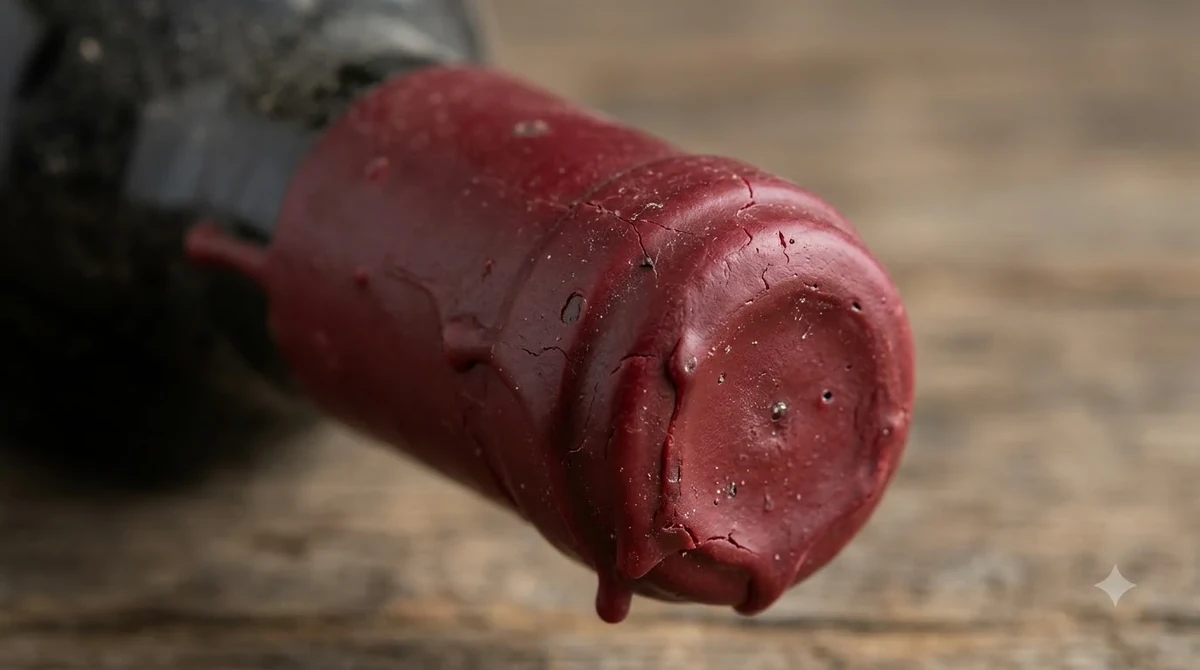
In Tuscany, the rules are specific to each appellation. Under Chianti Classico rules, Annata wines are aged 12 months before release, Riserva must age at least 24 months, and Gran Selezione needs a minimum of 30 months. Brunello di Montalcino has the strictest timeline. It must be 100 percent Sangiovese and aged at least five years after the harvest year before release, with Riserva held for six years. Both categories must spend at least two years in oak. Wine Enthusiast notes that most cellar-worthy Sangiovese is ready five to 10 years after release, though the best bottles keep evolving for decades.
Rioja uses a standardized system that is one of the most detailed aging frameworks in wine. Its rules set minimum times in barrel and in bottle for each red tier, as the table below shows. The Wine Scholar Guild lists these minimums for red wines.
| Rioja red tier | Time in barrel | Time in bottle | Total before release |
|---|---|---|---|
| Genérico | No minimum | No minimum | No minimum |
| Crianza | 12 months | No minimum | 24 months |
| Reserva | 12 months | 6 months | 36 months |
| Gran Reserva | 24 months | 24 months | 60 months |
Those minimums explain why Rioja Reserva and Gran Reserva are so age-worthy. Wine Folly reports that a top Rioja can evolve into a polished red by about 10 years, and that at 20 years well-made examples develop softer tannins and aromas of dried fruit, nuts and spice. Tempranillo can age for two decades or more when it is well made, so the cellar question matters as much as the label. For a broader view of the grape’s aging curve, Wine Folly’s Tempranillo guide covers the regional examples in detail.
Serving Temperature and Decanting
Both reds are best served slightly cool rather than warm, but their decanting advice differs. Tempranillo often benefits from a little air, while aged Sangiovese is better opened gently.
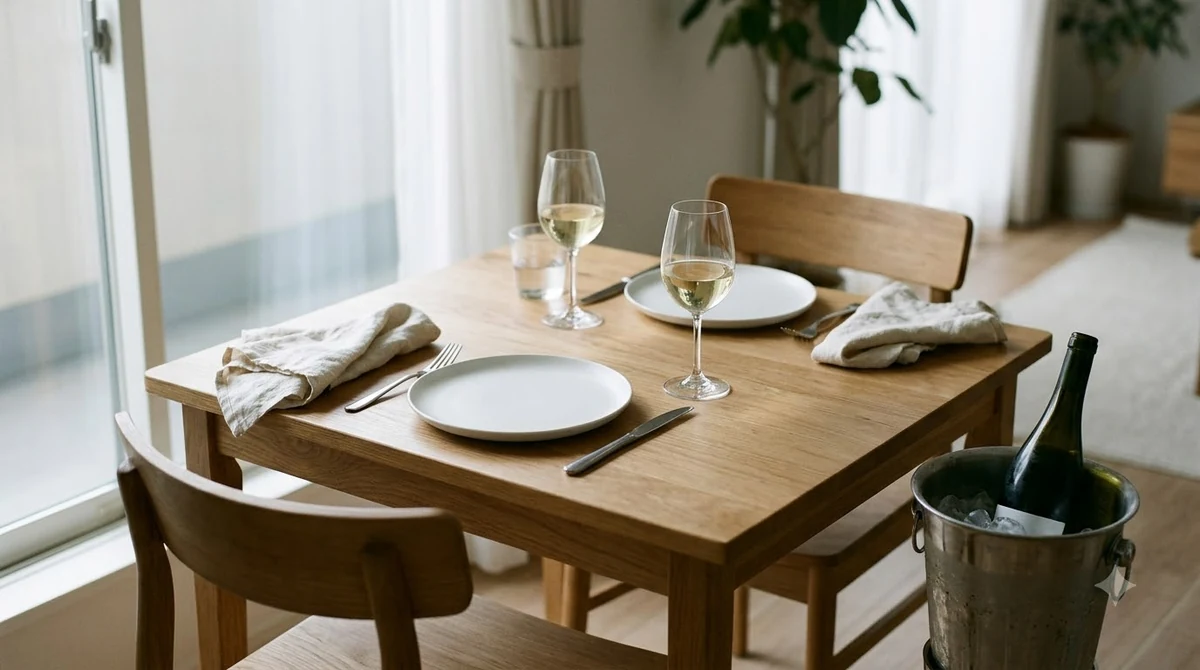
Wine Folly suggests serving Tempranillo between 60 and 68 F, which puts it in the full-red range and keeps its savory notes in balance. For Sangiovese, 60 to 65 F works well for fuller styles. Lighter, fresher bottles such as young Chianti do better at the cooler end, around 55 to 60 F, which keeps the bright cherry and acidity lively. A red served too warm lets alcohol show more prominently, while a slightly cool serving keeps the structure in focus.
Decanting is where the two grapes split. Wine Folly recommends decanting Tempranillo for about an hour, which helps young, structured bottles open up. Wine Enthusiast’s Sangiovese guide takes the opposite approach for aged examples. It advises opening the bottle a few hours before serving rather than decanting it, and it compares decanting an old Sangiovese to opening a novel at page 50, since you lose the introduction and never get the plot.
Storage follows similar logic for both. Keep bottles on their side in a cool space near 55 F. Once opened, still reds generally keep for three to five days in the refrigerator, which gives you a few nights to finish a bottle without losing much of its character.
Food Pairings That Work for Each Grape
Pairing comes down to matching acid with acid and tannin with fat and protein. Sangiovese’s high acidity handles tomato-based dishes, while Tempranillo’s medium-high tannin stands up well to grilled and roasted meats.
Sangiovese is the classic partner for tomato. Acidic food needs a wine with equal or higher acidity, and Sangiovese has the acid to match a tomato sauce without tasting thin or sharp. Wine Enthusiast describes the grape’s bright, tangy acidity as what makes it incredibly food friendly. That is why Chianti works with pasta al pomodoro and rustic Tuscan dishes built on tomato, beans and herbs. Its acid also helps it cut through richer foods such as cheese and fatty meats, which makes it a versatile dinner wine.
Tempranillo suits savory, grilled and roasted dishes. Wine Folly suggests aged Tempranillo with steak, gourmet burgers and rack of lamb, while fresher styles match baked pasta and tomato-based dishes. Salt and fat soften tannin, so a seared steak or a fatty lamb chop brings out the wine’s fruit. Oily fish, on the other hand, clashes with tannic reds, so save Tempranillo for meat and mushrooms rather than salmon.
Spice needs care with both. Chili heat is amplified by alcohol and tannin, so a spicy dish can feel harsher with a full-bodied Tempranillo. A fresher pour or an acid-driven Sangiovese usually handles heat more comfortably. Match the sauce as well as the protein: a tomato braise points toward Sangiovese, while a char-grilled steak with herbs points toward Tempranillo.
Choosing Between Sangiovese and Tempranillo at Dinner
Choose Sangiovese when you want an acid-driven food wine that works with tomato, herbs and Italian-style meals. Choose Tempranillo when you want a savory, medium-full red for grilled meat or a bottle you can cellar for years.
For a weeknight Italian dinner, a young Chianti is an easy, food-friendly choice, since Wine Enthusiast describes Sangiovese made for early drinking as fresh and juicy, with bright acidity. For a special occasion with roast lamb or a seared steak, a Tempranillo-based wine offers a fuller, more savory profile. If you plan to cellar a bottle for years, the decision depends on the appellation: a Brunello di Montalcino or a Chianti Classico Riserva for Sangiovese, and a Rioja Reserva or Gran Reserva for Tempranillo. Check the aging word on the label, because in both Tuscany and Rioja those categories carry set minimum timelines.
Start by thinking about the meal and the timeline rather than the grape alone. If you want a broader look at how these reds sit alongside other varieties, the Wine vs Wine guide offers a useful framework. Both grapes reward a little curiosity, and once you know their structure, you can spot the difference in almost any glass.
Frequently Asked Questions
These answers cover details that did not fit earlier in the article.
Is Tempranillo known by another name in Portugal?
Yes. Tempranillo is called Tinta Roriz in Portugal, where Wine Folly notes it is one of the major blending grapes used in Port. Recognizing that name can help when you shop across both countries.
Is Morellino the same grape as Sangiovese?
Yes. In the Maremma area of southern Tuscany, Sangiovese goes by Morellino, which is the name used in Morellino di Scansano. Those wines can be released six months after harvest, while Riserva versions must age at least two years.
Does Rioja use only Tempranillo?
Rarely. The Wine Scholar Guild says Tempranillo is seldom used alone in Rioja, and common partners include Garnacha for fruit and alcohol, Graciano for acidity, and Mazuelo or Cariñena for color and structure. The region also authorizes only 225-liter barriques for aging.
Why does climate matter so much for Tempranillo?
Cooler nighttime temperatures help preserve acidity during ripening, which keeps the wine fresh. Clay-based soils tend to raise tannin and color. Because the grape is thin-skinned and sensitive, it benefits from shelter from windy sites.
Can Sangiovese make anything besides red wine?
Yes. Wine Enthusiast notes that Sangiovese can produce savory rosatos and crisp sparkling wines in addition to its better-known reds. Those styles show a lighter side of the grape that many drinkers never see.
Sangiovese and Tempranillo are both excellent food wines, but they ask for different things from the table. Sangiovese rewards bright acid and tomato-driven meals, while Tempranillo rewards savory dishes and patient cellaring. Match the grape to the plate and the timeline, and either one will do its job well.
More in Wine vs Wine
 Chenin Blanc vs Pinot Gris: Acidity, Body, and Pairing DifferencesUpdated Nov 20, 2026
 Chianti vs Lambrusco: How Tuscany and Emilia-Romagna Reds CompareUpdated Nov 20, 2026
 Chianti vs Primitivo: Key Differences in Taste, Body, and PairingUpdated Nov 20, 2026
 Chianti vs Rioja: Key Differences in Taste, Aging, and PairingUpdated Nov 20, 2026
 Chianti vs Shiraz: How Acidity, Body, and Food Pairings CompareUpdated Nov 20, 2026
 Chianti vs Syrah: Key Differences in Taste, Body, and Food PairingUpdated Nov 20, 2026