

We may earn a commission when you buy through links on this page, at no extra cost to you. Learn more.
The best priorat food pairing is grilled or slow-cooked meat, especially lamb, beef, duck, and pork, because the wine’s ripe fruit, firm tannins, and savory depth suit rich, flavorful dishes. Priorat reds are usually built around Grenache and Carignan, with a concentrated profile that can stand up to browned edges, herbs, and long-cooked sauces. The right match depends on the wine’s weight: a younger, fresher bottle can work with roast vegetables or chicken, while a powerful, oak-aged red needs food with more richness and substance.
Priorat comes from Catalonia in northeastern Spain, where vines grow on steep slopes and dark slate known locally as llicorella. That landscape helps explain why the region’s best-known reds have such presence at the table. Use the pairings below to choose a main course, build a tapas spread, or find a bottle-friendly alternative when lamb and beef are not on the menu.
The Flavor Profile Behind Priorat’s Best Pairings
Priorat reds generally favor dishes with deep flavor, some fat, and enough texture to meet the wine’s tannin. Grenache contributes ripe cherry and dark berry character, while Carignan can add firmer structure, acidity, dark fruit, and savory spice.
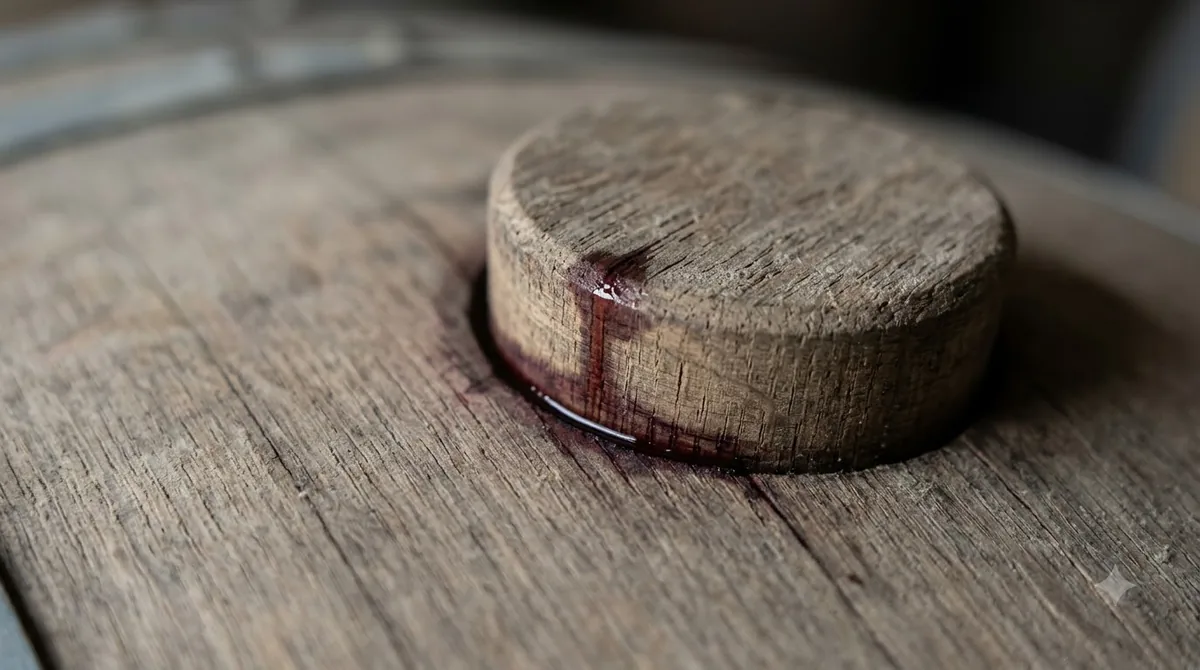
The region’s official wine council identifies Grenache and Carignan as its recommended red grapes. Its vineyard information describes slopes commonly steeper than 15%, with some sites reaching 60%, and average yields below 1 kilogram of grapes per vine. Those conditions help explain the concentration found in many bottlings, although not every Priorat wine is equally powerful. For the grape varieties and their local names, see the DOQ Priorat varietal overview.
Wine Enthusiast describes the region’s reds in terms of dark fruit, black pepper, herbs, firm tannins, and a long finish. That mix is a useful guide to food: grilled meat echoes the wine’s smoky and herbal notes, while fat softens tannin. A dish with sweetness from roasted onions, carrots, or fruit can connect with ripe fruit in the glass, provided the sauce is not sweeter than the wine. Look at the bottle’s style before settling on a recipe: a youthful Grenache-led blend may feel open and fruit-driven, while a Carignan-heavy or oak-aged wine can feel firmer. A mature bottle may show softer fruit and earthy, dried-herb character, making it suitable for braises without requiring the heaviest cut of meat.
Grilled Meat, Lamb, and Rich Cuts
Grilled lamb is one of the most dependable matches for Priorat red, with beef short ribs, steak, and pork shoulder close behind. The char, browned fat, and savory seasoning give the wine enough flavor to meet its concentration and enough fat to soften its tannins.
For lamb, choose chops, a butterflied leg, or a slow-roasted shoulder. Rosemary, thyme, garlic, black pepper, and olive oil echo the herbal notes in Grenache-Carignan blends. Keep chili moderate because heat can make alcohol and tannin seem stronger; a small squeeze of lemon is fine, but avoid a sharply acidic sauce.
Beef also works well: grilled ribeye, hanger steak, short ribs, and beef cheeks have enough flavor for a full Priorat. Use a salt-and-herb crust on steak instead of a sweet glaze, or serve short ribs with a stock-based sauce, onion, and aromatics.
Pork shoulder or ribs seasoned with paprika, fennel seed, and garlic are also good partners. Fat helps round out firm tannins, while browned edges echo the wine’s spice; choose a savory rub over sticky barbecue sauce that is much sweeter than the wine. Cooking method matters too: seared steak suits a fresher, younger Priorat, while braised lamb shoulder suits a more concentrated, oak-aged bottle. Put the richest dish beside the fullest wine and reserve leaner cuts for a lighter red.
Slow-Cooked Catalan Dishes and Game
Traditional Catalan stews are natural companions for Priorat because they combine slow-cooked meat, aromatics, and sauces with enough depth to meet the wine. Rabbit, duck, sausage, and game can all work, especially when the preparation includes garlic, mushrooms, lentils, or browned vegetables.
Try conill amb all i oli, rabbit with garlic and an oil-based sauce, beside a fruit-forward Grenache-led Priorat with supple tannins. Rabbit is leaner than lamb, so avoid an excessively extracted or oak-dominated red; add a substantial vegetable side.
Duck is especially good with Carignan. Decanter’s sommelier feature on the grape recommends mature Carignan with confit duck leg and garlicky lentils, and suggests younger examples with hearty saucisson or tortilla. The wine’s dark-berry fruit, savory character, acidity, and firm tannins provide several points of connection with duck skin, lentils, and cured pork. Read Decanter’s Carignan pairing recommendations for the sommelier’s specific examples.
Roast venison, wild boar stew, and duck with lentils have enough flavor for a structured red. Build a braising sauce with stock, onion, carrot, celery, bay leaf, and thyme, and reduce any wine added to the pot until the sauce tastes savory rather than alcoholic or sweet. A practical alternative to a roast is Catalan-style sausage with white beans: the beans soften tannin, while sausage contributes salt and fat. Add garlic, herbs, and greens for an easy weeknight match.
Vegetables, Mushrooms, Cheese, and Charcuterie
Priorat can pair with vegetables when they are grilled, roasted, or cooked with enough oil and savory seasoning to provide depth. Mushrooms, eggplant, peppers, onions, aged cheese, and cured meats are especially useful choices for a shared table.
Start with escalivada, a Catalan preparation of charred eggplant, red pepper, and often onion. The vegetables’ smoky sweetness connects with the wine’s ripe fruit and savory notes, while olive oil adds body to the dish. Choose a younger Grenache-led bottle rather than the most muscular Carignan-based red, and serve the vegetables at room temperature or slightly warm with toasted bread.
Mushrooms make an especially good bridge between the wine and a meat-free plate. Roast cremini or portobello mushrooms until their moisture cooks away and their edges brown; add thyme, garlic, and a little olive oil. Wild mushrooms can bring a more earthy flavor, while a mushroom tart, cannelloni, or risotto adds the creamy texture that can soften tannin. A Priorat producer’s tasting and pairing notes also point to mushroom cannelloni and creamy risotto as options for a slate-influenced red. For a vegetarian main course, combine roasted eggplant and mushrooms with tomato, herbs, olive oil, and aged cheese, or serve lentils with mushrooms and smoked paprika.
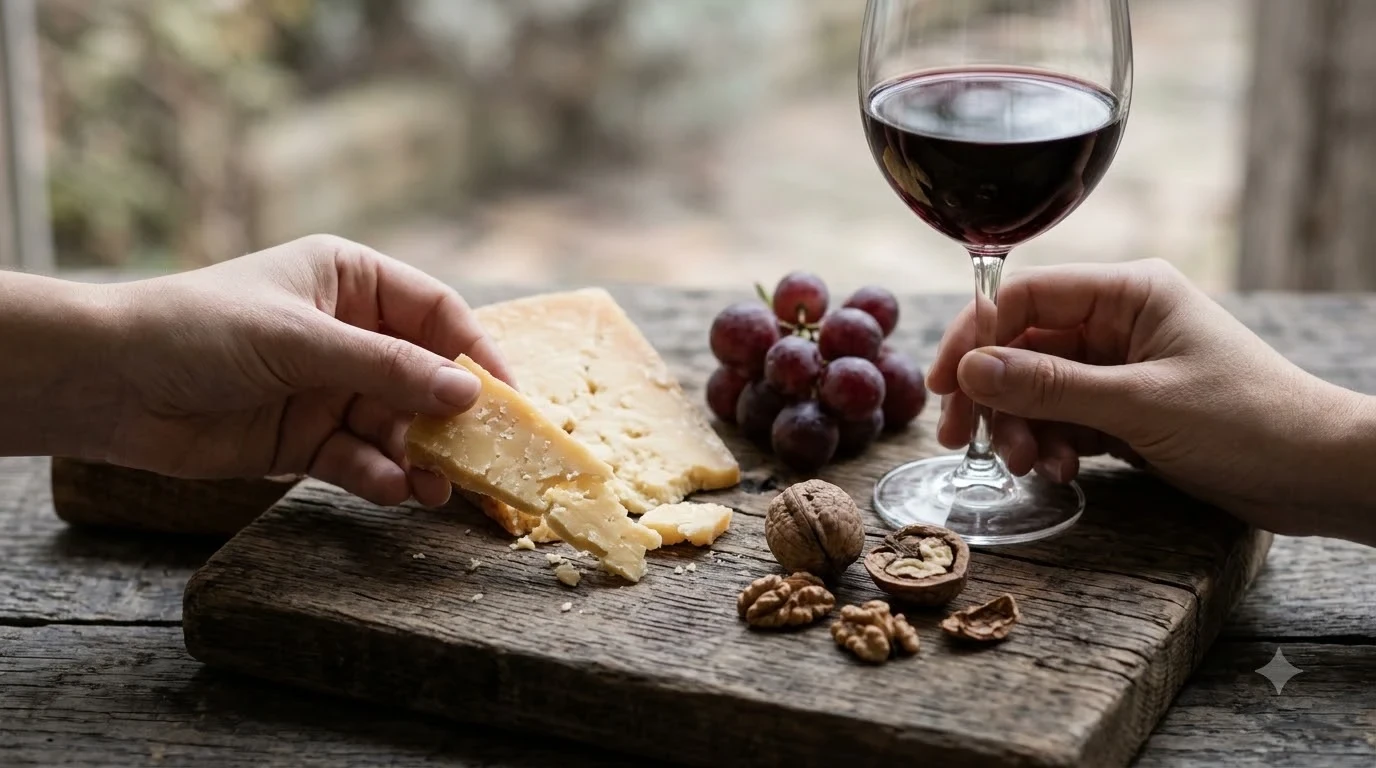
On a cheese and charcuterie board, choose aged sheep’s-milk cheese, firm goat cheese, or a savory Spanish cheese alongside cured sausage, jamón, pâté, olives, toasted almonds, and rustic bread. Salt and fat soften tannin, while very fresh, mild cheeses can disappear beside a powerful red. Keep sweet chutneys modest: if an accompaniment is sweeter than the wine, the wine may taste sharper or more bitter.
Seafood, Rice, and White Priorat
Most people reach for a red Priorat first, but the region also produces white wines from varieties such as White Grenache, Macabeu, and other permitted grapes. A fresh white or rosé is the better direction for delicate seafood, while a red should be reserved for fish preparations with enough richness or savory intensity to stand up to tannin.
With a white Priorat, consider grilled prawns, shellfish rice, fish stew, or roast chicken with herbs. White Grenache and Macabeu can offer texture as well as freshness. For a lighter, crisp Spanish white, an albarino food pairing offers another seafood-friendly model.
Fideuà, a Catalan noodle dish often made with seafood, can work with a textured white Priorat or dry rosé. Toasted noodles and savory broth need more body than raw shellfish, while saffron rice calls for freshness that will not bury its briny flavors.
Red Priorat is difficult with delicate fish: tannin can make fish taste metallic or dry, while the fish can make the wine seem harsher. Even oily salmon, tuna, or mackerel is usually safer with white or rosé; grilled tuna with a smoky crust may suit a softer, fruit-led red. Tomato-rich seafood stew is a special case: a lively white Priorat or rosé can match its savory intensity. Save red for a seafood preparation with a substantial meat component, and choose a lighter, lower-tannin style.
Matching Intensity, Temperature, and Serving Style
The easiest way to improve a Priorat pairing is to match intensity on both sides of the table. A powerful, high-tannin red needs rich food, while a fresher, lighter bottle can handle chicken, vegetables, or a less elaborate meal.
Use these practical matches as a starting point rather than a rigid formula. The table connects common dishes with the wine styles and serving choices that are most likely to work.
| Dish | Best Priorat style | Serving guidance |
|---|---|---|
| Grilled lamb chops | Full-bodied Grenache-Carignan red | 60–65°F; about 5 oz per pour |
| Beef short ribs | Structured, oak-aged red | 60–65°F; open 30–60 minutes ahead if young |
| Roast chicken with herbs | Younger, fresher Grenache-led red | 55–60°F; about 5 oz per pour |
| Escalivada and mushrooms | Medium-bodied red or dry rosé | 55–60°F for light red; 45–50°F for rosé |
| Seafood rice | White Priorat or dry rosé | 45–50°F for a light white; 50–55°F for a fuller white |
For a full-bodied red, aim for 60–65°F rather than a warm room temperature. Lighter reds are better at 55–60°F. If the bottle feels warm, a brief chill can make the alcohol less prominent and the fruit seem fresher; if it is too cold, the tannins and structure may feel more severe. A fuller white should be served around 50–55°F, while a lighter white or rosé is usually best at 45–50°F.
Young, full-bodied reds can benefit from 30–60 minutes in a decanter. This gives the wine some air and can help its fruit and savory aromas open up before the meal. Older bottles are more delicate, so handle them gently and avoid leaving them in a decanter for hours without reason. If you are pouring from a 750 ml bottle, plan on about five standard 5 oz glasses; that makes it easier to pace a dinner with several dishes or guests.
Tip: Build the plate around fat, salt, and browned flavor rather than adding more chili or sweetness. A salty lamb chop with rosemary, a spoonful of white beans, and grilled mushrooms is more likely to balance a powerful Priorat than a very spicy or sticky-sweet sauce.
Acidity, heat, and bottle age also matter. Sharp lemon dressing, strong vinegar, and heavily pickled vegetables can make red wine seem flat, so keep them to a side portion or choose a high-acid white such as Riesling or Sauvignon Blanc; the site’s Wine Pairing basics explain how acidity, tannin, salt, and fat affect a match. Chili can amplify alcohol and tannin, so use smoked paprika, black pepper, rosemary, cumin, and garlic for warmth, or choose a lower-tannin wine for fiery food. A young Priorat suits rich lamb or beef, while a mature bottle may work with duck, mushrooms, or aged cheese. For comparison, Amarone food pairing also favors rich dishes, while Barbera food pairing often leans on brighter acidity and tomato-friendly flexibility.
Frequently Asked Questions
These quick answers cover a few useful details beyond the main pairings, including Priorat’s designation, local terminology, and how to think about the region’s different wine colors and styles.
Is Priorat a grape or a wine region?
Priorat is a wine region and protected appellation in Catalonia, Spain, not a grape variety. Its full designation is DOQ Priorat, and it is one of Spain’s top-level quality appellations alongside Rioja. The name comes from the prior of the historical Carthusian monastery of Scala Dei, which governed seven villages.
How high are Priorat’s vineyards?
The regional tourism authority gives a range of 200 to 750 meters above sea level. Lower and higher sites can ripen at different points in the season, which contributes to variation between villages and individual wines. Some of the oldest vineyard slopes are especially steep.
What is the difference between DOQ Priorat and DO Montsant?
They are neighboring but separate wine appellations in Tarragona, and a wine labeled Priorat must come from the DOQ Priorat production area. DO Montsant surrounds much of Priorat and also grows Grenache and Carignan, but its wines carry a different appellation name. Check the designation on the front or back label when you want wine from the specific Priorat zone.
Are white Priorat wines common?
No. Wine Enthusiast reports that white grapes account for just 7% of Priorat plantings. These whites are noted for minerality, crisp acidity, and floral notes, so they offer a less common but useful alternative to the region’s better-known reds.
How did Priorat get its name?
The name is linked to the prior of the Carthusian monastery of Scala Dei, founded in the late 12th century. The monastery’s prior governed seven villages, and the name of the office came to identify the surrounding territory. The monks also helped establish viticulture on the area’s steep slopes.
For the most reliable priorat food pairing, start with the wine’s weight and choose food with comparable depth: grilled lamb, beef, duck, mushrooms, or aged cheese are strong first choices. Keep the temperature cool enough to preserve freshness, moderate intense chili and sweetness, and let a lighter bottle take the lead with chicken, vegetables, or seafood.
More in Food & Wine Pairing
 Risotto With White Wine Recipe: Make a Creamy Dinner at HomeUpdated Nov 20, 2026
 Wassail With Wine Recipe for a Festive Spiced Holiday DrinkUpdated Nov 20, 2026
 Spritz Veneziano Recipe: Make a Classic Venetian Aperitivo at HomeUpdated Nov 20, 2026
 Summer Wine Punch Recipe for Easy Homemade EntertainingUpdated Nov 20, 2026
 Bishop Recipe: How to Make a Bright, Citrus-Forward Red Wine CocktailUpdated Nov 20, 2026
 Wine Cupcakes Recipe: Bake Rich Chocolate Cupcakes at HomeUpdated Nov 20, 2026