

We may earn a commission when you buy through links on this page, at no extra cost to you. Learn more.
Priorat wine is a powerful, concentrated red from a small, steep corner of Catalonia in northeastern Spain. The wines are built mainly on Garnacha (Grenache) and Cariñena (Carignan), grown on rocky, slate-like soils that give the bottles a distinct mineral edge. Expect dark fruit, savory herbs, firm structure, and a style that often rewards a few years in the cellar.
If you have seen Priorat on a restaurant list or a shop shelf and wondered what sets it apart from other Spanish reds, this guide covers the region, the grapes, the flavor profile, how to serve the wine, and what to eat with it. The goal is to help you choose a bottle with confidence, without needing to memorize Spanish appellation rules.
Where Priorat sits on the wine map
Priorat is a Denominación de Origen Calificada (DOQ), the highest quality tier in Spain’s appellation system, and it sits inland in the province of Tarragona in Catalonia. The landscape is rugged and mountainous, with vineyards climbing terraced slopes that are often hard to work by hand. Low yields and steep ground are a big part of why the wines are so concentrated.
Because the region is small, the wine culture is tightly connected. Many producers are family estates, and a number of them have built reputations on single-vineyard bottlings that express a specific plot. That small-scale character is one reason Priorat has drawn so much attention from collectors and sommeliers over the past few decades.
The grapes behind the bottle
Garnacha is the signature grape of most Priorat reds. Its roots are in northeastern Spain, and the variety later found strong champions in France’s Southern Rhône. In a Priorat red it contributes ripe fruit and a generous, warm character. According to Wine Folly’s Grenache guide, the variety often shows stewed strawberry, grilled plum, leather, dried herbs, and blood orange notes, with medium tannins and medium acidity.
Cariñena, known internationally as Carignan, is the other important variety in many Priorat blends. Carignan is planted in both Spain and France, and it brings firmer structure and brighter acidity to balance the richness of Garnacha. Wine Folly describes Carignan as a medium-bodied red with medium-high acidity and a flavor profile of dried cranberry, raspberry, tobacco leaf, and baking spices.
Blends vary by producer. Some estates lean heavily on old Garnacha vines, while others combine it with Cariñena, Syrah, or Cabernet Sauvignon. Reading the back label or the producer’s technical sheet tells you which grapes are in the bottle, and that is the fastest way to predict the style.
Vine age also matters. Old vines usually produce fewer grapes with more concentration, and many producers reserve their oldest plots for top bottlings. A label that mentions old vines or a single vineyard often points to a richer, more structured wine, while a simpler bottle from younger vines tends to be fruitier and easier to drink early.
What Priorat wine tastes like
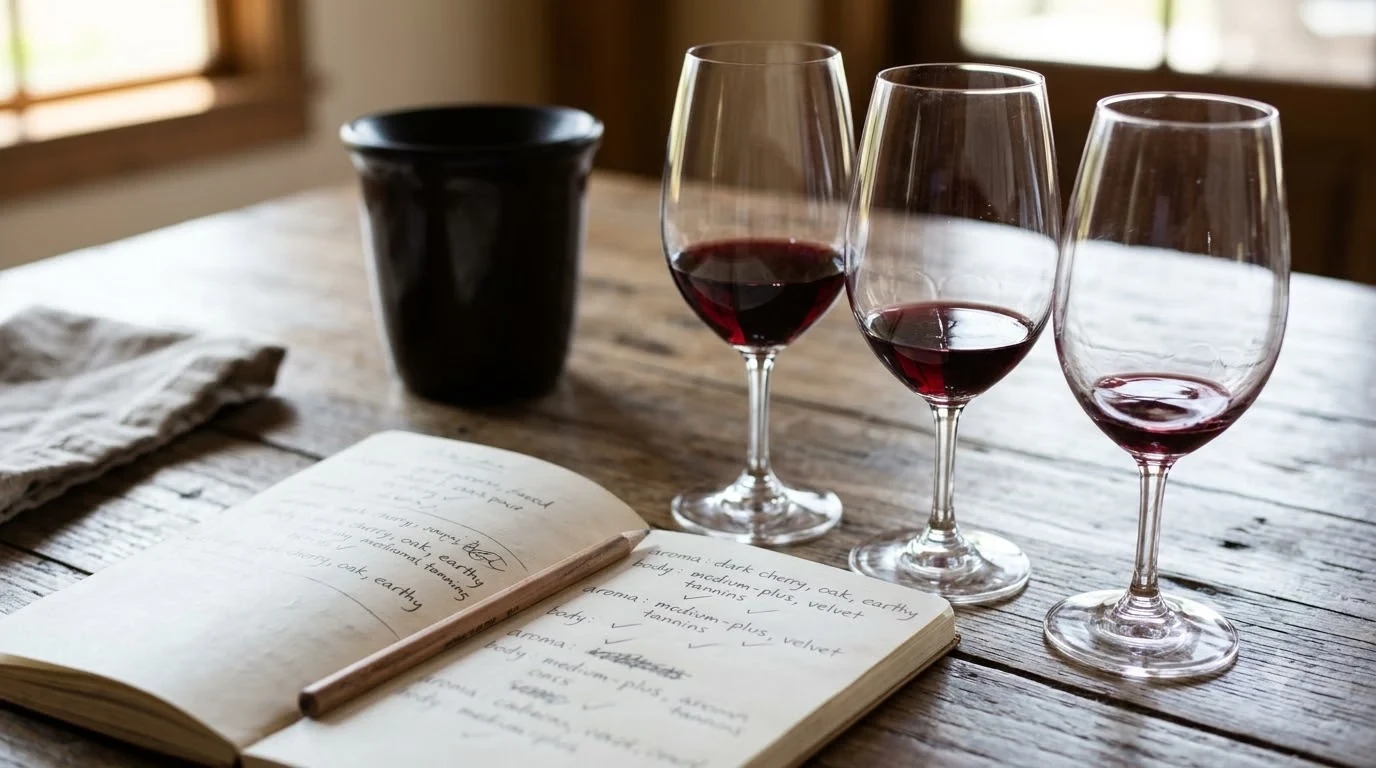
Most Priorat reds share a few traits: deep color, concentrated fruit, a savory or herbal undertone, and a noticeable structure of tannin and acidity. Younger wines can taste intense and a little closed, while older bottles soften and develop leather, dried herb, and earthy notes.
The table below sums up the main styles you are likely to see on shelves. Actual wines vary by producer, vintage, and whether the bottle has spent time in oak.
| Style | Typical aromas and flavors | Structure | Good with |
|---|---|---|---|
| Garnacha-led red | Stewed strawberry, grilled plum, dried herbs | Medium-full body, medium tannins | Roast meats and vegetables |
| Cariñena-forward red | Dried cranberry, raspberry, tobacco leaf | Medium body, medium-high acidity | Smoky meats and berry sauces |
| Aged reserve | Leather, dried herbs, savory and earthy notes | Softer tannins, deeper complexity | Hearty stews and game dishes |
Tip: If a young Priorat tastes tight, give it 30 minutes in a decanter before pouring. Aeration softens the grip of the tannins and lets the fruit open up.
How to serve Priorat wine
Priorat reds are happiest slightly cooler than the room. Wine Folly suggests serving Garnacha at about 60 to 68°F (15 to 20°C) in a wide, universal-style glass. A bottle that sits too close to a warm kitchen can taste heavy and alcoholic, since these wines commonly exceed 15% ABV.
Decanting is worth the effort for young, structured bottles. Wine Folly recommends about 30 minutes for Garnacha-based reds. Older bottles with sediment should be decanted carefully and poured soon after, because their delicate aromas fade quickly once opened.
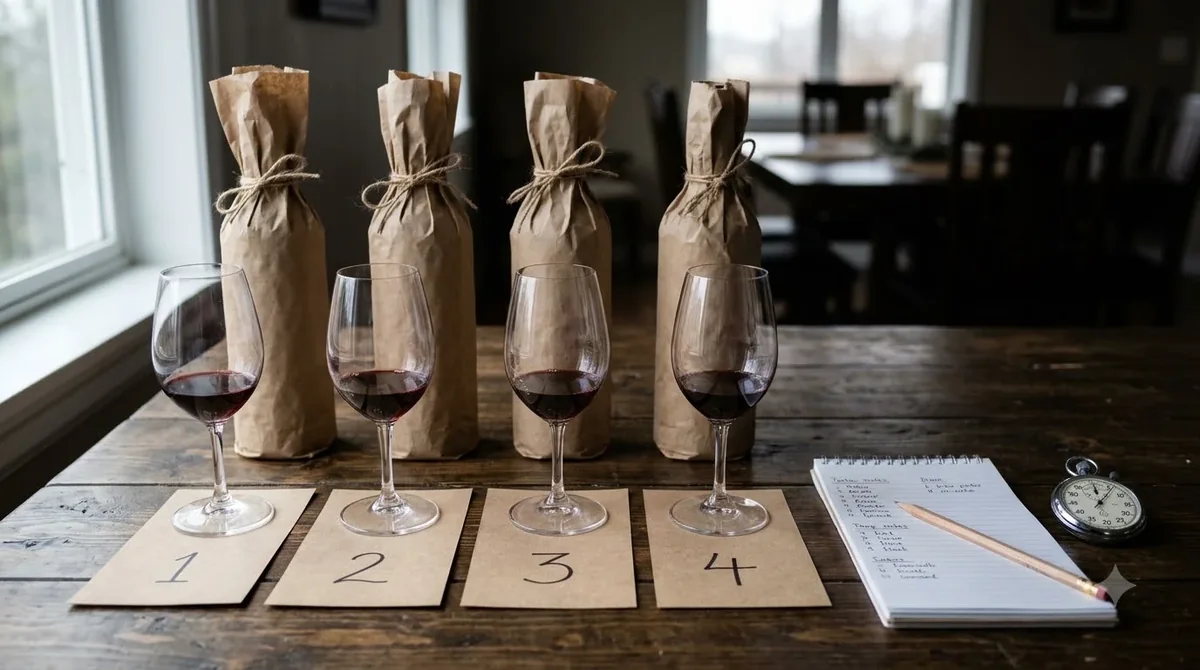
Pour a modest amount into each glass. A wide bowl gives the wine room to show its aromas, and it is easier to notice the difference between a young bottle and an aged one when you can swirl comfortably.
Food pairings that work with Priorat
Because Priorat reds have body, tannin, and bright fruit, they pair well with rich, savory food. Wine Folly points to roasted meats and vegetables seasoned with Asian five-spice or cumin as a strong match for Garnacha. The spices echo the wine’s warm fruit, and the tannins cut through fat.
Cariñena-leaning bottles suit smoky grilled meats, dishes with berry-based sauces, and cinnamon-spiced recipes. Tomato-rich braises and grilled lamb also fit well. Lighter fish or delicate seafood is usually a poor match, because the wine’s weight overwhelms it.
For a Spanish dinner, a platter of cured sausage, roasted peppers, and grilled vegetables is an easy way to show what Priorat does at the table without making the meal complicated.
How to choose and buy a Priorat bottle
Start with the producer. A reputable estate will list the grape blend, the vineyard site, and the aging regime on its website or technical sheet. Those details tell you more than the label design or the price on a shelf card. If you want to explore the region’s estates, our guide to Priorat wineries covers the main names and what sets them apart.
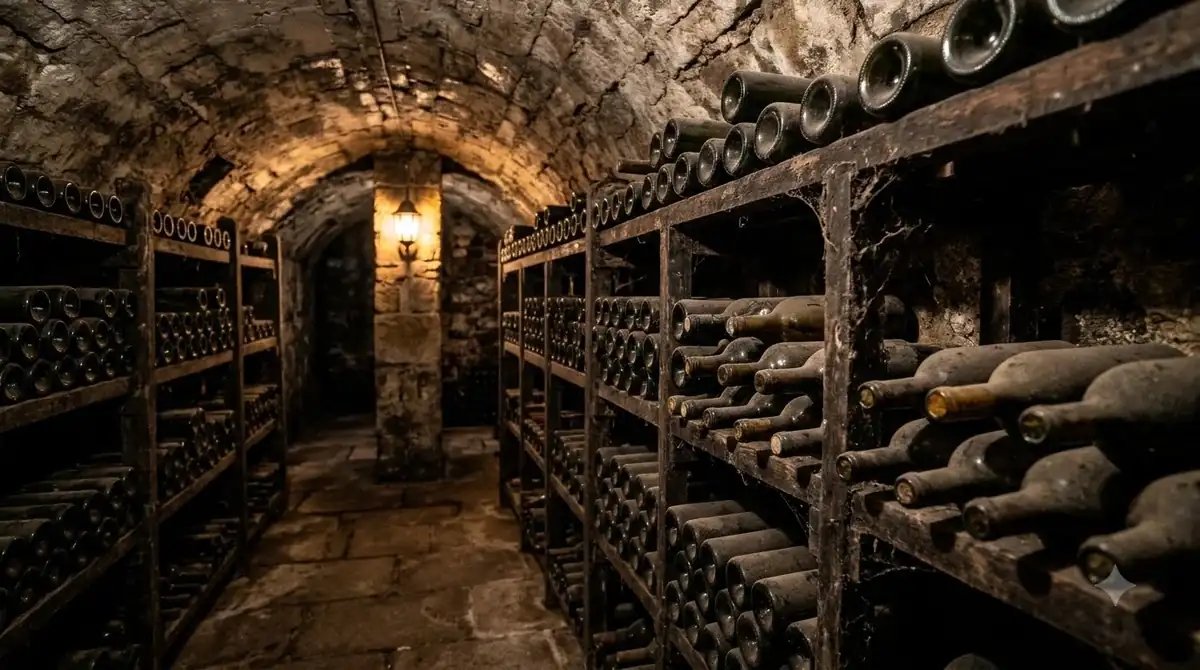
Next, check the vintage and your timing. Younger Priorat reds can drink well within a few years of release, while more structured bottles benefit from longer cellaring. Wine Folly notes that Garnacha-based reds can age for ten years or more, so a bottle you open early may simply need time.
Finally, match the style to your meal. If you want something to drink on its own, look for a softer, fruit-forward bottle. If you are planning a long roast or a slow braise, a more structured bottle will stand up to the food. For wider context on how Spanish reds fit into the global picture, the wine regions guide is a useful starting point.
Frequently Asked Questions
Is Priorat wine the same as Rioja?
No. Both are Spanish appellations, but they are in different regions and use different grape mixes. Rioja is centered in northern Spain and often leans on Tempranillo. Priorat is in Catalonia and is built largely on Garnacha and Cariñena, grown on steep, rocky slopes.
What does Priorat wine taste like?
Most Priorat reds are full-bodied, with concentrated dark fruit, savory herbal notes, and firm tannins. Younger bottles can taste intense, while older ones develop leather, dried herbs, and earthy flavors.
Should I decant Priorat wine?
For young, structured bottles, yes. About 30 minutes in a decanter softens the tannins and opens the aromas. Older bottles with sediment should be decanted carefully and served soon after opening.
What food goes best with Priorat wine?
Roasted meats, grilled vegetables, smoky grilled dishes, and cured sausages all work well. Spiced dishes and berry sauces also match the wine’s warm fruit and bright acidity.
Priorat rewards curiosity. Start with one Garnacha-led bottle and one Cariñena-forward bottle, taste them side by side with a simple dinner, and you will quickly see how the region’s rocky terroir shapes the glass. From there, the Priorat wineries guide can help you plan your next purchase or visit.
More in Wine Regions
 Willcox Wine Trail: Discover Arizona’s High-Elevation Wine CountryUpdated Nov 20, 2026
 Yakima Valley Wine Region: Find the Best Styles to TryUpdated Nov 20, 2026
 Vosne Romanee Wine Tasting: Identify Aromas and Choose Better PairingsUpdated Nov 20, 2026
 Yakima Valley Wine Festival: Find the Best Seasonal Wine EventsUpdated Nov 20, 2026
 Wales Vineyards: Discover Cool-Climate Wines and Where to VisitUpdated Nov 20, 2026
 Yountville Wine Festival: Discover Napa Wines and Local FoodUpdated Nov 20, 2026