

We may earn a commission when you buy through links on this page, at no extra cost to you. Learn more.
The best pinot grigio under 50 is a well-balanced bottle from Alto Adige, Friuli-Venezia Giulia, or a quality American Pinot Gris producer, offering fresh acidity, appealing fruit, and enough texture to suit both casual drinking and dinner. You do not need to spend the entire budget to find an excellent bottle. The most important differences are the growing region, production method, body, and intended drinking style. Comparing these characteristics makes it easier to find a wine that delivers genuine quality rather than paying extra for a familiar label.
Pinot Grigio has a reputation as an uncomplicated, refreshing white wine, but the grape offers considerably more variety than many shoppers expect. Some bottles are light and citrus-driven, while others have ripe orchard fruit, mineral character, or a rounded texture from lees aging. This guide explains how to compare the options, which regions deserve attention, and how to choose a bottle that suits your table without automatically spending your full budget.
Who Should Look for Pinot Grigio in This Price Category?
Shoppers looking for a more distinctive everyday white wine are the main audience for this category. Bottles in the upper part of the under-50 range can offer greater regional character and winemaking detail than inexpensive, mass-produced alternatives, although price alone does not guarantee better quality.
For someone who usually drinks inexpensive Italian Pinot Grigio, exploring Alto Adige or Friuli-Venezia Giulia can be an interesting next step. These northeastern Italian regions have established reputations for expressive examples with bright acidity, precise fruit flavors, and more substantial textures. Wine Enthusiast identifies both regions as important sources of higher-quality Pinot Grigio, particularly when producers emphasize hillside vineyards and careful winemaking.
American wine drinkers should also consider Oregon Pinot Gris. The name refers to the same grape, but the style can be fuller and more textured than the light Italian expression commonly found in supermarkets. California offers another direction, often with riper pear, melon, and orchard-fruit characteristics.
This category is especially useful for several types of buyers:
- Everyday white wine drinkers: People who want a fresh, versatile bottle for seafood, salads, chicken, and pasta.
- Italian wine enthusiasts: Shoppers interested in comparing Veneto, Alto Adige, and Friuli expressions of the same grape.
- Chardonnay drinkers: Those who enjoy some texture but want a less overtly oaked alternative.
- Food-focused shoppers: People who need a white wine that can work with several dishes during one meal.
- Curious wine collectors: Buyers who want to explore ramato, single-site expressions, or more structured Pinot Gris.
There is also a good reason to avoid treating every bottle labeled Pinot Grigio as interchangeable. A simple stainless-steel-fermented wine intended for immediate drinking serves a different purpose from a more concentrated wine that spends time on its lees. Understanding that distinction is more useful than choosing solely by label design or country of origin.
Shoppers who prefer noticeable residual sweetness should investigate sweet Pinot Grigio separately. Most traditional Italian examples are dry, and their freshness comes from acidity rather than sugar.
Key Factors to Compare Before Buying
The strongest buying decisions start with five characteristics: origin, acidity, body, winemaking, and food compatibility. These factors explain why two Pinot Grigio bottles can taste substantially different despite sharing the same grape variety.
Region is a useful starting point. According to Wine Enthusiast, Alto Adige and Friuli-Venezia Giulia offer more distinctive expressions than many high-volume northeastern Italian bottlings. Veneto and the broader Delle Venezie area are also important sources, particularly for clean, refreshing wines designed for uncomplicated drinking.
Acidity is another important consideration. Pinot Grigio generally offers refreshing acidity, often accompanied by lemon, lime, green apple, pear, and white-flower aromas. A wine with lively acidity works particularly well with seafood and dishes containing lemon or vinaigrette. A fuller example may be more comfortable alongside creamy pasta, roasted chicken, and richer fish dishes.
Body determines how substantial the wine feels. Light-bodied Pinot Grigio is usually straightforward, crisp, and easy to serve as an aperitif. Medium-bodied examples can offer additional weight, ripe fruit, and a longer finish. Pinot Gris from Alsace or Oregon may be considerably fuller, depending on ripeness and production choices.
Winemaking can change the experience as well. Stainless-steel fermentation typically preserves clean fruit and fresh aromas. Lees aging can contribute a broader texture and additional complexity. Skin contact produces another interesting possibility: ramato, a copper-colored style traditionally associated with Friuli.
| Factor | What to Look For | Expected Experience |
|---|---|---|
| Origin | Alto Adige | Mineral character, apple, pear, freshness |
| Origin | Friuli-Venezia Giulia | Fruit intensity, texture, regional character |
| Origin | Veneto | Light, approachable, citrus-driven wine |
| Origin | Oregon | Riper orchard fruit and fuller Pinot Gris styles |
| Acidity | Fresh, lively acidity | Refreshing finish and food compatibility |
| Body | Light to medium | Easy drinking or more substantial dining wine |
| Fermentation | Stainless steel | Clean fruit and fresh aromatic character |
| Aging | Lees aging | More texture and palate weight |
| Skin contact | Ramato production | Copper color, additional texture, gentle tannin |
Alcohol level is another useful comparison. A wine with higher alcohol can feel fuller and warmer, while a lighter example may seem more refreshing. Neither is automatically superior. Consider the occasion and the food rather than assuming that a higher number indicates greater quality.
Finally, examine the producer’s approach. Technical descriptions mentioning gentle pressing, temperature-controlled fermentation, and extended lees contact can help explain the intended style. For example, Primosic describes its Collio Pinot Grigio as undergoing soft pressing, short cold maceration, and fermentation at a controlled temperature in stainless-steel vats. Its official Collio Pinot Grigio description also identifies the wine’s medium acidity, elegant body, and recommended seafood pairings.
For more general buying advice, the wine-buying guide provides a useful framework for evaluating labels, wine styles, and purchasing decisions.
Step-by-Step: How to Choose the Right Bottle
A practical selection process prevents shoppers from paying for characteristics they do not actually want. Start with the intended occasion, narrow the regional style, and then compare production details and food compatibility.
-
Decide how you intend to serve the wine.
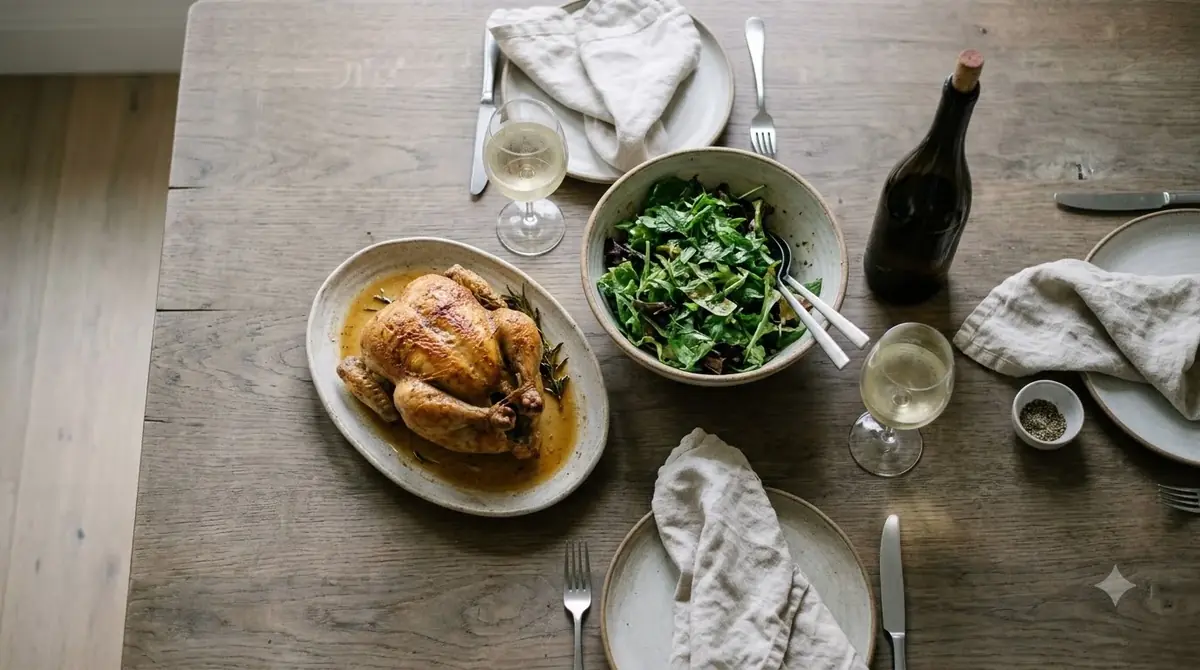
For an aperitif or casual gathering, choose a light, crisp Italian Pinot Grigio. For a dinner featuring seafood risotto or roasted chicken, consider a medium-bodied Alto Adige or Friuli example. A fuller Oregon Pinot Gris can also be suitable when the food has more richness.
-
Choose your preferred regional expression.
Alto Adige is a useful starting point for mineral-driven freshness. Friuli is worth exploring for greater texture and aromatic detail. Veneto is appropriate for a lighter, straightforward style, while Oregon provides an American interpretation with potentially more body.
-
Decide between Grigio and Gris labeling.
Pinot Grigio generally signals the familiar Italian approach, while Pinot Gris often indicates a riper or fuller expression. This is a stylistic tendency rather than a strict rule, so evaluate the producer and region together.
-
Look for production information.
Stainless-steel fermentation usually indicates an emphasis on freshness. Lees aging can suggest greater texture. Skin contact may indicate ramato production, which gives the wine a copper-colored appearance and additional aromatic complexity.
-
Match the wine to your food.
Choose a bright, acidic bottle for oysters, shrimp, grilled white fish, or lemon-dressed salads. Select a fuller example for creamy pasta, chicken, and dishes with roasted vegetables. The wine should complement the food rather than overwhelm it.
-
Compare producers rather than relying on familiar labels.
Look for meaningful regional information, clear descriptions of production, and consistent wine quality. A smaller producer from Collio may offer more individuality than a widely distributed bottle with a recognizable label.
-
Consider the drinking window.
Most fresh, stainless-steel-fermented Pinot Grigio is intended for relatively early enjoyment. More concentrated wines may retain their character longer, but ordinary everyday bottlings are best purchased for current drinking rather than long-term cellaring.
-
Make the final selection based on your preferred style.
If freshness is your priority, choose a crisp Italian example. If texture and ripe fruit matter more, explore Pinot Gris from Oregon or a more structured Friuli bottling. The right bottle is the one that meets your expectations and suits the occasion.
This process also helps avoid a common purchasing mistake: assuming that the most expensive bottle in a category is automatically the most enjoyable. A light, uncomplicated wine may be exactly right for a summer lunch, while a more elaborate expression may be better suited to a carefully prepared dinner.
Tip: If you are comparing several bottles, open them at similar temperatures and use the same type of glass. Begin with the lightest wine, then move toward fuller examples. This makes differences in acidity, fruit intensity, and texture easier to recognize.
Types and Regional Styles Explained
Pinot Grigio is not one fixed flavor profile. Its expression changes with climate, vineyard location, harvest decisions, and winemaking, making regional knowledge one of the most useful tools for choosing a bottle.
Alto Adige: Alpine Freshness and Mineral Character
Alto Adige, also known as Südtirol, is one of Italy’s most respected areas for quality Pinot Grigio. The region produces wines that can combine ripe apple and pear flavors with mineral notes and refreshing acidity. Some examples have considerable concentration without losing their freshness.
According to the Alto Adige wine association, Pinot Grigio covers approximately 715 hectares, representing 12% of the region’s vineyard area. Its preferred growing locations include alluvial and gravel soils in warmer southern areas, at elevations reaching approximately 500 meters.
This region is a strong choice for people who want a more detailed interpretation of the grape without moving toward an overtly sweet or heavily oaked style. Seafood, grilled fish, and Italian dishes are natural companions.
The Alto Adige wine association’s regional Pinot Grigio profile provides further details about its growing area, aromatic range, serving temperature, and food matches.
Friuli-Venezia Giulia: Texture and Distinctive Character
Friuli-Venezia Giulia is particularly interesting for buyers who want something beyond straightforward citrus and green apple flavors. Collio and Friuli Colli Orientali are recognized areas where hillside vineyards and local growing conditions contribute to more expressive wines.
Collio is particularly associated with the ponca soils of marl and sandstone. Primosic explains that these conditions help produce Pinot Grigio with elegance and mineral character. Its wine has straw-yellow color with coppery shades, medium acidity, and an aromatic profile that includes apricot skin.
Ramato is another reason to explore this region. The traditional skin-contact technique gives the wine a pinkish or copper hue. Skin contact adds aromatic complexity and texture, distinguishing these bottles from conventional white Pinot Grigio.
These wines can be particularly interesting with fish salads, spaghetti with clams, delicate white fish, and seafood starters.
Veneto: The Familiar Refreshing Style
Veneto is one of the most recognizable sources of Italian Pinot Grigio. Many examples are light-bodied and straightforward, with lemon, lime, green apple, and subtle floral notes. Their appeal is their simplicity and versatility.
Wines from the broader Delle Venezie area are useful choices for people who enjoy refreshing white wine without needing substantial body or extended flavor development. They are generally intended for relatively early drinking and work well as aperitifs or with uncomplicated meals.
Not every bottle from this region is identical, however. Producer decisions and vineyard conditions can create differences in concentration and finish. A carefully made Veneto wine can be a more satisfying purchase than a more expensive bottle that lacks balance.
Oregon and California: American Interpretations
American producers use both Pinot Grigio and Pinot Gris on their labels. Oregon Pinot Gris can be fuller and more textural, sometimes showing ripe pear, apple, floral notes, and spice. California examples frequently emphasize approachable fruit and a softer overall impression.
Oregon is especially interesting for drinkers who enjoy the grape but want an alternative to traditional Italian styles. The name Pinot Gris can signal the producer’s intention to make a richer interpretation, although individual wines vary.
California offers a broad range of expressions, from crisp coastal wines to fruit-forward examples. These can be suitable for casual dinners, outdoor meals, and gatherings where a familiar, approachable white wine is desirable.
Alsace: The Fuller Pinot Gris Alternative
Alsace in northeastern France produces Pinot Gris with a different emphasis. The warmer, sunnier growing conditions and harvest decisions can create wines with more body, ripe fruit, and greater aromatic richness than many northern Italian Pinot Grigios.
Depending on the producer and wine classification, Alsatian examples can range from dry to off-dry and sweet. They may show yellow apple, honey, ginger, spice, and floral characteristics. Buyers seeking a crisp, uncomplicated Italian-style wine should distinguish these fuller expressions from traditional dry Pinot Grigio.
These regional distinctions are useful because they turn a broad grape category into a set of recognizable styles. For a shopper who wants crispness, northern Italy is a sensible starting point. For greater body, Oregon and Alsace deserve attention. For unusual texture and color, Friuli’s ramato wines offer another direction.
Common Mistakes When Shopping for Pinot Grigio
Several purchasing assumptions can lead to disappointing bottles. The most important is treating Pinot Grigio as a uniform wine rather than a grape capable of producing very different expressions.
Assuming Every Bottle Is Light and Simple
Many supermarket Pinot Grigios are designed for immediate, uncomplicated drinking. However, quality-focused examples from Alto Adige and Friuli can have considerable texture, aromatic detail, and regional identity. Avoid dismissing the entire category based on one inexpensive bottle.
Confusing Pinot Gris with a Different Grape
Pinot Gris and Pinot Grigio are names for the same variety. The difference is primarily linguistic and stylistic. French and American Pinot Gris can be fuller than the familiar Italian style, but the grape itself is not different.
Assuming Pinot Grigio Is Always Sweet
Traditional Italian Pinot Grigio is generally dry. Its fruit aromas can make it seem approachable, but pear and apple flavors do not necessarily indicate residual sugar. Shoppers looking for sweetness should distinguish fruitiness from actual sweetness and explore specific off-dry bottlings.
Those who prefer crisp, completely dry examples can use this guide to dry Pinot Grigio to narrow their choices.
Ignoring the Producer and Production Method
A regional name provides useful information, but it does not guarantee a particular level of quality. Producers working with gentle pressing, careful fermentation, and thoughtful aging can achieve a different result from high-volume operations focused mainly on consistency and quantity.
For instance, Primosic’s description of its Collio wine highlights controlled fermentation at 18°C in stainless steel and the use of short cold maceration. These details explain the intended character more effectively than a decorative label alone.
Serving the Wine Too Warm
Warm white wine can seem heavier and less refreshing. Serving Pinot Grigio too cold can also suppress its aromas and make subtle fruit characteristics harder to appreciate. A moderate serving temperature gives the wine room to show its character.
Choosing Food Pairings Without Considering Acidity
Pinot Grigio is generally flexible with food, but acidic dishes need a wine with equal or higher acidity. A lemon-heavy seafood dish, for example, benefits from a lively white wine rather than a soft, low-acid alternative.
Another mistake is pairing a delicate Pinot Grigio with intensely flavored or heavily spiced food. Chili heat can be amplified by alcohol, while very rich sauces may overwhelm a particularly light-bodied example. Matching the intensity of the food and wine produces a more balanced meal.
Finally, do not assume that an unusual production method automatically means better quality. Ramato is interesting because of its color, texture, and history, but a well-made traditional white Pinot Grigio may be more appropriate for someone who simply wants a clean, refreshing aperitif.
Serving, Care, and Storage Tips
Correct serving and storage conditions help preserve the qualities that make Pinot Grigio appealing. Freshness, aromatic clarity, and balanced acidity are especially important, so avoid excessive warmth and unnecessary exposure to air.
Choose the Right Serving Temperature
For most light Italian Pinot Grigio, a serving temperature of approximately 45–50°F is a practical starting point. This range keeps the wine refreshing while allowing citrus, apple, pear, and floral aromas to remain perceptible.
Fuller-bodied Pinot Gris can benefit from slightly warmer service, around 50–55°F. The Alto Adige wine association gives a broader recommended range of 50–57°F for its regional Pinot Grigio, while Primosic recommends approximately 50–54°F for its Collio bottling.
These differences illustrate why serving temperature should reflect the wine’s body and concentration. A delicate, crisp wine generally benefits from cooler service than a more substantial, textured expression.
Use an Appropriate Wine Glass
A standard white wine glass is sufficient for most Pinot Grigio. A moderately sized bowl allows aromas to collect while keeping the wine cool. For a more aromatic or fuller-bodied Pinot Gris, a slightly larger white wine glass can make the fruit and floral characteristics easier to appreciate.
There is no need to use specialized glassware for everyday drinking. Clean glassware without detergent residue is more important than purchasing an elaborate collection of wine glasses.
Store Unopened Bottles Properly
For short-term storage, keep bottles away from direct sunlight, heat sources, and significant temperature fluctuations. A cool location near 55°F is a useful target for general wine storage. Bottles sealed with natural cork should generally be stored on their sides to help keep the cork from drying out.
Most fresh, aromatic Pinot Grigio is intended for relatively early consumption. It is not usually a wine that needs several years of bottle aging to become enjoyable. More concentrated examples may develop additional complexity, but ordinary crisp bottlings are best purchased with current drinking in mind.
Preserve Opened Wine
After opening, reseal the bottle and place it in the refrigerator. Most opened still white wines retain their best qualities for approximately three to five days, although the exact period depends on freshness, storage, and exposure to oxygen.
Use a proper wine stopper to limit air contact. If the wine begins to lose its fresh fruit aromas or develops an increasingly flat character, its most enjoyable drinking period has probably passed.
For entertaining, a useful approach is to chill the bottle in advance and remove it from the refrigerator shortly before serving. This allows the wine to warm gradually in the glass instead of sitting at room temperature for an extended period.
Pair the Wine with Suitable Food
Pinot Grigio’s acidity and restrained tannin make it a flexible dining wine. Seafood, grilled fish, shrimp, oysters, salads, chicken, and light pasta dishes are dependable choices.
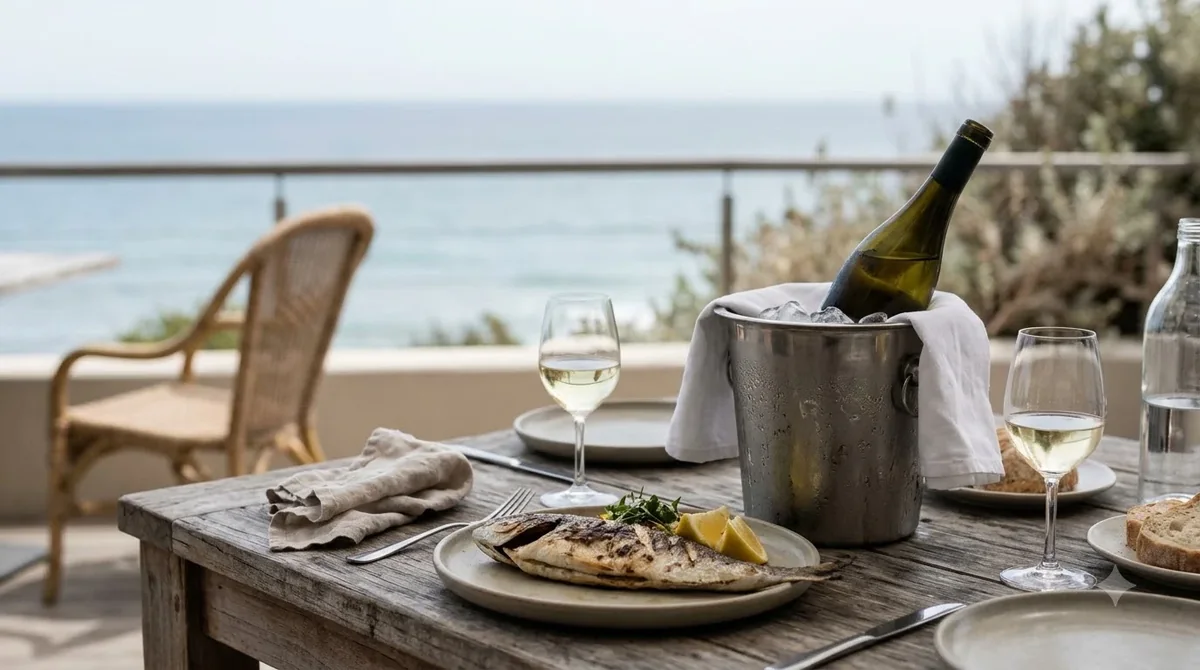
For a simple meal, serve a crisp Italian Pinot Grigio with grilled white fish, lemon, and herbs. A fuller Friuli example can complement seafood risotto, while Oregon Pinot Gris may suit roasted chicken and creamy pasta. Ramato can work with richer vegetable dishes, fish starters, and food with earthy or herbal flavors.
For a larger meal, remember that the wine should be at least as sweet as the dessert if you intend to serve it with something sweet. A dry Pinot Grigio is generally better alongside savory courses than sugary desserts.
Frequently Asked Questions
Is Pinot Grigio made from red or white grapes?
Pinot Grigio comes from a grayish-blue grape that is genetically related to Pinot Noir. Its skins can have pinkish or gray-blue coloration, which explains why skin contact can create wines with copper or pink hues. Despite the grape’s appearance, conventional Pinot Grigio is usually made as a white wine through limited skin contact.
Does Pinot Grigio have the same grape variety as Pinot Blanc?
No. Pinot Grigio and Pinot Gris are names for the same grape, while Pinot Blanc is a separate variety. Pinot Blanc is also part of the broader Pinot family, but its grapes have a different skin color and its wines can have a different aromatic and structural profile.
Can Pinot Grigio be used for cooking?
Yes. Dry Pinot Grigio can be used in seafood sauces, risotto, and pan sauces for chicken. Its acidity helps balance richer ingredients and contributes freshness to a finished dish. Avoid using a bottle that has developed obvious oxidation or unpleasant aromas.
What does Delle Venezie DOC mean on a Pinot Grigio label?
Delle Venezie DOC identifies a protected Italian wine appellation associated with northeastern Italy. It is widely recognized for Pinot Grigio production and includes wines made under defined regional production rules. The designation provides geographical and production context rather than guaranteeing that every bottle will have the same flavor or quality.
Is ramato Pinot Grigio suitable for people who normally drink red wine?
It can be an interesting introduction because skin contact gives ramato more color, texture, and gentle tannin than a conventional white Pinot Grigio. However, it is not a red wine and generally retains the freshness and acidity associated with the grape. It offers a middle ground for someone curious about more textured white wines.
The best Pinot Grigio under 50 is not necessarily the fullest, most expensive, or most heavily promoted bottle. Look for a producer whose regional style matches your preferences, then compare acidity, texture, and food compatibility before deciding. Alto Adige, Friuli, Veneto, and Oregon all provide worthwhile directions for exploring this versatile grape, whether you want an uncomplicated aperitif or a more distinctive white wine for dinner.
More in Wine Buying Guides
 Riesling Gift: Choose a Bottle They’ll LoveUpdated Nov 21, 2026
 Sweet Red Wine Gift: Choose a Bottle They’ll LoveUpdated Nov 21, 2026
 Malbec Gift: How to Choose a Memorable Bottle for Any OccasionUpdated Nov 21, 2026
 Sherry Gift Ideas That Match Every Wine LoverUpdated Nov 21, 2026
 Moscato Gift: How to Choose a Sweet Wine They’ll LoveUpdated Nov 21, 2026
 Merlot Gift: How to Choose a Bottle They’ll AppreciateUpdated Nov 21, 2026