

We may earn a commission when you buy through links on this page, at no extra cost to you. Learn more.
Veneto wine ranges from crisp sparkling Prosecco to the dried-grape reds of Valpolicella and Amarone, all made in northeastern Italy. The region is best known for light, fresh wines that are easy to drink with everyday food, along with a few bold, concentrated styles that take years to mature. Understanding the main categories makes it much easier to choose the right bottle for a meal or an occasion.
This guide walks through the main Veneto wine styles, the grapes behind them, how to serve each one, and what to pair with them. It is written for someone who wants a clear starting point before buying a bottle or planning a trip.
Where Veneto sits on the wine map
Veneto is a region in northeastern Italy, with Venice as its best-known city and the Dolomites and Lake Garda within reach. Its wine industry is large and varied. Vineyards sit on hills, flat plains, and lake shores, and the soils change from one zone to the next. That variety is why a single regional name can cover sparkling white, light red, and a very concentrated dried-grape wine.
The region also has a long history of winemaking that predates most of the modern categories. Vines have been grown across the plains and hills for centuries, and the styles that exist today grew out of local grapes, local drying traditions, and the trading routes that moved wine through Venice. That history is one reason the names on a label carry so much meaning for people who know the region well.
Wine laws divide the region into named zones, and the label usually tells you which one. When you see a name like Prosecco or Valpolicella, the designation also tells you the grapes, the production method, and the area the wine must come from. Reading the zone name is the fastest way to understand what is in the glass.

Prosecco: the sparkling side of Veneto
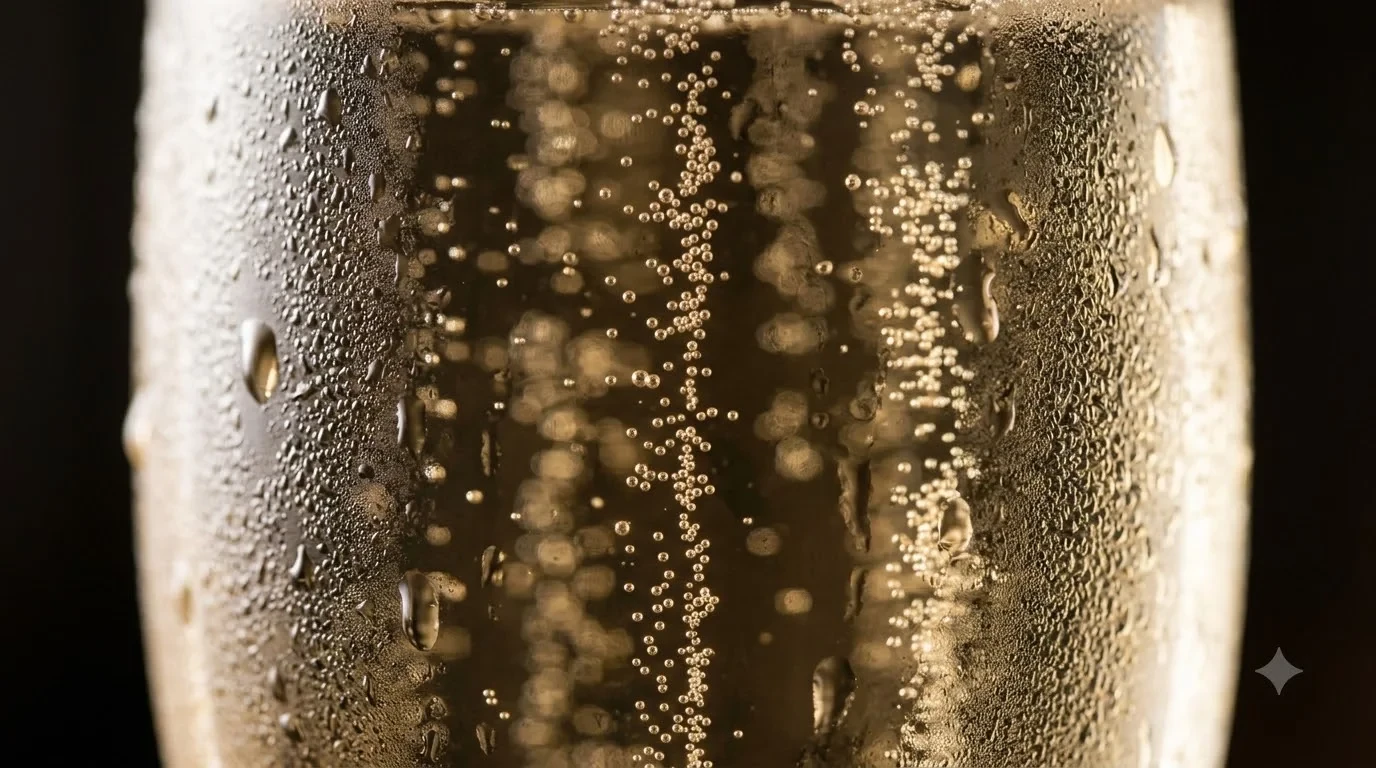
Prosecco is the best-known export from Veneto. The official Prosecco DOC consortium describes the Glera grape as the traditional variety, with other permitted grapes allowed up to a limit of 15 percent. The production area spans nine provinces, five of them in Veneto, including Treviso, Venice, Vicenza, Padua, and Belluno. The soils are alluvial and mainly clay-loam, and the consortium says harvesting is mainly done by hand.
The sparkle comes from a second fermentation in large sealed tanks, a method the consortium describes as the Martinotti method. Because the wine is made to be fresh and aromatic, it is best drunk young, ideally in the year after the harvest. Most Prosecco is sold as a dry or extra dry style, which makes it a flexible choice for both aperitivo and dinner.
| Style | Main grape | Character |
|---|---|---|
| Prosecco | Glera | Light, fresh, apple and pear notes, lively bubbles |
| Valpolicella | Corvina blend | Light to medium red, tart cherry, low tannin |
| Ripasso | Valpolicella blend with added pressed skins | Richer red with more body and spice |
| Amarone della Valpolicella | Dried-grape Corvina blend | Concentrated, powerful, and built to age |
Valpolicella and Amarone
Valpolicella is the region’s best-known red. Wine Folly describes it as ranging from light and fruity to rich and complex, and it calls Corvina the darling grape of the blend, with flavors of cherries and chocolate. A simple Valpolicella is dry, medium-bodied, and high in acidity, with low tannins. It is a practical red for weeknight dinners.
Amarone della Valpolicella is the region’s most famous wine. Its grapes are partly dried before pressing, which concentrates the sugar and flavor. The result is a large, warm wine with dried fruit and spice notes. Wine Folly recommends decanting it for about 30 minutes and cellaring it for ten years or more, and it describes a well-aged Amarone as a wine for slow sipping rather than everyday drinking.
Serving Veneto wine
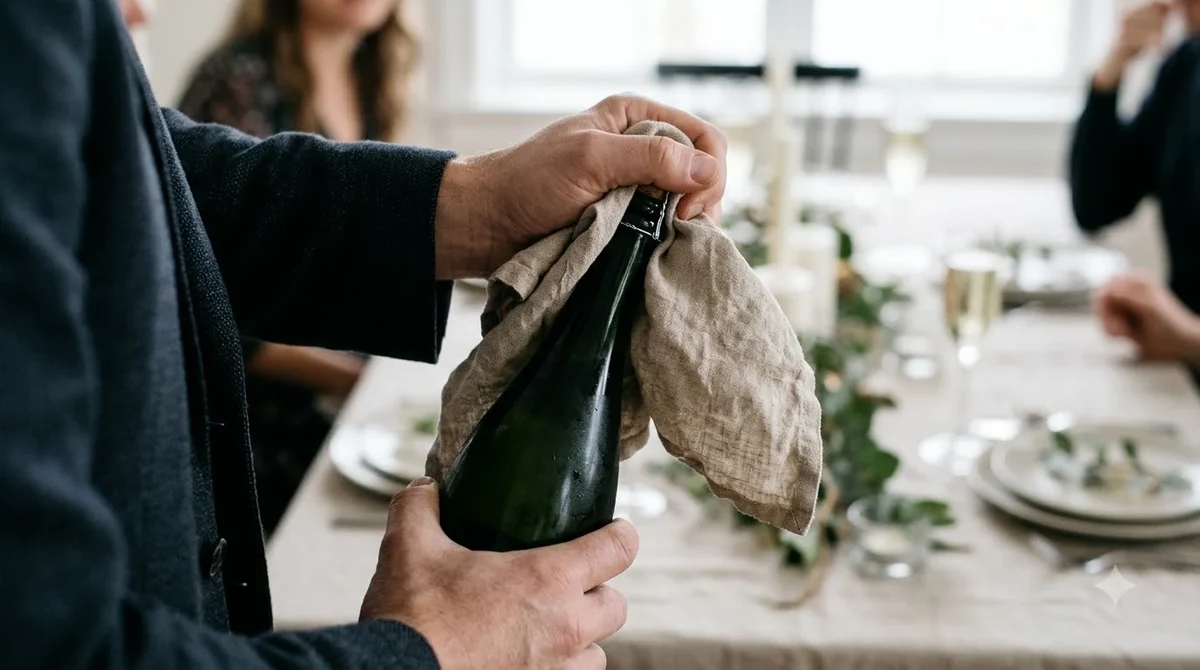
Serving temperature is the easiest way to get the most from a Veneto bottle. The Prosecco consortium recommends serving Prosecco at about 6 to 8 degrees Celsius in a fairly large tulip-shaped glass, which keeps the bubbles lively and the aromas in the glass. Wine Folly suggests serving Valpolicella at 12 to 15 degrees Celsius, which is slightly cooler than many people expect for a red.
Use a wide glass for the richer reds. A universal glass gives an Amarone or Ripasso enough room to show its aromas, and a short decant helps the younger, more structured bottles open up. Keep bottles out of direct sunlight, and store them on their side if they have a cork, so the closure stays moist.
Food pairing with Veneto wine
Prosecco is an easy partner for fried snacks, seafood, and light appetizers. Its acidity cuts through oil and its bubbles refresh the palate between bites, which is why it works so well at the start of a meal. A dry glass also pairs with risotto and grilled fish from the Venetian lagoon.
Simple Valpolicella suits burgers, roast chicken, and pasta with tomato. Wine Folly says the richer Ripasso and Amarone styles work better with braised meats, steaks, mushrooms, and aged cheeses. For a special dinner, pick an Amarone and serve it with a dish that has depth, such as slow-cooked beef or a mushroom ragu.
Buying and visiting Veneto wine country
Many visitors combine a wine trip with a city stay in Venice or Verona. Vineyard visits are easy to plan in the Valpolicella hills, where many family estates welcome visitors for tastings. Book ahead when you can, since small producers often host guests by appointment. If you are comparing trip styles at home, a guide to wine trails in the United States can help you see how a route-based visit differs from a town-centered one.
Shops that stock Italian wine often group Veneto bottles by zone, which makes comparison easier. If you find a Prosecco you like, try a second bottle from another producer to see how the same grape changes with a different winemaker. The same approach works for Valpolicella: taste a simple bottle and a Ripasso side by side, and the difference in body and spice becomes clear quickly.
When buying, look for the zone name on the label first, then check the vintage and the producer. Prosecco is usually meant to be opened within a year, while a good Amarone can improve for a decade. Matching the style to the moment is more useful than choosing by grape name alone.
Frequently Asked Questions
What is the difference between Prosecco and Valpolicella?
Prosecco is a sparkling white made mainly from Glera, while Valpolicella is a red made mainly from Corvina and related grapes. They come from different parts of Veneto and are made with different methods, so they suit different meals and occasions.
Is Amarone a sweet wine?
Amarone is dry, not sweet. Its grapes are partly dried before pressing, which concentrates the flavor and body, but the fermentation takes the sugar out. It tastes rich and warm, which can be mistaken for sweetness.
How should I serve Prosecco?
Serve it chilled at about 6 to 8 degrees Celsius in a fairly large tulip-shaped glass. Drink it young, ideally within a year of the harvest, to enjoy its fresh fruit and bright bubbles.
What food goes well with Veneto wine?
Prosecco pairs with seafood, fried snacks, and light appetizers. Simple Valpolicella suits roast chicken and tomato pasta, while Amarone and Ripasso go with braised meats, steaks, and aged cheeses.
Veneto rewards a little exploring. Start with a glass of Prosecco for an easy introduction, then try a Valpolicella with dinner and a richer Amarone on a special night. For more regional guides, browse the wine regions page and compare the styles from other parts of Italy and beyond.
More in Wine Regions
 Willcox Wine Trail: Discover Arizona’s High-Elevation Wine CountryUpdated Nov 20, 2026
 Yakima Valley Wine Region: Find the Best Styles to TryUpdated Nov 20, 2026
 Vosne Romanee Wine Tasting: Identify Aromas and Choose Better PairingsUpdated Nov 20, 2026
 Yakima Valley Wine Festival: Find the Best Seasonal Wine EventsUpdated Nov 20, 2026
 Wales Vineyards: Discover Cool-Climate Wines and Where to VisitUpdated Nov 20, 2026
 Yountville Wine Festival: Discover Napa Wines and Local FoodUpdated Nov 20, 2026