

We may earn a commission when you buy through links on this page, at no extra cost to you. Learn more.
Sweet pinot grigio is rare, because the grape is usually made dry, and the wines that taste sweeter are typically late-harvest bottlings or versions with a little leftover sugar. The Italian style, which is the most common on shelves, is usually described as totally dry. If you want a softer, fruitier glass, look for words like late harvest, or choose a pinot gris from a region that makes richer styles, and serve it well chilled.
Shoppers often search for sweet pinot grigio because they want a white that is easy to drink, fruity and not sharp. That is a reasonable goal, but it helps to know what the label is really telling you. This guide explains why pinot grigio is normally dry, which bottles taste sweeter, how sweetness is made and how to choose a glass that suits your taste.
Why Pinot Grigio Is Usually Dry
Pinot grigio and pinot gris are the same grape, grown under two names. Wine Folly’s guide to Pinot Gris notes that the grape comes from Burgundy in France, is a color mutation of pinot noir, and is called Pinot Grigio in Italy, where it is the largest producer by volume. Italian pinot grigio is typically dry, light and crisp, and that style is the one most people buy.
Dryness is a winemaking choice. The winemaker lets the yeast ferment most of the grape sugar into alcohol, which leaves a wine with little sweetness. That is the default for everyday pinot grigio, and it is why a bottle labeled simply pinot grigio will usually taste tart, clean and savory rather than sweet.

How Pinot Grigio Can Taste Sweeter
A pinot gris can taste sweet or rich for two main reasons. The first is late harvest, when the grapes stay on the vine longer and the sugar concentrates. The second is noble rot, a fungus that shrivels the grapes and adds honeyed, dried-fruit flavors. Wines made this way are usually sweeter and more complex, and they are often more expensive because the yields are small.
Wine Folly notes that Alsace’s Vendanges Tardives and Sélection de Grains Nobles styles balance sweetness and acidity, which keeps them from tasting cloying. The guide describes late-harvest wines as showing tropical fruit, honey and spice, and it says that sweeter styles can age. If you see a bottle described with late harvest or noble rot, it is the best place to start for a sweeter glass.
Winemakers also sometimes leave a little residual sugar in a dry-style bottle to round out the acidity. That approach is less common in Italian pinot grigio, but it shows up in some richer pinot gris, and it is one reason two bottles with the same name can taste different in the glass.
Some pinot gris from warmer regions also seems sweeter because the fruit is riper. Ripe peach and pear can make a wine feel soft and round even when the sugar is low. That is a matter of fruit character, not sugar, so do not assume ripe fruit means a sweet wine.
Styles and Flavors to Expect
Pinot gris usually shows white peach, lemon zest, cantaloupe and green almond, with a nose of ripe pear and apple. Cooler climates lean toward citrus and green apple, while warmer climates and late-harvest wines show more tropical fruit and honey. Body and acidity vary, from light and crisp to full and rich, so the style on the label matters more than the name.
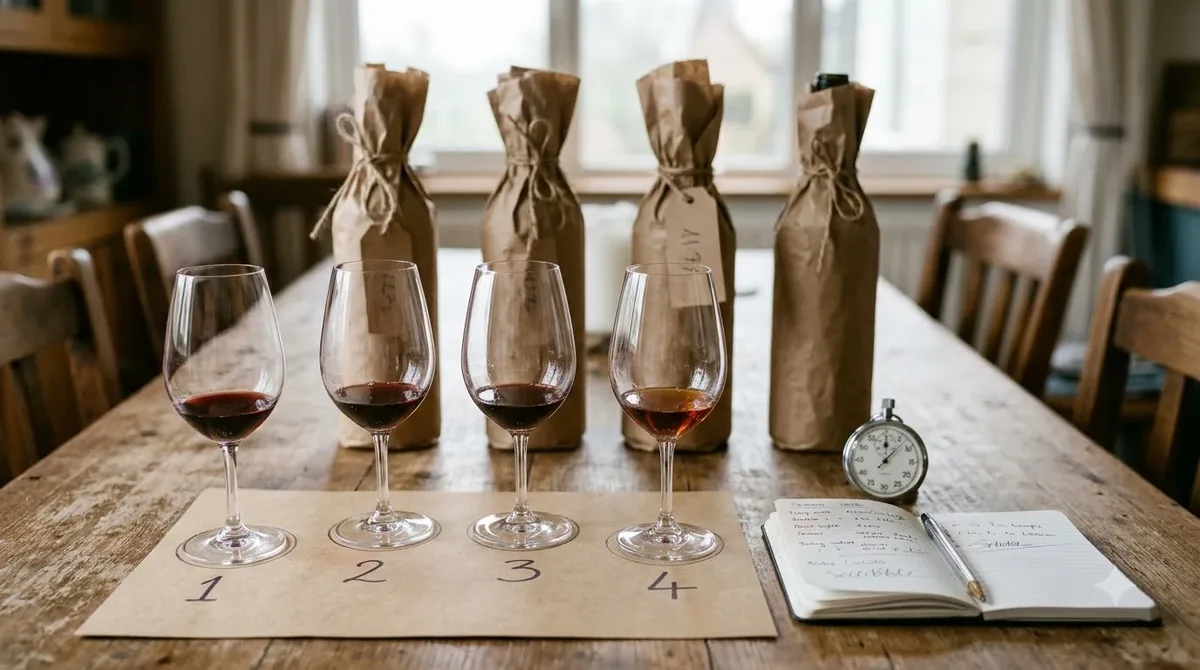
Dry Italian pinot grigio tends to be lighter and more citrusy. Alsatian and Oregon examples can be richer, with more texture. If you want a sweeter taste with the same grape, look for a late-harvest or noble rot bottle, or choose a richer style and serve it a little warmer so the fruit feels fuller.
| Style you want | What to look for on the label | What to expect |
|---|---|---|
| Crisp and light | Italian pinot grigio | Dry, citrus and green apple |
| Round and fruity | Richer pinot gris from cooler or warmer sites | Ripe pear and peach, a softer finish |
| Noticeably sweet | Late harvest, Vendanges Tardives or Sélection de Grains Nobles | Honey, dried fruit and tropical notes |
How to Serve Sweeter Pinot Gris
Serving temperature affects how sweet a white tastes. Wine Folly recommends 45 to 55°F (7 to 12°C) for pinot gris, and chilled light styles are best at the cooler end of that range. A richer or late-harvest bottle can be served slightly warmer, which lets the honeyed and fruity notes show more clearly.
A white wine glass is a good choice for most pinot gris. Decanting is not normally needed, though a richer bottle can benefit from a short rest in the glass. Dessert-style sweet wines are best served in small pours, because their sugar and body are concentrated.
Tip: If the wine tastes too sharp straight from the fridge, let the glass sit for five minutes. The fruit often becomes rounder, and a wine that seemed tart may taste sweeter than it did when it was cold.
Foods That Pair With Sweeter Pinot Gris
Light styles suit seafood, salads and mild cheeses. Oily fish works with both lighter and richer versions because the acidity cuts through the fat. Full-bodied or orange-style pinot gris go well with roast chicken and pork. Sweet and late-harvest wines match fruity desserts, such as tarts and fruit-based cakes, and they can also work with soft blue cheese.
When you are buying for a group, it helps to bring one dry pinot grigio and one richer or sweeter bottle. Guests who usually drink red often prefer the softer style, while those who like crisp whites will enjoy the dry one with seafood and salads. Having both on the table makes the evening easier.
If you want something softer than a dry white for a casual meal, a rosé or a lightly sweet wine often suits the same dishes. For comparison, see a sweet rosé, a sweet riesling, or a sweet prosecco for a sparkling option.
Frequently Asked Questions
Is pinot grigio sweet or dry?
Most pinot grigio is dry, especially the Italian style sold in most stores. Sweeter versions exist, but they are usually labeled as late harvest or made from grapes affected by noble rot. Some producers also make richer styles that taste rounder without being sweet, so the taste on the label is only part of the story.
How can I tell if a pinot grigio is sweet?
Look for words like late harvest, Vendanges Tardives or Sélection de Grains Nobles on the label. Wines from these styles usually taste of honey and dried fruit. A label that only says pinot grigio is likely to be dry.
What is the difference between pinot grigio and pinot gris?
They are the same grape. Pinot grigio is the Italian name, and pinot gris is the French name. The style of the wine depends on where it is made and how it is produced, not on the name alone.
What food goes best with a sweeter pinot gris?
Light, fruity desserts and soft cheeses suit sweeter styles. A richer dry pinot gris pairs well with roast chicken, pork and seafood, while a crisp dry version works with salads and shellfish.
Sweet pinot grigio is less common than the dry Italian style, but it is worth seeking out if you like honeyed, fruit-forward whites. Start with a small bottle or a half bottle to see whether the style suits you before buying a case. Check the label for late harvest terms, serve the wine chilled and match it with light food or fruit desserts. For help choosing a bottle, explore our wine buying guides.
More in Wine Buying Guides
 Riesling Gift: Choose a Bottle They’ll LoveUpdated Nov 21, 2026
 Sweet Red Wine Gift: Choose a Bottle They’ll LoveUpdated Nov 21, 2026
 Malbec Gift: How to Choose a Memorable Bottle for Any OccasionUpdated Nov 21, 2026
 Sherry Gift Ideas That Match Every Wine LoverUpdated Nov 21, 2026
 Moscato Gift: How to Choose a Sweet Wine They’ll LoveUpdated Nov 21, 2026
 Merlot Gift: How to Choose a Bottle They’ll AppreciateUpdated Nov 21, 2026