

We may earn a commission when you buy through links on this page, at no extra cost to you. Learn more.
In wine shops, the term collio wine identifies wines from Italy’s Collio DOC, a hillside district in Friuli-Venezia Giulia best known for poised, aromatic white wines. The region’s signature grapes include Friulano, Ribolla Gialla, and Istrian Malvasia, alongside Sauvignon, Pinot Grigio, and Chardonnay. Its marl-and-sandstone soils, called ponca, and its position between the Julian Prealps and the Adriatic help give these wines freshness, texture, and a savory edge. Red wines are also part of the appellation, though whites remain its calling card.
Collio rewards drinkers who look beyond familiar Italian names. A bottle might be a crisp white for seafood, a fuller Friulano with almond notes, or a textured Ribolla Gialla. Knowing the grapes and cellar styles makes the range easier to choose.
Where Collio Sits and What the DOC Means
Collio is a compact wine district in the far northeast of Italy, in the province of Gorizia in Friuli-Venezia Giulia. It follows a chain of hills beside Slovenia, with the Isonzo River to the east and the Judrio River to the west; villages and vineyard areas such as Oslavia, Cormons, and Dolegna del Collio help define its identity. The denomination covers roughly 1,500 hectares of specialized vineyards.
The name on a bottle is usually Collio DOC, or the longer form Collio Goriziano DOC. The regional consortium was founded in 1964, and the denomination received official recognition in 1968. The DOC rules distinguish wines made in this defined zone from neighboring appellations such as Colli Orientali del Friuli and Friuli Isonzo. Those neighboring names do not mean a wine comes from Collio. For an overview, see our introduction to the wine regions of Italy and beyond.
Collio is not a flat plain with a famous name attached. The appellation requires its vineyards to be on hilly ground and excludes ordinary valley-floor and plain sites, with a limited exception for certain raised foothill sites. The official production rules also set a minimum planting density of 4,000 vines per hectare for newly planted vineyards. These rules tie the denomination to a specific landscape, not simply to a grape or a style of white wine.
Ponca Soil, Hillside Exposure, and the Local Climate
The most recognizable physical feature of Collio is ponca, a local name for layered marl and sandstone formed from ancient marine sediments. Combined with sunny hillside exposures and a temperate climate moderated by the nearby Adriatic, this terrain supports whites that can be both ripe and fresh rather than heavy or flat.
The official denomination description places most vineyards between 60 and 270 meters above sea level, with many slopes averaging 15 to 30 percent. These hills are generally oriented toward the south, with some parcels facing southeast. Ponca belongs to a broader geological formation called flysch: layers of marl and sandstone that weather into stony, well-drained soils. Marine fossils found in vineyards show that these hills were once seabed. Rooting depth commonly reaches 50 to 100 centimeters before harder rock, though some sites allow deeper roots.
Climate completes the picture. The Julian Prealps shelter the hills from cold northerly winds, while the Adriatic coast lies roughly 20 kilometers away and moderates temperature swings. The official regional description gives average summer temperatures of 21.5 to 22.5 degrees Celsius, winter averages near 4 degrees Celsius, and annual precipitation of approximately 1,350 to 1,400 millimeters. More than half of the yearly rainfall typically falls between April 1 and September 30, the vine-growing season, so growers must manage canopy growth and disease pressure as well as ripening. Day-to-night temperature changes help preserve aromatic definition as flavors mature.
It is tempting to reduce this to “minerality,” but soil alone does not dictate a flavor. The useful picture is a combination of drained hillside sites, varied exposures, moderate warmth, and grapes harvested at different levels of ripeness. Those conditions support both brisk whites and more layered wines with savory character and aging potential.
The Grapes That Give Collio Its Character
Collio’s identity comes from the meeting of local varieties and international grapes that have adapted to northeastern Italy. Friulano, Ribolla Gialla, and Malvasia Istriana are especially important to its regional voice, while Sauvignon, Pinot Grigio, Pinot Bianco, and Chardonnay offer familiar points of entry for wine drinkers.
Friulano, Ribolla Gialla, and Malvasia Istriana
Friulano is a leading indigenous variety in Collio and makes a white with more breadth than its name may suggest. Expect yellow apple, pear, and almond, often with a savory or gently bitter note on the finish. It can feel rounded and substantial without relying on obvious oak. Some producers ferment or age it in wood, which can add spice and a broader texture, while stainless-steel examples tend to emphasize clean fruit and freshness. Its combination of body and restrained aromatics makes Friulano one of the most useful Collio wines at the table. Ribolla Gialla is often more linear and brisk, with yellow flowers, citrus, and stone fruit. In a fresh, direct style it can be a bright aperitif or seafood wine. It also has a different side: extended contact with grape skins can give it a deeper gold or amber color, more grip, and aromas that move toward dried herbs, tea, and savory spice. That skin-contact approach is a long-standing point of interest in the border hills, although it is a producer choice rather than a requirement for the grape.
Malvasia Istriana is less widely planted but can be distinctive. Its wines are often full-bodied and savory, with pear, golden apple, yellow peach, and white pepper alongside crisp acidity. It brings aromatic depth to blends and works as a single-variety wine. Together, these grapes shape many Collio Bianco blends.
Sauvignon, Pinot Grigio, Pinot Bianco, and Chardonnay
Sauvignon from Collio tends toward a savory expression rather than a simple copy of a New Zealand style. Tomato leaf, crushed herbs, elderflower, ripe peach, and citrus can all appear, with enough acidity to keep the palate lively. Pinot Grigio has a long history in the area and is widely planted; some examples show a copper tint because the juice receives brief contact with the grape skins. That copper tint is a natural result of grape and pressing choices. Pinot Bianco is smooth and rounded; larger-barrel aging can add dimension without overt woodiness. Chardonnay offers a fuller frame, balancing ripe orchard fruit and creamy texture with freshness. Riesling, Traminer Aromatico, and Müller-Thurgau are also permitted. A wine named for one grape must contain at least 85 percent of it, with up to 15 percent from other approved grapes of the same color.
Blends, Single-Variety Bottles, and the Place of Red Wine
Collio offers both wines named for one grape and blends that combine several varieties. The broad Collio Bianco category gives producers room to bring grapes such as Friulano, Ribolla Gialla, Malvasia Istriana, Chardonnay, Sauvignon, and Pinot Bianco together, while varietal labels make it easier to identify a particular grape’s character.
A blend is not automatically a simpler wine than a single-variety bottling. Friulano can contribute body and a savory finish, Ribolla Gialla can bring lift and acidity, and Malvasia Istriana can add aromatic breadth. Chardonnay or Sauvignon may contribute structure or a different aromatic register, depending on the proportions and cellar choices. Some blends favor early drinking and stainless-steel freshness; others use large oak vessels, smaller barrels, or longer bottle aging to build texture. Collio Bianco is a category, not one fixed recipe.
Red wines are a smaller part of the region’s production, but they belong to the DOC and deserve attention. Merlot, Cabernet Franc, Cabernet Sauvignon, and Pinot Nero are among the approved red grapes. Merlot is softer and fruit-forward; Cabernet Franc brings herbal detail, Cabernet Sauvignon a firmer frame, and Pinot Nero a lighter profile. Gambero Rosso describes red varieties as accounting for only about 10 percent of total Collio production, which helps explain why the denomination is most closely associated with white wine.
| DOC label | Grape composition rule | Minimum alcohol | General profile |
|---|---|---|---|
| Collio Bianco | Blend of approved white grapes | 11.5% ABV | Dry, fresh, harmonious |
| Collio Friulano | At least 85% Friulano | 11.5% ABV | Fuller, savory, almond-like |
| Collio Ribolla Gialla | At least 85% Ribolla Gialla | 11.0% ABV | Dry, fresh, citrus and floral notes |
| Collio Sauvignon | At least 85% Sauvignon | 11.5% ABV | Herbal, aromatic, structured |
| Collio Rosso | Blend of approved red grapes | 11.5% ABV | Dry, medium- to full-bodied |
The table summarizes selected legal categories, not a promise that every bottle will taste alike. Style also depends on site, vintage, harvest timing, fermentation, and maturation. The official Collio DOC production regulations provide the detailed requirements for grape varieties and wine categories. Choose by grape first, then decide whether you want freshness, oak-rounded texture, or skin-contact character.
Food Pairings for Collio Whites and Reds
Collio’s whites are particularly good with food because they combine freshness with enough flavor and texture to stand up to a full meal. Match the wine’s weight to the dish: crisp Ribolla Gialla suits lighter seafood, while fuller Friulano or Malvasia can handle richer sauces, poultry, and savory vegetables.
For a simple pairing, pour a fresh Ribolla Gialla with grilled prawns, fried calamari, oysters, or a plate of white fish with lemon and parsley. Its citrus notes suit delicate flavors, while acidity cuts through frying oil or an olive-oil dressing. Sauvignon is a natural partner for asparagus, goat cheese, herb-forward salads, and grilled zucchini. Its herb and citrus profile echoes the ingredients. With tomato or vinegar, choose a wine with enough acidity to meet the food.
Friulano works especially well with roast chicken, pork tenderloin, mushroom risotto, prosciutto, and cheeses with a nutty or savory character. Its apple, pear, and almond profile gives it enough presence for browned or roasted flavors. Malvasia Istriana can pair with shellfish in butter, seafood pasta, roast turkey, and dishes flavored with fennel or white pepper. Richer Pinot Bianco or Chardonnay suits creamy polenta and roasted chicken. Textured skin-contact Ribolla works with aged cheese, mushrooms, lentils, and roasted roots.
Collio reds call for a different menu. Merlot suits pork, grilled sausages, tomato-based pasta, and roast vegetables. Cabernet Franc pairs with herb-roasted lamb and grilled mushrooms, while Cabernet Sauvignon suits fattier beef or lamb. Salt and fat soften tannin, but chili heat can feel stronger beside high-alcohol or tannic wine. Avoid heavily tannic reds with oily fish; choose a fresh, moderate-bodied white with spicy dishes instead. The region’s lighter Pinot Nero is flexible with roast poultry and mushrooms.
How to Choose, Serve, and Keep a Bottle
A young Friulano, Ribolla Gialla, or Sauvignon is a useful first bottle because each shows a major Collio grape clearly. For more depth, look for a producer’s Collio Bianco blend, a barrel-aged Pinot Bianco or Chardonnay, or a skin-contact Ribolla Gialla.
The label names the grape and DOC category; producer notes can clarify steel fermentation, wood aging, or skin contact. The Collio wine region is compact, but comparing its producers and vineyard sites shows how grape and cellar choices shape the finished wine. Wine Enthusiast’s overview of the white wines of Collio gives useful descriptions of the leading varieties; compare bottles made from the same grape to refine your preference.
For reliable serving, chill lighter Collio whites and rosés to about 45 to 50 degrees Fahrenheit. Fuller whites, especially barrel-aged Chardonnay or a structured blend, usually show better around 50 to 55 degrees. If the wine is too cold, its aromas and texture can seem muted; if it warms too much, alcohol and ripe fruit may dominate. A 5-ounce pour gives the wine room in the glass, and a 750-milliliter bottle provides about five servings.
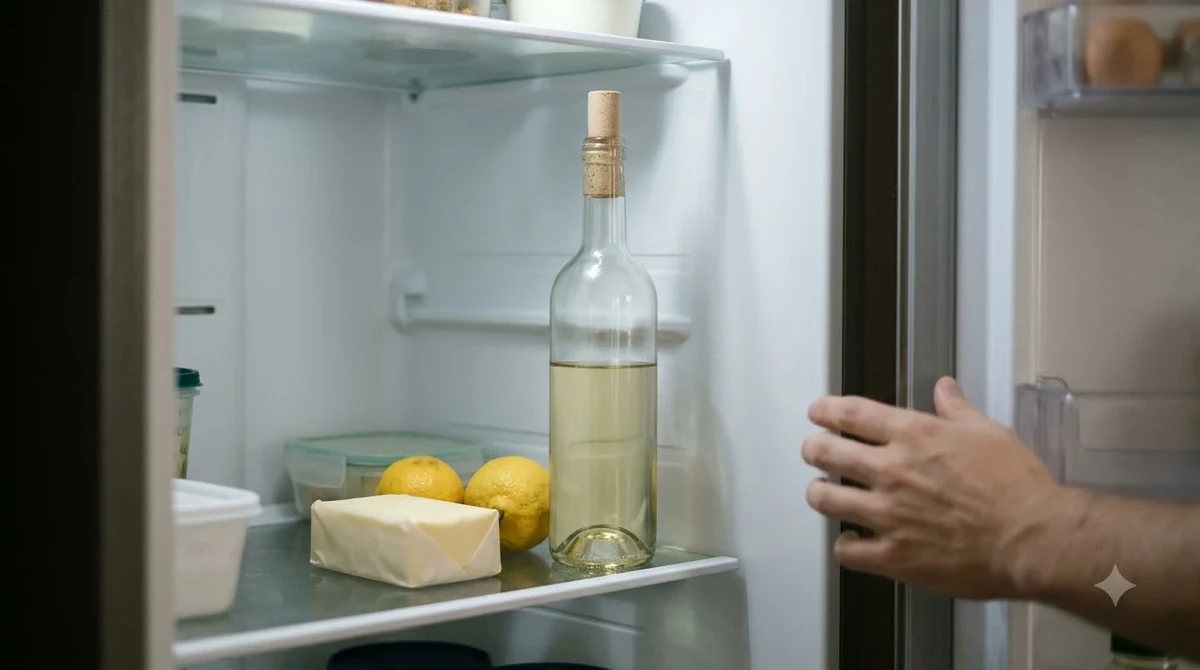
Fresh, unoaked examples are best enjoyed while their fruit is lively; structured blends and some barrel-aged whites can develop over several years. Store unopened bottles on their sides in a cool, dark place near 55 degrees Fahrenheit, away from vibration and temperature swings. After opening, reseal the bottle and keep it in the refrigerator; most still wines hold their best qualities for roughly 3 to 5 days, though delicate aromas may fade sooner.
Tip: For a first comparison, chill one bottle of fresh Ribolla Gialla and one fuller Friulano to 48 to 50 degrees Fahrenheit, then taste them side by side with simple grilled fish or roast chicken. The contrast in body, acidity, and savory finish shows the region’s range.
Frequently Asked Questions
When did Collio become an official wine denomination?
The regional consortium was founded in 1964, and the DOC was recognized in 1968. The denomination, officially called Collio Goriziano or Collio, defines the production zone and wine standards.
Is Collio the same place as Slovenia’s Brda?
They are neighboring parts of a historically connected landscape, but they are not the same modern appellation. The 1947 border divided the former zone, leaving Collio in Italy and Goriška Brda in Slovenia.
Why is Friulano sometimes associated with the name Tocai?
Friulano was formerly called Tocai Friulano. The name changed to avoid confusion with Tokaji, the protected Hungarian wine name; current Collio labels identify the grape as Friulano.
What does Riserva mean on a Collio label?
It signals extra aging under DOC rules. White Riserva wines age for 20 months from November 1 of the harvest year; red Riserva wines age for 30 months, including at least 6 months in wood.
Is Picolit from Collio a dry white wine?
Collio Picolit is defined as amabile or sweet, rather than a standard dry white. Its minimum finished alcohol is 14 percent by volume, and it pairs well with fruit pastry or blue cheese.
Collio is more than a source of polished Italian white wine: it is a hillside appellation with a distinctive local trio of Friulano, Ribolla Gialla, and Malvasia Istriana, plus a broad range of international varieties and expressive blends. Start with a fresh white to learn the region’s acidity and aromatic profile, then compare a fuller blend or skin-contact bottle to see how much style can vary within the DOC.
More in Wine Regions
 Willcox Wine Trail: Discover Arizona’s High-Elevation Wine CountryUpdated Nov 20, 2026
 Yakima Valley Wine Region: Find the Best Styles to TryUpdated Nov 20, 2026
 Vosne Romanee Wine Tasting: Identify Aromas and Choose Better PairingsUpdated Nov 20, 2026
 Yakima Valley Wine Festival: Find the Best Seasonal Wine EventsUpdated Nov 20, 2026
 Wales Vineyards: Discover Cool-Climate Wines and Where to VisitUpdated Nov 20, 2026
 Yountville Wine Festival: Discover Napa Wines and Local FoodUpdated Nov 20, 2026