

We may earn a commission when you buy through links on this page, at no extra cost to you. Learn more.
The Collio wine region in northeastern Italy is best known for structured, aromatic white wines shaped by hillside vineyards and ponca soils, with Friulano, Ribolla Gialla, Pinot Grigio, Sauvignon, and white blends leading the way. The denomination also includes serious red wines and the rare sweet Picolit. Its wines often combine ripe orchard or stone-fruit flavors with freshness, savory notes, and a mineral edge. Understanding the grapes, the label, and the producer’s approach makes it easier to choose a bottle that suits your table.
Collio is a compact, distinctive wine area in Friuli-Venezia Giulia, close to the Slovenian border. It is a useful region to know if you enjoy Italian whites with more texture and character than a simple, light aperitif wine, but its range is broader than one style.
Hillside Geography and Ponca Soil Shape Collio
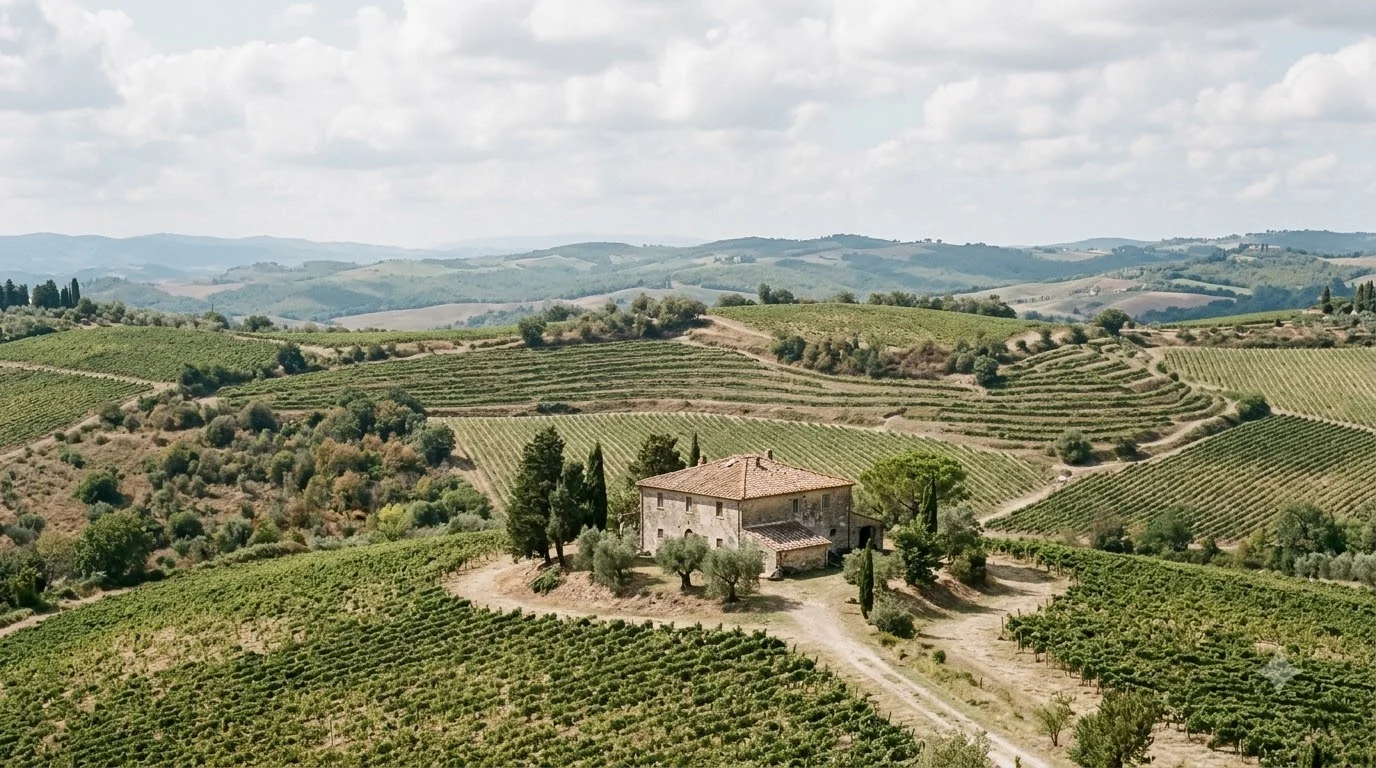
Collio occupies the northern hills of the Province of Gorizia, between the Isonzo River to the east, the Judrio River to the west, and Slovenia to the north. The official denomination description places its specialized vineyards on hillsides rather than on the surrounding plain, at an average elevation of about 60 to 270 meters above sea level.
The slopes generally run east to west, with many vineyard sites facing south or southeast. The Collio consortium describes roughly 1,500 hectares of specialized vineyard land, including vineyard parcels around Cormòns, San Floriano del Collio, Oslavia, and Dolegna del Collio. Across the nearby Slovenian border, the neighboring Brda area shares a broader hill-country wine culture, but Collio DOC refers only to the Italian denomination.
The characteristic soil is known locally as ponca, a friable formation of marl and sandstone. The DOC rules describe flysch formations with marl-rich, sandstone-rich, and mixed layers, plus some conglomerate. These ancient marine sediments were later lifted and exposed; marine fossils found in vineyards are reminders of that origin. Ponca is often associated with a saline or stony impression, although grape variety, harvest timing, and cellar choices also shape the finished wine.
Hillside exposure and changing day-to-night temperatures help grapes develop aroma while retaining freshness. Wine Enthusiast identifies these temperature shifts as one reason Collio whites can show both aromatic detail and depth. For another example of mountain and foothill influence, compare the Savoie wine region, while remembering that its grapes and climate differ.
Key Grapes: Friulano, Ribolla Gialla, and Pinot Grigio
Collio’s range is built from both regional grapes and international varieties, but three grapes help explain its identity: Friulano, Ribolla Gialla, and Pinot Grigio. Sauvignon, Malvasia Istriana, Pinot Bianco, and Chardonnay add further styles, so the denomination is not limited to a single white-wine profile.
Friulano is the best starting point for a distinctly local expression. Wine Enthusiast’s profile of Collio whites identifies it as the denomination’s most widely planted indigenous grape, with yellow apple, pear, and almond notes. Its finish can be gently bitter or savory. Wood maturation may add texture, while stainless-steel versions tend to emphasize fresh fruit. Choose Friulano when you want a white with enough substance to accompany a meal.
Ribolla Gialla is usually brisk and linear, with yellow flowers, citrus, and stone fruit. A fresh, unoaked version suits seafood and vegetables; extended skin contact can deepen the color and build texture, sometimes bringing tea, dried citrus, or savory notes. The length of maceration varies by producer.
Pinot Grigio is the denomination’s most planted grape overall, according to Wine Enthusiast. Brief skin contact during pressing can leave copper highlights; the palate may show orchard fruit, white peach, citrus, and a savory edge. Sauvignon is more herbal, with tomato vine, elderflower, and ripe peach. Malvasia Istriana can be fuller and savory, with pear, yellow peach, and white pepper, while Pinot Bianco is rounded and Chardonnay more structured. For a cool-climate comparison beyond Europe, explore the Tasmania wine region.
Collio Bianco, Varietal Wines, and Riserva Aging
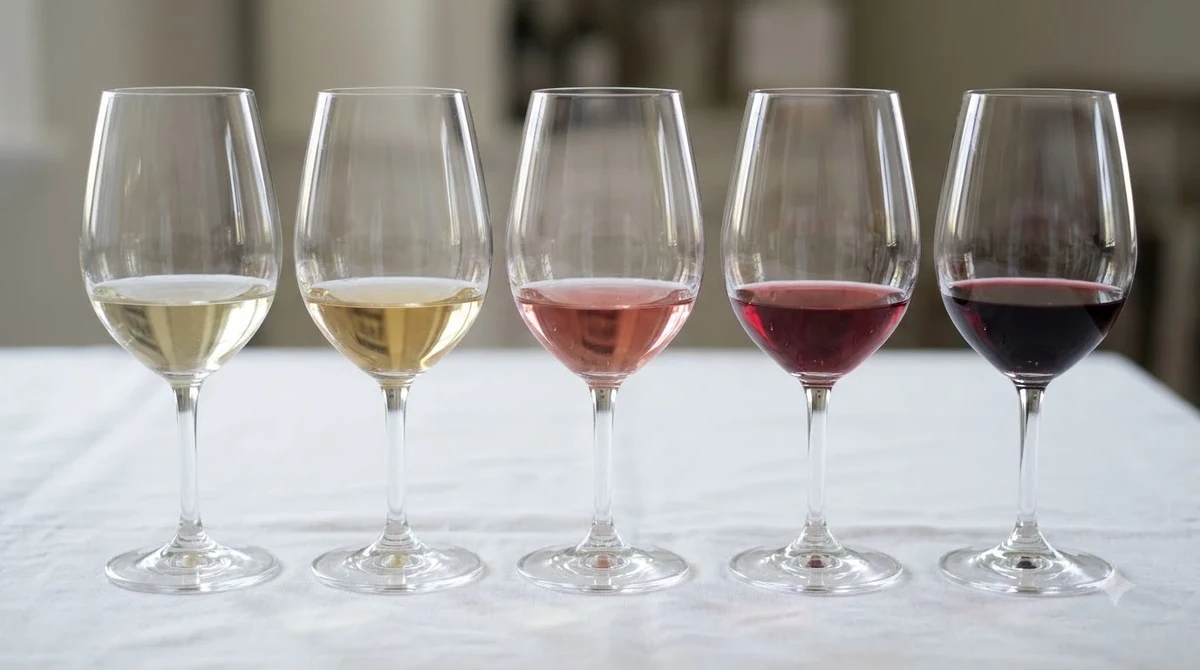
Collio wines may be labeled with a grape name, as Bianco or Rosso, or with the designation Riserva when they meet the denomination’s aging rules. A varietal label is not necessarily a 100% bottling: the production rules require at least 85% of the named grape, with up to 15% permitted from other approved grapes of the same color.
That 85% rule matters when comparing wines. A bottle labeled Collio Friulano must be based on at least 85% Friulano, while the remaining portion can come from other permitted white grapes. The Collio DOC production rules set the minimum varietal share and outline the aging requirements. A Collio Bianco, by contrast, gives the producer room to build a blend from authorized white varieties.
| Wine or label term | DOC requirement | Practical meaning |
|---|---|---|
| Named varietal | At least 85% of the named grape | Up to 15% may come from other approved grapes of the same color. |
| Collio Bianco | One or more approved white grapes; Müller-Thurgau and Traminer together are limited to 15% | The producer can blend varieties to balance aroma, acidity, and texture. |
| Collio Ribolla Gialla | Minimum 11% alcohol by volume | The legal minimum is lower than the 11.5% minimum for most named white styles. |
| Collio Picolit | Minimum 14% alcohol by volume | A sweet, more concentrated style rather than a typical dry aperitif white. |
| White Riserva | At least 20 months of aging | The aging period runs from November 1 of the harvest year. |
| Red Riserva | At least 30 months of aging, including 6 months in wood | A longer maturation requirement than for white Riserva. |
Friulano, Ribolla Gialla, and Malvasia Istriana are an especially relevant combination in the area, while Chardonnay, Pinot Bianco, and Sauvignon also appear in blends. The proportions and cellar choices make a major difference: one wine may emphasize Friulano’s breadth, another Ribolla’s lift, and another the aromatic depth of Malvasia.
Blending can balance acidity, aroma, body, and texture rather than obscure a place’s identity. Decanter notes that producers often combine Friulano with Malvasia Istriana and Ribolla Gialla, sometimes using extended skin contact. One example is a blend of 50% Friulano, 30% Malvasia, and 20% Ribolla; these proportions are a producer’s choice, not a DOC formula.
Riserva is a regulated aging designation, not simply a producer’s synonym for “premium.” Under the Collio rules, white Riserva wines must age for at least 20 months from November 1 of the harvest year. Red Riserva wines must age for at least 30 months, including a minimum of six months in wood. The rules also set grape-maturity and extract requirements, so not every vintage or lot can automatically be released as Riserva. Longer aging can soften edges and bring together fruit, savory notes, and barrel influence, but it does not guarantee that a wine will be better for every drinker.
Red Wines from Merlot, Cabernet, and Pinot Nero
White wine dominates Collio’s reputation, but the DOC also recognizes red wines made from Merlot, Cabernet Franc, Cabernet Sauvignon, and Pinot Nero, as well as a broader Rosso category. These bottles are worth exploring when you want to stay within the region but prefer darker fruit, herbs, and tannin.
Merlot is generally the softer point of entry. Expect a medium-bodied red with plum or cherry fruit and a rounded texture, although growing season and oak use can alter the balance. Cabernet Franc may show red or dark berries alongside green herb, pepper, and a firmer frame. Cabernet Sauvignon typically has more pronounced tannin and structure, making it a better fit for grilled or braised meat than for delicate fish. The local production rules describe the reds as dry and full-bodied, with a minimum alcoholic strength of 11.5% by volume at release; that is a legal floor, not a promise that every bottle will taste equally powerful.
Pinot Nero, the Italian name for Pinot Noir, offers a different profile: lighter color, red-fruit character, and a more supple texture than Cabernet Sauvignon. The Collio rules describe it as dry and velvety. Regional reds are often less visible in export markets than the whites, so availability can be more limited. If you find a bottle, consider serving it slightly cool rather than warm; a lighter Pinot Nero can show best around 55–60°F, while a fuller Merlot or Cabernet is usually more comfortable around 60–65°F. The region’s red wines are not an afterthought, but they are a smaller part of its overall identity.
Serving Temperatures and Food Pairings for Collio
Most dry Collio whites show their best balance when served cool but not icy. Use 45–50°F for lighter, fresher whites such as an unoaked Ribolla Gialla or Pinot Grigio, and 50–55°F for fuller Friulano, barrel-matured Pinot Bianco, or structured Chardonnay. A few minutes in the glass can reveal more aroma as the wine warms, especially with skin-contact wines or complex blends.
Match the wine’s texture and acidity to the food. Ribolla Gialla’s freshness works with grilled prawns, fried calamari, oysters, and white fish finished with lemon. Sauvignon’s herbal side suits dishes with parsley, basil, green vegetables, or goat cheese. Friulano’s body and almond-like finish pair well with prosciutto, roast chicken, mushroom risotto, and mild cheeses. Pinot Grigio makes an easy partner for seafood pasta, vegetable antipasti, and simply grilled fish. For richer Chardonnay or a layered Collio Bianco, try roast poultry, pork loin, creamy polenta, or a seafood dish with a butter-based sauce.
For dishes with lemon, vinegar, or tomato, choose a wine with at least as much freshness as the food has sharpness. Salt and fat soften the perception of tannin, which helps with structured reds and aged cheese or grilled beef. Tannic Cabernet can clash with oily fish, while chili heat is amplified by alcohol and tannin. With sweet Picolit, choose a dessert no sweeter than the wine; fruit tart, almond cake, or blue cheese can work depending on the bottle. Serve it cool, around 43–50°F, so its sweetness stays balanced by its acidity.
A standard 5-ounce pour gives about five servings from a 750-milliliter bottle. A young, full-bodied red that seems tight may benefit from 30–60 minutes in a decanter; lighter Pinot Nero and softer Merlot may need only a short time in the glass.
How to Read a Collio Label and Choose a Bottle
The words Collio Goriziano or Collio identify the protected denomination. The consortium dates its foundation to 1964, and the DOC recognition followed in 1968. A label can name an approved grape variety, use Bianco or Rosso, or include Riserva when the wine meets the relevant requirements. The rules require the grape vintage to appear on Collio DOC labels, which makes the harvest year a useful starting point when comparing bottles.
For a first purchase, choose by the style you want rather than assuming every Collio white tastes alike. Select Friulano for a fuller, savory white; Ribolla Gialla for a brisker and often more linear profile; Pinot Grigio for orchard fruit with the possibility of a copper tint; or Sauvignon for herbal aromas. Choose Collio Bianco when you want to explore the producer’s blend rather than a single named grape. If you like texture and more developed flavors, look for a bottle made with skin contact or a white Riserva, but remember that those terms describe a method or aging status, not a guaranteed flavor profile.
Compare two bottles from the same producer, such as stainless-steel and skin-contact Ribolla, or varietal Friulano and a Collio Bianco blend. This reveals how grape choice and cellar methods change the result within one small region. The broader Wine Regions library can help you place the DOC in its wider context.
Store unopened bottles on their sides in a cool, dark place near 55°F, away from vibration and large temperature swings. Once opened, refrigerate still Collio wines and aim to finish them within three to five days; a stopper helps slow oxidation but cannot stop it completely. Bring the wine back toward its serving temperature before pouring. If a fuller white has become too cold in the refrigerator, a short rest on the counter will usually be enough; avoid warming the bottle quickly in hot water or near a stove.
Tip: When choosing between two Collio whites, compare the grape and the winemaking notes first. A stainless-steel Ribolla Gialla and a barrel-aged Friulano can feel like entirely different categories of wine even though both come from the same DOC.
Frequently Asked Questions
These answers clarify cross-border naming, sweetness, bottle aging, and required label wording.
Is Collio the same as Goriška Brda in Slovenia?
No. Collio is the Italian DOC in Friuli-Venezia Giulia, while Goriška Brda is a Slovenian wine-growing district on the other side of the border. The hills and vineyard culture are geographically continuous, and the Ribolla Gialla grape is known as Rebula in Slovenia, but the two areas have separate appellation systems and labeling rules.
What does the name Collio Goriziano mean?
“Goriziano” connects the denomination to the Province of Gorizia, the administrative area that contains the Collio hills. The shorter name Collio is the familiar form used on wine labels, and the official rules recognize both “Collio Goriziano” and “Collio” for the DOC designation.
Is Picolit always a sweet wine in Collio?
The Collio DOC description specifies Picolit as amabile or sweet, rather than as one of the denomination’s typical dry whites. Its minimum alcoholic strength at release is 14% by volume under the published rules. That combination of sweetness and alcohol makes it a small after-dinner pour rather than a substitute for a crisp aperitif wine.
Can Collio wines age in the bottle?
Yes. Some structured whites and blends can develop for several years, and Decanter notes that the best Friuli premium blends can have a lifespan of 10 years or more in strong vintages. The potential depends on acidity, concentration, producer choices, vintage, closure, and storage, so that figure should be treated as a possibility for selected wines rather than a rule for every bottle.
Is the word Rosso required on Collio red labels?
Yes. The DOC presentation rules require the type “Rosso” to appear on red labels, while the corresponding “Bianco” designation is optional for white wines. This explains why a white bottle may show only its grape name and the Collio denomination.
Collio is a rewarding region for drinkers who want Italian white wine with real structure, freshness, and a strong sense of local grape identity. Start with Friulano, Ribolla Gialla, or a well-made Collio Bianco, then explore skin-contact bottlings, Riserva wines, and the less common reds as your preferences develop.
More in Wine Regions
 Willcox Wine Trail: Discover Arizona’s High-Elevation Wine CountryUpdated Nov 20, 2026
 Yakima Valley Wine Region: Find the Best Styles to TryUpdated Nov 20, 2026
 Vosne Romanee Wine Tasting: Identify Aromas and Choose Better PairingsUpdated Nov 20, 2026
 Yakima Valley Wine Festival: Find the Best Seasonal Wine EventsUpdated Nov 20, 2026
 Wales Vineyards: Discover Cool-Climate Wines and Where to VisitUpdated Nov 20, 2026
 Yountville Wine Festival: Discover Napa Wines and Local FoodUpdated Nov 20, 2026