

We may earn a commission when you buy through links on this page, at no extra cost to you. Learn more.
The oyster bay sauvignon blanc price typically falls around $10 to $16 for a 750 ml bottle in the United States, depending on the retailer, location, and vintage. This Marlborough white wine is known for its fresh citrus, passion fruit, and tropical fruit character, making it a familiar choice for shoppers seeking an approachable New Zealand Sauvignon Blanc. Comparing local retailers, checking bottle size, and understanding vintage differences can help determine whether the asking price represents good value.
Oyster Bay Sauvignon Blanc occupies a popular position in the American white wine market because it combines recognizable New Zealand Sauvignon Blanc characteristics with an accessible retail price. Its crisp acidity, bright fruit flavors, and dry finish make it suitable for casual dinners, seafood, outdoor gatherings, and everyday drinking. However, the amount displayed on a shelf or retailer website is not necessarily the same everywhere. Store location, state alcohol regulations, inventory, and purchasing arrangements can all influence the final cost.
Who This Wine Is For
Oyster Bay Sauvignon Blanc is a practical choice for shoppers who enjoy aromatic, dry white wines and want a recognizable Marlborough style without moving into expensive wine categories. Its combination of tropical fruit, citrus, and refreshing acidity appeals to people who prefer lively whites over richer, oak-influenced Chardonnay.
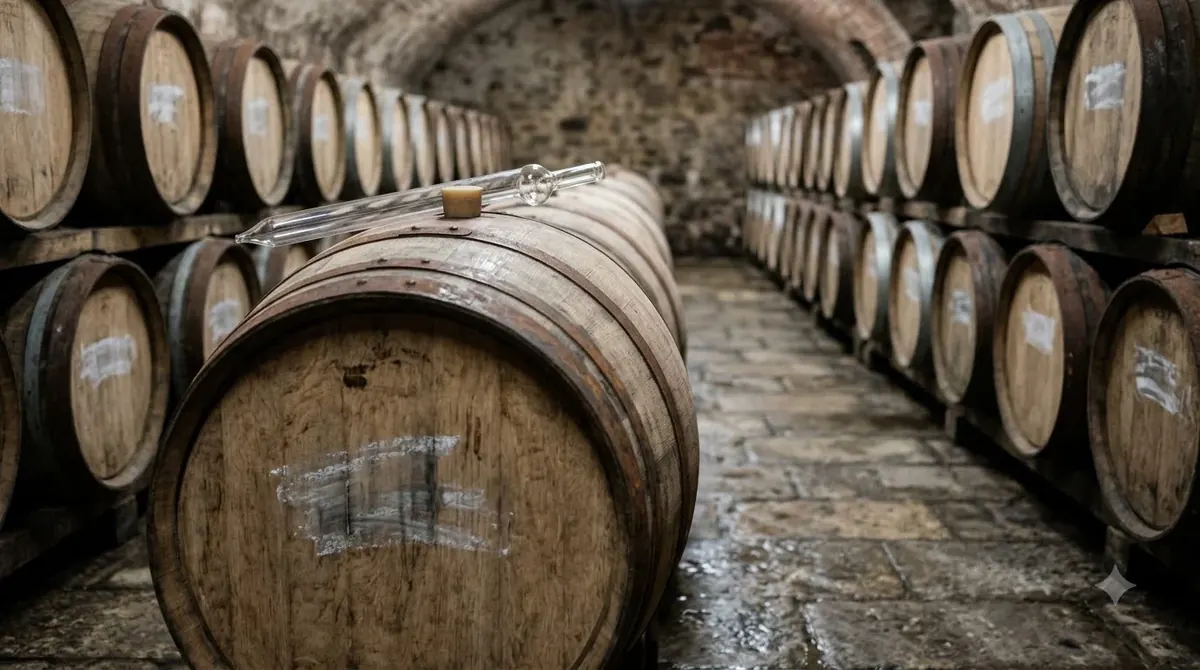
The wine comes from Marlborough, at the top of New Zealand’s South Island. The region’s warm days and cool nights help grapes develop expressive fruit characteristics while retaining natural acidity. Oyster Bay identifies passion fruit, tropical fruit, and bright citrus as defining characteristics of its Sauvignon Blanc. These characteristics make it especially recognizable among New Zealand white wines.
For someone comparing everyday Sauvignon Blanc options, the oyster bay sauvignon blanc price makes more sense when considered alongside the wine’s origin and production approach. The producer handles individual vineyard blocks and wine parcels separately, gently presses the harvested grapes, and uses temperature-controlled fermentation to preserve fresh fruit aromas. The wine is bottled shortly after production rather than being developed as an oak-aged white.
This bottle is particularly suitable for several types of wine drinkers:
- New Zealand Sauvignon Blanc fans: People who enjoy passion fruit, grapefruit, citrus, and refreshing acidity will recognize the familiar Marlborough profile.
- Everyday white wine buyers: Shoppers looking for a recognizable bottle for weeknight meals can consider it without committing to a premium-priced wine.
- Seafood enthusiasts: Its acidity and citrus character complement oysters, shrimp, grilled fish, and other relatively delicate seafood dishes.
- Casual hosts: A 750 ml bottle provides approximately five standard 5 oz servings, making it convenient for a small dinner or informal gathering.
It may be less suitable for people who prefer sweet Moscato, rich buttery Chardonnay, or wines with pronounced oak flavors. Oyster Bay’s Sauvignon Blanc is dry, bright, and fruit-forward rather than creamy or dessert-like. Shoppers wanting a more restrained, mineral-driven white wine may also prefer to compare several other Marlborough producers before deciding.
For a closer look at the wine itself, the Oyster Bay Sauvignon Blanc overview provides useful background on its regional identity and general characteristics. Understanding the style first makes it easier to decide whether the retail price matches personal preferences.
Key Factors to Compare Before Buying
A bottle’s price depends on more than its producer name. Bottle size, retailer pricing, vintage, geographic location, and purchasing quantity all influence what an American shopper pays for Oyster Bay Sauvignon Blanc.
For a standard 750 ml bottle, a practical US shopping benchmark is approximately $10 to $16. Total Wine’s product listing and Binny’s retail listing provide examples of the wine appearing in this general price category, although their displayed prices and availability can change. Prices vary by state and retailer, and shipping, local taxes, and delivery charges may increase the final purchase cost.
The following table provides a useful comparison framework for evaluating a bottle before purchasing it. The price bands are approximate shopping benchmarks rather than guaranteed prices or fixed producer recommendations.
| Comparison factor | What to look for | Why it matters |
|---|---|---|
| Standard bottle | 750 ml | Approximately five 5 oz servings |
| Lower retail range | About $10 to $12 | Common entry-level shopping target |
| Middle retail range | About $12 to $14 | Useful comparison range across retailers |
| Upper retail range | About $14 to $16 | Compare alternatives before purchasing |
| Case quantity | 12 bottles | Check the total cost and case conditions |
| Wine origin | Marlborough, New Zealand | Identifies the regional Sauvignon Blanc style |
| Wine style | Dry, unoaked white | Helps establish whether the flavor profile suits you |
| Serving temperature | 46°F recommended | Helps preserve freshness and aromatic definition |
Retailer examples help put these ranges into context. Total Wine lists the standard 750 ml bottle, while Binny’s also offers a case-of-12 listing. Their individual product pages illustrate why checking the current store listing is more useful than relying on an old price remembered from another purchase. For reference, see the Total Wine Oyster Bay Sauvignon Blanc listing.
Retailer and location differences
Wine prices in the United States are affected by state and local alcohol regulations, distribution arrangements, retailer operating costs, and the availability of particular vintages. A bottle listed in California may not carry the same price in Illinois or New York. Even two stores in the same metropolitan area may display different prices because their purchasing arrangements and inventory levels differ.
Online listings are useful for establishing a comparison range, but the displayed figure may apply only to a particular store or delivery area. Some retailers also require shoppers to select a location before displaying accurate availability. This is particularly important for wine because interstate shipping restrictions and local alcohol regulations can affect where a bottle can be delivered.
Vintage and bottle size
Vintage is another consideration. Oyster Bay explains that growing-season conditions can produce slight differences between vintages. These differences may affect the wine’s alcohol percentage, fruit expression, and overall balance. They do not automatically mean that one vintage deserves a substantially higher retail price.
Make sure the bottle is the standard 750 ml format before comparing prices. A larger bottle, smaller bottle, or multipack should not be compared directly with the standard format without calculating the equivalent cost per 750 ml. This simple check prevents misleading comparisons when retailers present different packaging options.
Tip: Compare at least two local retailers using the same 750 ml bottle size and, where possible, the same vintage. A difference of a few dollars can make another store a more attractive option, but include delivery charges and taxes before deciding.
Step-by-Step: How to Find a Fair Bottle Price
The easiest way to judge the oyster bay sauvignon blanc price is to use a consistent comparison process rather than choosing the first listing that appears online. A few simple checks can reveal whether a retailer’s asking price is reasonable for the bottle being offered.
-
Start with the standard bottle size.
Look for 750 ml. This is the usual retail format and gives you a consistent basis for comparing different stores. Avoid comparing a 750 ml bottle directly with a case or larger-format bottle without calculating the equivalent cost.
-
Identify the wine correctly.
Confirm that the bottle is Oyster Bay Marlborough Sauvignon Blanc rather than another wine in the Oyster Bay range. The brand also produces Pinot Noir, Pinot Gris, Chardonnay, Merlot, Rosé, and sparkling wines. Their grape varieties and styles are different, so their prices are not directly interchangeable.
-
Check the current vintage.
Look at the vintage displayed on the front or back label. The producer provides technical information for individual Sauvignon Blanc vintages, including production and wine-analysis details. Comparing bottles from similar vintages gives a more meaningful picture of retailer pricing.
-
Compare at least two retailers.
Check a national retailer and a regional wine shop if both are available in your area. Total Wine and Binny’s are examples of retailers with Oyster Bay product listings. Their websites can help establish a comparison point, but actual prices and availability depend on the selected location.
-
Calculate the case cost.
If you regularly purchase this wine, compare the combined cost of 12 individual bottles with a case listing. Divide the total case amount by 12 to determine the equivalent per-bottle cost. Check whether the case contains the same wine and vintage before comparing.
-
Consider delivery and taxes.
An online bottle price does not necessarily represent the amount paid at checkout. Add applicable sales or alcohol taxes, shipping, and delivery fees. Some retailers offer local pickup, which may change the total purchase cost.
-
Make the final value comparison.
Consider whether the price matches your expectations for an approachable, dry Marlborough Sauvignon Blanc. A bottle within the typical $10 to $16 range is a reasonable starting point, but the best purchasing decision also depends on freshness, availability, and whether you enjoy the wine’s style.
Following these steps prevents a common mistake: treating a retailer’s displayed price as a universal market price. Wine retail is regional, and the same product can appear at different amounts depending on where and how it is purchased.
It is also useful to distinguish between an everyday purchase and a special-occasion purchase. If you want a straightforward white wine for dinner, a bottle near the lower or middle part of the usual range may make sense. If the asking price approaches the upper end, compare other Marlborough Sauvignon Blanc options to determine whether the extra cost is justified by your preferences.
Types and Styles Explained
Oyster Bay’s Sauvignon Blanc belongs to the dry, aromatic white wine category, but understanding its particular production style helps explain its retail appeal. Its Marlborough origin, unoaked approach, and fresh fruit character distinguish it from richer or sweeter white wine styles.
Marlborough Sauvignon Blanc
Marlborough is one of New Zealand’s best-known wine regions, and Sauvignon Blanc is an important part of its international reputation. The region’s climate allows grapes to develop pronounced varietal aromas while retaining acidity. Oyster Bay identifies warm days and cool nights as important factors in developing its characteristic balance.
Typical Marlborough Sauvignon Blanc flavors include grapefruit, lime, passion fruit, green apple, and other tropical or citrus fruits. Oyster Bay emphasizes passion fruit and tropical fruit alongside bright citrus. These characteristics help explain why the wine is recognizable to consumers who regularly purchase New Zealand Sauvignon Blanc.
Unoaked Sauvignon Blanc
Oyster Bay confirms that its Sauvignon Blanc is not oaked. The producer uses stainless steel tanks during slow, temperature-controlled fermentation and bottles the wine young to retain its fresh fruit character. This approach produces a style that emphasizes crispness and aromatic clarity rather than vanilla, toast, butter, or pronounced oak-derived flavors.
This distinction matters when comparing the wine with Chardonnay. Many Chardonnay wines have a rounder texture and may include oak-related flavors, depending on the winemaking approach. Sauvignon Blanc generally emphasizes acidity and fresh fruit instead.
Dry rather than sweet
Fruit aromas do not necessarily indicate sweetness. Passion fruit, melon, and citrus can create an impression of ripe fruit while the wine itself remains dry. Oyster Bay specifically describes its Marlborough Sauvignon Blanc as not being a sweet wine.
People accustomed to Moscato or sweeter Riesling may find this distinction important. Sauvignon Blanc generally has higher acidity, which creates a refreshing sensation and a lively finish. The wine is therefore more suitable for people who enjoy dry whites than those specifically looking for a sweet dessert wine.
Understanding the broader Oyster Bay range
Oyster Bay produces several wine styles from New Zealand. Its Marlborough range includes Sauvignon Blanc, Pinot Noir, Rosé, and Chardonnay, while its Hawke’s Bay production includes Merlot, Pinot Grigio, and sparkling wines, according to the producer.
These wines serve different preferences. Pinot Gris is an alternative for shoppers seeking another aromatic white, Chardonnay suits those who prefer a different white wine profile, and Pinot Noir offers a lighter red wine option. The Sauvignon Blanc remains the obvious choice for someone specifically seeking the brand’s crisp, citrus-driven white.
For a more detailed breakdown of aromas and palate characteristics, the Oyster Bay Sauvignon Blanc tasting notes provide additional context that can help determine whether the bottle suits your preferences.
Common Mistakes When Comparing Prices
Shoppers sometimes pay more than necessary because they compare different bottle sizes, overlook the selected vintage, or assume that every retailer uses the same pricing structure. Understanding these common mistakes makes it easier to judge whether an asking price is reasonable.
Comparing different bottle sizes
A 750 ml bottle and a larger-format bottle have different quantities of wine. The same applies to half-bottles and multipacks. Always convert the purchase into an equivalent 750 ml cost before deciding which option represents better value.
A case of 12 standard bottles contains 9 liters of wine. This equals twelve individual 750 ml bottles, or approximately 60 standard 5 oz servings. That calculation is useful for households or hosts who already know they enjoy the wine and can use the quantity before its quality declines.
Assuming every vintage tastes identical
Although Oyster Bay maintains a recognizable house style, individual vintages can differ. Weather and growing conditions influence grape development, and the producer acknowledges that vintage variation can affect the finished wine. Buyers should therefore avoid assuming that every bottle will have precisely the same fruit expression or alcohol percentage.
A slightly different flavor does not automatically indicate a problem with the wine. It may simply reflect a different harvest. The producer’s vintage-specific technical information is useful when investigating these differences.
Confusing fruit intensity with sweetness
One of the most frequent misunderstandings about Sauvignon Blanc is the assumption that tropical fruit aromas mean the wine contains substantial sweetness. Oyster Bay is a dry wine. Its passion fruit and citrus characteristics describe its aromatic profile, not a dessert-like level of sweetness.
This distinction also matters when comparing it with wines such as Moscato or Demi-Sec sparkling wine. Those styles can offer more obvious sweetness, whereas Oyster Bay’s refreshing acidity and dry finish make it better suited to savory dishes.
Ignoring local checkout costs
A retailer’s displayed bottle price is only one part of the final cost. Shipping, local taxes, and delivery charges may change the amount paid. Availability can also vary between stores, so a listing visible online may not be available for pickup in a particular location.
Another mistake is assuming that a case purchase is automatically more economical. Calculate the per-bottle cost and consider whether the case is genuinely useful. Buying 12 bottles simply to obtain a lower unit cost makes little sense if you only need one bottle for dinner.
Choosing based on price alone
A lower asking price does not necessarily make a wine the right choice. Personal taste remains important. Someone who prefers rich Chardonnay may not enjoy a high-acid Sauvignon Blanc, regardless of how attractive its price appears.
Consider the intended occasion, the food being served, and your preferred wine style. A bottle that suits your dinner and guests is more useful than one selected only because it costs less than another option.
Care and Storage Tips
Proper storage helps preserve the fresh citrus and tropical fruit character that makes Oyster Bay Sauvignon Blanc appealing. Serving it at the correct temperature and limiting exposure to oxygen after opening are two particularly useful practices.
Serve at the right temperature
Oyster Bay recommends serving Sauvignon Blanc at 46°F. This temperature keeps the wine refreshing while allowing its citrus, passion fruit, and other aromas to remain recognizable.
A refrigerator is generally suitable for chilling a bottle before serving. If the wine becomes extremely cold, allow it to warm slightly in the glass. Excessive chilling can make aromas less expressive, while serving it too warm can make the wine feel less crisp.
For an informal dinner, place the bottle in the refrigerator ahead of time and pour a modest amount into each glass. A standard serving is 5 oz, which means a 750 ml bottle provides approximately five servings.
Store unopened bottles properly
Keep unopened white wine away from direct sunlight, strong temperature fluctuations, and excessive heat. A cool storage environment near 55°F is a useful target for wine storage. Consistent conditions matter more than repeatedly moving the bottle between warm and cold locations.
For longer storage, bottles with traditional cork closures are generally kept on their sides to maintain cork contact with the wine. Protect the bottle from unnecessary vibration and avoid storing it in a hot kitchen or beside an appliance that produces heat.
Oyster Bay Sauvignon Blanc is generally purchased for its fresh, youthful character rather than extended bottle aging. For that reason, buying a quantity that can be enjoyed within a reasonable period is usually more practical than accumulating bottles for long-term cellaring.
Preserve an opened bottle
After pouring, reseal the bottle tightly. Oyster Bay specifically recommends ensuring the cap is firmly closed after every glass. Refrigeration helps slow the loss of freshness and is especially useful for aromatic white wines.
The producer says its white and rosé wines can last up to five days after opening when stored correctly. For the best fresh-fruit expression, however, drinking the remaining wine within the first few days is a sensible approach.
A simple preservation routine includes the following steps:
- Replace the original screw cap or closure immediately after pouring.
- Keep the opened bottle refrigerated between servings.
- Avoid leaving wine exposed to room air for extended periods.
- Use clean glasses and avoid introducing food or other contaminants into the bottle.
- Check the wine’s aroma and flavor before serving again.
Changes in aroma, flavor, and freshness can occur after opening. A wine that once displayed bright citrus and passion fruit may become less expressive as it comes into contact with oxygen. Proper refrigeration and a tightly secured closure help reduce this deterioration.
For shoppers also comparing alcohol strength with the overall purchase value, the Oyster Bay Sauvignon Blanc alcohol content breakdown provides additional information about the wine’s alcohol percentage and vintage-related variation.
Frequently Asked Questions
Does Oyster Bay Sauvignon Blanc have a screw cap?
Oyster Bay Sauvignon Blanc is commonly sold with a screw-cap closure in the US retail market. This closure makes opening and resealing convenient without a corkscrew. It also makes the bottle practical for casual meals and outdoor gatherings.
Is Oyster Bay Sauvignon Blanc suitable for cooking?
Yes, its dry style and citrus-driven character can work in seafood sauces, light pan sauces, and dishes that call for dry white wine. Use a modest amount and allow the wine to cook with the other ingredients. Avoid substituting a sweet wine in a recipe that specifically calls for dry Sauvignon Blanc.
Does Oyster Bay Sauvignon Blanc need decanting?
No formal decanting is generally necessary for this fresh, young white wine. Unlike some young full-bodied red wines that benefit from 30 to 60 minutes of aeration, Sauvignon Blanc is normally ready to serve once properly chilled. Opening the bottle shortly before dinner is sufficient for ordinary occasions.
Can Oyster Bay Sauvignon Blanc be used in a wine spritzer?
Yes, its bright acidity and citrus character make it a suitable base for a simple white wine spritzer. Combine a pour of chilled wine with sparkling water and serve over ice with a citrus garnish. The result is lighter in texture than serving the wine on its own.
Does Oyster Bay Sauvignon Blanc have residual sugar?
Residual sugar varies by vintage, and the producer publishes individual technical specifications for its wines. Its FAQ identifies the Sauvignon Blanc as dry rather than sweet. The technical details for a specific vintage are the most useful source when comparing exact residual-sugar figures.
Oyster Bay Sauvignon Blanc offers an approachable way to enjoy the recognizable citrus, passion fruit, and refreshing acidity of Marlborough white wine. For US shoppers, approximately $10 to $16 is a useful starting range for evaluating a standard 750 ml bottle, with local retailer differences determining the final amount. Compare bottle sizes, vintages, and checkout costs before purchasing to find an option that fits both your budget and your preferred wine style.
More in Wine Brands
 Underwood Wine Price: Compare Bottles, Cans, and Pack SizesUpdated Nov 21, 2026
 Zenato Wine Price: Compare Styles and Choose the Right BottleUpdated Nov 21, 2026
 Zuccardi Wine Price: Compare Bottles and Find the Right RangeUpdated Nov 21, 2026
 Yellow Tail Moscato Review: Taste, Sweetness and Serving TipsUpdated Nov 21, 2026
 Wolf Blass Yellow Label Review: Choose Your Best StyleUpdated Nov 21, 2026
 Wolffer Estate Rose Review: Choose the Right Bottle for Your TableUpdated Nov 21, 2026