


We may earn a commission when you buy through links on this page, at no extra cost to you. Learn more.
Oyster Bay Sauvignon Blanc tasting notes reveal a crisp, dry New Zealand white wine with expressive passionfruit, tropical fruit, bright citrus, and refreshing acidity. Its aromatic profile combines lively fruit with subtle herbal character, while its stainless-steel fermentation preserves a clean, fresh finish. Produced in Marlborough, this approachable Sauvignon Blanc is particularly suited to seafood, salads, and light summer meals.
Oyster Bay Sauvignon Blanc has become a recognizable example of the fresh, fruit-driven style associated with New Zealand white wines. Its appeal comes from the combination of intense aromas, refreshing acidity, and uncomplicated drinking pleasure. Understanding its appearance, aroma, palate, and food compatibility helps explain what makes this bottle distinctive and what to expect when opening it.
Appearance and First Impressions
Oyster Bay Sauvignon Blanc typically displays a pale straw-green color with brilliant clarity. Its light appearance reflects the fresh, youthful style that defines this Marlborough white wine.
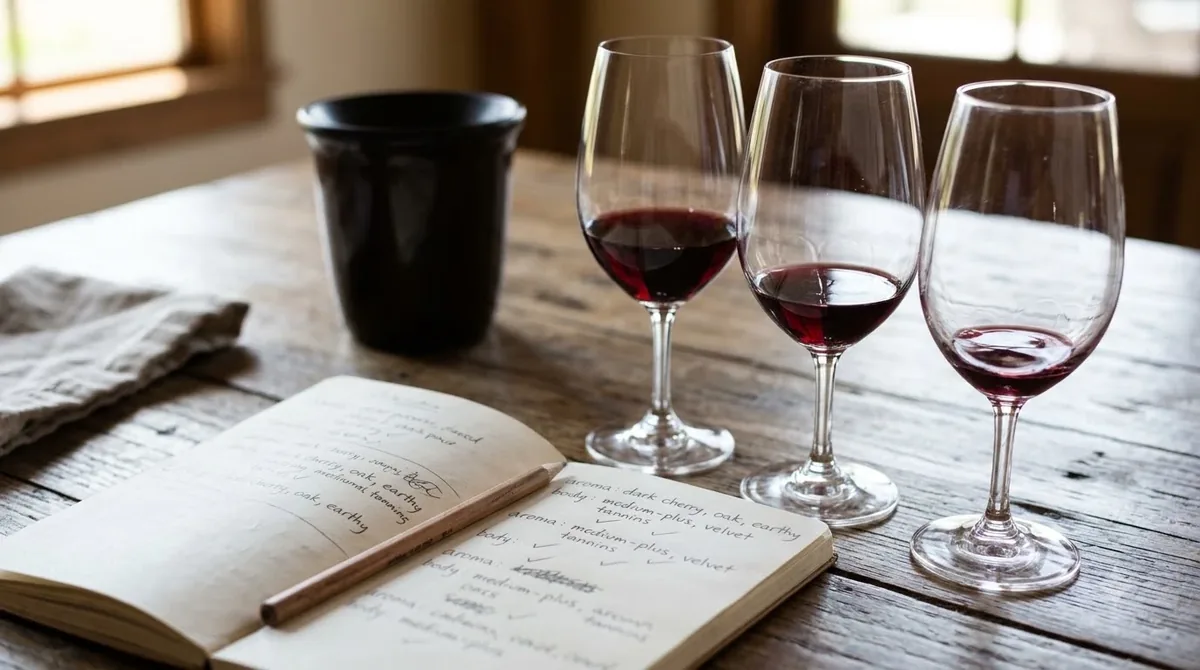
When poured into a clear white wine glass, the wine generally appears pale yellow with subtle green reflections. It should look bright rather than cloudy, with no obvious brown or deep golden tones in a young, properly stored bottle. The relatively light color provides an initial indication of the wine’s fresh, fruit-focused character.
The visual impression is consistent with the producer’s stated winemaking approach. Oyster Bay harvests Sauvignon Blanc grapes at optimum maturity, gently presses the fruit, and clarifies the juice before fermentation. Its emphasis on preserving freshness rather than developing heavy oak characteristics helps maintain the wine’s clean presentation.
On the nose, the wine is immediately recognizable as an aromatic Sauvignon Blanc. Passionfruit and tropical fruit provide the most prominent impressions, supported by bright citrus characteristics. These aromas are expressive without requiring extensive swirling or prolonged aeration.
Depending on the vintage, additional impressions can include grapefruit, lemon, gooseberry, lemongrass, and fresh-cut herbs. These secondary characteristics help create a more layered aromatic profile than tropical fruit alone. They also connect the wine to the broader Marlborough Sauvignon Blanc style.
For the best first impression, pour a modest amount into a standard white wine glass and allow it to sit for approximately one minute. This gives the aromas an opportunity to open without warming the wine excessively. A young bottle should generally be enjoyed for its immediate freshness rather than treated like an age-worthy, oak-matured white.
Aroma Profile: Passionfruit, Citrus, and Fresh Herbs
The defining aromatic characteristics are passionfruit, tropical fruit, and citrus, with floral and herbal notes adding complexity. The exact balance changes somewhat between vintages, but the overall impression remains bright, lively, and distinctly aromatic.
Passionfruit is usually the first fruit character to look for. It gives the bouquet an expressive tropical quality, while other fruit impressions can suggest guava, ripe melon, or similar fresh tropical flavors. These aromas make the wine seem more generous and fruit-forward than a restrained, mineral-focused Sauvignon Blanc.
Citrus provides the balancing element. Grapefruit and lemon-like aromas bring a sharper, fresher dimension that keeps the tropical character from seeming overly ripe. The combination of citrus and passionfruit is particularly important because it creates the contrast between fruit intensity and refreshing acidity.
Herbal aromas provide another recognizable layer. Freshly cut grass, lemongrass, and subtle green herb impressions are common reference points for Marlborough Sauvignon Blanc. These characteristics can be more noticeable in certain vintages than others.
Wine Enthusiast’s review of the 2024 Oyster Bay vintage identifies floral, lemongrass, and passionfruit aromas. Its description supports the familiar combination of tropical fruit and fresh herbal character, although individual reviewers may emphasize different elements. The Wine Enthusiast review of Oyster Bay 2024 Sauvignon Blanc also describes a light, crisp, tart palate.
It is useful to distinguish between primary fruit aromas and the sensations created by acidity. Passionfruit and grapefruit are aromatic impressions, while the sharp, mouthwatering sensation associated with citrus is partly a response to the wine’s acidity. Both contribute to the overall impression of freshness.
Vintage variation is normal. Differences in sunshine, rainfall, ripening conditions, and harvest timing can influence how expressive the fruit becomes. One bottle may seem particularly tropical, while another emphasizes citrus, flowers, or green herbs.
Palate, Acidity, Sweetness, and Finish
On the palate, Oyster Bay Sauvignon Blanc is typically dry, crisp, and refreshing, with lively fruit flavors supported by noticeable acidity. It favors freshness and aromatic clarity over richness, heavy oak influence, or pronounced sweetness.
The first sip generally introduces citrus and tropical fruit together. Passionfruit provides a juicy impression, while grapefruit and lemon-like flavors contribute brightness. The wine’s acidity makes these fruit flavors feel energetic rather than heavy.
Its body is generally light to medium, making it relatively easy to enjoy alongside food. It does not have the broad, creamy texture commonly associated with heavily oaked Chardonnay. Instead, the emphasis remains on freshness, clean fruit, and a refreshing finish.
Is Oyster Bay Sauvignon Blanc sweet?
No. Oyster Bay Sauvignon Blanc is generally considered a dry white wine. Although its passionfruit and tropical fruit aromas may suggest sweetness, aromatic intensity does not necessarily indicate substantial residual sugar.
The distinction matters because ripe fruit flavors can create the impression of sweetness even when the wine is technically dry. The producer specifically describes its Marlborough Sauvignon Blanc as dry, with balanced natural acidity.
How noticeable is the acidity?
Acidity is one of the wine’s most important characteristics. Sauvignon Blanc is naturally a high-acid grape variety, and Marlborough’s cool nights help preserve the freshness that makes the region’s wines so recognizable.
Expect a lively sensation across the middle of the palate, followed by a clean, mouthwatering finish. This acidity makes the wine especially useful with seafood, citrus-based dishes, and salads that might taste flat alongside a softer, less refreshing white wine.
What does the finish taste like?
The finish is generally clean, fresh, and citrus-driven, with lingering tropical fruit and occasional herbal impressions. It is not typically a long, creamy, oak-influenced finish.
Professional reviews can differ in their assessment of finish length. Wine Enthusiast described the 2024 vintage as light, crisp, and tart, with a relatively short finish. That observation is useful when setting expectations: Oyster Bay is primarily about immediate aromatic appeal and refreshing drinkability rather than extended complexity.
How Marlborough Shapes the Wine’s Character
Marlborough is the principal source of Oyster Bay Sauvignon Blanc’s recognizable style. Its maritime climate, abundant sunshine, warm growing days, and cool nights help preserve acidity while allowing grapes to develop expressive fruit flavors.
Located at the top of New Zealand’s South Island, Marlborough became internationally recognized for Sauvignon Blanc during the 1980s. New Zealand’s first Sauvignon Blanc vines in the region were planted in 1975, establishing the foundation for the variety’s later international reputation.
The region’s climate helps explain why Marlborough wines often combine ripe tropical fruit with sharp citrus and herbal aromas. Sunshine encourages flavor development, while cooler nighttime temperatures help maintain natural acidity. This balance is central to the characteristic freshness associated with Oyster Bay.
Marlborough also contains different subregions with distinct growing conditions. The Wairau Valley generally produces riper, more tropical expressions, while the cooler Awatere Valley is associated with more herbaceous and mineral characteristics.
These regional differences demonstrate why two Sauvignon Blancs from the same broader appellation can have different aromatic profiles. Vineyard location, soil, climate, harvest decisions, and winemaking all influence the final result.
Oyster Bay’s approach emphasizes the regional character of the grapes rather than masking it with substantial oak influence. The producer handles individual vineyard blocks and wine parcels separately before blending, allowing the winemaking team to preserve the desired fruit expression.
The resulting style is recognizable but not necessarily identical in every vintage. Some releases may show stronger passionfruit and tropical fruit, while others can emphasize citrus, grassy notes, and sharper acidity.
New Zealand Wine’s regional overview explains how Marlborough’s growing conditions contribute to its distinctive Sauvignon Blanc character. Its description of the Wairau and Awatere valleys also helps explain the contrast between tropical fruit intensity and more herbaceous, mineral characteristics. Read the New Zealand Wine Sauvignon Blanc regional overview for additional information about the region and its food-pairing traditions.
For readers comparing regional examples, Cloudy Bay Sauvignon Blanc tasting notes provide another useful reference for understanding the range of Marlborough Sauvignon Blanc styles. The comparison highlights how different producers can interpret the same grape and region through their individual vineyard selections and winemaking choices.
Winemaking and What Makes the Style Distinctive
Oyster Bay uses a freshness-focused winemaking approach that preserves the grape’s natural aromatic character. Gentle pressing, clarified juice, temperature-controlled fermentation, and early bottling all contribute to its recognizable style.
The process begins with harvesting Sauvignon Blanc grapes at optimum maturity. The fruit is crushed and gently pressed, separating the juice from the skins and other solid material. Clarification prepares the juice for fermentation and helps maintain a clean expression of the fruit.
The fermentation process is particularly important. Oyster Bay uses a long, slow, temperature-controlled fermentation in stainless steel tanks. Controlled temperatures help preserve delicate aromatic compounds that might otherwise become less expressive during fermentation.
Why stainless steel matters
Stainless steel fermentation is consistent with the wine’s fresh, crisp character. Unlike new oak barrels, stainless steel does not contribute vanilla, toast, smoke, or noticeable wood-derived flavors.
Oyster Bay confirms that its Sauvignon Blanc is not oaked. This means its primary flavor identity comes from the grapes, fermentation, and regional growing conditions rather than barrel maturation.
The distinction is particularly relevant when comparing Sauvignon Blanc with Chardonnay. Some Chardonnay wines develop creamy textures and vanilla-like aromas through oak fermentation or maturation. Oyster Bay Sauvignon Blanc instead emphasizes citrus, passionfruit, fresh herbs, and lively acidity.
Why early bottling preserves freshness
Following fermentation, Oyster Bay bottles the wine promptly to retain its fresh fruit flavors and aromatic intensity. The producer’s approach prioritizes youthful character rather than extended maturation.
This helps explain why the wine is generally best appreciated while its primary fruit aromas remain expressive. Extended bottle aging is not necessary to enjoy the style, and consumers looking for fresh tropical and citrus flavors should generally favor younger releases.
Vintage differences are also important. The producer explains that variations in growing-season conditions can influence the alcohol percentage and overall characteristics of individual releases. For more detail about this variation, see Oyster Bay Sauvignon Blanc alcohol content.
Serving Temperature, Glassware, and Food Pairings
Oyster Bay Sauvignon Blanc is best served chilled at approximately 45–50 degrees Fahrenheit. This temperature range preserves its refreshing acidity while allowing passionfruit, citrus, and herbal aromas to remain expressive.
The producer recommends approximately 46 degrees Fahrenheit, which sits comfortably within this range. Serving the wine too warm can make its alcohol and fruit seem more prominent, while excessive chilling can suppress its aromatic character.
A standard white wine glass with a moderately narrow bowl works well. It provides sufficient room for the aromas to develop while keeping the wine at a refreshing temperature. There is no need for a specialized glass to appreciate its primary characteristics.
For an ordinary serving, a 5-ounce pour is a practical measure. A standard 750-milliliter bottle provides approximately five such glasses.
Tip: Chill Oyster Bay Sauvignon Blanc before serving, then remove it from the refrigerator a few minutes before pouring if it seems excessively cold. Start around 46 degrees Fahrenheit and let the glass warm slightly as you drink to reveal more of its tropical fruit and herbal aromas.
Best seafood pairings
Seafood is one of the strongest matches for this Sauvignon Blanc because its acidity complements delicate fish and shellfish. Fresh oysters, shrimp, scallops, and grilled white fish work particularly well.
Oysters are especially suitable because their salty, briny character contrasts with the wine’s citrus and passionfruit flavors. A squeeze of lemon or a light vinaigrette can reinforce the wine’s natural acidity.
Grilled snapper, cod, halibut, and sea bass are other good choices. Keep preparations relatively light, using lemon, fresh herbs, olive oil, or garlic rather than heavy sauces.
Salads and vegetable dishes
Fresh salads provide another natural pairing. Ingredients such as cucumber, green pepper, asparagus, leafy greens, and citrus dressings complement the wine’s bright fruit and herbal aromas.
Goat cheese salads can also work well. The cheese’s tangy flavor connects with Sauvignon Blanc’s acidity, while vegetables and herbs provide additional aromatic similarities.
For a simple meal, combine mixed greens, cucumber, avocado, fresh herbs, and a lemon-based dressing. The wine’s crisp character refreshes the palate between bites.
Chicken and lighter meals
Roast chicken with lemon and herbs is a reliable choice. Grilled chicken breast with a fresh green salad also works because the relatively delicate meat does not overpower the wine’s lighter body.
Garlic shrimp, herb-marinated chicken, vegetable pasta, and grilled zucchini are additional possibilities. The main principle is to keep the preparation fresh and moderately seasoned.
Highly acidic dishes need particular attention. Tomato-based preparations and vinegar dressings can work when the wine has enough acidity to match them. Very sharp dressings, however, can make a less acidic wine seem flat.
Spicy food is less straightforward. Strong chili heat can make alcohol and other warming sensations seem more pronounced. For dishes with substantial chili, choose milder seasoning and avoid preparations that overwhelm the wine’s fresh fruit character.
| Food | Why It Works | Preparation |
|---|---|---|
| Fresh oysters | Salt and citrus complement crisp acidity | Lemon or light mignonette |
| Grilled shrimp | Delicate seafood suits the wine’s light body | Garlic and fresh herbs |
| White fish | Fresh fruit and acidity balance mild flavors | Grilled with lemon |
| Goat cheese salad | Tangy cheese matches the wine’s acidity | Greens and citrus dressing |
| Roast chicken | Mild protein allows aromatic flavors to shine | Rosemary and lemon |
| Vegetable pasta | Herbal notes complement fresh vegetables | Olive oil and basil |
How Oyster Bay Compares With Other Sauvignon Blanc Wines
Oyster Bay sits within the fruit-forward, aromatic Marlborough Sauvignon Blanc category. Comparing it with other recognizable bottles helps illustrate differences in aromatic intensity, structure, and overall drinking style.
Different producers may emphasize tropical fruit, green herbs, citrus, minerality, or texture. Even when the grape variety and region are similar, vineyard selection and winemaking choices can produce noticeably different wines.
Oyster Bay versus Cloudy Bay
Oyster Bay emphasizes passionfruit, tropical fruit, bright citrus, and refreshing acidity. Its straightforward, youthful style makes it an accessible example of Marlborough Sauvignon Blanc.
Cloudy Bay is another prominent Marlborough reference point. Comparing the two can help identify differences in fruit expression, aromatic detail, and palate structure. Neither should be assumed to taste identical simply because both originate in the same region.
Oyster Bay versus Kim Crawford
Kim Crawford Sauvignon Blanc is another familiar New Zealand option for consumers who enjoy aromatic, citrus-driven white wines. Both producers are associated with the fresh, expressive style that helped establish New Zealand Sauvignon Blanc internationally.
Looking at Kim Crawford Sauvignon Blanc tasting notes alongside Oyster Bay can help clarify individual preferences. Pay attention to the balance between tropical fruit, citrus, green herbs, and acidity rather than relying on grape variety alone.
Choosing between different styles
Consumers who prefer expressive passionfruit and bright citrus will generally find Oyster Bay’s familiar Marlborough profile appealing. Those who favor more restrained mineral, herbal, or textured expressions may want to compare additional producers and regional interpretations.
For a broader introduction to different producers, grape varieties, and wine styles, explore our Wine Brands resources.
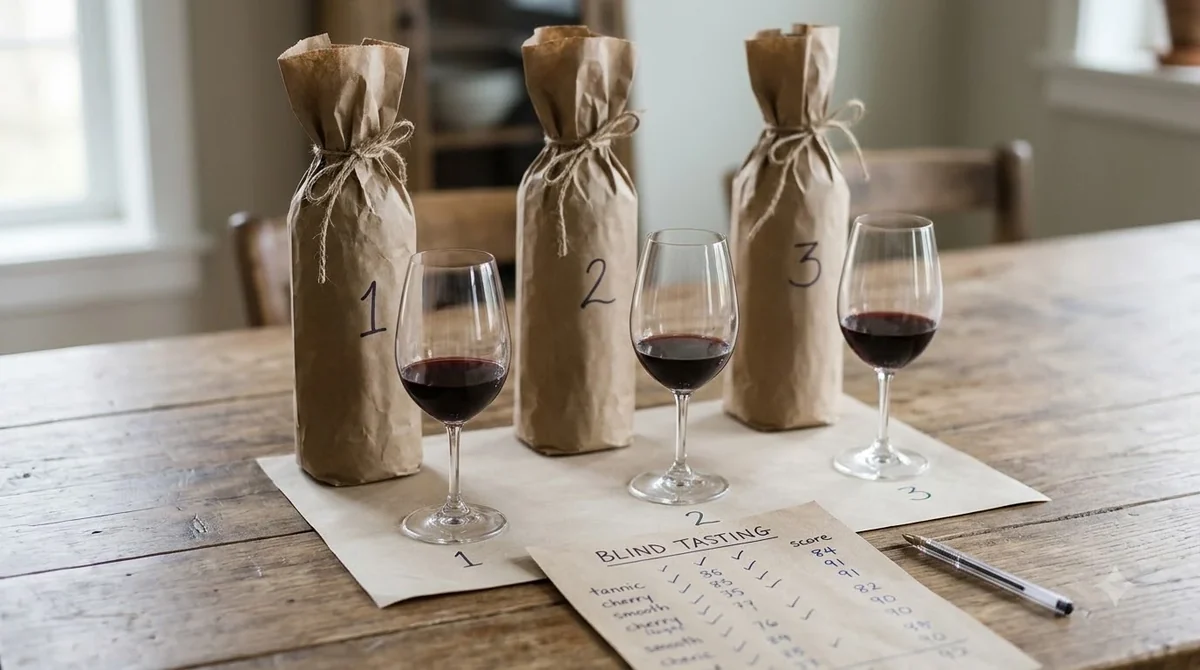
The most useful comparison is a side-by-side tasting. Pour approximately 2 ounces of each wine into separate glasses at similar temperatures, then compare their aromas and acidity. This simple approach makes stylistic differences easier to recognize without requiring advanced tasting experience.
Frequently Asked Questions
Can Oyster Bay Sauvignon Blanc be aged for several years?
It is primarily designed to showcase youthful fruit and freshness rather than extended bottle development. Most drinkers will appreciate its lively aromatic character while the wine is relatively young. Unlike some structured white wines, it does not require several years of cellaring to become approachable.
Does Oyster Bay Sauvignon Blanc contain sulfites?
Oyster Bay wines can contain naturally occurring and added sulfites. Sulfur dioxide is commonly used in winemaking to help protect wine against oxidation and unwanted microbial activity. The exact amount can vary between individual wines and releases.
Can Oyster Bay Sauvignon Blanc be used in cooking?
Yes. Its dry, citrus-driven profile makes it suitable for dishes such as lemon butter sauces, seafood preparations, and white wine reductions. Add it early enough for the alcohol to cook off, while retaining the acidity that gives sauces their fresh character.
Is Oyster Bay Sauvignon Blanc suitable for a wine spritzer?
Yes. Its citrus and tropical fruit character works well in a simple white wine spritzer. Combine 3 ounces of chilled Sauvignon Blanc with approximately 2 ounces of sparkling water over ice, then garnish with a lemon or lime slice. This creates a lighter, refreshing serving.
Does Oyster Bay Sauvignon Blanc need decanting?
No. This fresh, aromatic white wine generally does not require decanting. Opening the bottle and pouring it into a suitable glass is sufficient. A brief period in the glass can help reveal additional citrus, floral, and herbal aromas without requiring a separate decanter.
Oyster Bay Sauvignon Blanc offers a recognizable combination of passionfruit, tropical fruit, citrus, and crisp acidity that reflects the Marlborough region’s distinctive character. Its dry profile, stainless-steel fermentation, and refreshing finish make it a versatile choice for seafood, salads, and lighter meals. Serve it well chilled and enjoy it while its youthful aromas are at their most expressive.
More in Wine Brands
 Louis Latour Wine Price: Compare Bottles by Style and TierUpdated Nov 20, 2026
 Yellow Tail Moscato Price: What to Expect Before You BuyUpdated Nov 20, 2026
 Sutter Home Sweet Red Review: Find the Right Food PairingsUpdated Nov 20, 2026
 Franzia Chillable Red Review: Find the Right Serving StyleUpdated Nov 20, 2026
 Veuve Clicquot Rose Review: Flavor, Food Pairings and Buying AdviceUpdated Nov 20, 2026
 Rombauer Wine Price: Compare Bottles Before You BuyUpdated Nov 20, 2026