

We may earn a commission when you buy through links on this page, at no extra cost to you. Learn more.
Cloudy Bay Sauvignon Blanc tasting notes typically reveal fresh citrus, passionfruit, peach, white nectarine, aromatic herbs, and lively acidity, finishing with a distinctive saline freshness. This dry Marlborough white wine balances concentrated fruit with refreshing citrus character and subtle savory details. Expect an expressive aromatic profile, a crisp palate, and a particularly natural affinity for seafood, salads, and goat cheese.
Cloudy Bay Sauvignon Blanc is one of the best-known expressions of New Zealand Sauvignon Blanc, offering a recognizable combination of tropical fruit, citrus, fresh herbs, and mineral impressions. Although individual vintages differ, the wine generally maintains an energetic structure that makes it appealing as an aperitif and versatile alongside food. Understanding its aroma, palate, acidity, and finish makes it easier to recognize the house style and choose appropriate dishes.
Overall Flavor Profile and First Impressions
Cloudy Bay Sauvignon Blanc is a dry, aromatic white wine with concentrated citrus and tropical fruit flavors, supported by high acidity and a refreshing finish. Its defining characteristic is the balance between ripe fruit and savory freshness rather than sweetness or heavy oak influence.

The first impression is usually bright and expressive. Fresh lemon, lime, grapefruit, and passionfruit establish the wine’s recognizable Sauvignon Blanc identity. Depending on the vintage, peach, white nectarine, or other stone-fruit notes can add a slightly rounder dimension. These fruit characteristics are balanced by green herbs, floral details, and a subtle saline impression.
The 2025 vintage provides a particularly useful example of the style. Cloudy Bay describes aromas of peach, elderflower, makrut lime, and freshly squeezed lemon. On the palate, lemon curd and white nectarine meet sea-salt and dune-grass impressions, creating a combination of ripe fruit and coastal freshness. Its 13.5% alcohol level gives the wine sufficient presence without making it taste like a heavy white.
Cloudy Bay is not intended to taste like a sweet tropical fruit beverage. The fruit aromas may suggest passionfruit, peach, or citrus candy, but the overall impression remains dry. Its lively acidity prevents the ripe fruit character from becoming heavy, while the savory finish adds another dimension to the experience.
For drinkers familiar with New Zealand Sauvignon Blanc, the profile will feel recognizable but particularly concentrated and polished. It combines the pungent aromatic character associated with Marlborough with a more layered palate than a simple citrus-and-grass white wine.
The wine also changes slightly as it sits in the glass. Immediately after pouring, citrus and fresh fruit may dominate. After several minutes, floral, herbal, and savory details can become more apparent. This gradual development makes it useful to revisit the wine rather than judging it from the first aroma alone.
Aroma: Citrus, Tropical Fruit, and Fresh Herbs
The nose of Cloudy Bay Sauvignon Blanc combines citrus and tropical fruit with floral and green herbal aromas. Lemon, grapefruit, peach, passionfruit, and lime are useful reference points, although the precise balance changes between vintages.
Lemon is one of the most recognizable characteristics. It can smell like freshly squeezed lemon juice, lemon peel, or lemon curd, depending on the vintage and the wine’s development in the glass. Grapefruit contributes a slightly bitter citrus edge, while lime provides a sharper, more direct impression.
Passionfruit brings a ripe tropical character that is particularly familiar in Marlborough Sauvignon Blanc. It can be accompanied by guava, pineapple, or other tropical fruit impressions. Peach and white nectarine add a softer stone-fruit quality that contrasts with the sharper citrus notes.
Floral aromas help make the bouquet more complex. Elderflower is specifically identified in the producer’s description of the 2025 vintage. This fragrance can make the wine seem more delicate without taking away from its energetic fruit profile.
Herbal aromas provide another important dimension. Depending on the vintage, the wine may suggest fresh-cut grass, lime leaf, green herbs, tomato leaf, or lemongrass. These characteristics are not necessarily signs of underripeness. They are part of the aromatic range commonly associated with Sauvignon Blanc grown in a cool-climate region.
Wine Enthusiast’s review of the 2023 Cloudy Bay Sauvignon Blanc offers an additional perspective. Its tasting description identifies jalapeño, tomato leaf, green herbal aromas, citrus fruit, lemongrass, and fresh oregano. These notes demonstrate how the same producer can show a more pronounced savory and green character in one vintage than another.
When assessing the aroma, pay attention to three groups of scents:
- Citrus: Lemon, lime, grapefruit, and citrus peel.
- Fruit: Passionfruit, peach, white nectarine, and other tropical fruit.
- Herbal and floral: Elderflower, fresh grass, lime leaf, tomato leaf, and lemongrass.
These groups provide a practical tasting framework. Rather than trying to identify every possible aroma, consider whether the wine leans more toward citrus, tropical fruit, or green herbs. This approach makes it easier to compare different bottles and vintages.
Palate, Acidity, Body, and Finish
On the palate, Cloudy Bay Sauvignon Blanc is dry, crisp, and concentrated, with lively acidity supporting its citrus and tropical fruit flavors. Its medium-bodied impression and refreshing finish make it more substantial than a very light, neutral white wine.
The initial taste often emphasizes lemon, lime, grapefruit, and passionfruit. These flavors create an immediate impression of freshness. In the 2025 vintage, the producer describes lemon-curd character layered over white nectarine, showing how ripe fruit can complement the wine’s sharp citrus backbone.
The acidity is central to the wine’s structure. Sauvignon Blanc is naturally associated with high acidity, and Cloudy Bay uses this freshness to balance its concentrated fruit character. The result is a wine that feels lively rather than soft or broad. Its acidity also helps it work alongside foods containing lemon juice, vinegar, and other tangy ingredients.
The mid-palate introduces more texture. White nectarine, peach, and tropical fruit can make the wine seem rounder, while herbal and savory impressions keep the flavors from becoming overly fruit-driven. Depending on the vintage, a subtle saline or mineral impression may also become noticeable.
The finish is generally refreshing, with citrus acidity and lingering savory details. In the 2025 description, sea salt and dune grass contribute to the final impression. These characteristics make the wine especially appealing with shellfish and dishes containing fresh herbs.
Its alcohol level contributes to its overall weight. The 2025 vintage is listed at 13.5% ABV, which gives it more presence than some lighter-bodied Sauvignon Blanc examples. Nevertheless, acidity remains an important balancing element.
Here is a practical breakdown of the main structural characteristics:
| Characteristic | Typical impression | What to look for |
|---|---|---|
| Sweetness | Dry | Fruit aromas without a sugary finish |
| Acidity | High | Fresh lemon and lime sensation |
| Body | Medium | Concentrated fruit with refreshing weight |
| Alcohol | 13–13.5% ABV in the cited vintages | Noticeable warmth without dominating the fruit |
| Fruit character | Citrus and tropical | Passionfruit, peach, lemon, and nectarine |
| Finish | Fresh and savory | Citrus acidity, herbs, and saline impressions |
These characteristics explain why Cloudy Bay is often described as a refreshing but expressive white wine. It has enough flavor concentration to stand alongside flavorful food, while its acidity provides a clean counterpoint to richer ingredients.
The wine should not be confused with heavily oaked Chardonnay. Its identity is built around fruit purity, aromatic intensity, and freshness rather than pronounced vanilla, butter, or toast flavors. That distinction is particularly important when choosing food pairings.
Marlborough Terroir and Cloudy Bay Winemaking
Cloudy Bay Sauvignon Blanc reflects Marlborough’s sunny conditions, cool nights, and distinctive vineyard soils, particularly around the Wairau Valley. These conditions help explain the combination of ripe tropical fruit, green aromatics, and lively acidity.
Marlborough is New Zealand’s largest Sauvignon Blanc region. According to New Zealand Wine, its first Sauvignon Blanc vines were planted in 1975. The region subsequently became internationally recognized for wines that combine pronounced aromatics with concentrated fruit and refreshing acidity.
Cloudy Bay identifies vineyards across Rapaura, Renwick, and Brancott Valley as important sources for its Sauvignon Blanc. Many of these sites have coarse, free-draining gravelly soils associated with the old Wairau river system. These conditions contribute to the vineyard environment in which the producer develops its characteristic style.
There are differences between Marlborough’s subregions. The main Wairau Valley is associated with riper, more tropical, and more pungent Sauvignon Blanc. The Awatere Valley generally produces more herbaceous and mineral expressions. These regional distinctions provide useful context when comparing New Zealand Sauvignon Blanc wines.
Cloudy Bay also uses separate vineyard fermentations before blending. According to the producer, its winemaking team selects suitable components from more than 90 batches for the annual wine. This approach allows the individual vineyard contributions to be evaluated before the final blend is assembled.
Fermentation choices also influence the finished texture. The producer’s stated emphasis on selecting individual components helps maintain consistency while allowing each vintage to reflect its growing conditions. The result is not necessarily identical every year, but the familiar combination of fruit concentration and freshness remains recognizable.
New Zealand Sauvignon Blanc producers also use techniques such as wild fermentation, lees contact, and oak fermentation or aging to create different expressions of the variety. Cloudy Bay’s standard Sauvignon Blanc should therefore be considered within a broader regional tradition that values aromatic precision while allowing some variation in texture and complexity.
For additional regional context, the New Zealand Wine guide to Sauvignon Blanc explains the differences between Marlborough’s regional expressions and describes the characteristic fruit and herbal aromas associated with the grape.
Vintage Differences and What to Expect
Cloudy Bay Sauvignon Blanc maintains a recognizable house style, but individual vintages can differ in fruit concentration, herbal intensity, acidity, and texture. Comparing tasting descriptions from several releases is a useful way to understand these changes.
The 2023 vintage provides an example of a more pronounced green and herbal profile. Wine Enthusiast highlighted jalapeño, tomato leaf, green herbs, citrus, lemongrass, and fresh oregano. Its review awarded the wine 90 points and emphasized the balance between texture and acidity.
The 2025 vintage presents a different emphasis. Peach, elderflower, makrut lime, freshly squeezed lemon, lemon curd, and white nectarine feature prominently in the producer’s tasting description. The sea-salt and dune-grass details add a savory dimension to the fruit-driven profile.
The 2026 vintage provides another illustration of how the style can evolve. Cloudy Bay identifies lemon sherbet, passionfruit, peach, grapefruit skin, and makrut lime leaf among its principal aromas. Its palate emphasizes concentrated fruit, lively steel-cut-lemon acidity, and a saline finish. The stated alcohol level is 13% ABV, compared with 13.5% for the 2025 release.
These descriptions should not be treated as a strict ranking. A more herbal vintage is not automatically less enjoyable than a fruitier one. Instead, the differences provide opportunities to match individual bottles with different foods and personal preferences.
Consider the following comparison:
- 2023: A particularly useful reference for green herbal notes, tomato leaf, jalapeño, citrus, and lemongrass.
- 2025: A fruit-forward combination of peach, elderflower, makrut lime, lemon curd, and white nectarine.
- 2026: A concentrated profile featuring lemon sherbet, passionfruit, grapefruit skin, peach, and lively citrus acidity.
Vintage comparisons are also helpful when deciding which foods to serve. More herbaceous expressions can complement green vegetables and herb-based sauces. Fruitier expressions can work especially well with grilled shellfish, citrus dressings, and dishes featuring ripe stone fruit.
For a broader comparison of New Zealand Sauvignon Blanc styles, read the Oyster Bay Sauvignon Blanc tasting notes. Comparing the two wines can help clarify the differences between their fruit intensity, herbal character, and overall palate impressions.
Serving Temperature, Glassware, and Storage
Cloudy Bay Sauvignon Blanc is best served chilled at approximately 46–50°F, allowing its citrus aromas, tropical fruit, and lively acidity to remain balanced. Avoid serving it so cold that its aromatic details become difficult to recognize.
The producer recommends a serving temperature of 8–10°C for the 2025 vintage, which corresponds to approximately 46–50°F. This falls within the usual range for light and aromatic white wines.
Temperature makes a noticeable difference to the tasting experience. At refrigerator temperature, the wine may initially seem very crisp, with citrus acidity dominating the palate. As it warms slightly in the glass, peach, passionfruit, floral notes, and herbal details become easier to identify.
A medium-sized white wine glass with a moderately narrow opening is a practical choice. It allows the wine to release its aromas while directing them toward the nose. A standard white wine glass is sufficient; specialized glassware is not necessary to appreciate the wine’s character.
Pouring approximately 5 ounces into each glass gives enough room for swirling and evaluating the aromas. A standard 750 ml bottle provides approximately five such servings, making it convenient for a small dinner or tasting session.
Cloudy Bay Sauvignon Blanc does not generally require decanting. Unlike a young, structured full-bodied red wine, this aromatic white is better enjoyed shortly after opening. A few minutes in the glass are usually enough to allow its aromas to develop.
Tip: Remove the bottle from the refrigerator shortly before serving if it is extremely cold. Start around 46–50°F, pour a small amount, and allow the wine to warm slightly in the glass. This makes it easier to distinguish lemon and lime from peach, elderflower, and herbal aromas.
For storage, keep unopened bottles in a cool, dark place with a reasonably stable temperature. A cellar near 55°F is suitable for general wine storage. Avoid leaving Sauvignon Blanc in a warm kitchen, near direct sunlight, or in an area with repeated temperature fluctuations.
After opening, reseal the bottle and refrigerate it. Most opened still wines retain their best qualities for approximately 3–5 days, although aromatic freshness can decline before the wine becomes undrinkable. A good stopper helps limit oxygen exposure and preserve the citrus and floral aromas.
Food Pairings That Complement Its Citrus Acidity
Cloudy Bay Sauvignon Blanc pairs particularly well with seafood, shellfish, fresh salads, goat cheese, and dishes containing lemon, lime, or fresh herbs. Its high acidity and aromatic fruit provide freshness that complements delicate ingredients without overwhelming them.
Seafood is among the most reliable pairing categories. Tempura oysters, steamed mussels, sashimi, and simply prepared white fish work naturally with the wine’s citrus and saline characteristics. Lemon-based sauces reinforce its freshness, while parsley, coriander, and other green herbs connect with its aromatic profile.
Oysters are especially appealing because their natural salinity can complement the wine’s savory finish. Tempura oysters introduce a richer, crispier texture, while the wine’s acidity helps refresh the palate between bites. This combination works particularly well when the accompanying sauce is not excessively sweet or spicy.
Steamed mussels with garlic, citrus, and parsley are another strong choice. The wine’s lemon and lime character complements the citrus, while its herbal aromas connect with the parsley. Garlic adds savory depth without requiring a heavy sauce.
Sashimi is a good match when prepared with relatively clean flavors. The freshness of the fish allows the wine’s fruit and acidity to remain noticeable. Citrus, a modest amount of soy sauce, and fresh herbs can provide additional connections between the dish and the wine.
Green salads also work well, particularly those containing cucumber, asparagus, green vegetables, or citrus vinaigrette. Sauvignon Blanc’s acidity helps it stand alongside tangy dressings. However, avoid dressings that are excessively sweet, as their sweetness can make a dry wine seem sharper.
Goat cheese is another natural companion. Its creamy texture and characteristic tang work with the wine’s high acidity. A fresh goat cheese salad with lemon dressing provides a straightforward combination, while grilled vegetables add more savory character.
Chicken can also work, especially when served with lemon, herbs, or a light vegetable sauce. Avoid extremely heavy cream sauces that overpower the wine’s more delicate aromatic details. If the dish is rich, a modest amount of citrus or fresh herbs can help create a better balance.
Here are practical pairing suggestions:
- Oysters: Serve chilled with lemon or a light citrus dressing.
- Mussels: Prepare with garlic, parsley, white wine, and lemon.
- Sashimi: Choose delicate fish with restrained seasoning.
- White fish: Grill or steam and finish with lime and fresh herbs.
- Goat cheese: Pair with a green salad and citrus vinaigrette.
- Vegetables: Try asparagus, cucumber, green beans, and lightly grilled peppers.
- Chicken: Choose lemon-herb preparations rather than heavy sauces.
Spicy food requires more care. Chili heat can become more pronounced alongside alcohol and tannin, and although Sauvignon Blanc has little tannin, its alcohol can still intensify the perception of heat. Mildly seasoned dishes are generally safer than extremely hot preparations.
Oily fish can be challenging with some wines, especially tannic reds, but Cloudy Bay’s crisp white-wine structure offers a more suitable starting point. Choose preparations with citrus, herbs, and moderate seasoning rather than very rich or strongly smoked sauces.
For another perspective on the style, compare these recommendations with the Kim Crawford Sauvignon Blanc tasting notes and the Whitehaven Sauvignon Blanc tasting notes. These comparisons can help illustrate how different Marlborough producers express Sauvignon Blanc’s citrus, tropical, and herbal characteristics.
Readers exploring other producers and grape varieties can also browse the Wine Brands section for additional tasting profiles and bottle comparisons.
Frequently Asked Questions
Is Cloudy Bay Sauvignon Blanc suitable for vegetarians and vegans?
Wine clarification methods vary, and some winemakers use animal-derived fining agents such as egg white, casein, or gelatin. Others use plant-based or mineral alternatives. The grape variety itself does not determine whether a finished wine is vegan, so certification or producer confirmation is the most reliable way to establish its suitability.
Does Cloudy Bay Sauvignon Blanc have noticeable oak flavors?
The standard Sauvignon Blanc is primarily recognized for its fresh fruit, citrus, and herbal profile rather than strong oak flavors. Cloudy Bay also produces Te Koko, a separate Sauvignon Blanc expression with a different winemaking approach. These wines should not be assumed to have identical texture or flavor characteristics.
Can Cloudy Bay Sauvignon Blanc develop bottle variation?
Natural cork closures can allow different amounts of oxygen to enter bottles, while storage conditions can also affect development. Cloudy Bay Sauvignon Blanc commonly uses a screw-cap closure, which helps provide a more consistent seal. Nevertheless, temperature history and bottle handling can still influence the condition of individual bottles.
Is Cloudy Bay Sauvignon Blanc a good wine for a blind tasting?
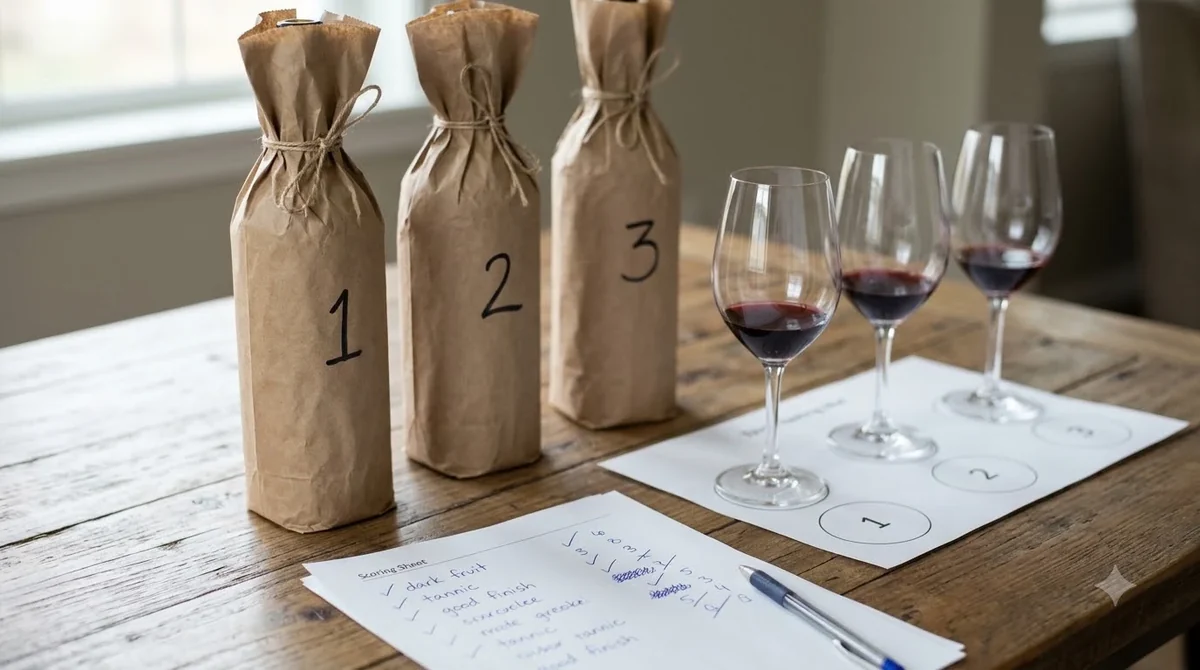
Yes. Its pronounced citrus, passionfruit, and herbal aromas make it a useful reference for identifying Marlborough Sauvignon Blanc. A blind flight of three or four Sauvignon Blanc wines from different regions can help reveal how climate and winemaking influence aromatic intensity and acidity.
What is the difference between Sauvignon Blanc and Sauvignon Gris?
Sauvignon Gris is a related grape variety that generally has pinkish-gray skin rather than the green skin of Sauvignon Blanc. It can produce wines with broader texture and different aromatic characteristics. Despite their similar names, the two varieties should not be treated as interchangeable when comparing tasting profiles.
Cloudy Bay Sauvignon Blanc stands out for its combination of citrus, tropical fruit, fresh herbs, and lively acidity, with subtle vintage differences adding interest to its recognizable Marlborough character. Serve it well chilled and pair it with seafood, goat cheese, or fresh salads to make the most of its aromatic freshness. Comparing different vintages and neighboring Marlborough producers is an excellent way to develop a clearer understanding of this distinctive New Zealand white wine.
More in Wine Brands
 Iron Horse Wine Price: Compare Bottles by Style and ValueUpdated Nov 21, 2026
 Is Apothic Red Good? Find Out If This Smooth Red Blend Is Worth BuyingUpdated Nov 21, 2026
 Is Duckhorn Merlot Good? What to Expect Before You BuyUpdated Nov 21, 2026
 Inglenook Wine Review: Find the Right Napa Valley BottleUpdated Nov 21, 2026
 Is Daou Cabernet Good? Taste, Quality, and Buying TipsUpdated Nov 21, 2026
 Hess Select Wine Review: Find the Right California Wine for Your TableUpdated Nov 21, 2026