

We may earn a commission when you buy through links on this page, at no extra cost to you. Learn more.
Whitehaven Sauvignon Blanc tasting notes reveal a fresh, dry Marlborough white wine with bright citrus, passionfruit, gooseberry, green herbs, lemongrass, and lively acidity. Made entirely from Marlborough-sourced grapes in New Zealand, this Sauvignon Blanc combines tropical fruit character with refreshing green and citrus flavors. Expect a medium-bodied palate, a clean finish, and enough acidity to complement seafood, salads, poultry, and lightly seasoned Asian dishes.
Whitehaven is a recognizable name in New Zealand Sauvignon Blanc, producing wines that emphasize regional fruit expression, aromatic freshness, and balanced acidity. Its flagship Sauvignon Blanc offers an accessible introduction to Marlborough’s distinctive style, combining ripe fruit with the grassy, citrus-driven characteristics that make the region popular among white wine drinkers. Understanding its aroma, palate, texture, serving temperature, and food compatibility makes it easier to decide whether this bottle suits your preferences.
Whitehaven Sauvignon Blanc: Wine Style and Overall Profile
Whitehaven Sauvignon Blanc is a dry, aromatic white wine from Marlborough, New Zealand, with a medium body and pronounced natural freshness. Its defining characteristics are ripe citrus, tropical fruit, green herbs, and a lively acidity that keeps the wine refreshing rather than heavy.
The wine’s appearance is typically pale lemon, sometimes showing subtle green reflections depending on the vintage and lighting. Its clarity and light color are consistent with a fresh, fruit-focused Sauvignon Blanc. Rather than presenting the deeper golden appearance associated with some mature or heavily developed white wines, Whitehaven emphasizes youthful fruit expression.
The grape variety is Sauvignon Blanc, a naturally aromatic grape known for producing wines with noticeable acidity and recognizable herbal and citrus characteristics. Marlborough’s expression often combines lime, grapefruit, passionfruit, gooseberry, and freshly cut green notes. Whitehaven brings these familiar regional qualities together with ripe peach and tropical fruit.
The winery’s 2025 technical information records 13% alcohol, 1.4 grams per liter of residual sugar, 6.51 grams per liter of titratable acidity, and a pH of 3.25. These measurements help explain the wine’s combination of dryness, freshness, and relatively concentrated fruit character. The modest residual sugar supports a dry overall impression rather than a noticeably sweet finish.
Independent tasting observations also support this profile. Wine Enthusiast describes the 2025 bottling as dry and crisp, identifying peach, passionfruit, lemongrass, and basil alongside a softly slippery texture and pungent finish. Its review gives readers another perspective beyond the producer’s own description. You can read the Wine Enthusiast Whitehaven 2025 review for its complete tasting assessment.
Whitehaven is a useful choice for drinkers who enjoy expressive New Zealand whites but do not necessarily want an extremely lean or austere style. Its combination of tropical fruit, citrus, and herbal notes gives it several dimensions without requiring the weight or oak influence associated with richer Chardonnay styles.
Aroma Profile: Citrus, Passionfruit, Gooseberry, and Fresh Herbs
The aroma of Whitehaven Sauvignon Blanc typically combines fresh citrus and tropical fruit with recognizable green herbal characteristics. Lime, grapefruit, passionfruit, gooseberry, lemongrass, and aromatic herbs provide the main reference points for identifying its Marlborough personality.
Start with the citrus aromas. Grapefruit, lime, and ripe citrus oil provide a sharp, fresh impression that becomes more apparent as the wine warms slightly in the glass. The citrus character is not limited to one fruit: some expressions suggest lemon peel, while others lean toward grapefruit or yuzu. These aromas create an impression of freshness before the first sip.
Passionfruit and tropical melon add a riper dimension. Passionfruit is particularly recognizable in Marlborough Sauvignon Blanc because of its distinctive sweet-smelling tropical aroma, even when the wine itself is dry. Whitehaven’s 2025 description also identifies white peach and tropical melon, which contribute a softer fruit character alongside the sharper citrus notes.
Gooseberry provides another important reference point. It has a distinctive combination of tart fruit and green freshness that can resemble slightly underripe berries. Blackcurrant leaf and boxwood contribute a more savory, leafy impression. These characteristics are useful for recognizing Sauvignon Blanc because they distinguish the grape from less herbaceous white varieties.
Lemongrass and fresh aromatic herbs complete the aromatic profile. They can suggest freshly cut garden herbs, citrus leaves, or the green fragrance released when chopping fresh ingredients. Some vintage descriptions also mention green capsicum, jalapeño, or basil, although the intensity of these notes can vary between bottles and growing seasons.
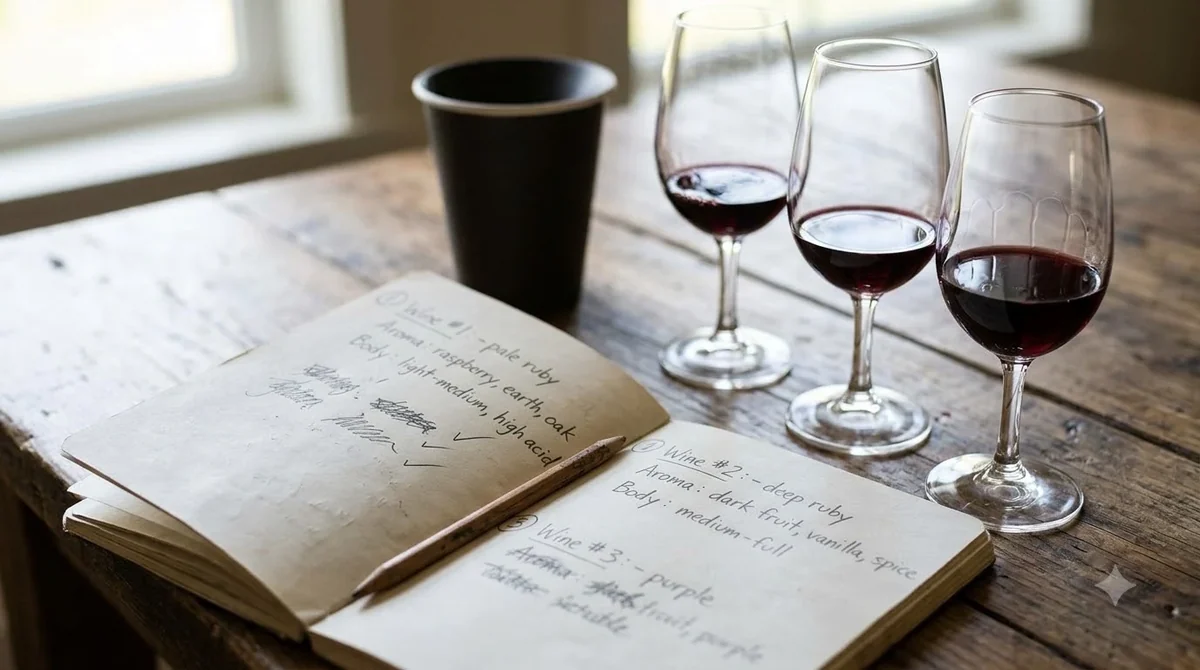
To assess the aromas, pour a small amount into a clean white wine glass and allow it to settle for approximately 30 seconds. Begin with a gentle sniff before swirling the glass. A second sniff often reveals additional layers, especially when the wine has been served very cold and its aromas were initially restrained.
Temperature makes a difference during this process. Excessive chilling can suppress the tropical and herbal aromas, while allowing the wine to become too warm can make its alcohol and fruit sweetness seem more prominent. A moderately chilled serving temperature gives the wine a better opportunity to show both citrus freshness and aromatic complexity.
Palate, Acidity, Body, and Finish
Whitehaven Sauvignon Blanc has a medium-bodied palate with refreshing acidity, a concentrated fruit impression, and a relatively clean finish. Citrus, peach, gooseberry, and tropical fruit create the central flavor profile, while green herbs and mineral-like details add definition.
The first sip usually emphasizes freshness. Lime, grapefruit, and passionfruit provide an immediate fruit impression, while gooseberry and leafy green flavors contribute a sharper edge. The wine’s acidity makes the fruit seem lively and keeps the overall experience from becoming heavy.
White peach and other stone-fruit flavors soften the sharper citrus characteristics. They give the palate a little more roundness and help explain why Whitehaven can feel more substantial than some very light, aggressively acidic Sauvignon Blanc wines. Yuzu, a citrus fruit with aromatic peel and tart juice characteristics, can also appear in the winery’s descriptions of the 2025 vintage.
Texture is another distinguishing feature. Whitehaven describes its 2025 wine as medium-bodied, with layered richness from multiple vineyard sites. Wine Enthusiast notes a softly slippery texture, suggesting a smooth sensation rather than a particularly thin or watery palate. The wine nevertheless retains the bright acidity expected from Marlborough Sauvignon Blanc.
Acidity is one of the most important structural elements. Whitehaven’s 2025 technical information lists titratable acidity at 6.51 grams per liter, while its 2023 vintage lists 7.3 grams per liter. These figures illustrate how the balance can change between vintages while preserving the wine’s recognizable fresh style.
The finish brings together citrus, green fruit, and herbal flavors. Lime, grapefruit, and leafy notes can linger after swallowing, creating a mouthwatering sensation. Whitehaven describes the 2025 finish as precise and lingering, while its 2023 description emphasizes oyster-shell and saline details alongside citrus and white peach.
For drinkers comparing Sauvignon Blanc with other white grapes, the distinction is useful. Chardonnay generally has medium acidity, while Sauvignon Blanc is known for high acidity. Whitehaven’s style therefore tends to feel brighter and more refreshing than a fuller, softer Chardonnay, even though it has enough body to accompany substantial food.
The wine is dry rather than sweet. Ripe passionfruit and peach aromas can suggest sweetness to the nose, but aroma and actual sugar content are different things. Its low residual sugar and pronounced acidity help maintain a dry impression.
Marlborough Origins and the Influence of Three Valleys
Whitehaven’s regional identity comes from Marlborough, on New Zealand’s South Island, where different vineyard areas contribute distinct fruit and structural characteristics. The winery identifies the Awatere Valley, Wairau Valley, and Southern Valleys as important sourcing areas for its Sauvignon Blanc program.
The Awatere Valley is associated with cooler, windier growing conditions. According to Whitehaven, grapes ripen more slowly in this environment, encouraging green fruit and herbal characteristics. Gooseberry, blackcurrant leaf, and jalapeño are examples of the flavors associated with this part of Marlborough.
These characteristics help explain the recognizable green dimension in the wine. The herbal character does not necessarily indicate underripe fruit or an unpleasant vegetal quality. In a balanced Sauvignon Blanc, it can provide contrast against ripe passionfruit, citrus, and peach.
The Wairau Valley contributes a different expression. Whitehaven identifies its free-draining soils, warmer temperatures, and extended growing season as factors that encourage tropical and citrus fruit flavors. These conditions help explain the ripe, expressive side of the wine’s aromatic profile.
The Southern Valleys provide another element. Located on the southern slope of the Wairau Valley, this area is described by Whitehaven as cool and dry, producing wines with structure, texture, and minerality. These characteristics can help add depth to a blend dominated by fresh fruit aromas.
Combining fruit from multiple vineyard sites gives the winemaking team more options when balancing the final wine. Instead of relying on a single expression of Marlborough, the winery can work with different combinations of citrus intensity, tropical ripeness, green herbal character, and palate structure.
Whitehaven also qualified for Appellation Marlborough Wine certification in 2019. The certification reflects its commitment to sourcing grapes, producing wine, and bottling within Marlborough under the organization’s requirements.
Regional identity is especially important when comparing Whitehaven with other New Zealand Sauvignon Blanc producers. Kim Crawford Sauvignon Blanc tasting notes provide another useful reference for understanding a recognizable Marlborough-influenced style. Meanwhile, Oyster Bay Sauvignon Blanc tasting notes offer a comparison for drinkers interested in different interpretations of citrus, tropical fruit, and herbal freshness.
Winemaking Methods and Vintage Differences
Whitehaven uses vineyard selection and temperature-controlled fermentation to preserve the fresh fruit and aromatic character of its Marlborough Sauvignon Blanc. Its published technical descriptions identify stainless steel fermentation, limited skin contact, and time on yeast lees as important elements of the production process.
For the 2025 vintage, the winery reports that the grapes were machine harvested and pressed immediately, with minimal skin contact. This approach helps obtain clean juice while limiting the extraction of unwanted phenolic compounds from the skins.
After pressing, the juice is allowed to settle before fermentation. Whitehaven specifies stainless steel tanks and fermentation temperatures between 12°C and 16°C. Cool fermentation conditions help retain the grape’s aromatic character, including delicate citrus, tropical fruit, and herbal notes.
Stainless steel also avoids the strong vanilla, toast, and baking-spice characteristics that can accompany new oak aging. Whitehaven’s Sauvignon Blanc is therefore primarily about fruit, acidity, and regional expression rather than pronounced oak flavors.
The winery reports that its 2025 wine remained on light yeast lees in tank for approximately two months before blending in July 2025. Lees are the sediment of dead yeast cells remaining after fermentation. Contact with fine lees can contribute texture and a slightly fuller impression without necessarily creating an obvious yeast or bread flavor.
The 2023 vintage followed a related approach but had a different production schedule. Whitehaven reports that the wine remained on light yeast lees for up to six weeks before blending in June 2023. The difference in maturation time illustrates why individual vintages can have subtle variations in texture and overall balance.
Why vintage matters
Weather during the growing season affects grape ripeness, acidity, fruit concentration, and harvest timing. A cooler season can preserve sharper citrus and green fruit characteristics, while warmer conditions may encourage riper tropical aromas and a softer overall impression.
Whitehaven’s published 2023 and 2025 descriptions demonstrate these differences. The 2023 vintage emphasizes grapefruit, white peach, gooseberry, lemongrass, and oyster-shell notes. The 2025 description highlights ripe citrus oil, tropical melon, yuzu, blackcurrant, boxwood, and ripe green flavors.
These are variations within a recognizable house style rather than completely different wines. Both vintages retain the central elements of Marlborough Sauvignon Blanc: aromatic fruit, fresh acidity, and a noticeable herbal dimension.
Tip: When comparing two Whitehaven vintages, focus on the balance between citrus, tropical fruit, and herbal notes rather than expecting identical flavors. Differences in growing conditions, acidity, and maturation can change the emphasis without removing the wine’s Marlborough identity.
Serving Temperature, Glassware, and Storage
Whitehaven Sauvignon Blanc is best served chilled at approximately 45–50°F. This temperature range preserves its refreshing acidity while allowing citrus, passionfruit, gooseberry, and herbal aromas to remain expressive.
Serving the wine directly from a very cold refrigerator can initially suppress its fragrance. If the bottle is particularly cold, allow it to sit briefly before pouring. As the wine warms slightly in the glass, its tropical and stone-fruit characteristics become easier to recognize.
A standard white wine glass with a moderately narrow bowl works well. It provides enough room for swirling while helping concentrate the wine’s aromatic profile. A very large red wine glass is unnecessary, although there is no need to use an unusually small glass that restricts the aromas.
Pour approximately 5 ounces per serving. A standard 750 ml bottle provides roughly five glasses, making it a convenient quantity for a small dinner or a casual gathering. Leaving some space in the glass also makes it easier to swirl and assess the aromas.
Decanting is generally unnecessary. Unlike a young, full-bodied Cabernet Sauvignon, which may benefit from 30–60 minutes of aeration, Whitehaven Sauvignon Blanc is intended to emphasize freshness. Opening the bottle shortly before serving is normally sufficient.
How to store an opened bottle
Refrigerate the remaining wine promptly after opening. A tightly fitted closure helps limit oxygen exposure, while refrigeration slows the changes that gradually reduce fresh fruit aromas and acidity.
As a general guideline, opened still white wines usually remain enjoyable for approximately three to five days when refrigerated and properly resealed. The exact period depends on the wine’s condition, oxygen exposure, and storage temperature. The brightest citrus and tropical aromas are generally most noticeable shortly after opening.
For unopened bottles, store the wine in a cool, dark location with a reasonably stable temperature. A storage temperature near 55°F is a useful general target for wine. Avoid prolonged exposure to direct sunlight, excessive heat, or repeated temperature fluctuations.
Whitehaven recommends enjoying its 2025 Sauvignon Blanc while young and fresh, although the winery notes that careful cellaring can allow it to develop beyond five years. For drinkers who prioritize fresh citrus, tropical fruit, and green herbal aromas, drinking it relatively young is the more straightforward approach.
Food Pairings for Whitehaven Sauvignon Blanc
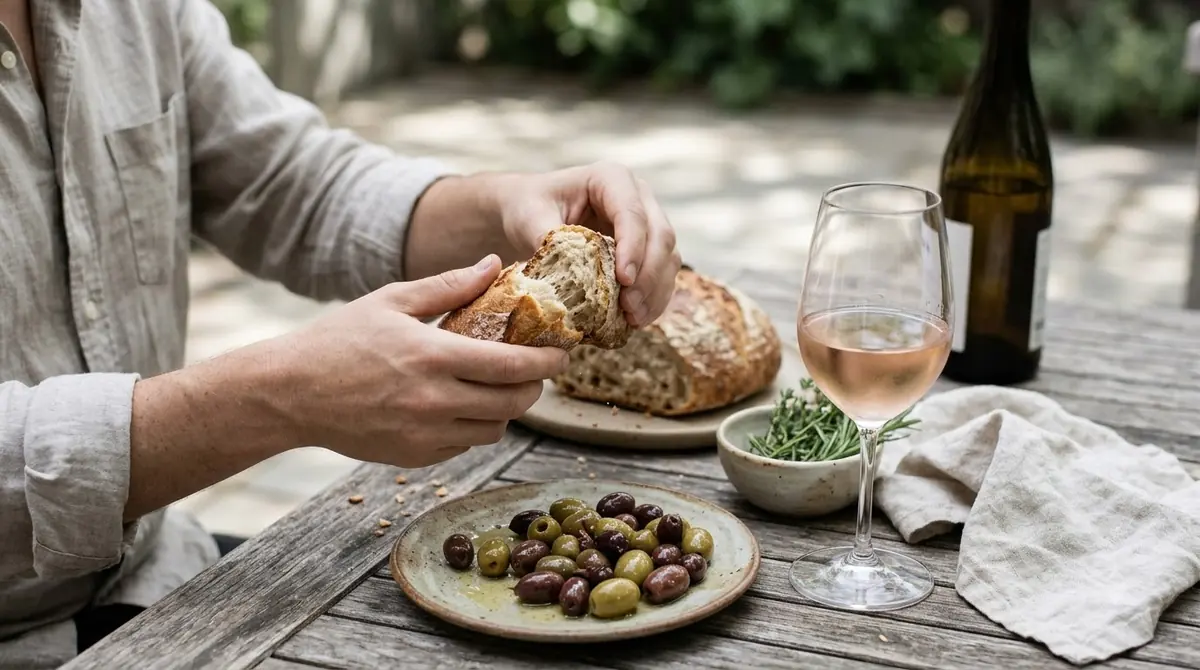
Whitehaven Sauvignon Blanc pairs particularly well with oysters, fresh seafood, light poultry, summer salads, goat cheese, and Japanese cuisine. Its bright acidity refreshes the palate, while its citrus and herbal flavors complement ingredients that have fresh, delicate, or lightly savory characteristics.
Seafood is a natural starting point. Fresh oysters work especially well because their saline character complements the wine’s citrus and mineral-like notes. A squeeze of lemon reinforces the shared acidity, while the wine’s freshness prevents the pairing from feeling heavy.
White fish is another reliable option. Grilled sole, steamed clams, baked cod, and lightly seasoned sea bass provide delicate flavors that allow the wine’s fruit and acidity to remain noticeable. Fresh herbs, lemon, and a light dressing can strengthen the connection between the food and wine.
Whitehaven’s medium body also makes it suitable for richer seafood preparations. Shrimp with garlic, grilled scallops, and seafood salads with olive oil can work well, particularly when the seasoning remains balanced. Very heavy cream sauces may overpower the wine’s more delicate herbal and citrus characteristics.
Japanese dishes offer several possibilities. Sushi, sashimi, tempura, and lightly seasoned grilled fish can complement the wine’s fresh fruit and acidity. Soy sauce and salty seasonings can soften the impression of acidity, while citrus-based sauces help connect the dish with the wine’s grapefruit and lime notes.
For poultry, choose grilled chicken, roasted chicken breast, or chicken with fresh herbs. Lemon, parsley, basil, and light vinaigrettes are particularly useful flavor bridges. Rich, heavily smoked preparations may require a fuller white wine, but simple grilled or roasted poultry works naturally with Whitehaven.
Vegetable dishes can be equally successful. Green salads, asparagus, cucumber, zucchini, and fresh herbs provide flavors that complement Sauvignon Blanc’s aromatic character. A citrus vinaigrette is particularly effective because its acidity reinforces the wine’s own structure.
Goat cheese is another classic match. Its tangy flavor works with the wine’s acidity, while its creamy texture provides a pleasant contrast. Salty cheeses can also work well because salt tends to soften certain perceptions of acidity and bitterness, making the fruit seem more approachable.
Spicy Asian dishes require a little more attention. Whitehaven’s tropical fruit and citrus flavors can complement dishes with ginger, lime, cilantro, and moderate chili seasoning. However, intense chili heat can seem stronger alongside alcohol, so dishes with very high heat levels may be less comfortable than moderately spiced preparations.
For a practical comparison with another well-known Marlborough label, see Cloudy Bay Sauvignon Blanc tasting notes. Exploring different producers can help identify whether you prefer a more tropical, citrus-driven, herbal, or mineral-oriented interpretation of the region.
The following guide summarizes useful serving and pairing choices.
| Serving or pairing detail | Recommended choice | Reason |
|---|---|---|
| Serving temperature | 45–50°F | Preserves freshness and aromatic expression |
| Glass pour | 5 oz | Leaves room for swirling and aroma development |
| Standard bottle | 750 ml | Approximately five standard glasses |
| Alcohol content | 13% | Reported for the 2025 vintage |
| Residual sugar | 1.4 g/L | Supports a dry overall impression |
| Titratable acidity | 6.51 g/L | Contributes to the wine’s fresh structure |
| Opened-bottle storage | 3–5 days refrigerated | General guideline for opened still white wine |
| Best seafood pairing | Fresh oysters | Salinity complements citrus and mineral notes |
| Best cheese pairing | Fresh goat cheese | Tanginess complements high acidity |
Frequently Asked Questions
Is Whitehaven Sauvignon Blanc made entirely from Sauvignon Blanc grapes?
Yes. Whitehaven’s published 2024 technical specifications identify Sauvignon Blanc as the wine’s sole grape variety. The wine’s flavor complexity comes from vineyard selection, fruit characteristics, and winemaking rather than blending several grape varieties.
Does Whitehaven Sauvignon Blanc contain oak-aged flavors?
Whitehaven’s published vinification information identifies stainless steel fermentation for its Sauvignon Blanc. The winery does not describe the flagship wine as an oak-aged expression. Consequently, its principal flavor characteristics are fruit, herbs, and fresh acidity rather than pronounced vanilla or toasted wood.
Does Whitehaven Sauvignon Blanc have a screw cap?
Yes. Whitehaven’s published 2024 product specifications identify a screw cap closure. This type of closure is widely used for aromatic white wines because it provides a practical way to reseal bottles and helps maintain freshness during storage.
What is the difference between residual sugar and perceived sweetness in this wine?
Residual sugar measures the sugar remaining after fermentation, while perceived sweetness is influenced by aroma, fruit ripeness, and acidity. Whitehaven’s 2025 technical information lists 1.4 grams per liter of residual sugar. Ripe passionfruit and peach aromas may suggest sweetness even though the wine has a dry overall taste.
Can Whitehaven Sauvignon Blanc be used in wine cocktails?
Yes. Its citrus character and acidity make it suitable for simple white wine spritzers and fruit-forward wine cocktails. A combination with sparkling water, fresh lime, and cucumber can complement its herbal character without overwhelming the wine’s natural fruit profile.
Whitehaven Sauvignon Blanc is a fresh, expressive Marlborough white built around citrus, passionfruit, gooseberry, green herbs, and lively acidity. Its medium body and clean finish make it a versatile choice for seafood, salads, poultry, and lightly seasoned Asian food. If you enjoy aromatic whites with a dry finish and recognizable New Zealand character, Whitehaven is a worthwhile bottle to explore alongside other leading Sauvignon Blanc producers. For more comparisons and tasting profiles, explore our Wine Brands collection.
More in Wine Brands
 Louis Latour Wine Price: Compare Bottles by Style and TierUpdated Nov 20, 2026
 Yellow Tail Moscato Price: What to Expect Before You BuyUpdated Nov 20, 2026
 Sutter Home Sweet Red Review: Find the Right Food PairingsUpdated Nov 20, 2026
 Franzia Chillable Red Review: Find the Right Serving StyleUpdated Nov 20, 2026
 Veuve Clicquot Rose Review: Flavor, Food Pairings and Buying AdviceUpdated Nov 20, 2026
 Rombauer Wine Price: Compare Bottles Before You BuyUpdated Nov 20, 2026