

We may earn a commission when you buy through links on this page, at no extra cost to you. Learn more.
At US retailers, iron horse wine price typically ranges from about $25 to $90 for many 750 ml bottles, with special sparkling releases reaching about $125, based on retailer comparisons and Iron Horse’s own listings; prices vary by state and retailer. The right budget depends on whether you want a familiar sparkling cuvée, a more limited bottling, Chardonnay, or single-vineyard Pinot Noir. Comparing the wine style and release tier is more useful than treating every Iron Horse bottle as one price category.
Iron Horse Vineyards is a Sonoma County producer best known for estate sparkling wine, with still Chardonnay and Pinot Noir in its portfolio. This guide explains what typical bottles cost, why some releases sit higher, and how to choose a bottle that fits the occasion without paying for a style you do not want.
Who This Wine Is For
Iron Horse suits shoppers who want California wine with a clear sense of place and who are open to spending more for estate-grown fruit, traditional-method sparkling wine, or vineyard-designate still wines. The winery is in Green Valley of the Russian River Valley, about 13 miles from the Pacific, and its approximately 160 acres under vine are planted to Chardonnay and Pinot Noir, according to the producer.
That makes the range especially relevant to buyers choosing a bottle for a wedding toast, holiday meal, anniversary, or a dinner where a sparkling wine can stay on the table beyond the first pour. The best-known Wedding Cuvée is a dry Blanc de Noirs, while Classic Vintage Brut is positioned as the winery’s flagship sparkling wine. A buyer looking for one uncomplicated, inexpensive house wine may find the selection more specialized than necessary.
The still wines make sense for shoppers who prefer a food-friendly white or a red with a cooler-climate profile. Iron Horse says its estate portfolio includes six Chardonnays and eight single-vineyard Pinot Noirs, so a buyer can move from a more approachable Chardonnay to a site-specific bottling without changing producers. For a broader overview of the winery’s bottles and styles, start with this guide to iron horse wine.
Key Factors to Compare
The biggest price drivers are wine style, release tier, vineyard designation, bottle size, and whether the seller is offering a current release or an older vintage. The comparison below gives practical US reference ranges for standard 750 ml bottles rather than a promise that every retailer will stock every wine.
| Wine category | Typical 750 ml price range | What the range usually represents |
|---|---|---|
| Core sparkling cuvées | About $25 to $75. Vino Alert lists Classic Vintage Brut from about $26, while DailyVino shows core cuvées around $58 to $75; prices vary by state and retailer. | Classic Vintage Brut, Wedding Cuvée, and other familiar sparkling releases. |
| Limited or late-disgorged sparkling | About $65 to $125. Iron Horse’s own collection lists selected bottlings around $65 to $75 and late-disgorged releases around $125; retailer prices vary by state and retailer. | Small-production cuvées, special releases, and wines held longer before release. |
| Chardonnay | About $30 to $60. DailyVino lists Iron Horse Chardonnay bottlings around $32 to $57, and ReserveBar lists a 750 ml Chardonnay near the lower end; prices vary by state and retailer. | From the more accessible Chardonnay to named or more distinctive estate expressions. |
| Single-vineyard Pinot Noir | About $85 to $90. DailyVino lists several Iron Horse single-vineyard Pinot Noirs at about $87 per 750 ml bottle; prices vary by state and retailer. | Site-specific bottlings such as North Block, Q, Winery Block, and Home Ranch. |
Use those ranges as sorting tools, not as a strict quality ladder. The same cuvée can have different vintages and retail availability, and a retailer may show a wine that the winery no longer lists. DailyVino notes that retailer prices can change, so compare its Iron Horse bottle and price listings with the winery’s shop before treating two listings as equivalent.
For sparkling wines, a higher price may reflect a limited release, a different blend, or extra time before disgorgement rather than a sweeter or stronger wine. For still wines, vineyard designation matters because the estate is divided into separately farmed blocks; compare named bottlings with other named bottlings rather than with a broad Chardonnay or Pinot Noir label.
Step-by-Step: How to Choose a Bottle
A good purchase starts with the occasion and the style you want, then narrows by release and seller. Follow these steps to compare bottles on equal terms instead of choosing by the largest or smallest number on a shelf tag.
- Set the occasion first. For a toast or aperitif, begin with the sparkling range; for a meal centered on fish, roast chicken, or vegetables, compare Chardonnay; for duck, mushroom dishes, or roast poultry, consider Pinot Noir. A wine that suits the meal is a better choice than a higher-tier bottle in the wrong style.
- Choose the broad category. Wedding Cuvée and Classic Vintage Brut are useful starting points if you want bubbles. Chardonnay is the natural white-wine route, while Pinot Noir is the red-wine route. Do not compare a single-vineyard Pinot directly with an entry-level sparkling cuvée as though they were versions of the same product.
- Decide whether a special release matters. If the bottle is for a milestone or a gift, a limited cuvée or late-disgorged sparkling wine may justify its higher position. For a casual gathering, the core sparkling bottlings are likely to be easier to source and simpler to explain to guests.
- Match the vintage and bottle size. Confirm that the listing is for a 750 ml bottle if you are using the comparison table, and note the vintage or release name. A magnum is not a like-for-like comparison with a standard bottle, and two different vintages may have different stock and pricing.
- Compare the final retailer listing. Look at the same wine, same vintage, same format, and shipping terms before choosing a seller. Taxes, shipping, state availability, and storage conditions can change the practical value of a bottle, even when the displayed wine price looks similar.
When a retailer uses a shortened name, verify the full cuvée before buying. “Brut,” “Brut Rosé,” “Wedding Cuvée,” and “Russian Cuvée” are not interchangeable labels, and one word can change the blend or style. The winery’s own description is useful for confirming whether a bottle is a Blanc de Noirs, Blanc de Blancs, or another sparkling expression.
For a gift, consider how the recipient drinks wine. Sparkling suits a celebration, single-vineyard Pinot Noir suits someone who enjoys comparing sites, and Chardonnay is a versatile choice for a crisp-white-wine drinker.
Types and Styles Explained
Iron Horse has a sparkling-led portfolio, but the bottles differ in grape composition, dryness, and intended role. Understanding the main labels helps explain why the price range stretches from familiar cuvées to small-production releases.
Sparkling cuvées
Wedding Cuvée is the winery’s best-known sparkling wine and is described by Iron Horse as a Blanc de Noirs. The winery says its first vintage was 1980, and its current product description emphasizes a dry, fruit-forward style. Classic Vintage Brut is described as the flagship, with a more refined, balanced profile. Both are useful starting points for shoppers who want a recognizable Iron Horse sparkling wine without moving immediately to a special release.
Other sparkling labels serve different preferences. Brut X is described by the producer as extremely dry, while Brut Rosé offers a pink sparkling option. Blanc de Blancs is made entirely from Chardonnay, according to Iron Horse, and late-disgorged bottles are held longer before release for a different texture and presentation. Those differences help explain why not every sparkling bottle belongs in the same budget bracket.
Chardonnay and Pinot Noir
The Chardonnay lineup ranges beyond one generic house style. DailyVino’s listing distinguishes the Chardonnay formerly called UnOaked from Heart of the Vineyard, Audrey, Heritage, Rued Clone, and Native Yeast bottlings. The names signal that the winery offers different expressions, although shoppers should not assume that every label uses identical aging or fermentation choices unless the technical details for that release say so.
Pinot Noir is organized around particular sites and blocks, with examples including North Block, Q, Winery Block, Home Ranch, and Green Valley Estate. Iron Horse’s vineyard page explains that the estate is divided into 39 blocks farmed individually, harvested separately, and vinified as single vineyards. That block-by-block approach gives context to the higher listed range for some site-specific Pinot Noirs: the bottle is being sold as an expression of a particular part of the estate, not simply as a generic red.
For readers comparing nearby brand names, remember that Iron Horse is a Sonoma County estate winery, not the similarly named Dark Horse line. The separate Dark Horse wine range has a different brand identity, and its Dark Horse Cabernet should not be used as a direct price substitute for an Iron Horse vineyard-designate Pinot Noir or sparkling wine.
Common Mistakes When Comparing Prices
The most common error is treating every bottle under the Iron Horse name as though it were the same kind of wine. A core sparkling cuvée, a late-disgorged release, a standard Chardonnay, and a single-vineyard Pinot Noir serve different purposes, so a simple lowest-to-highest ranking does not tell you which one is the better buy for your table.
Another mistake is comparing different vintages or bottle formats without noticing the difference. A standard 750 ml bottle and a magnum do not contain the same volume, and a retailer may still show an older vintage after the winery has moved to a newer release. Check the full cuvée name, vintage, and bottle size before interpreting a gap between listings as a real difference in value.
Shoppers can also misread sparkling-wine terminology. Brut is dry, while Extra Dry, Dry, Demi-Sec, and Doux move progressively sweeter. Iron Horse describes Brut X as extremely dry, but that does not make it the best match for every palate; choose for flavor and food pairing, not for the driest label.
Finally, an online price snapshot is not a guaranteed checkout total. Shipping, tax, state rules, inventory, and delivery restrictions affect the final amount. The Wine Brands section can put Iron Horse in context, but compare the actual bottle listing before purchase.
Care, Serving, and Storage Tips
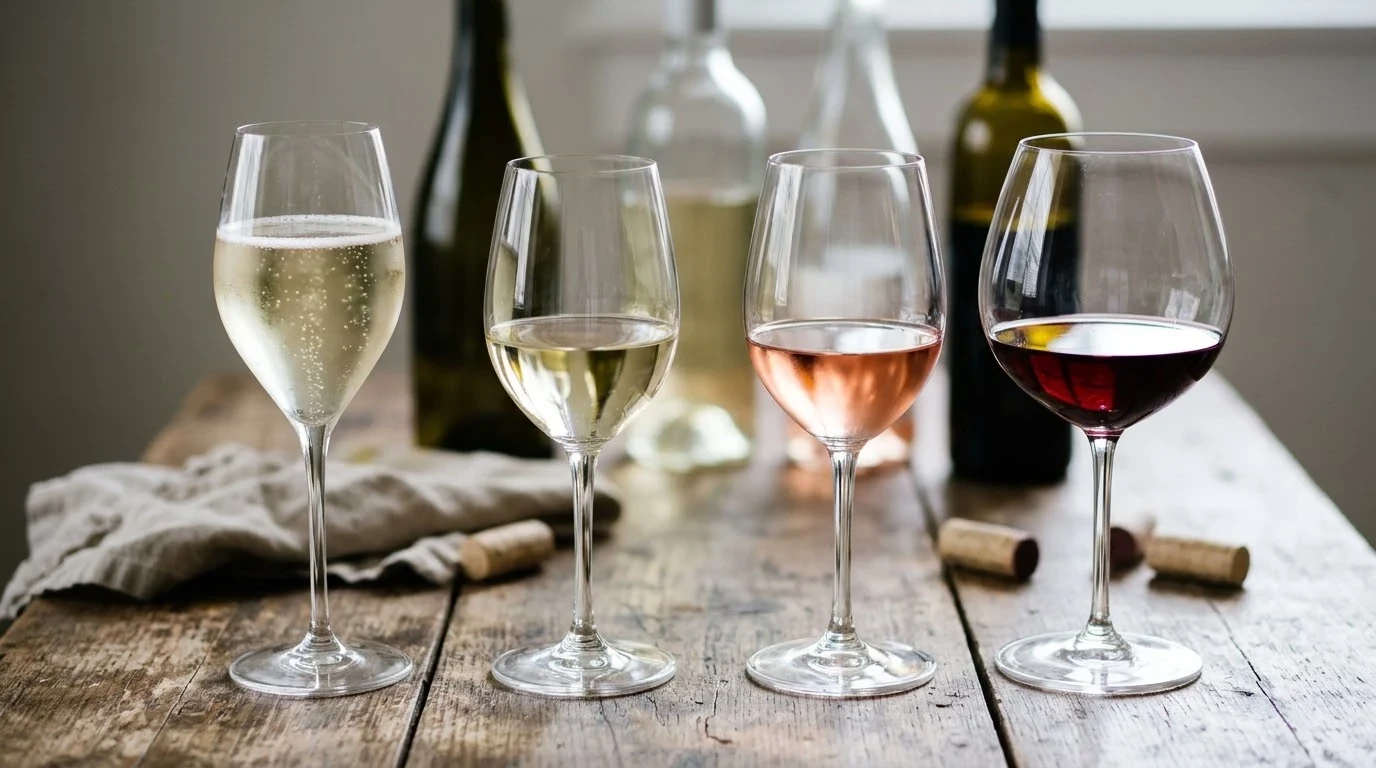
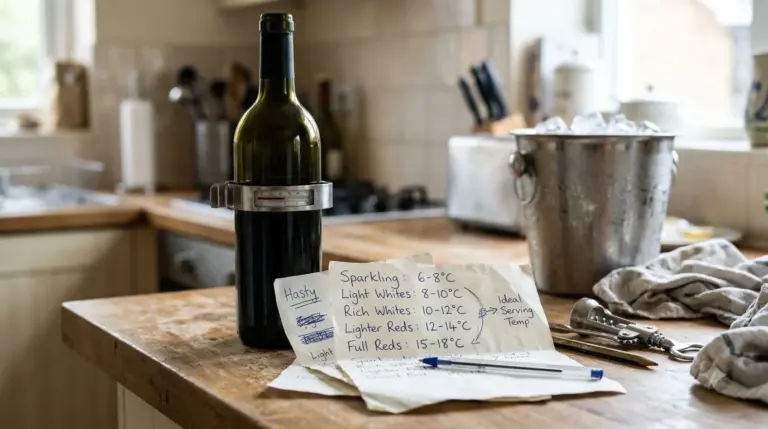
Serving temperature changes how a wine feels, so do not pour every Iron Horse bottle straight from the refrigerator or leave every red on a warm counter. Sparkling wine is best served around 40 to 50 F; light whites and rosé around 45 to 50 F; fuller whites around 50 to 55 F; and light reds such as Pinot Noir around 55 to 60 F.
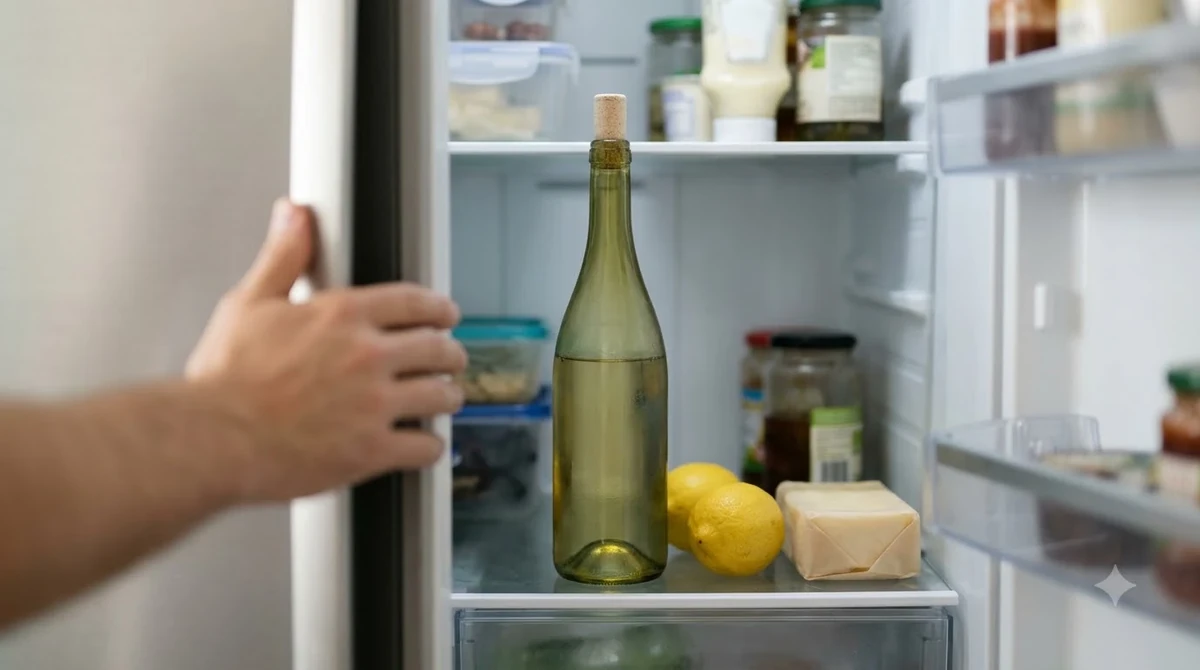
Chill sparkling wine well before opening and use a secure sparkling-wine stopper if you expect to keep the bottle. Once opened, sparkling wine generally keeps for about 1 to 3 days in the refrigerator, while still Chardonnay and Pinot Noir are usually better within 3 to 5 days when refrigerated and re-sealed. The bubbles will fade over time, so sparkling wine is best opened when enough people are ready to share it.
Tip: For a standard 750 ml bottle, plan on about five 5 oz pours. Chill sparkling wine to 40 to 50 F, then pour smaller servings so the wine stays lively in the glass and the bottle does not warm up on the table.
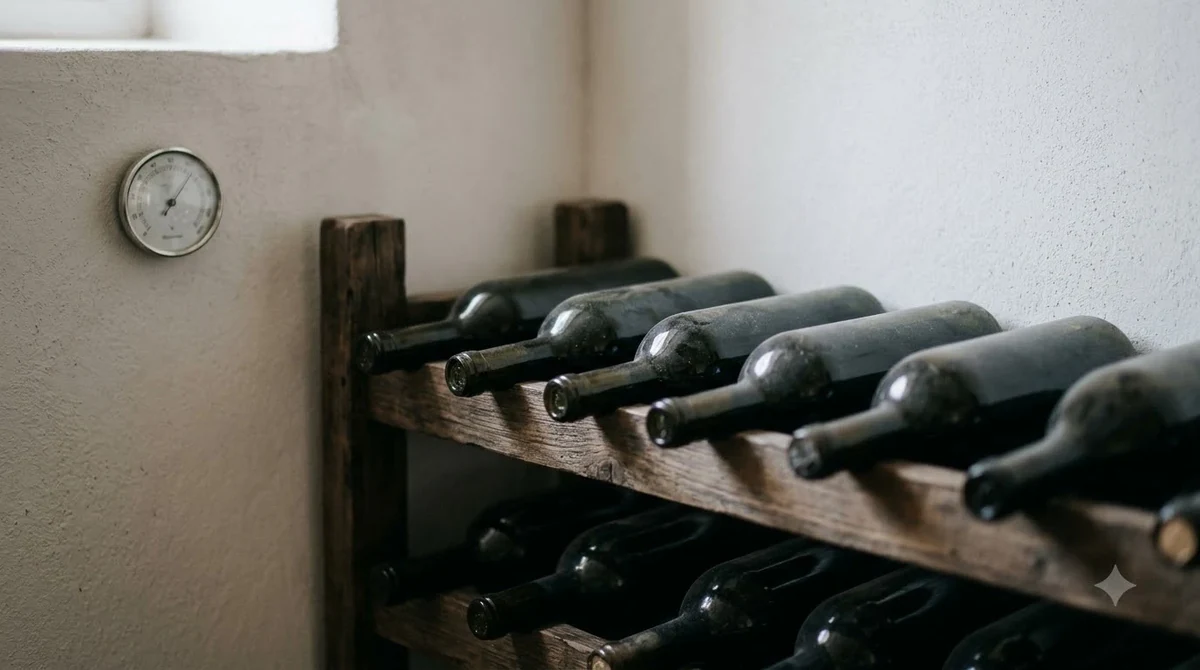
Store bottles away from sunlight, heat, and temperature swings. A cool space near 55 F is a practical target, and bottles with natural corks are generally stored on their sides. A wine refrigerator or consistently cool cellar is preferable to a kitchen cabinet beside an oven or a garage that heats up during the day.
A brief chill can keep Pinot Noir fresh. A young, structured red may benefit from 30 to 60 minutes of decanting, although that step is less important for lighter Pinot than for full-bodied Cabernet Sauvignon or Syrah. Pair sparkling wine with salty appetizers, Chardonnay with roast poultry or seafood, and Pinot Noir with mushrooms or duck.
Frequently Asked Questions
These details answer practical questions that often come up after shoppers have narrowed the Iron Horse range to a specific bottle. They also help distinguish the winery’s vineyard practices and special releases from the broader price comparison.
What is in Iron Horse Russian Cuvée?
H-E-B’s product description lists Russian Cuvée as 68% Pinot Noir and 32% Chardonnay, with 13.5% alcohol by volume. That blend information is useful if you want a sparkling wine with a strong Pinot Noir component rather than a Chardonnay-only Blanc de Blancs.
How many vineyard blocks does Iron Horse farm?
Iron Horse says its estate is divided into 39 blocks, each farmed individually and harvested separately before being vinified as a single vineyard. The winery also describes using block-specific rootstock and clone selections, which helps explain its emphasis on site expression.
Why is the winery called Iron Horse?
The winery says Audrey and Barry Sterling named the estate after a 19th-century railroad stop that once crossed the property. The site was rediscovered in 1970 by winemaker Rodney Strong, who planted the original Chardonnay and Pinot Noir vineyards that helped define the estate.
Does Iron Horse make wines that support charitable causes?
Yes. The winery identifies Ocean Reserve as supporting ocean conservation, Gratitude as benefiting the Redwood Empire Food Bank, and Spirit of ’76 as supporting Disabled American Veterans. Those cause-linked labels offer another way to choose among special releases beyond grape variety or occasion.
Can visitors taste wine at the Iron Horse estate?
The winery describes its tasting room as an outdoor experience with views across Sonoma County, rather than a conventional indoor tasting bar. Its visitor information asks guests to reserve in advance, so check the winery’s booking page before making the trip.
Iron Horse is easiest to shop when you choose the style first, compare like-for-like bottles, and treat price ranges as a guide rather than a guarantee. For a first purchase, a core sparkling cuvée or Chardonnay is a sensible starting point; reserve the more limited sparkling releases and site-specific Pinot Noirs for occasions when those details matter to you.
More in Wine Brands
 Marques De Riscal Wine Review: How to Choose the Right Spanish BottleUpdated Nov 21, 2026
 Lussory Wine Review: Choose the Right Alcohol-Free StyleUpdated Nov 21, 2026
 Marchesi Di Barolo Wine Price: Compare Bottles and Find Your FitUpdated Nov 21, 2026
 Louis Martini Wine Review: Choose the Right Napa Valley BottleUpdated Nov 21, 2026
 Mark West Chardonnay Price: What to Expect Before BuyingUpdated Nov 21, 2026
 Louis M Martini Wine Review: Find the Right Napa Valley BottleUpdated Nov 21, 2026