

We may earn a commission when you buy through links on this page, at no extra cost to you. Learn more.
This dark horse cabernet review finds that Dark Horse Cabernet Sauvignon is a full-bodied, dry California red with dark berry flavors, noticeable tannins, and coffee, oak, and chocolate accents. It is a practical choice for casual dinners, grilled meats, burgers, and drinkers who prefer generous fruit rather than delicate, restrained Cabernet. Its precise alcohol content and tasting profile can vary between vintages, so understanding the particular bottle matters when choosing one.
Dark Horse Cabernet Sauvignon occupies an approachable part of the California Cabernet category. Its style emphasizes ripe fruit, a rounded texture, and recognizable oak-related flavors rather than the restrained structure and extended aging potential associated with many premium Cabernet Sauvignons. The wine has received favorable recognition, including an 88-point Wine Enthusiast review for its 2023 vintage. However, its appeal depends on whether its relatively bold fruit profile and firm tannins match your preferences. This guide explains what to expect, how to compare bottles, and how to serve the wine at its best.
Who This Dark Horse Cabernet Is For
Dark Horse Cabernet Sauvignon is best suited to drinkers looking for a recognizable California Cabernet style with ripe dark fruit, a substantial body, and enough structure to accompany everyday meals. It is particularly relevant for people who enjoy blackberry, black cherry, coffee, and chocolate flavors without requiring a highly complex cellar wine.
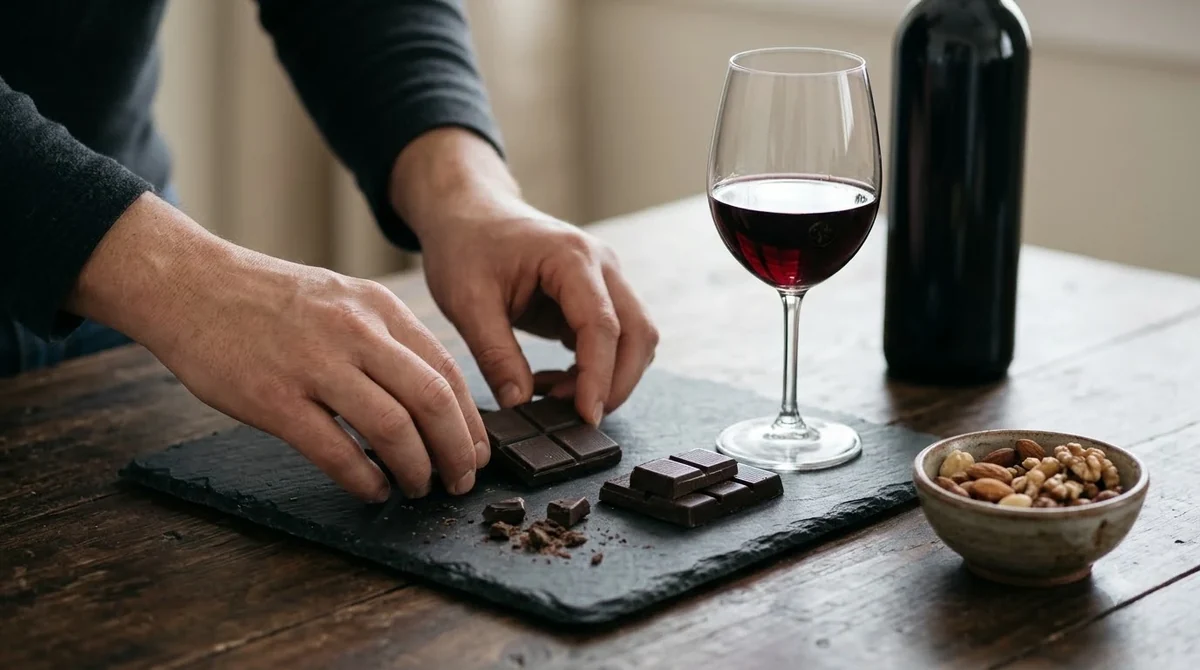
One useful starting point is the producer’s description of the 2022 vintage. Dark Horse identifies dark berry, freshly ground coffee, and toasted oak as its main aromatic characteristics, with cola, shaved dark chocolate, and cinnamon adding further layers. These flavors create a familiar profile for people who enjoy fruit-forward red wines with noticeable oak influence. The official Dark Horse Cabernet Sauvignon description also explains the producer’s approach to vineyard sourcing and separate-lot winemaking.
The 2023 vintage received an 88-point rating from Wine Enthusiast. The publication classified this score within its Very Good category, which it describes as a range that often represents good value. Its tasting notes identify dark berries, smoky herbs, tomato leaf, and vanilla spice, followed by persimmon, red plum, grilled orange, and silky but grippy tannins. This provides useful independent evidence that the wine has more going on than simple ripe-fruit flavors.
There are several types of drinkers who may particularly appreciate this style:
- Casual Cabernet drinkers: People who want a recognizable full-bodied red for ordinary meals rather than a special-occasion bottle.
- Grilling enthusiasts: Those who regularly serve burgers, grilled beef, pork chops, or other savory dishes.
- Fans of dark-fruit flavors: Drinkers who prefer blackberry, black cherry, plum, and chocolate-like characteristics.
- Newer red-wine drinkers: People exploring Cabernet Sauvignon who want an accessible introduction to a familiar California style.
It may be less suitable for someone who prefers light-bodied reds, very low tannins, delicate floral aromas, or subtle wines dominated by acidity and mineral character. Cabernet Sauvignon naturally has relatively high tannin, and Dark Horse’s own descriptions emphasize a structured, full-bodied style. A preference for Pinot Noir or lighter Italian reds may therefore point toward a different bottle.
Another consideration is the difference between everyday drinking and collecting. Dark Horse Cabernet Sauvignon is better approached as a bottle for relatively immediate enjoyment than as a wine purchased specifically for long-term cellaring. Its fruit-forward character and accessible style are more relevant to an ordinary dinner than to building a collection of age-worthy Napa Valley wines.
Key Factors to Compare Before Buying
The most useful comparisons involve vintage, alcohol percentage, body, tannin, flavor profile, and bottle size. These details help establish whether the wine matches your preferred drinking style rather than relying on the brand name alone.
| Factor | What to Expect | Why It Matters |
|---|---|---|
| Wine type | California Cabernet Sauvignon | Establishes the grape and broad regional style |
| Body | Full-bodied | Indicates a substantial mouthfeel |
| Typical bottle size | 750 ml | Provides approximately 5 standard 5 oz pours |
| Reported ABV | 13.5% to 14.5% | Varies between published product and vintage information |
| Fruit profile | Blackberry, black cherry, dark berries, plum | Identifies the main fruit characteristics |
| Additional flavors | Coffee, oak, dark chocolate, spice | Provides secondary aromatic complexity |
| Tannin | Noticeable to firm | Influences dryness and food compatibility |
| Serving temperature | 60–65°F | Helps balance fruit, alcohol, and structure |
| Serving size | 5 oz | Allows approximately 5 pours per bottle |
Alcohol content deserves particular attention. Roth’s Fresh Markets lists 13.5% ABV for its Dark Horse Cabernet Sauvignon product, while Wine Enthusiast lists 14.5% ABV for its reviewed 2023 vintage. These figures should not be treated as interchangeable specifications for every bottle. For a closer look at the differences, see this guide to dark horse cabernet alcohol content.
Vintage is another important consideration. Wine Enthusiast’s 2023 review and Dark Horse’s official 2022 description do not present identical tasting notes. The 2022 description emphasizes dark berry, coffee, toasted oak, cola, chocolate, and cinnamon. The 2023 review identifies smoky herbs, tomato leaf, vanilla spice, red plum, and grilled orange alongside its dark berries. These differences demonstrate why a review of one vintage should not automatically be applied to every subsequent bottle.
Body and tannin also influence the experience. A full-bodied wine feels more substantial across the palate than a light red, while tannins contribute a drying, slightly gripping sensation around the gums and cheeks. Cabernet Sauvignon generally has high tannin compared with varieties such as Pinot Noir or Merlot. Dark Horse’s published descriptions suggest that drinkers should expect structure rather than a completely soft, low-tannin red.
For readers exploring the broader category, the Wine Brands section provides additional context for comparing producers and their wine styles.
Step-by-Step: How to Choose and Enjoy a Bottle
Choosing Dark Horse Cabernet Sauvignon is straightforward when you compare the bottle information with your intended meal and preferred red-wine style. A few simple checks can help avoid confusion between vintages and produce a more balanced glass.
-
Identify the exact wine.
Confirm that the bottle is Dark Horse Cabernet Sauvignon rather than another Dark Horse red blend or varietal. The brand produces several styles, including rosé and Chardonnay, which have very different flavor profiles and serving requirements.
-
Compare the vintage.
Look for the vintage printed on the bottle. The producer’s 2022 description and Wine Enthusiast’s 2023 review demonstrate that different releases can have distinct aromatic and palate characteristics. Do not assume that one vintage’s tasting notes describe another vintage perfectly.
-
Check the alcohol percentage.
Published listings show 13.5% and 14.5% ABV for different product information. This distinction matters if you prefer reds with a particular alcohol level or want to understand the wine’s overall weight and warmth.
-
Consider the meal.
Choose this Cabernet for dishes with sufficient flavor and texture to complement its structure. Burgers, grilled steaks, pork chops, hard cheeses, and rich tomato-based dishes are sensible starting points.
-
Prepare the bottle at the right temperature.
For a full-bodied red, aim for approximately 60–65°F rather than a warm room temperature that can make alcohol seem more prominent. If the bottle has been stored at ordinary indoor temperatures, a short period of refrigeration can help.
-
Open and assess the wine.
Pour a small amount into a suitable glass and allow it to sit for several minutes. Swirl gently, smell the wine, and then taste it. Pay attention to the balance between dark fruit, oak, acidity, and tannin.
-
Decide whether it needs additional aeration.
If the wine initially seems tight or particularly firm, give it additional time in the glass or use a decanter. Young, full-bodied reds can benefit from approximately 30–60 minutes of decanting, although this is not compulsory for every bottle.
Tip: Start serving Dark Horse Cabernet Sauvignon slightly cooler than typical room temperature. Approximately 60–65°F helps preserve fresh fruit aromas while preventing excessive alcohol warmth from dominating the finish.
These steps are particularly useful when serving the wine to people with different preferences. Someone who enjoys bold Cabernet may appreciate its tannins and coffee notes, while a drinker accustomed to lighter reds may find the same structure more noticeable. Serving temperature and food pairing can make the experience more balanced for both.
Dark Horse Cabernet Sauvignon Flavor and Wine Styles Explained
Dark Horse Cabernet Sauvignon belongs to the full-bodied, dry California red category, with dark fruit at the center of its profile. Oak-related flavors, coffee, chocolate, and spice provide additional complexity, while Cabernet’s natural tannin gives the wine structure.
Fruit-forward characteristics
Blackberry and black cherry are among the most recognizable flavors associated with Dark Horse Cabernet Sauvignon. These are common descriptors for ripe Cabernet fruit, and they appear in the wine’s retail descriptions. Plum and darker berry characteristics also feature in the independent 2023 review.
The fruit profile is important because it helps explain why the wine works with strongly flavored dishes. Blackberry and black cherry characteristics can complement grilled beef, roasted vegetables, and savory sauces without being overwhelmed by their flavors.
Oak, coffee, and chocolate
Toasted oak and coffee provide a contrasting layer to the fruit. Dark Horse’s official 2022 notes identify freshly ground coffee and toasted oak, while chocolate, cola, and cinnamon contribute further aromatic details. Roth’s also describes dark chocolate and espresso characteristics.
These flavors should not be confused with actual sweetness. A wine can smell or taste reminiscent of chocolate, vanilla, or ripe fruit while remaining dry. Dark Horse is described as a dry red, so its dark-fruit profile does not mean it should be approached as a sweet dessert wine.
Understanding the tannins
Tannins are naturally occurring compounds found in grape skins, seeds, and stems, and they contribute texture and structure to red wine. They create a drying sensation rather than a sugary or sour taste. Cabernet Sauvignon generally has higher tannin than Merlot and Pinot Noir.
The producer’s description of the 2022 wine emphasizes structure and a rich mouthfeel. Wine Enthusiast’s 2023 review similarly describes silky but grippy tannins. That combination is important: the wine can feel rounded and approachable while still leaving a noticeable drying impression.
Comparing the broader Cabernet style
California Cabernet Sauvignon is not a single uniform flavor category. Fruit ripeness, vineyard location, growing conditions, blending decisions, and oak treatment can all affect the finished wine.
Dark Horse’s official 2022 description identifies Lodi vineyards as its grape source for that vintage. The producer also describes keeping lots separate before blending and allowing some lots up to 28 days on skins. These details provide useful context for the wine’s color, structure, and layered flavor description.
For comparison, a lighter-bodied Pinot Noir generally offers less tannin and a more delicate texture. Merlot typically has softer tannins, while Syrah can offer substantial body and spice. Dark Horse is more appropriately considered for drinkers who actively want the recognizable structure of Cabernet Sauvignon.
Common Mistakes When Buying and Serving Dark Horse Cabernet
The most frequent mistakes involve assuming every vintage tastes identical, expecting a sweet wine, serving the bottle too warm, or pairing it with foods that do not complement firm tannins. Understanding these differences makes it easier to judge the wine fairly.
Confusing dark fruit with sweetness
Dark berry aromas can make a red wine seem sweet even when it is technically dry. Blackberry, black cherry, plum, chocolate, and cola descriptors refer to perceived aromas and flavors rather than necessarily indicating residual sugar.
For someone who prefers genuinely sweet red wine, Dark Horse Cabernet Sauvignon may not be the right match. Its full body, dry profile, and noticeable tannin point toward a conventional dry Cabernet experience.
Assuming every vintage has the same alcohol percentage
Published product details show different ABV figures, including 13.5% and 14.5%. These figures are useful evidence that product listings should be considered in their specific context rather than combined into one universal specification.
Vintage also affects the flavor description. The 2022 producer notes and 2023 independent review identify overlapping dark-fruit characteristics but different secondary details. This is normal in wine production, where growing conditions and blending choices influence the finished bottle.
Serving the wine too warm
A full-bodied red served too warm can seem heavier and more alcoholic than intended. A target of 60–65°F provides a useful starting point for Dark Horse Cabernet Sauvignon. This is cooler than many indoor rooms, particularly in warm climates.
Excessive chilling is also undesirable. Very cold temperatures can mute fruit aromas and make tannins seem harder. A short refrigeration period followed by tasting is a more practical approach than leaving the bottle in the refrigerator for an extended period before serving.
Pairing it with delicate seafood
Cabernet Sauvignon’s relatively high tannin makes it a difficult match for delicate oily fish. Tannic red wines can create an unpleasant metallic impression alongside certain fish dishes, particularly when the preparation lacks enough richness or seasoning to balance the wine.
Instead, consider grilled beef, pork, lamb, mushroom dishes, or hard cheeses. These foods provide enough flavor and texture to work alongside the wine’s full body and firm structure.
Expecting a premium cellar wine
Dark Horse Cabernet Sauvignon should not be purchased on the assumption that every California Cabernet has the same aging potential. Its accessible, fruit-forward profile is more appropriate for relatively immediate enjoyment than for long-term cellaring without specific evidence supporting extended aging.
A wine’s reputation, tasting score, or grape variety alone cannot establish how long a particular bottle will improve. Storage conditions, vintage, structure, and winemaking decisions all matter.
Serving, Food Pairing, and Storage Tips
Dark Horse Cabernet Sauvignon is most enjoyable when served at an appropriate temperature and matched with substantial food. A few practical storage and serving habits also help maintain its fruit aromas and prevent unnecessary deterioration after opening.
Best food pairings
Grilled steak is one of the most natural companions for Cabernet Sauvignon. Protein, savory flavors, and the richness of the preparation provide a good counterpoint to the wine’s tannins. A simple grilled ribeye, sirloin, or beef burger can make a particularly suitable dinner pairing.
Pork chops are another sensible option. Their savory character and ability to take on grilled or roasted flavors complement dark fruit and toasted oak. For a more substantial meal, try a slow-cooked beef dish or shepherd’s pie.
Vegetarian dishes can work as well. Wine Enthusiast specifically recommends curried chickpeas and spinach stew for its 2023 review. Roasted mushrooms, lentil dishes, and rich tomato-based vegetable preparations are other useful options because they have enough flavor to stand alongside a structured red wine.
Hard cheeses are also suitable. Aged cheddar and other firm cheeses offer savory depth and fat that can soften the perception of tannin. For a simple serving board, combine firm cheese with roasted nuts, mushrooms, and bread.
Recommended serving temperature
Serve Dark Horse Cabernet Sauvignon at approximately 60–65°F. This range is appropriate for full-bodied reds and helps retain the wine’s fruit expression without allowing warmth to exaggerate its alcohol character.
A 750 ml bottle provides approximately five standard 5 oz servings. Use a reasonably large red-wine glass with enough space to swirl the wine and release its aromas. Filling the glass only partially also makes it easier to assess the bouquet.
Decanting and aeration
Decanting is optional rather than mandatory. If a young bottle seems particularly firm or its aromas appear restrained, try allowing approximately 30–60 minutes of aeration. This gives the wine additional contact with oxygen and may make its fruit and oak characteristics easier to appreciate.
For an ordinary weeknight dinner, pouring the wine into glasses and allowing it to breathe for several minutes may be sufficient. There is no need to decant every bottle for a fixed period regardless of its vintage or condition.
Storing an unopened bottle
Keep unopened bottles away from direct sunlight, heat sources, and substantial temperature fluctuations. A cool storage area near 55°F is a useful target for wine storage. Bottles with traditional cork closures are generally stored on their sides to keep the cork from drying out.
For a bottle intended for near-term drinking, a consistently cool cupboard can be more practical than an area exposed to kitchen heat or afternoon sunlight. Avoid storing wine near ovens, radiators, or windows.
Keeping an opened bottle fresh
After opening, reseal the bottle and store it in the refrigerator. Most opened still wines remain suitable for approximately 3–5 days when properly refrigerated, although the fruit aromas and freshness can gradually decline.
Allow refrigerated red wine to warm slightly before serving again. A short period outside the refrigerator helps restore its aromatic expression. If the wine develops noticeably stale, bruised-fruit or vinegar-like characteristics, its quality has deteriorated and it may no longer be enjoyable.
Frequently Asked Questions
Is Dark Horse Cabernet Sauvignon vegan?
Vegan suitability cannot be established from the standard Cabernet Sauvignon tasting description alone. Some winemaking processes use animal-derived fining agents, while others use mineral or plant-based alternatives. Contact the producer for confirmation about the particular vintage and production process.
Does Dark Horse Cabernet Sauvignon contain sulfites?
Wine contains naturally occurring sulfites, and additional sulfur dioxide may be used during winemaking to help protect freshness and stability. Retail product information identifies sulfites among the wine’s ingredients or allergen declarations. Bottled wine labeling also provides relevant sulfite information for consumers.
Does Dark Horse Cabernet Sauvignon need to be aged before drinking?
No extended aging period is required before opening an ordinary bottle of Dark Horse Cabernet Sauvignon. Its fruit-forward style is intended to be approachable without requiring years of bottle development. Individual vintage characteristics and storage history can affect how a particular bottle develops.
What glass shape works best for Dark Horse Cabernet Sauvignon?
A large Bordeaux-style glass is a suitable choice because its relatively tall bowl gives the wine room to aerate while directing aromas toward the nose. A glass holding approximately 20–24 oz provides generous swirling space without requiring a large pour. A standard red-wine glass is also perfectly adequate.
Can Dark Horse Cabernet Sauvignon be used in cooking?
Yes. A dry Cabernet Sauvignon can be used in beef stews, braised short ribs, and red-wine pan sauces. Allow the wine to reduce gradually so its liquid integrates with the other ingredients. Avoid using a bottle that has developed unpleasant oxidation or vinegar-like aromas.
Dark Horse Cabernet Sauvignon is a sensible option for drinkers who enjoy full-bodied California reds with dark fruit, oak, coffee, and noticeable tannins. Its independent recognition and producer-described winemaking approach make it an interesting everyday Cabernet to consider, particularly alongside grilled meats and substantial vegetarian dishes. Compare the vintage and alcohol information before choosing a bottle, serve it slightly cool, and enjoy it with food that complements its structure.
More in Wine Brands
 Louis Latour Wine Price: Compare Bottles by Style and TierUpdated Nov 20, 2026
 Yellow Tail Moscato Price: What to Expect Before You BuyUpdated Nov 20, 2026
 Sutter Home Sweet Red Review: Find the Right Food PairingsUpdated Nov 20, 2026
 Franzia Chillable Red Review: Find the Right Serving StyleUpdated Nov 20, 2026
 Veuve Clicquot Rose Review: Flavor, Food Pairings and Buying AdviceUpdated Nov 20, 2026
 Rombauer Wine Price: Compare Bottles Before You BuyUpdated Nov 20, 2026