

We may earn a commission when you buy through links on this page, at no extra cost to you. Learn more.
Dark horse cabernet alcohol content is typically 14.5% ABV in the newer vintages listed by major wine reviewers, although some earlier bottlings are recorded at 13.5% ABV. The difference depends on the particular vintage and bottling, so the percentage is not necessarily identical across every bottle. A standard 750 ml bottle at 14.5% ABV contains approximately 108.75 ml of pure alcohol. Understanding the percentage, serving size, and vintage differences makes it easier to compare this California Cabernet Sauvignon with other red wines.
Dark Horse Cabernet Sauvignon is known for its dark-fruit character, full-bodied style, and smooth finish. Its alcohol percentage is an important part of understanding how the wine compares with other Cabernet Sauvignon bottles, but ABV alone does not describe its entire character. The wine’s tannins, acidity, fruit concentration, and serving temperature also influence how it feels in the glass. Here is a closer look at the alcohol figures, bottle calculations, vintage variations, and practical serving details.
Dark Horse Cabernet Sauvignon Alcohol Percentage and Typical ABV
Dark Horse Cabernet Sauvignon is commonly listed at 14.5% alcohol by volume, placing it toward the higher end of the typical range for everyday dry red wines. Wine Enthusiast records 14.5% ABV for both its 2022 and 2023 California bottlings, making this a useful reference point when identifying the wine’s current general alcohol profile. Its 2022 Dark Horse Cabernet Sauvignon review also provides detailed tasting notes and the bottle’s listed alcohol percentage.
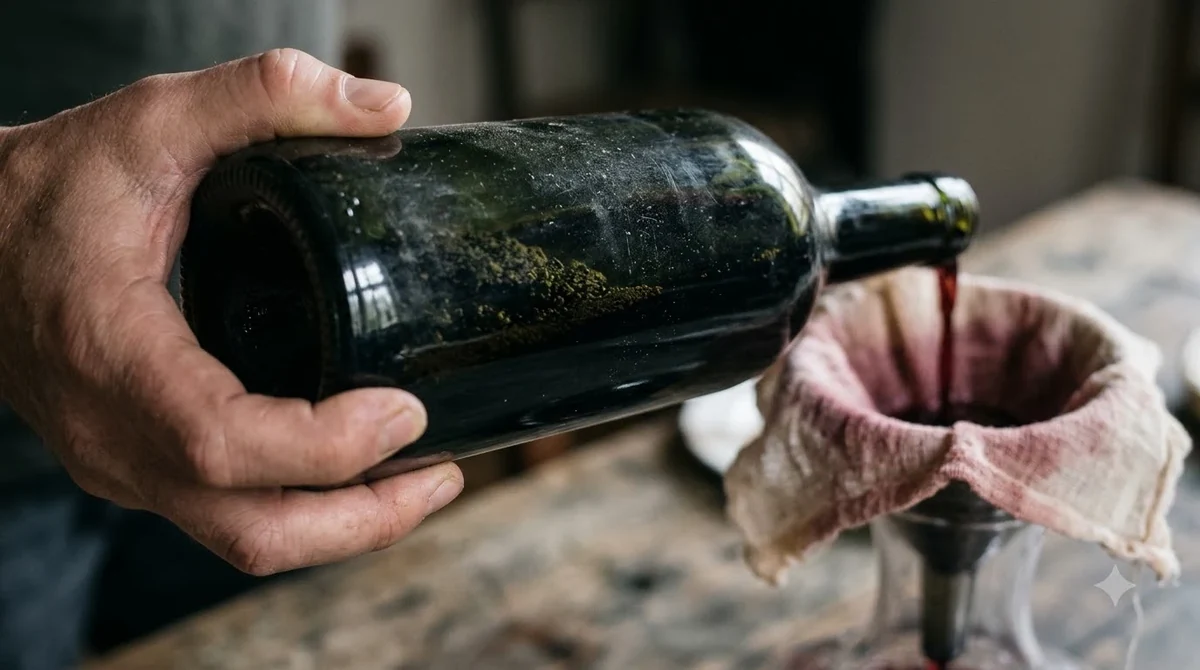
There is an important distinction between a typical listing and a guaranteed percentage for every bottle. Decanter’s review of the 2018 vintage records 13.5% ABV, which is one percentage point lower than the two newer vintages reviewed by Wine Enthusiast. That difference shows why vintage-specific information matters when researching this wine.
For practical purposes, 14.5% ABV is a reasonable figure to use when calculating alcohol content for a bottle identified with that percentage. However, a bottle listed at 13.5% ABV contains less alcohol even if the wine has a similar dark-fruit profile and Cabernet Sauvignon character.
ABV means alcohol by volume. It expresses the proportion of a beverage’s total volume that consists of pure alcohol. A wine labeled 14.5% ABV therefore contains 14.5 ml of pure alcohol in every 100 ml of wine.
This measurement is different from sweetness, body, or tannin. A dry Cabernet Sauvignon can have a relatively high alcohol percentage without tasting particularly hot, while another wine with a similar ABV may feel more alcoholic because its fruit, acidity, and structure are less balanced.
The newer Dark Horse listings also provide useful context for understanding the brand’s style. Wine Enthusiast describes blackberry, Olallieberry, toasted oak, dried coriander, and dark chocolate in the 2022 bottling. Those characteristics contribute to a concentrated impression that can make the wine feel fuller than a lighter-bodied red.
In other words, the best short answer is 14.5% ABV for the newer reviewed vintages, with 13.5% documented for the 2018 bottling. These figures should not be treated as interchangeable when making precise bottle calculations.
Why Alcohol Content Can Differ Between Dark Horse Vintages
Alcohol percentages can change between vintages because grapes do not develop identical sugar levels every growing season. The 2018 Dark Horse Cabernet Sauvignon reviewed by Decanter was recorded at 13.5% ABV, whereas Wine Enthusiast lists 14.5% for the 2022 and 2023 wines.
The primary factor behind natural wine alcohol is the amount of fermentable sugar in the grapes when they are harvested. During fermentation, yeast converts grape sugars into alcohol and carbon dioxide. Grapes harvested with higher sugar concentrations can produce wine with a higher potential alcohol level.
California’s growing conditions can influence grape ripeness. Temperature, sunlight, water availability, harvest timing, and vineyard location all affect how quickly grapes develop sugar and flavor compounds. These factors help explain why wines made from the same grape variety do not always have identical alcohol percentages.
Vintage differences and grape ripeness
Dark Horse’s published regional and winemaking information describes grape selection from California vineyards and the importance of managing the vine canopy to control sunlight exposure. Its 2022 Cabernet Sauvignon information identifies California’s Lodi region as a source of grapes for that vintage.
Harvest timing involves balancing several elements rather than pursuing the highest possible sugar level. Winemakers consider acidity, tannin development, color, and flavor maturity alongside sugar concentration. Picking earlier can help preserve freshness, while later harvesting can produce riper fruit and greater potential alcohol.
Fermentation management also contributes to the final wine. Dark Horse’s published winemaking information describes fermentation temperatures between 88°F and 92°F. These temperatures are part of its stated winemaking approach, although fermentation temperature alone does not determine the final ABV.
Why the bottle matters more than the brand name
A brand’s name identifies the producer’s wine, but it does not guarantee that every vintage has the same alcohol level. For example, the documented difference between 13.5% and 14.5% ABV represents a meaningful change in the quantity of alcohol contained in a full bottle.
This distinction also matters when comparing online information. Retailer descriptions sometimes repeat general product copy that may not match the alcohol figure in a particular vintage’s detailed listing. A precise comparison should use information associated with the specific bottle rather than assuming that every listing describes an identical release.
For a broader comparison across the range, see our article on Dark Horse wine alcohol content. It provides useful context for understanding why different wines under the same brand can have different ABV figures.
How Much Alcohol Is in a 750 ml Bottle?
A 750 ml bottle of Dark Horse Cabernet Sauvignon at 14.5% ABV contains approximately 108.75 ml of pure alcohol. If the bottle is 13.5% ABV instead, it contains approximately 101.25 ml. These calculations make the difference between the two documented percentages easier to understand.
To calculate the amount of pure alcohol, multiply the bottle volume by its ABV expressed as a decimal. For a 750 ml bottle at 14.5%, the calculation is 750 multiplied by 0.145, giving 108.75 ml of pure alcohol.
The same method works for a different bottle size or alcohol percentage. For example, a 375 ml half-bottle at 14.5% ABV contains 54.375 ml of pure alcohol. A 1.5-liter bottle at the same percentage contains 217.5 ml.
| Wine quantity | ABV | Pure alcohol |
|---|---|---|
| 150 ml glass | 14.5% | 21.75 ml |
| 5 oz glass (147.9 ml) | 14.5% | 21.45 ml |
| 375 ml half-bottle | 14.5% | 54.38 ml |
| 750 ml standard bottle | 14.5% | 108.75 ml |
| 750 ml standard bottle | 13.5% | 101.25 ml |
| 1,500 ml magnum | 14.5% | 217.50 ml |
The table uses volume measurements rather than alcohol weight. Pure alcohol has a different density from water, so the milliliter figures should not be mistaken for grams of alcohol.
How many glasses are in one bottle?
A standard 750 ml wine bottle provides approximately five traditional 5 oz servings. The actual number of glasses depends on the pour size and the amount left in the bottle.
At 14.5% ABV, a 5 oz serving contains approximately 0.725 oz of pure alcohol. A 6 oz pour contains approximately 0.87 oz, while a 4 oz pour contains approximately 0.58 oz.
These differences demonstrate why glass size matters when comparing wine consumption. A large glass may hold considerably more than a traditional 5 oz serving, even though both are casually described as one glass.
It is also useful to distinguish the amount of wine poured from the amount of pure alcohol. A 5 oz glass of a 14.5% Cabernet contains more pure alcohol than the same-sized serving of a 12% wine.
Tip: Use 750 ml multiplied by the ABV decimal to calculate the pure alcohol in a full bottle. For Dark Horse Cabernet at 14.5%, the result is 108.75 ml. Use the same formula with the actual percentage whenever comparing different vintages.
How Dark Horse Cabernet Compares With Other Red Wines
At 14.5% ABV, Dark Horse Cabernet Sauvignon sits in the fuller-alcohol category for table wine. Its percentage is higher than many lighter-bodied red wines, although it is not unusual among ripe California Cabernet Sauvignon bottlings.
Cabernet Sauvignon is naturally associated with substantial tannin, dark fruit, and a structured palate. Its alcohol level can vary considerably depending on growing conditions, grape ripeness, and winemaking decisions. Consequently, comparing wines by grape variety alone does not provide a complete picture of their strength.
Here is a general comparison of familiar wine styles. These are broad reference ranges rather than guaranteed specifications for individual bottles.
| Wine style | Typical ABV range | General structure |
|---|---|---|
| Light Pinot Noir | 12%–13.5% | Light to medium body, lower tannin |
| Merlot | 13%–14.5% | Medium tannin, softer texture |
| Cabernet Sauvignon | 13.5%–15% | Fuller body, high tannin |
| Syrah | 13.5%–15.5% | Medium-plus to high tannin |
| California Zinfandel | 14%–15.5% | Ripe fruit, often full-bodied |
These ranges overlap, and individual wines can fall outside them. A Cabernet Sauvignon at 13% ABV may still feel more structured than a fruit-forward wine at 14.5% because tannin, acidity, and alcohol create different sensations.
Cabernet Sauvignon versus Merlot
Merlot generally has medium tannin and a softer texture than Cabernet Sauvignon. A Merlot with a similar alcohol percentage may therefore feel rounder and less gripping on the palate.
Cabernet Sauvignon usually brings firmer tannins, darker fruit, and a more structured finish. Dark Horse’s combination of blackberry, dark chocolate, toasted oak, and Cabernet structure makes it a useful example of a fuller California red.
Cabernet Sauvignon versus Pinot Noir
Pinot Noir generally has lower to medium tannin and higher acidity. Many Pinot Noir wines also have a lighter body and more delicate fruit expression than Cabernet Sauvignon.
That contrast means a 13% Pinot Noir can feel significantly lighter than a 14.5% Cabernet. The difference is not simply about the alcohol percentage; the grape variety and wine structure also shape the overall experience.
Readers comparing other bottles can also explore Sutter Home Cabernet alcohol content for another example of how Cabernet Sauvignon alcohol percentages can differ between producers and bottlings.
How Alcohol Affects Dark Horse Cabernet’s Flavor and Body
Alcohol contributes to the warmth, weight, and texture of Dark Horse Cabernet Sauvignon. At 14.5% ABV, the wine can feel fuller and warmer than a lighter red, while its fruit concentration and tannins influence how that alcohol is perceived.
Alcohol is only one component of wine structure. Cabernet Sauvignon also contains tannins extracted from grape skins, seeds, and sometimes oak aging. These compounds create a drying sensation that can make the wine feel firm or structured.
Dark Horse’s tasting descriptions provide several clues about its overall profile. Wine Enthusiast identifies blackberry, Olallieberry, toasted oak, dried coriander, and dark chocolate in the 2022 vintage. Its review also mentions boysenberry, black licorice, orange zest, black peppercorn, and dried herbs.
These flavors contribute to the wine’s dark, concentrated impression. Fruit ripeness can make alcohol feel less prominent because sweet-smelling fruit aromas create an impression of richness, even when the wine itself is dry.
Alcohol warmth and perceived body
Alcohol creates a warming sensation, particularly toward the back of the palate. A wine with higher ABV can sometimes produce a more noticeable warmth, but balance makes a substantial difference.
For example, a wine with concentrated blackberry fruit and sufficient acidity may feel more integrated than a wine with the same alcohol percentage but less fruit intensity. The relationship between these elements helps explain why two 14.5% wines can taste quite different.
Serving temperature also matters. Warmer wine tends to emphasize alcohol sensations, while slightly cooler serving temperatures can make a full-bodied red feel fresher and more composed.
Does 14.5% ABV mean the wine is sweet?
No. Alcohol percentage and sweetness measure different properties. A wine can have 14.5% ABV and still be completely dry, meaning that it contains little remaining fermentable sugar.
Decanter specifically classifies the 2018 Dark Horse Cabernet Sauvignon as dry. Wine Enthusiast also describes the 2022 vintage as having a juicy, dry finish. Dark-fruit aromas can suggest sweetness, but blackberry and black cherry flavors do not automatically mean that sugar remains in the wine.
This distinction is especially important when pairing Cabernet Sauvignon with food. The wine’s tannins and acidity are often more important than its perceived fruit sweetness when selecting a suitable dish.
Serving Temperature, Food Pairings, and Storage
Dark Horse Cabernet Sauvignon is best served slightly cooler than a warm room, with a practical target of approximately 60°F to 65°F for a full-bodied red. This temperature range helps preserve its fruit character while keeping the alcohol warmth from becoming too prominent.
Serving red wine too warm can emphasize alcoholic heat and make its structure seem heavier. Conversely, serving it too cold can mute its aromas and make the tannins seem more pronounced.
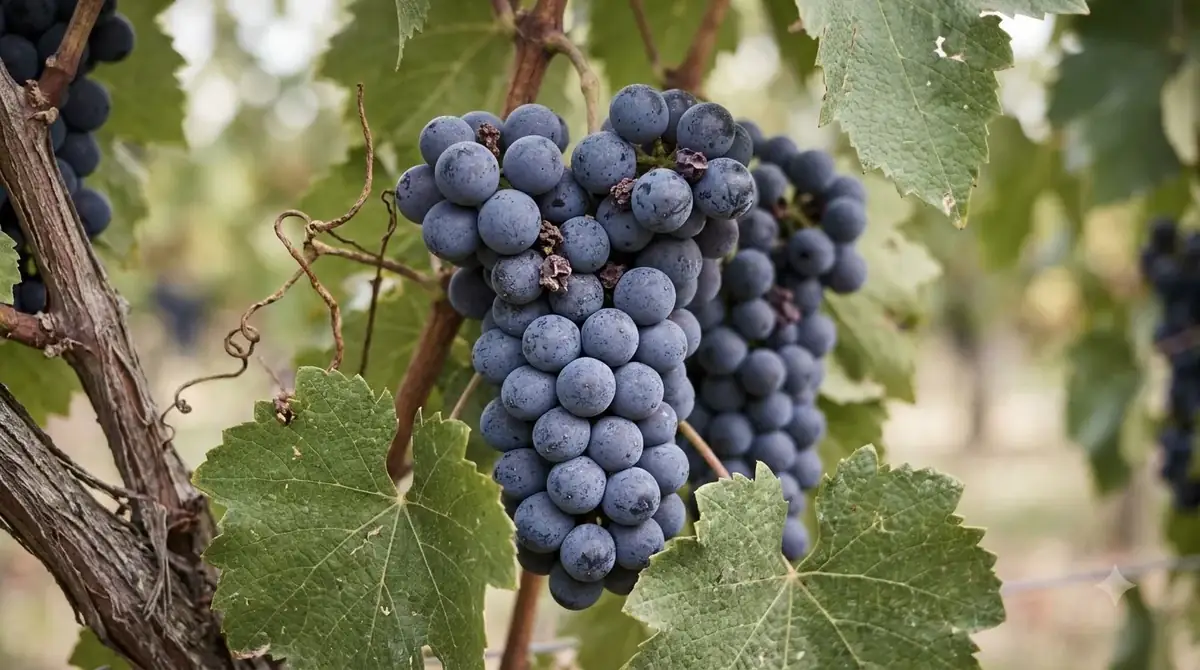
Allowing the bottle to sit briefly in a cool room or refrigerator can help bring it toward a suitable serving temperature. If the wine has been stored somewhere warm, a period of cooling before serving can make a noticeable difference.
Food pairings for a fuller Cabernet
Dark Horse Cabernet Sauvignon works particularly well with dishes that have enough protein, richness, and savory flavor to complement its tannins. Grilled steak, beef burgers, roasted lamb, and pork chops are natural choices.
Salt and fat soften the perception of tannin, which is why rich meat dishes can work so well with Cabernet Sauvignon. A grilled ribeye, for example, has enough fat to balance the wine’s firm structure while its browned exterior adds savory flavors.
Hard cheeses are another useful pairing. Aged cheddar and Parmesan have concentrated savory flavors and enough texture to stand up to a full-bodied California Cabernet. Aged Gouda can also complement dark-fruit and toasted-oak characteristics.
For a vegetarian meal, try grilled portobello mushrooms, lentil dishes, roasted eggplant, or a mushroom-based pasta sauce. Their savory flavors provide a suitable contrast to the wine’s fruit and tannins.
Spicy food requires more care. Chili heat can become more pronounced alongside wines with higher alcohol and substantial tannin. If a dish contains a generous amount of hot pepper, a softer and lower-alcohol wine may be a more comfortable match.
Oily fish such as salmon prepared with rich sauces may work better with wines that have more acidity and less tannin. Cabernet Sauvignon is generally more naturally suited to red meat and savory dishes than delicate oily seafood.
Decanting and serving
A young full-bodied Cabernet Sauvignon can benefit from approximately 30 to 60 minutes of decanting. This gives the wine time to interact with oxygen, which can help open its aromas and soften the initial impression of its structure.
Decanting is optional rather than mandatory. If the wine already seems open and expressive after pouring, there may be little reason to wait. A simple glass with enough room to swirl can also help release its aromas.
For serving, use a standard 5 oz pour rather than filling the glass. A larger glass provides room for swirling and smelling without requiring a larger serving.
Storage after opening
Keep an opened bottle of Dark Horse Cabernet Sauvignon in the refrigerator with its closure firmly replaced. Refrigeration slows oxidation and helps preserve the wine’s fruit character for approximately 3 to 5 days, although its aromas and texture may gradually change.
Unopened bottles should be stored away from direct sunlight, major temperature fluctuations, and excessive heat. A cool storage environment near 55°F is a useful target, and bottles with traditional cork closures are generally stored on their sides.
Dark Horse’s listed screw-cap closure makes resealing straightforward. Even so, limiting exposure to air is helpful once the bottle has been opened.
For additional information about other varieties in the brand’s range, our guide to Dark Horse Chardonnay alcohol content provides a useful comparison with a different wine style.
Frequently Asked Questions
Does Dark Horse Cabernet Sauvignon contain sulfites?
Yes. Retailer product information identifies sulfites in Dark Horse Cabernet Sauvignon. Sulfites are commonly present in wine as a natural result of fermentation, and winemakers may also use sulfur dioxide during production to help protect wine quality.
Is Dark Horse Cabernet Sauvignon made entirely from Cabernet Sauvignon grapes?
The reviewed 2018 bottling listed by Decanter is identified as 100% Cabernet Sauvignon. That specific vintage should not automatically be used to describe every other release, since blending decisions and varietal composition can differ between bottlings.
What kind of closure does Dark Horse Cabernet Sauvignon use?
Retailer product listings identify a screw-cap closure for Dark Horse Cabernet Sauvignon. Screw caps provide a convenient resealing option and do not require a corkscrew. They also help limit unwanted air exposure after opening when properly secured.
Who makes Dark Horse Cabernet Sauvignon?
The wine is produced under the Dark Horse Wines name, and the producer’s published information identifies Beth Liston as its winemaker. The brand’s California sourcing information also describes collaboration with grape growers, reflecting its use of grapes from multiple vineyard sources.
Can Dark Horse Cabernet Sauvignon be used for cooking?
Yes. A dry Cabernet Sauvignon can be used in beef stews, mushroom sauces, and red-wine reductions. Its dark-fruit character and savory oak notes can complement slow-cooked dishes, although the finished sauce will have a different flavor concentration from the original wine.
Dark Horse Cabernet Sauvignon is generally listed at 14.5% ABV in the newer vintages reviewed by Wine Enthusiast, while Decanter records 13.5% for the 2018 bottling. A standard 750 ml bottle at 14.5% contains approximately 108.75 ml of pure alcohol, making serving size an important part of understanding its alcohol content. With its dark-fruit flavors, firm Cabernet structure, and full-bodied style, it is a natural match for grilled meats, aged cheeses, and other savory dishes.
More in Wine Brands
 Louis Latour Wine Price: Compare Bottles by Style and TierUpdated Nov 20, 2026
 Yellow Tail Moscato Price: What to Expect Before You BuyUpdated Nov 20, 2026
 Sutter Home Sweet Red Review: Find the Right Food PairingsUpdated Nov 20, 2026
 Franzia Chillable Red Review: Find the Right Serving StyleUpdated Nov 20, 2026
 Veuve Clicquot Rose Review: Flavor, Food Pairings and Buying AdviceUpdated Nov 20, 2026
 Rombauer Wine Price: Compare Bottles Before You BuyUpdated Nov 20, 2026