

We may earn a commission when you buy through links on this page, at no extra cost to you. Learn more.
Dark horse chardonnay alcohol content is most commonly listed at 13.5% ABV, a moderate-to-full strength for a California Chardonnay. That figure appears on several retailer listings and in Wine Enthusiast’s review of the 2023 bottling. Some catalog entries show 14%, so the exact percentage can differ by vintage or listing; the bottle in front of you is the final reference.
Alcohol is only one part of what makes a Chardonnay feel rich, light, warm, or refreshing. Knowing the usual percentage helps you compare Dark Horse with other white wines, estimate what a measured pour contains, and serve it at a temperature that suits its ripe fruit and toasted-oak character.
Dark Horse Chardonnay Alcohol Content: The Typical Figure
Most listings for Dark Horse Chardonnay give an alcohol level of 13.5% ABV. Wine Enthusiast’s review records 13.5% for its California 2023 bottling, and the 2022 bottling listed by Wine.com is also shown at 13.5%; several retail product pages report the same figure.
There is a small but useful distinction between a common product figure and a guarantee that every bottle has the same percentage. Vivino’s general Dark Horse Chardonnay profile displays 14%, while dated listings from Wine Enthusiast and Wine.com show 13.5% for particular vintages. Those entries may refer to different releases, data feeds, or bottle details, so they should not be treated as proof that one source is necessarily wrong.
For everyday comparison, 13.5% is a sensible working figure for Dark Horse Chardonnay. It places the wine above lighter whites that sit around 11% or 12% and near the middle-to-upper part of the usual table-wine range. WSET explains that most wines fall broadly between 8% and 15% ABV, with fortified wines generally higher. Dark Horse is therefore not an unusually high-alcohol wine, but it is not a particularly low-alcohol white either.
| Reference point | Reported alcohol | What it tells you |
|---|---|---|
| Dark Horse Chardonnay, 2023 listing at Wine Enthusiast | 13.5% ABV | A dated vintage example |
| Dark Horse Chardonnay, 2022 listing at Wine.com | 13.5% ABV | A second dated vintage example |
| Dark Horse Chardonnay, general Vivino profile | 14% ABV | A catalog entry that differs from the dated examples |
| 750 ml bottle at 13.5% ABV | About 101 ml pure alcohol | Calculated from bottle volume multiplied by 0.135 |
| 5 fl oz pour at 13.5% ABV | About 0.68 fl oz pure alcohol | Calculated from pour volume multiplied by 0.135 |
The practical takeaway is straightforward: use 13.5% when comparing the usual Dark Horse Chardonnay profile, but allow for small differences between bottlings. A change from 13.5% to 14% is half a percentage point, not a different category of wine. It can still matter for exact calculations, which is why the printed alcohol statement deserves a quick look whenever precision matters.
Why Bottle Listings Can Show Different Percentages
Different alcohol figures can appear because wine is an agricultural product, not a factory-made liquid with an identical formula in every release. Vintage conditions, blending choices, and record-keeping can all contribute to a difference between a general online profile and a specific bottle listing.
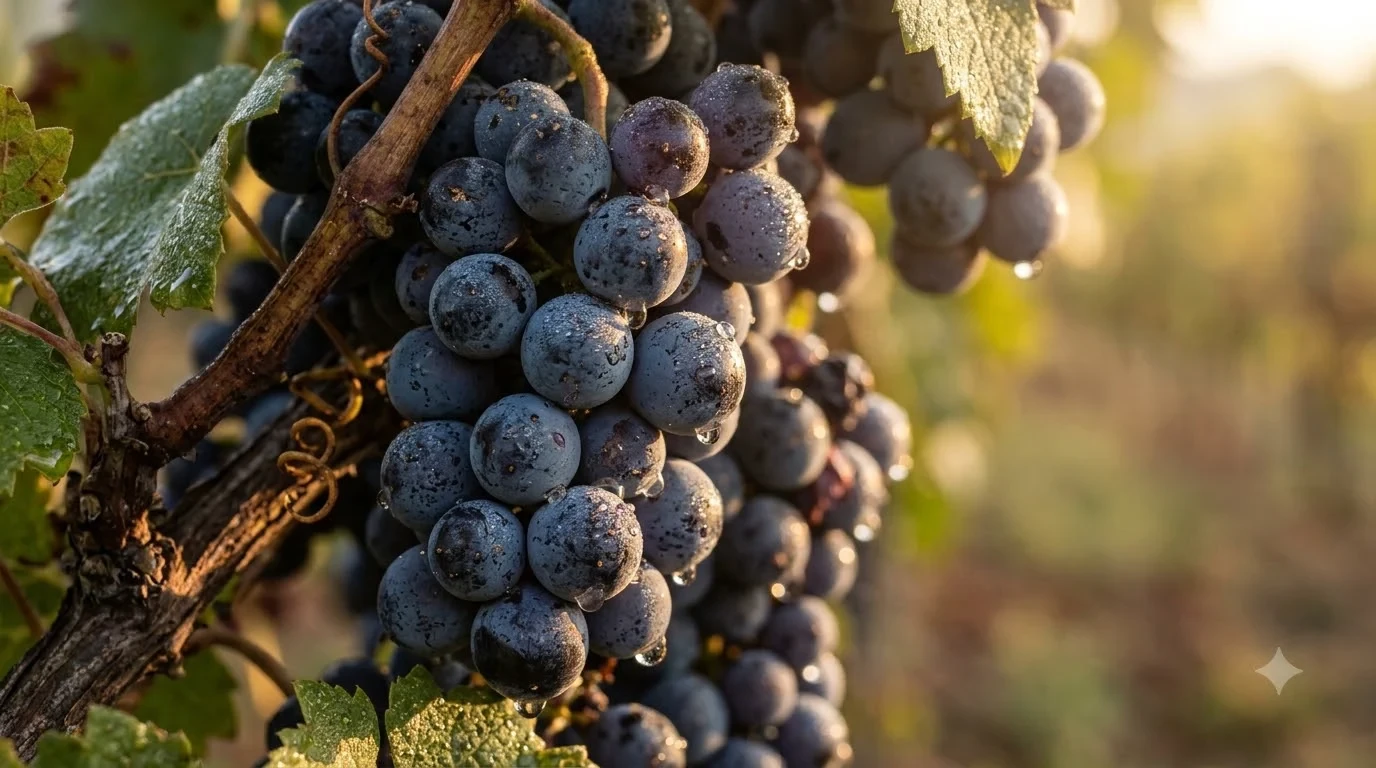
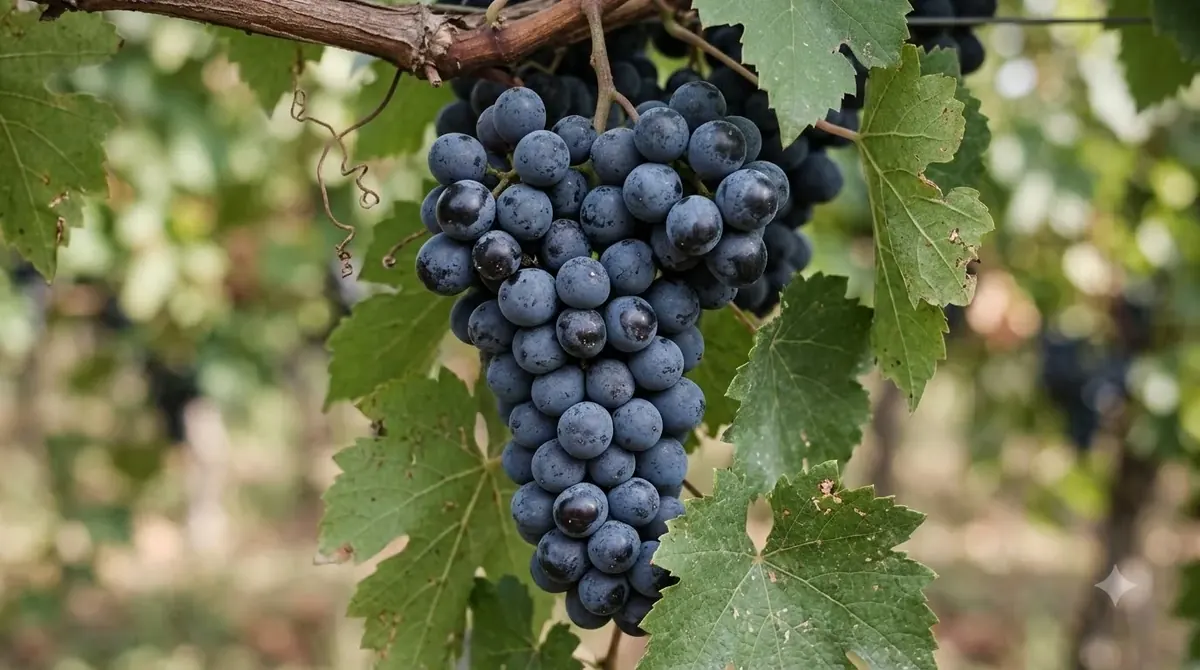
Grapes accumulate sugar as they ripen, and yeast converts fermentable sugar into ethanol during fermentation. The amount of sugar available in the fruit is one influence on the eventual alcohol level, although winemaking decisions and the finished wine’s balance also matter. WSET describes ethanol as the main alcohol created when yeast processes grape sugar, and notes that alcohol contributes to wine’s body and texture as well as its warming sensation.
That does not mean a warmer growing season automatically creates a higher-alcohol Dark Horse Chardonnay in every case. Picking decisions, vineyard conditions, fermentation management, and blending can affect the final result. The brand describes its Chardonnay as coming from selected California vineyards and says the grapes are chosen at a suitable point of ripeness; its public product page focuses on style and flavor rather than promising one fixed alcohol percentage for all vintages.
There is also a difference between a vintage-specific record and a general wine database entry. A retailer may attach an alcohol value to one bottle size or release, while a community catalog may show one figure across a wine’s profile. Product data can remain online after a newer vintage reaches stores, and different markets may receive different bottlings. That is why the 13.5% and 14% figures should be read as reported examples, not as a universal range printed on every bottle. For a reliable comparison, identify the vintage and read the alcohol statement on that exact bottle; a quick online search cannot resolve a mismatch between a 2022 listing, a 2023 review, and a later bottle on a store shelf.
What 13.5% ABV Means in a 750 Milliliter Bottle
ABV means alcohol by volume: the percentage of the wine’s total liquid volume that is ethanol. At 13.5% ABV, a 750 ml bottle contains approximately 101 ml of pure alcohol by volume; it does not mean that 13.5% of the bottle’s weight is alcohol.
The calculation is simple: multiply the wine volume by the alcohol percentage expressed as a decimal. For a 750 ml bottle, 750 × 0.135 gives 101.25 ml. For a five-fluid-ounce pour, 5 × 0.135 gives 0.675 fluid ounces of alcohol by volume, or about 0.68 fluid ounces. These are arithmetic estimates based on the stated percentage, not measurements of a specific bottle.
A standard 750 ml bottle holds about 25.4 U.S. fluid ounces. Dividing that volume into five-ounce servings produces just over five pours, which is why wine references commonly describe a 750 ml bottle as about five glasses. Actual serving sizes vary: a restaurant pour, a tasting pour, and a home pour may not be the same. The alcohol in a glass changes in direct proportion to the amount poured, even when the wine’s ABV stays constant.
It is useful to separate three ideas that are often blended together in conversation: the percentage on the label, the volume of wine in the glass, and the amount of ethanol in that serving. ABV describes concentration. Pour size describes quantity. Multiplying the two gives an estimate of the pure alcohol volume in that glass. A larger glassful of a 13.5% wine contains more alcohol than a smaller glassful of the same wine, even though both pours have the same ABV.
This also explains why bottle size alone does not tell you the alcohol concentration. A 375 ml half bottle at 13.5% has roughly half the total alcohol volume of a 750 ml bottle at the same percentage, while a 1.5 liter magnum has roughly twice as much. The percentage remains 13.5 in all three examples; only the quantity of wine changes. Keep concentration, pour size, and total bottle volume separate when comparing labels or calculating a serving.
How Alcohol Shapes Dark Horse Chardonnay’s Body and Flavor
At 13.5% ABV, alcohol can contribute to a rounded, slightly warm impression, but it does not explain the wine’s entire flavor profile. The producer’s Chardonnay description calls it medium-bodied and dry, with apple and ripe stone-fruit notes layered with toasted oak; its fuller profile also mentions peach, pear, honey, and caramel.
Alcohol contributes texture and warmth, while fruit ripeness, acidity, oak treatment, and fermentation choices contribute other parts of the experience. Wine Enthusiast’s note on the 2023 bottling mentions stone fruit, vanilla, spice, canned peach, ripe pear, cinnamon, mineral character, and soft acidity. That combination helps explain why the wine can feel fuller than a very crisp, lean white even though its ABV is within the broad range for ordinary table wine.
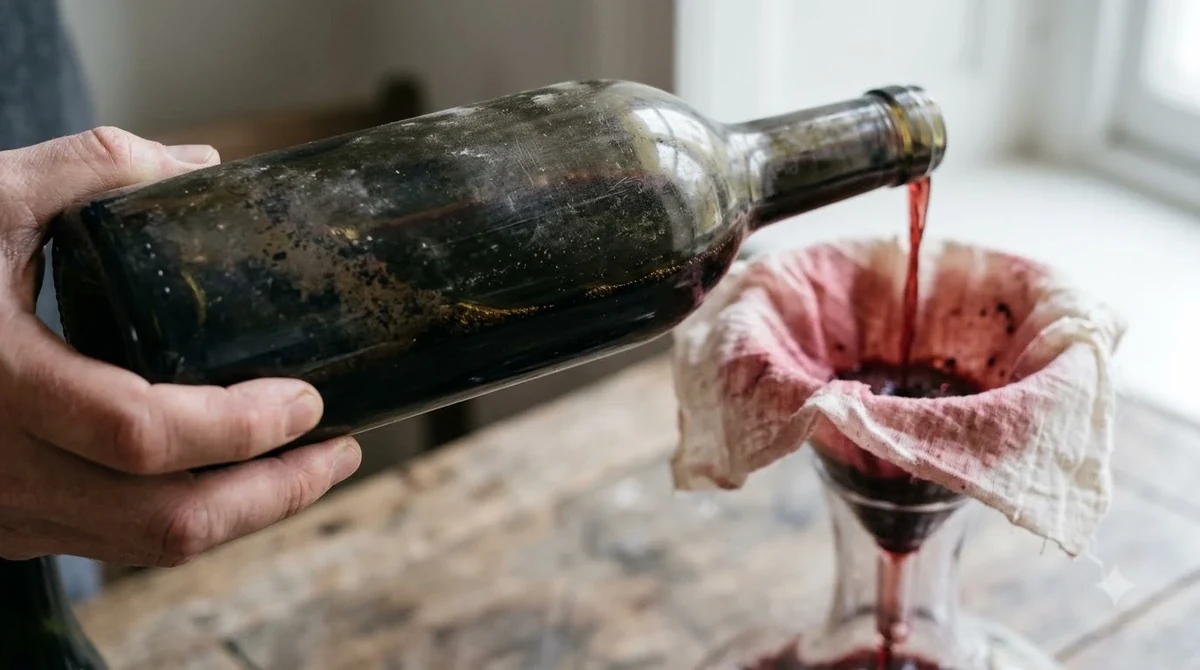
Oak-related flavors should not be confused with alcohol. Toast, vanilla, caramel, and baking-spice impressions can come from winemaking and maturation choices, while alcohol can make the palate feel warmer and add to the impression of body. The Dark Horse description points to toasted oak alongside baked apple and ripe fruit, so the richer character is better understood as a combination of elements rather than a direct effect of 13.5% alcohol alone. Served very cold, Chardonnay’s aroma and texture can seem muted; allowed to warm slightly in the glass, the fruit and oak notes may become easier to notice.
Alcohol percentage is not a sweetness scale, either. The producer calls Dark Horse Chardonnay dry, while describing ripe-fruit flavors that may seem juicy or rounded. A wine can smell of peach, baked apple, and caramel without being sweet in the same way as a dessert wine. For readers comparing other bottles, our overview of dark horse wine alcohol content puts the Chardonnay’s reported figure in the context of the broader brand range.
Serving Temperature, Glass Size, and Food Pairings
Serve Dark Horse Chardonnay cool rather than ice-cold, with 50–55°F as a useful range for a medium-bodied white with toasted-oak character. A five-ounce pour gives the wine enough room in a standard white-wine glass to show its aroma without filling the bowl to the rim.
If the bottle has been stored in a refrigerator, take it out for a short period before serving and allow the temperature to rise gradually in the glass. A very cold pour can make the fruit seem subdued and the texture feel tighter than it is. If the wine becomes noticeably warm, return the bottle to the refrigerator for a few minutes; small adjustments are more useful than trying to hit a single exact degree throughout the meal.
Dark Horse highlights smashed avocado with halloumi and creamy curry as food matches for its Chardonnay. Those suggestions make sense with a medium-bodied wine that combines fresh acidity with ripe fruit and oak: avocado and cheese add a creamy, savory texture, while a mild curry can echo the wine’s roundness without overwhelming its fruit. Grilled chicken, roast turkey, seared scallops, baked salmon, and dishes with browned butter or roasted vegetables are also sensible options.
Pay attention to the intensity and acidity of the dish. A sharply dressed salad with a very tart vinaigrette can make a medium-acid Chardonnay seem softer by comparison, while a squeeze of lemon over fish may work better when the wine has enough freshness to meet it. Very hot chili sauces can make alcohol and spice feel more pronounced, so keep the heat moderate if you want the fruit and oak to remain the main impression. Rich sauces, meanwhile, can make the wine seem more balanced by matching its weight.
Tip: Chill the bottle, pour about five ounces, and let the glass sit for a few minutes before deciding whether the wine needs more air or a little more cooling. That small pause often reveals more than serving it straight from a very cold refrigerator.
How Dark Horse Compares With Other Bottles
The most helpful comparison is with other wines in a similar style, not with every white wine as if grape variety alone determined alcohol. Dark Horse Chardonnay’s commonly reported 13.5% sits within the broad 8–15% range WSET gives for most wines, while its medium body and oak accents make it feel richer than many light-bodied whites.
Chardonnay can vary substantially by origin and winemaking approach. A cool-climate, stainless-steel version may emphasize citrus, green apple, and firm acidity, while a warmer-climate or oak-influenced version may show riper peach, baked apple, vanilla, and a broader texture. Alcohol is one clue to weight, but it cannot tell you on its own whether a Chardonnay is buttery, crisp, tropical, mineral, or oak-forward.
Comparisons within the Dark Horse range are also more informative than comparing unrelated wines. The brand’s Cabernet Sauvignon has a different grape variety, structure, and tannin profile, so its percentage should be checked separately rather than inferred from the Chardonnay. Our page on dark horse cabernet alcohol content covers that bottling, while black box chardonnay alcohol content offers a comparison with another Chardonnay label. For broader context, browse the Wine Brands section and compare grape, region, and style before drawing conclusions from ABV alone.
Frequently Asked Questions
The 2022 and 2023 listings, the commonly quoted 13.5% figure, and several product details raise a few recurring questions about this California Chardonnay.
Is Dark Horse Chardonnay made entirely from Chardonnay grapes?
The wine is presented as Chardonnay by the producer and major wine listings, but the brand’s public product page does not provide a full percentage breakdown of the blend. Retail and wine-catalog entries identify Chardonnay as its grape variety. For a technical breakdown of a particular release, the producer’s vintage-specific documentation would be the appropriate source.
Does Dark Horse Chardonnay undergo malolactic fermentation?
Vivino’s wine description says the Chardonnay undergoes a secondary malolactic fermentation after alcoholic fermentation with selected yeast. Malolactic fermentation converts sharper malic acid into softer lactic acid and can contribute to a rounder mouthfeel. That detail is useful context for understanding the creamy impression some drinkers associate with Chardonnay.
Does the wine use screw-cap packaging?
Several retailer product records list a screw cap for the 750 ml Dark Horse Chardonnay. A screw cap is a closure choice, not an indicator of alcohol strength or quality. It can also make the bottle convenient to reseal when a portion remains.
Is Dark Horse Chardonnay tied to a specific California appellation?
Listings identify the wine broadly as California Chardonnay rather than naming a single American Viticultural Area such as Napa Valley or Sonoma Coast. The producer describes its fruit as coming from selected vineyards in California. That statewide origin gives a broad geographic reference, not a single-vineyard designation.
Do retailer listings identify sulfites in Dark Horse Chardonnay?
Yes. Several product records state that the wine contains sulfites or sulfur dioxide. That is a labeling detail separate from the wine’s 13.5% commonly reported alcohol level, and it does not explain differences between ABV listings.
Dark Horse Chardonnay is most often listed at 13.5% ABV, with some catalog records showing 14%, so treat the first figure as a practical guide rather than a promise for every release. Its ripe apple and stone-fruit flavors, medium body, and toasted-oak notes make serving temperature and food pairing just as important as the percentage itself.
More in Wine Brands
 Louis Latour Wine Price: Compare Bottles by Style and TierUpdated Nov 20, 2026
 Yellow Tail Moscato Price: What to Expect Before You BuyUpdated Nov 20, 2026
 Sutter Home Sweet Red Review: Find the Right Food PairingsUpdated Nov 20, 2026
 Franzia Chillable Red Review: Find the Right Serving StyleUpdated Nov 20, 2026
 Veuve Clicquot Rose Review: Flavor, Food Pairings and Buying AdviceUpdated Nov 20, 2026
 Rombauer Wine Price: Compare Bottles Before You BuyUpdated Nov 20, 2026