

We may earn a commission when you buy through links on this page, at no extra cost to you. Learn more.
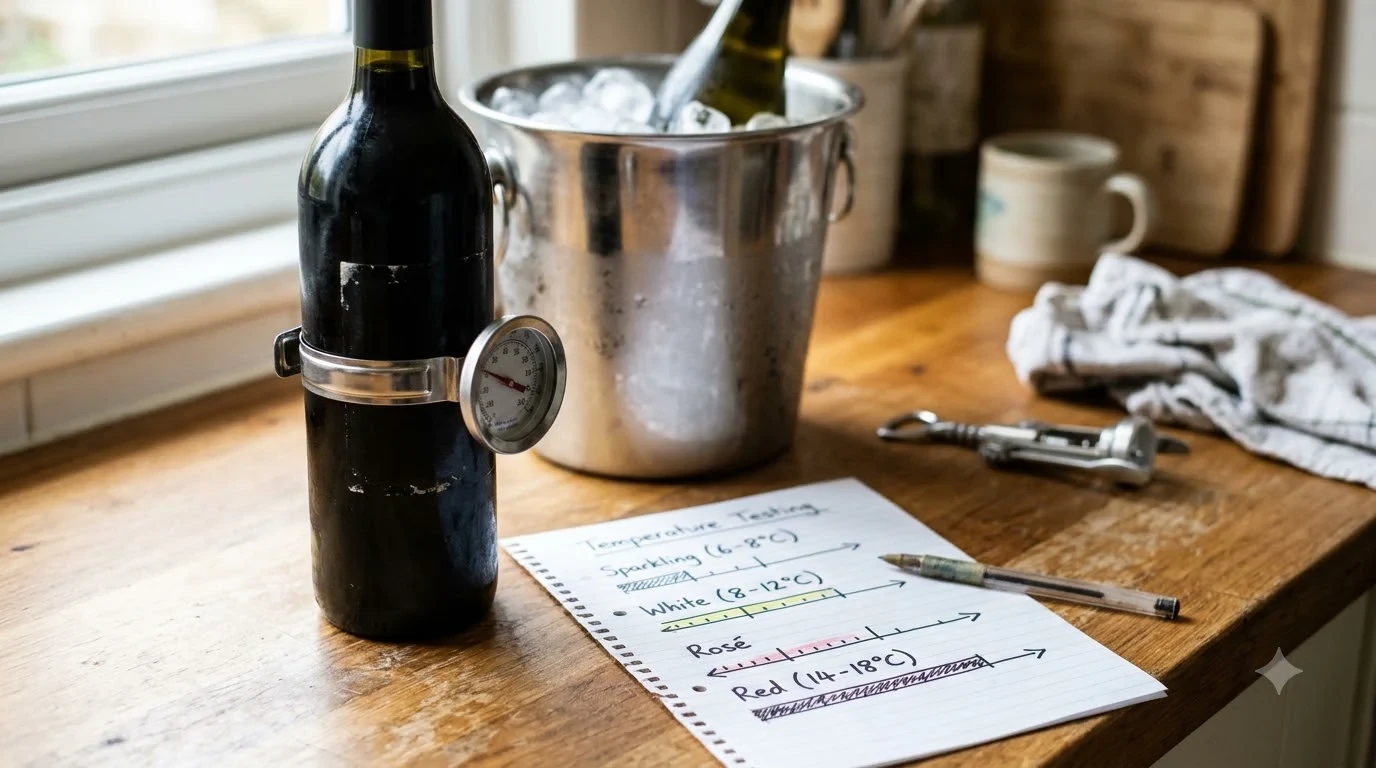
If you’re asking, can you cook with wine, the answer is yes: wine is an excellent ingredient for adding acidity, depth, aroma, and richness to everyday recipes. Both red and white wines work in the kitchen, depending on the ingredients and the flavor you want to achieve. Choose a dry, drinkable wine rather than a bottle labeled cooking wine, and remember that cooking does not remove all the alcohol.
Wine is a useful cooking ingredient because it contributes several things at once. Its acidity balances rich foods, its aromatic compounds add complexity, and its liquid helps loosen flavorful browned bits from a pan. A splash can transform a simple chicken pan sauce, while a larger quantity can become the foundation of a slow-cooked beef stew. The key is understanding which wine to use, when to add it, and how much to cook it down.
Why Wine Works So Well in Cooking
Wine contributes flavor, acidity, and aromatic complexity that water or ordinary broth cannot provide on their own. It is particularly useful for deglazing, reducing sauces, and braising ingredients that benefit from a longer cooking time.
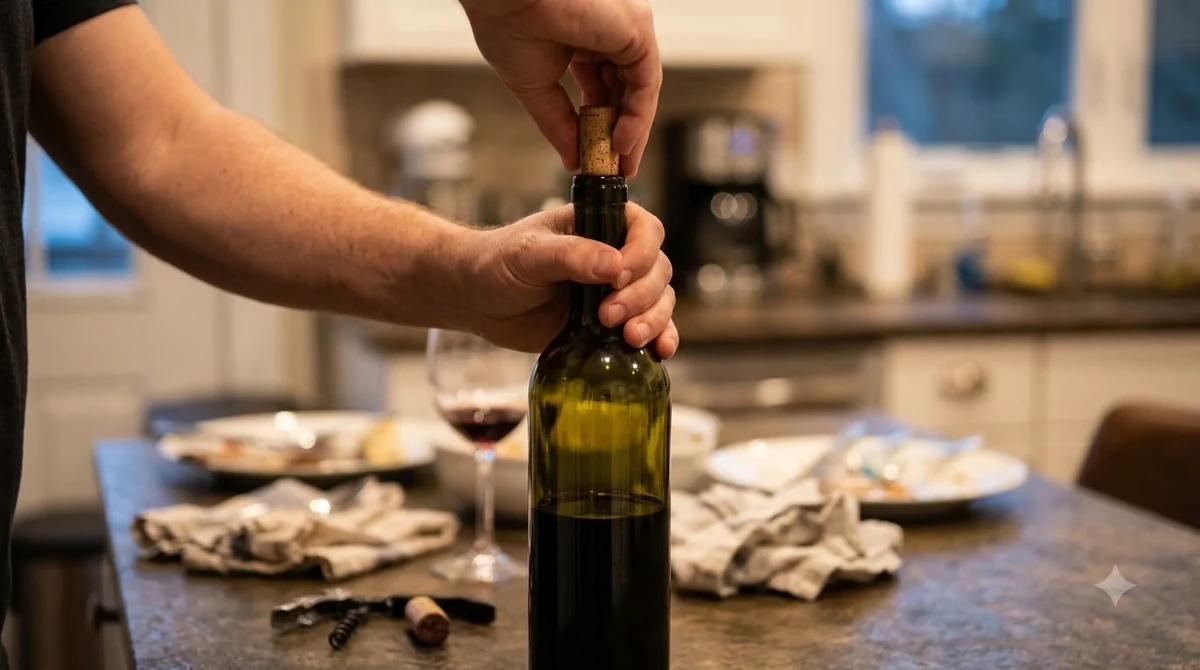
One of the most practical uses is deglazing. After searing chicken, pork chops, or beef in a skillet, browned particles remain attached to the cooking surface. These particles are called fond, and they contain concentrated flavors from the ingredients that have already cooked. Pouring wine into the warm pan and stirring with a wooden spoon loosens those particles so they become part of the sauce.
Wine is effective because it contains both water and alcohol. These liquids interact with different flavor compounds, helping bring together elements that might otherwise remain stuck to the pan. Add a little chicken stock or butter afterward, and the resulting sauce can have considerably more character than one made with plain water.
Wine also supplies acidity. A small amount of dry white wine can cut through the richness of butter, cream, and cheese, while red wine can balance the fatty flavors of beef or lamb. This is particularly useful in dishes that simmer for a long time because the wine becomes integrated with the other ingredients.
Three important cooking techniques
- Deglazing: Adding wine to a hot pan after searing to release fond and create a sauce.
- Reduction: Simmering wine until some of its liquid evaporates, concentrating its flavor and producing a thicker consistency.
- Braising: Cooking ingredients slowly in a covered pot containing wine, stock, or a combination of liquids.
For example, a skillet of sautéed mushrooms can be deglazed with dry white wine, while beef short ribs can be browned and slowly braised with dry red wine and stock. Both preparations use wine differently, but the underlying principle is the same: the wine becomes part of the finished dish rather than simply adding moisture.
Choosing Between Red, White, and Other Wines
Dry red and white wines are the most versatile choices for everyday cooking. Red wines generally suit richer ingredients and darker sauces, while white wines work particularly well with poultry, seafood, vegetables, and creamy preparations.
For red wine recipes, consider Merlot, Grenache, or a moderately structured red blend. Merlot has medium tannins and a softer profile than Cabernet Sauvignon, making it useful for sauces that need fruit character without excessive astringency. Grenache can also provide appealing red-fruit flavors in braised dishes.
Cabernet Sauvignon is more tannic and can work in a substantial beef stew, where the meat and other ingredients help balance its structure. However, a highly tannic wine can become bitter or drying when reduced too aggressively. For a delicate mushroom sauce or vegetable preparation, a softer red is usually a better choice.
White wine offers a different set of possibilities. Sauvignon Blanc and Pinot Grigio are reliable options because their acidity can brighten a dish without introducing excessive sweetness. Unoaked Chardonnay can also work in sauces that need a little more body.
For more aromatic cooking, Riesling and Gewürztraminer can complement selected dishes, especially creamy preparations and recipes involving fragrant spices. Their distinctive aromas make them less universal than neutral, dry whites, so use them when their character suits the other ingredients.
Rosé is another option. Its combination of red-fruit character and fresh acidity makes it useful for chicken, pork, vegetables, and certain fruit-based preparations. Sparkling wine can also be used in risotto, seafood sauces, and dishes that benefit from a lively, acidic flavor.
Fortified wines have their own place in the kitchen. Sherry, Madeira, and Marsala can contribute concentrated flavors to mushroom sauces, poultry dishes, and reductions. Because they can have more pronounced flavors and sweetness than ordinary table wine, smaller quantities are often sufficient.
| Wine style | Typical characteristics | Good cooking applications |
|---|---|---|
| Merlot | Medium tannin, soft fruit | Beef stew, meat sauce, braises |
| Cabernet Sauvignon | High tannin, firm structure | Rich beef braises and hearty stews |
| Grenache | Medium-bodied, fruity | Tomato-based meat sauces and lamb |
| Pinot Grigio | Dry, light-bodied, crisp | Seafood, risotto, chicken |
| Sauvignon Blanc | High acidity, fresh aromas | White sauces, fish, vegetables |
| Unoaked Chardonnay | Medium acidity, fuller body | Cream sauces, poultry, risotto |
| Riesling | High acidity, aromatic | Selected creamy and spiced dishes |
| Dry rosé | Fresh acidity, red-fruit notes | Pork, chicken, fruit preparations |
| Madeira or Marsala | Fortified, concentrated flavors | Pan sauces, mushrooms, desserts |
The best choice depends more on the wine’s style than its grape name or region. A dry, balanced wine is generally more useful than an expensive bottle with an intense flavor that dominates the recipe.
How to Match Wine With Different Foods
Choose wine according to the weight, acidity, richness, and flavor of the ingredients. A light seafood preparation usually benefits from dry white wine, while a rich beef braise can handle a more substantial red.
Beef and lamb: Dry red wines are traditional choices for hearty meat dishes. Merlot and Grenache are useful for everyday stews, while Cabernet Sauvignon can contribute structure to rich preparations. Red wine also works in tomato-based meat sauces, particularly when the sauce has enough cooking time to integrate the flavors.
Chicken and turkey: Dry white wine is an excellent starting point for poultry. Sauvignon Blanc and Pinot Grigio can brighten a skillet sauce made with chicken stock, garlic, shallots, and butter. White wine is also suitable for roasting poultry when incorporated into the cooking liquid.
Fish and seafood: Use crisp white wine in preparations involving shrimp, mussels, scallops, or white fish. Sauvignon Blanc and Pinot Grigio are particularly flexible. Their acidity can complement seafood without adding the heavier tannins associated with red wine. Avoid strongly tannic reds with delicate seafood, especially oily fish.
Mushrooms and vegetables: Both red and white wines can work, depending on the other ingredients. White wine complements asparagus, zucchini, leeks, and sautéed mushrooms. Red wine can add depth to mushroom risotto, beetroot preparations, and vegetable stews with earthy flavors.
Cream and cheese: White wine can provide acidity that balances the richness of dairy. It works in creamy pasta sauces, fondue, and risotto. A small quantity of dry wine can make a butter-based sauce feel less heavy without requiring additional citrus or vinegar.
Desserts: Sweet wine has a useful role in poached fruit, dessert sauces, and fruit reductions. Moscato, sweet Riesling, and Sauternes can complement pears, peaches, berries, and other fruit preparations. The wine should be at least as sweet as the finished dessert so that the result does not taste unexpectedly sour.
Think about the complete dish rather than matching wine with only its main ingredient. A chicken dish with mushrooms, cream, and thyme might benefit from a fuller white wine, whereas chicken cooked with tomatoes and rosemary could work with a light red.
How Much Wine to Add and When to Add It
Wine should contribute to a recipe without overpowering its other ingredients. Start with a modest quantity, allow it to cook into the dish, and adjust the remaining stock, seasoning, or butter according to the desired consistency.
For a basic pan sauce serving two people, approximately 1/4 cup of dry wine is a useful starting point. After cooking chicken or pork, remove the meat from the skillet, soften some shallots, and pour in the wine. Scrape the bottom of the pan while the liquid bubbles, then add approximately 1/2 cup of stock.
Let the mixture simmer until it reduces slightly. Finish with a small amount of butter, then taste before adding salt. The resulting sauce should taste balanced, with the wine supporting the meat rather than dominating it.
For a stew serving four to six people, approximately 1 to 2 cups of wine can be appropriate, depending on the recipe and the amount of stock. Brown the meat first, cook the vegetables and aromatics, and then add the wine. Let it simmer briefly before incorporating the remaining liquid.
For risotto, a smaller amount is generally sufficient. After sautéing the rice and aromatics, add approximately 1/2 cup of dry white wine to a batch serving four people. Stir until most of the wine has been absorbed before adding warm stock gradually.
A practical order of operations
- Brown the meat or vegetables to develop flavor.
- Remove the main ingredients temporarily if necessary.
- Add aromatics such as shallots, garlic, or onions.
- Pour in the wine and scrape the bottom of the pan.
- Allow the wine to simmer and reduce before adding stock or cream.
- Finish the sauce with butter, herbs, seasoning, or other ingredients.
The timing of the addition matters. Adding wine early enough gives its flavors time to blend with the other ingredients. Pouring a large amount of uncooked wine into a finished sauce immediately before serving can produce a sharp, raw flavor that is difficult to balance.
Tip: When making a sauce, add wine before stock or cream. Let it simmer for a few minutes so its raw, sharp character softens and its flavor becomes part of the cooking liquid. Add the remaining ingredients afterward and adjust the consistency.
Do not assume that more wine always produces more flavor. Excessive quantities can make a sauce too acidic, too fruity, or overly concentrated after reduction. It is easier to add another splash during cooking than to correct a sauce that has become too strong.
Does Cooking Wine Remove All the Alcohol?
No. Cooking reduces the alcohol content of wine, but it does not guarantee that every trace of alcohol disappears. The amount remaining depends on the cooking time, preparation method, surface area, and other ingredients in the dish.
Alcohol has a lower boiling point than water, approximately 173.1°F compared with 212°F. This helps explain why alcohol evaporates during cooking, but it does not mean that all alcohol vanishes as soon as a sauce reaches a boil. Alcohol and water interact in the cooking liquid, so evaporation continues over time.
According to the MICHELIN Guide’s article on cooking with alcohol, a dish simmered or baked for 15 minutes can retain approximately 40% of its original alcohol content. After one hour, approximately 25% may remain, while cooking for two and a half hours can reduce retention to approximately 5%.
These are general estimates rather than guaranteed results for every recipe. A quick pan sauce, a covered casserole, and a wide uncovered saucepan expose their liquids to different cooking conditions. The amount of wine initially added also influences how much alcohol remains in the finished serving.
For example, adding a small splash of wine to a large pot of stew produces a different final concentration from adding an entire cup to a small amount of sauce. A short flambé or brief deglazing step also does not remove all the alcohol.
For more detail about the cooking process and alcohol retention, see the MICHELIN Guide’s explanation of cooking with alcohol.
There is an important distinction between reducing alcohol and eliminating it. If a dish must contain no alcohol, cooking with regular wine is not a reliable way to meet that requirement. Use an appropriate alcohol-free alternative instead.
For additional information about alcohol-related concerns, see our article on can wine make you sick.
Cooking Wine, Leftover Wine, and Substitutions
Regular drinking wine is generally a better kitchen ingredient than commercial cooking wine. You do not need an expensive bottle, but the wine should be clean, reasonably balanced, and pleasant enough that you would consider drinking it.
Commercial cooking wines are often formulated with added salt and other ingredients. These additions can make it difficult to control seasoning, particularly in recipes where wine is reduced significantly. A concentrated sauce can become unexpectedly salty if the cooking wine already contains substantial added salt.
There is no need to open a special bottle for every recipe. A leftover dry red or white wine can be useful if it has been stored properly and has not developed unpleasant oxidation or vinegar-like aromas. However, a wine with cork taint should not go into a recipe because the unwanted flavor can remain in the finished food.
Leftover wine can also be frozen in an ice cube tray. Once the cubes are solid, transfer them to a freezer bag and use them in future sauces, stews, or braises. This approach makes it easy to add a measured quantity without opening another bottle.
Useful alternatives when you have no wine
If a recipe calls for wine but none is available, several substitutes can provide some of the same functions. The best alternative depends on whether the wine is primarily supplying acidity, liquid, sweetness, or aromatic character.
- Chicken stock: A useful alternative for chicken sauces, poultry braises, and risotto. Add a little lemon juice if the recipe needs more brightness.
- Beef stock: Suitable for hearty stews, beef braises, and meat sauces that need depth.
- Vegetable stock: A flexible option for vegetable dishes, mushroom preparations, and vegetarian risotto.
- Water and lemon juice: A simple option for deglazing when a recipe needs liquid and acidity but no wine flavor.
- Vermouth: Dry vermouth can substitute for some dry white wine in selected sauces, although its herbal character may be more noticeable.
When replacing wine with stock, start with a similar quantity of liquid and adjust the acidity separately. Stock does not have the same aromatic profile as wine, so a little lemon juice, vinegar, or additional herbs may help reproduce the balance of the original recipe.
Be careful with vinegar substitutions. Vinegar is considerably more concentrated in acidity than wine, so replacing wine with an equal quantity of vinegar can make a dish excessively sharp. Dilute it with water or stock and add it gradually.
For more practical storage advice, read our guides on can you store wine in the freezer and can you store wine upright. You can also explore our Wine Q&A for more everyday wine information.
For further guidance on choosing a suitable bottle, Wine Enthusiast’s guide to cooking wine explains how different wine styles affect the finished recipe.
Common Mistakes to Avoid When Cooking With Wine
The most common problems involve choosing an unsuitable wine, adding too much, or reducing it too aggressively. A few simple adjustments can prevent bitter sauces, excessive acidity, and flavors that overpower the main ingredients.
Using a wine that is unpleasant to drink
Cooking does not magically improve a poor-quality bottle. Heat can concentrate undesirable flavors along with the desirable ones, making an unpleasant wine even more noticeable. Avoid bottles with cork taint, vinegar-like aromas, or obvious spoilage.
Choosing heavily oaked wines
Oak-aged wines can introduce vanilla, toast, spice, and other flavors that may not suit every recipe. During reduction, some of these characteristics can become more pronounced or contribute to bitterness. A dry, unoaked Sauvignon Blanc or Pinot Grigio is generally a safer choice for a light white sauce than a heavily oaked Chardonnay.
Using highly tannic reds for delicate sauces
Red wine tannins can become more concentrated as the liquid reduces. Cabernet Sauvignon can work in a substantial beef stew, but it may be too structured for a delicate vegetable sauce. Merlot or Grenache can provide a softer alternative.
Adding too much sweet wine
Sweetness becomes more concentrated during reduction. A wine that tastes moderately sweet in the glass can produce an overly sugary sauce after simmering. For savory recipes, dry wine is usually the better starting point unless sweetness is an intentional part of the dish.
Reducing the wine too far
Reduction improves concentration, but excessive evaporation can create a sauce that tastes harsh, bitter, or overly acidic. Red wine tannins and natural fruit sugars become more prominent as water evaporates. Reduce gradually and taste periodically rather than waiting until the liquid becomes extremely thick.
Forgetting to adjust seasoning
Wine changes the balance of a recipe. Its acidity can make a sauce taste brighter, while its reduction can concentrate salt already present in stock or other ingredients. Taste after reducing and before adding more salt. A little butter can soften a sharp sauce, while additional stock can help dilute excessive concentration.
One final point concerns wine used in marinades. Wine can add flavor and acidity to the surface of meat, but it should not be treated as a substitute for proper cooking. Follow the recipe’s cooking instructions and handle raw meat and its marinade appropriately.
Frequently Asked Questions
Can you cook with wine that has been open for a week?
It depends on how the bottle was stored and how the wine smells and tastes. An opened bottle that has developed strong vinegar-like aromas or unpleasant oxidation is not a good cooking ingredient. Refrigeration and a tightly closed bottle can help slow deterioration, but they do not preserve wine indefinitely.
Can you use sparkling wine instead of still wine in cooking?
Yes. Dry sparkling wine can be used in risotto, seafood preparations, and sauces. Its bubbles disappear during heating, leaving the wine’s acidity and flavor behind. Brut sparkling wine is generally more suitable for savory dishes than sweeter sparkling styles.
Can you cook with nonalcoholic wine?
Yes. Nonalcoholic wine can provide wine-like acidity and fruit character in sauces, marinades, and braises. Its flavor and sweetness can differ from conventional wine, so add it gradually and adjust the other liquids. If avoiding alcohol is essential, choose a product specifically labeled alcohol-free and verify its ingredients.
Can you use red wine in tomato sauce?
Yes. Dry red wine can add fruit and depth to tomato sauces, especially those containing beef, pork, or mushrooms. The variety of tomato also matters: a naturally tart sauce may need additional cooking time or a little butter to balance its acidity. Medium-bodied wines such as Merlot are useful starting points.
Should wine be room temperature before cooking?
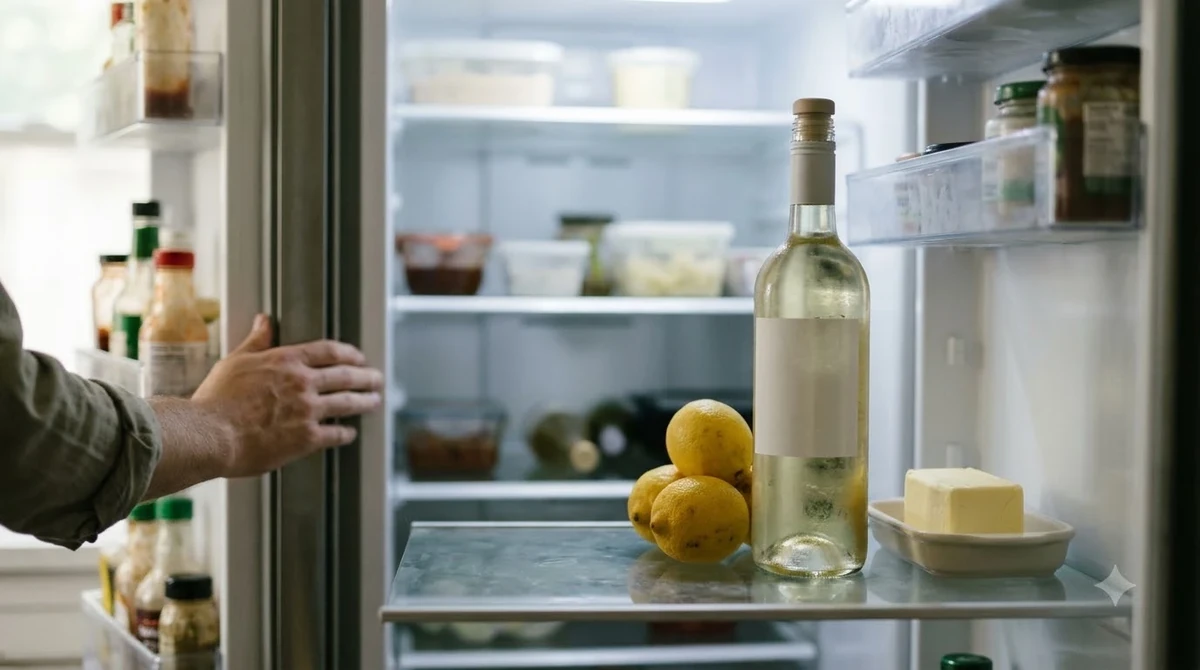
Wine does not need to reach room temperature before going into a hot pan or cooking pot. You can use refrigerated white wine directly in most recipes. However, adding a large quantity of very cold wine to a hot skillet can temporarily lower the pan temperature, so allow the liquid to return to a simmer before continuing.
Cooking with wine is straightforward once you understand how acidity, sweetness, tannins, and reduction affect a dish. Start with a dry wine that suits your ingredients, add it at the right stage, and give it enough time to integrate with the other flavors. With a suitable bottle and a measured approach, wine can become one of the most useful ingredients in your kitchen.
More in Wine Basics
 What Is The Best Wine For Mimosas? Choose Bubbly That Balances Orange JuiceUpdated Nov 20, 2026
 Which Prosecco Is Best for Your Taste and OccasionUpdated Nov 20, 2026
 Which Wine Is Best For Health? Understand the Risks and BenefitsUpdated Nov 20, 2026
 Which Champagne Is Best for Your Taste and OccasionUpdated Nov 20, 2026
 What To Put In A Wine Gift Basket For A Thoughtful, Memorable GiftUpdated Nov 20, 2026
 What Is the Best Wine for Mulled Wine? Choose a Smooth, Fruity RedUpdated Nov 20, 2026