

We may earn a commission when you buy through links on this page, at no extra cost to you. Learn more.
The answer to “can you store wine in the freezer” is yes for a brief, timed chill, but no for long-term bottle storage. A freezer can cool a room-temperature bottle quickly, but an unattended bottle may freeze, expand, push out its closure, or break. For routine storage, keep wine in a consistently cool place above freezing; for leftovers you intend to freeze, transfer the wine to a freezer-safe container and leave room for expansion.
A freezer can seem like the quickest fix for a warm bottle. Alcohol and sugar lower wine’s freezing point, but its water still expands as it freezes. The right method depends on whether you plan to serve the bottle soon, save leftovers for cooking, or store an unopened wine.
Brief Freezer Chilling Works With a Timer
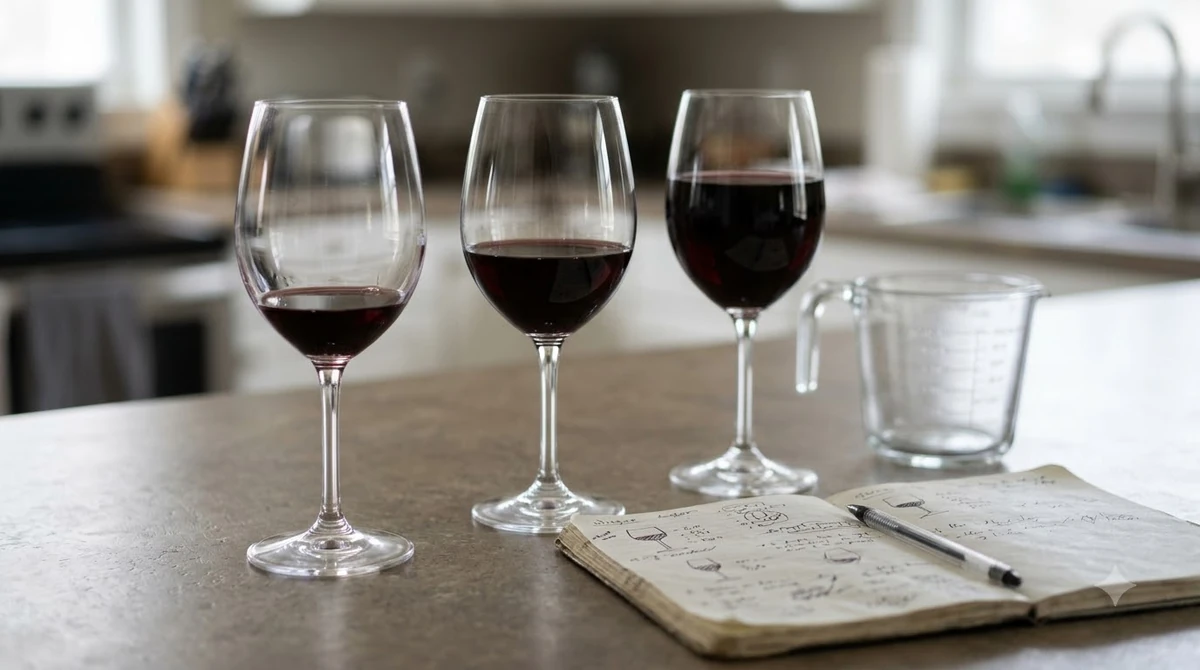
A freezer is useful for a short chill, not as a place to leave wine between occasions. For a still bottle, Decanter’s freezer-chilling advice quotes Matt Walls recommending 22 minutes for a light chill and 28 minutes for a fuller chill; a timer is essential.
| Chilling method | Time estimate | Best use and caution |
|---|---|---|
| Freezer, light chill | 22 minutes | Still wine; set a timer |
| Freezer, fuller chill | 28 minutes | Still wine; check before extending |
| Wet cloth plus freezer | About 10 minutes | Quick still-wine chill; monitor closely |
| Sparkling wine in freezer | About 20 minutes | Use extra caution; an ice bath is safer |
| Ice, water, and salt bath | About 15 minutes | Submerge bottle to the neck |
Treat these as estimates, not guaranteed temperatures. A bottle starting at 70°F will chill at a different rate from one already cool, and frequent freezer-door openings can change timing. Begin with the shorter interval, check the bottle, and add a few minutes only if needed.
For a still white, rosé, or light red, the freezer can buy time when guests are arriving and the bottle has not been refrigerated. For an even faster shortcut, Master Sommelier Xavier Rousset’s wet-cloth method uses about 10 minutes in the freezer, but it still needs a timer. A valuable older wine is better chilled gradually in the refrigerator, away from the risk of accidental freezing.
Use a phone alarm or kitchen timer as soon as the bottle goes in. Do not rely on remembering it after you start cooking, greeting guests, or setting the table. If you need to leave the kitchen, take the bottle out first or move to a more controlled chilling method. The small effort of setting an alarm is more reliable than trying to estimate time by feel later.
Why a Forgotten Bottle Can Freeze and Break
Wine Enthusiast places the freezing range for wine at 15–25°F, while a typical household freezer is much colder. Its explanation of wine freezing reports that a bottle in a freezer at or below 0°F can freeze in about five hours, with its texture beginning to change after roughly 1–3 hours.
Wine is a mixture, not a block of pure water. Alcohol lowers the freezing point, and the exact point varies with alcohol level, residual sugar, and the wine’s composition. Even before a bottle becomes a solid mass, ice can begin forming in the water-rich portion of the liquid. That early change can create slush, alter the balance of the wine, and increase pressure inside the container.
As water freezes, it expands. Inside a sealed wine bottle, that expansion has limited room to go, so the cork may move outward, liquid may leak around the closure, or the glass may crack. A screw cap does not remove the problem: the seal can be pushed or compromised, and the bottle itself can still break. A freezer shelf may then be covered with wine, glass, and sticky residue, which is a much bigger problem than a bottle that is merely too warm.
Freezing can also change the wine before any visible damage appears. Wine Enthusiast notes that aromas, flavors, and fine distinctions can be altered after freezing, while VinePair’s wine-advice column warns that fruit notes may fade and bitter or alcoholic impressions may become more prominent. That is why a freezer is a short-term chilling tool rather than a storage solution for a bottle you want to preserve in its intended condition.
Sparkling Wine Needs Extra Caution
Champagne, Prosecco, Cava, and Crémant need more caution than still wine in the freezer because carbon dioxide is already held under pressure inside the bottle. A short chill may be possible, but a forgotten sparkling bottle can push out its cork or break the glass.
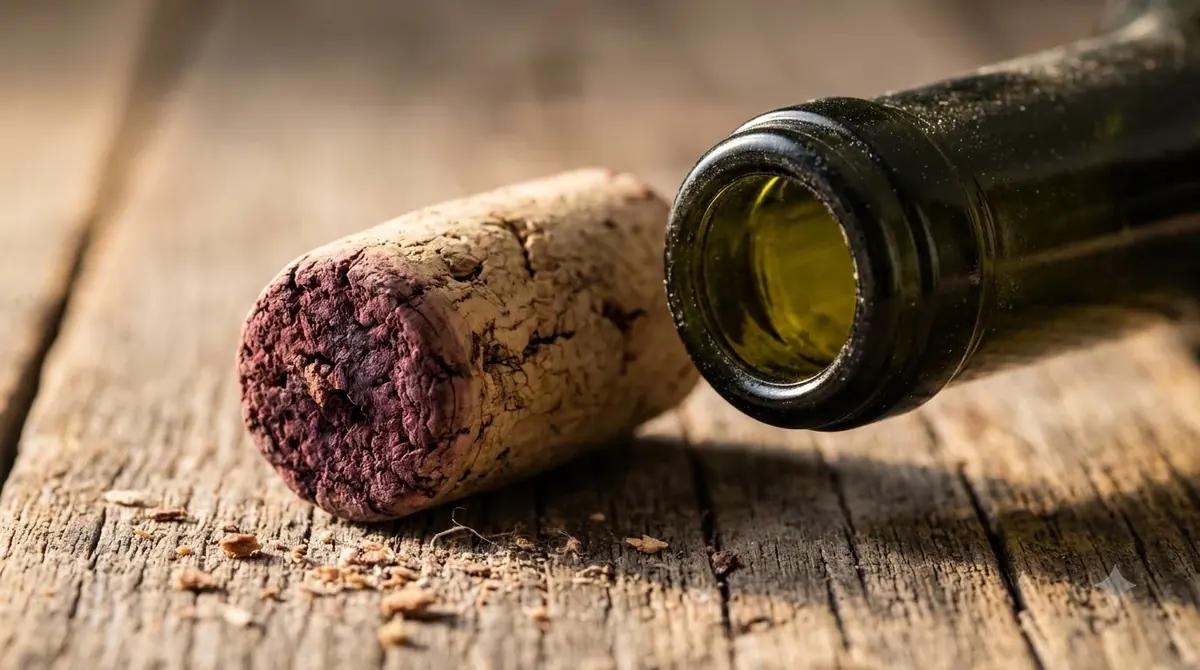
Decanter says that around 20 minutes can help chill a bottle of Champagne, but the margin for error is narrower than for a still wine. The pressure from the dissolved carbon dioxide adds to the stress created as liquid freezes and expands. A cork that starts moving is not just a serving problem: it can release wine suddenly and leave a mess in the freezer.
For sparkling wine, the better routine is to use the refrigerator ahead of time or place the bottle in an ice-and-water bucket. Keep the bottle upright while chilling, leave the wire cage and foil undisturbed, and handle it gently when removing it. Avoid shaking the bottle or pointing its neck toward a person while opening. The aim is to serve the wine cold while preserving its bubbles and keeping the closure secure.
If a bottle of sparkling wine has been forgotten in the freezer, do not force the cork or twist a damaged closure. Look for cracks, seepage, or a displaced cork before handling it closely. A bottle with damaged glass should not be opened or served. Even if it appears intact after thawing, the pressure and quality may have changed, so a refrigerator or ice bath is a better choice next time.
An Ice Bath Is Faster for Planned Chilling
A bucket with about 50 percent ice and 50 percent cold water cools a bottle more evenly than a pile of ice cubes alone. Decanter’s advice is to add plenty of salt, submerge the bottle to the neck, and allow about 15 minutes for a chilled result.
The water matters because it makes contact with most of the bottle’s surface. Ice cubes alone touch only a few points on the glass, leaving pockets of air between them. Cold water fills those spaces and transfers heat away from the bottle. Salt lowers the freezing point of the water, allowing the bath to become colder than an ordinary ice-water mixture as some of the ice melts.
Choose a bucket or deep vessel that can hold the bottle without tipping. Add ice first, pour in cold water until the bottle is mostly surrounded, and stir in a generous handful of salt. Place the bottle in gently and make sure the water reaches close to the neck, while keeping the opening above the waterline. Turn the bottle once or twice during the chill if it is easy to reach, then dry it before opening or serving.
This method is especially handy when several people are waiting for a bottle of Sauvignon Blanc, Chardonnay, rosé, or sparkling wine. It also gives you more control than leaving glass in the freezer while attention is elsewhere. For a fuller red that should be served only lightly cool, use a shorter interval and check the wine rather than assuming every bottle needs the full 15 minutes.
Tip: For a quick chill, prepare an ice-water bath with roughly equal parts ice and cold water, add salt, and set a 15-minute timer. It cools the whole bottle without exposing it to the much lower temperature of a household freezer.
Freeze Leftover Wine in a Different Container
Freezing leftover wine can be practical when the goal is to save small portions for cooking or a blended drink. The safe approach is to pour it into an ice cube tray or a freezer-safe container, rather than putting the original sealed bottle into the freezer.
Wine Enthusiast recommends leaving ample space for expansion because the water in wine grows as it freezes. Do not fill a jar or rigid container to the brim; leave a clear gap at the top and use a container designed for freezer temperatures. Flexible freezer-safe containers can also work, provided they are sealed against spills and have room for the frozen wine to expand.
Ice cube trays make portioning easy. Pour the wine into individual compartments, leaving a little space at the top of each one, then transfer the frozen cubes to a labeled freezer bag or covered container. A standard tray divides the wine into small portions for pan sauces, braises, marinades, or stew. Label the bag with the wine type and date so that a red wine cube does not get mistaken for white wine later. For a larger leftover amount, split the wine among several containers instead of freezing one large, tightly filled vessel. Smaller portions thaw more quickly and are easier to measure. White wine can go into a pan sauce or risotto; red wine can go into a braise or tomato-based sauce. Treat frozen portions as cooking ingredients rather than as a way to preserve a fine bottle for later drinking.
Do not freeze a bottle with its cork or screw cap still sealed, even if it is only partly full. A partly empty bottle still has a rigid glass wall and a closure that can be forced by expansion. If you want to keep an opened bottle for drinking over the next few days, refrigeration and a suitable closure are more appropriate than freezing it. For other storage questions, the site’s Wine Q&A and wine basics section can help distinguish everyday serving advice from longer-term storage.
What to Do If Wine Has Already Frozen
If a still wine has frozen by accident, keep it away from heat and let it thaw gradually in the refrigerator or another cool place. Once fully liquid, inspect the bottle and closure, then taste a small amount to decide whether the wine still tastes pleasant enough to use.
Do not speed thawing by putting a cold bottle into hot water, near a stove, or beside a heater; a sudden temperature change can stress glass already weakened by expansion. If the cork has risen, wine has seeped from the neck, or there is any visible crack, avoid handling the bottle more than necessary. Discard wine from a damaged bottle rather than trying to salvage it. A frozen and thawed wine may look different from the wine you poured originally. It can seem cloudy, flatter, less aromatic, or more sharply alcoholic; the degree of change depends on how far it froze and how long it stayed that way. Some wines may also show small crystals or sediment after cold exposure. These are often tartrate crystals, naturally occurring deposits associated with tartaric acid, rather than pieces of glass. They are generally a visual change, although their presence can affect how clear the wine looks in the glass.
Before serving, allow the wine to reach an appropriate serving temperature rather than pouring it while it is still icy. A very cold wine can hide aroma and make it difficult to judge its balance. As a general reference, sparkling wine is served around 40–50°F, light whites and rosé around 45–50°F, fuller whites around 50–55°F, light reds around 55–60°F, and fuller reds around 60–65°F. If the wine tastes dull after thawing, use it in a sauce or another cooked dish instead of expecting it to taste like a bottle that was never frozen. For future bottles, keep long-term storage above freezing and favor a stable environment. Liebherr’s storage guidance recommends a consistent 10–12°C, or about 50–54°F, along with protection from light and disturbance. That is quite different from a freezer near 0°F. Bottles with natural corks are commonly stored on their sides to keep the cork in contact with wine; the article on can you store wine upright explains when upright storage is suitable. Before taking a bottle to dinner, check the restaurant’s policy and read can you bring wine to a restaurant.
Frequently Asked Questions
These five questions cover edge cases beyond everyday chilling, from 32°F room temperatures and 11–13% ABV wines to crystals, cooking uses, and cellar humidity.
Does wine freeze at 32°F?
Not usually. The alcohol in wine lowers its freezing point below the 32°F temperature at which water freezes, and many table wines begin freezing somewhere around 15–25°F. The exact point varies with the wine’s alcohol level, sugar, and other dissolved compounds.
Does a higher-alcohol wine take longer to freeze?
Generally, yes: more alcohol lowers the freezing point, so a higher-ABV wine needs colder conditions to begin freezing. Wine Enthusiast notes that most wines fall around 11–13% ABV, but bottle strength varies by style and producer. Residual sugar also affects the freezing point, so alcohol alone does not predict the exact result.
Can frozen wine be used in cocktails or desserts?
Yes, provided the wine was frozen in a suitable container rather than a sealed bottle. Wine can be used in frosé, friesling, or sangria slushies, and it can also be incorporated into red-wine brownies or granita.
Where do wine crystals usually appear?
Potassium bitartrate crystals can cling to the underside of a cork or settle at the bottom of a bottle, especially after cold storage. They have little flavor and are a naturally occurring deposit rather than a sign that the wine contains glass.
Does humidity matter for long-term wine storage?
Yes. Liebherr recommends relative humidity between 50% and 80% for cork-closed bottles, which helps keep corks from drying out without creating an overly damp environment. A cool, dark, odor-free storage place also helps protect the wine while it rests.
The freezer is best treated as a timed shortcut, not a wine cellar: use it briefly for a still bottle, choose an ice bath for more dependable chilling, and keep sparkling wine under closer watch. For wine you want to preserve, use stable, above-freezing storage; for leftovers you want to freeze, portion them into containers built to handle expansion.
More in Wine Basics
 What Is The Best Wine For Mimosas? Choose Bubbly That Balances Orange JuiceUpdated Nov 20, 2026
 Which Prosecco Is Best for Your Taste and OccasionUpdated Nov 20, 2026
 Which Wine Is Best For Health? Understand the Risks and BenefitsUpdated Nov 20, 2026
 Which Champagne Is Best for Your Taste and OccasionUpdated Nov 20, 2026
 What To Put In A Wine Gift Basket For A Thoughtful, Memorable GiftUpdated Nov 20, 2026
 What Is the Best Wine for Mulled Wine? Choose a Smooth, Fruity RedUpdated Nov 20, 2026